


The supplement industry, a dynamic landscape of scientific innovation and consumer-driven demand, is once again under the microscope. Recent developments highlight critical concerns regarding product authenticity, particularly with ubiquinol supplements, alongside emerging research pointing to the performance-enhancing benefits of beetroot. This edition of Supplement Shorts delves into these key stories, examining the implications for both consumers and manufacturers.
Ubiquinol Supplement Authenticity Under Fire: Kaneka Nutrients Initiative Uncovers Widespread Discrepancies
A significant initiative by Kaneka Nutrients, a leading ingredient supplier, has brought to light concerning issues regarding the accuracy of ubiquinol content in dietary supplements. Since its launch in May 2025, Kaneka’s product testing program has identified a troubling number of products that fail to meet their stated label claims. To date, 24 distinct products have been flagged for containing substantially less ubiquinol than advertised, raising serious questions about product integrity and consumer trust within this segment of the market.
Terese Mansell, Vice President at Kaneka Nutrients, articulated the driving force behind this transparency effort. "By exposing products that misrepresent their contents, we aim to prevent misleading claims that undermine trust, devalue authentic ubiquinol products and compromise health outcomes," Mansell stated at the program’s inception. This commitment stems from Kaneka’s pivotal role in establishing the ubiquinol market, a responsibility they feel compels them to safeguard its reputation and efficacy.
The testing protocol, conducted in partnership with the reputable laboratory service provider Eurofins, involves sourcing products directly from online retail giant Amazon. This approach allows for an independent assessment of products readily available to consumers. The results have been stark: a consistent pattern of ubiquinol content falling significantly below stated levels. In many instances, the tested products contained only negligible amounts of the active ingredient, suggesting either severe manufacturing deficiencies or intentional mislabeling.
This ongoing initiative underscores a broader industry challenge: ensuring that the supplements consumers purchase deliver the promised benefits. The presence of substandard or counterfeit products not only defrauds consumers but also erodes confidence in legitimate, high-quality supplements. For manufacturers who invest in rigorous quality control and utilize premium ingredients, these discrepancies create an uneven playing field and devalue their own reputable offerings.
Understanding Ubiquinol and Its Significance
Ubiquinol is the active, reduced form of coenzyme Q10 (CoQ10), a vital compound naturally produced by the body. CoQ10 exists in two primary forms: ubiquinone (the oxidized form) and ubiquinol (the reduced, antioxidant form). Ubiquinol is particularly important because it is the form that the body can directly utilize for its essential functions, primarily within the mitochondria – the powerhouses of our cells.
The body’s ability to produce CoQ10 naturally declines with age, and certain health conditions or medications, such as statins, can further deplete CoQ10 levels. This decline has been linked to various health concerns, prompting many individuals to seek supplementation.
Ubiquinol has garnered significant research interest for its multifaceted roles in promoting health. Its potent antioxidant properties are crucial for neutralizing harmful free radicals, thereby protecting cells from oxidative stress. This protective mechanism is believed to contribute to its researched benefits in:

- Mitochondrial Health: By supporting the efficient functioning of mitochondria, ubiquinol is thought to enhance cellular energy production, which is critical for overall vitality and organ function.
- Cardiovascular Health: Studies have explored ubiquinol’s potential to support heart health through various mechanisms, including its antioxidant effects, its role in energy production within the heart muscle, and its potential to improve blood flow.
- Female Reproductive Health: Emerging research has investigated ubiquinol’s role in supporting egg quality and fertility, particularly in women undergoing assisted reproductive technologies.
Given these potential health benefits, the integrity of ubiquinol supplements is paramount. Consumers are often purchasing these products with specific health goals in mind, and the failure of a supplement to contain the advertised active ingredient can lead to disappointment, wasted expenditure, and potentially missed opportunities for health improvement.
The Broader Implications of Counterfeit Supplements
The findings from Kaneka Nutrients’ testing initiative have far-reaching implications for the entire supplement industry.
- Consumer Confidence: The prevalence of products that do not meet label claims can lead to widespread distrust among consumers. This skepticism can extend to even reputable brands and products, making it harder for consumers to make informed purchasing decisions.
- Regulatory Scrutiny: Such findings often attract the attention of regulatory bodies. Increased scrutiny can lead to more stringent regulations, testing requirements, and enforcement actions, which, while ultimately beneficial for consumer safety, can create an increased burden for compliant businesses.
- Market Devaluation: When low-quality or fraudulent products flood the market, they can devalue the entire category. This can make it harder for manufacturers committed to quality to compete on price and can stifle innovation as companies become wary of investing in a market perceived as unreliable.
- Health Outcomes: The most significant implication is the potential impact on consumer health. Individuals relying on supplements for specific health needs may not be receiving the intended benefits, potentially delaying or hindering their progress towards health goals.
Mansell’s statement, "We built this category, which means we have an obligation to protect it. That stewardship extends beyond our own manufacturing standards to what consumers find on shelves," highlights a sense of industry responsibility. For companies like Kaneka, actively participating in the identification and exposure of substandard products is a crucial step in upholding the integrity of the ubiquinol market.
Beetroot: A Natural Boost for Athletic Performance
In contrast to the concerns surrounding ubiquinol, recent scientific investigations continue to underscore the potent performance-enhancing capabilities of beetroot. The humble root vegetable, rich in nitrates, has consistently demonstrated its ability to improve athletic output, particularly in endurance activities.
New research and ongoing studies are solidifying the understanding of how beetroot exerts its beneficial effects. The key lies in its high concentration of dietary nitrates. When consumed, these nitrates are converted in the body to nitric oxide (NO). Nitric oxide is a vasodilator, meaning it helps to relax and widen blood vessels. This physiological response leads to several performance-enhancing outcomes:
- Improved Blood Flow: Wider blood vessels allow for a greater delivery of oxygen and nutrients to working muscles. This increased circulation can enhance endurance and reduce the perception of fatigue.
- Enhanced Mitochondrial Efficiency: Nitric oxide also plays a role in improving the efficiency of mitochondria. This means that muscles can produce more energy with less oxygen, further contributing to improved performance.
- Reduced Oxygen Cost of Exercise: Studies have shown that beetroot supplementation can lower the amount of oxygen required to perform a given exercise intensity. This "reduced oxygen cost" translates to improved efficiency and allows athletes to sustain a higher workload for longer periods.
- Potential for VO2 Max Improvement: A significant area of research focuses on beetroot’s impact on VO2 max, the maximum amount of oxygen an individual can utilize during intense exercise. VO2 max is a key indicator of aerobic fitness. Emerging data suggests that consistent beetroot supplementation can lead to measurable increases in VO2 max, particularly in untrained or moderately trained individuals. While the effect may be less pronounced in elite athletes, it still represents a valuable ergogenic aid.
The growing body of evidence supports the inclusion of beetroot-based supplements or dietary strategies in an athlete’s regimen. Whether consumed as whole beetroot, juice, or concentrated extracts in supplement form, the benefits are becoming increasingly clear and scientifically validated.
Emerging Finished Product News and Innovations
The supplement industry is not only characterized by ingredient quality and performance research but also by the continuous introduction of novel finished products designed to meet specific consumer needs.
One such innovation comes from BrainMD, which has launched a new line of "Happy Saffron Plus gummies." These gummies are formulated with a blend of saffron and curcumin extracts, ingredients known for their potential to support mood regulation and cognitive function. Saffron has a long history of use in traditional medicine for its mood-lifting properties, while curcumin, the active compound in turmeric, is recognized for its anti-inflammatory and antioxidant effects, which can indirectly benefit brain health. The development of these gummies represents a move towards more palatable and convenient delivery systems for scientifically recognized ingredients.
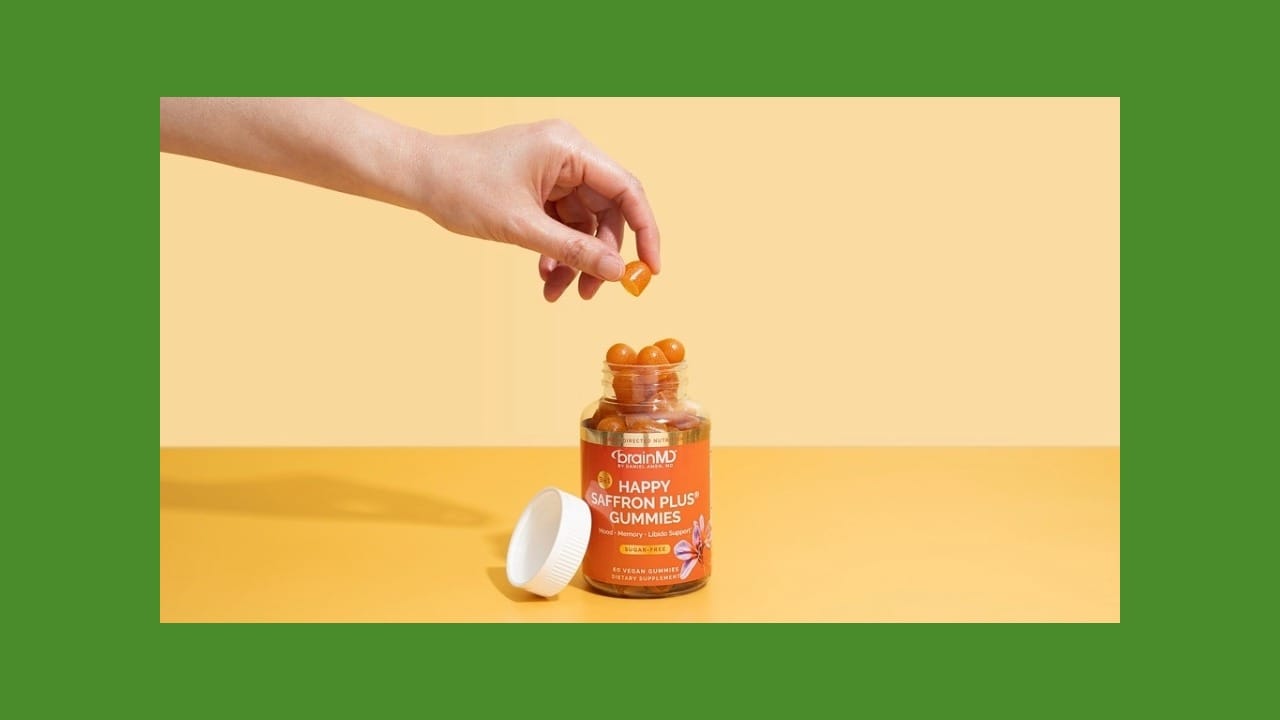
This trend towards user-friendly formats like gummies is a significant development in the dietary supplement market. It caters to a growing segment of consumers who may find traditional pills or capsules difficult to swallow or less appealing. The incorporation of well-researched ingredients like saffron and curcumin into these formats aims to provide consumers with both efficacy and an enjoyable consumption experience.
Industry Landscape: Challenges and Opportunities
The supplement industry is a complex ecosystem where ingredient suppliers, manufacturers, retailers, and consumers interact. The issues raised by Kaneka Nutrients’ ubiquinol testing highlight the critical need for robust quality control and transparency throughout the supply chain.
Timeline of Key Developments:
- May 2025: Kaneka Nutrients launches its ubiquinol testing initiative, aiming to identify and address products not meeting label claims.
- Ongoing: Kaneka Nutrients, in partnership with Eurofins, continues to test ubiquinol products sourced from Amazon, with initial findings revealing widespread discrepancies.
- Recent Announcements: Kaneka Nutrients shares updated results from its testing program, underscoring the ongoing nature of the problem.
- Concurrent Research: Studies on beetroot’s impact on athletic performance, including VO2 max and nitric oxide production, continue to yield positive results, reinforcing its role as a performance-enhancing ergogenic aid.
- Product Launches: Companies like BrainMD introduce new finished products, such as saffron and curcumin gummies, catering to evolving consumer preferences for convenient and palatable supplement formats.
Broader Industry Impact and Analysis:
The challenges in ubiquinol authenticity serve as a stark reminder of the importance of supplier vetting and independent third-party testing for supplement manufacturers. Companies that prioritize ingredient quality and invest in rigorous analytical testing are better positioned to maintain consumer trust and differentiate themselves in a competitive market.
Conversely, the ongoing positive research surrounding beetroot offers a significant opportunity for the supplement industry. As scientific understanding deepens, there is potential for increased demand for beetroot-based supplements, particularly among athletes and individuals seeking to improve cardiovascular health and exercise performance. Manufacturers can leverage this growing body of evidence to develop and market innovative beetroot products.
The dynamic nature of the supplement industry, characterized by both challenges like product authenticity and opportunities presented by scientific advancements, requires continuous vigilance and adaptation. For consumers, staying informed about ingredient quality, scientific research, and the practices of reputable brands is crucial for making sound health choices. The commitment to transparency and scientific integrity, as exemplified by Kaneka Nutrients’ initiative, remains a cornerstone for the sustainable growth and consumer confidence within the global nutraceutical market.
SupplySide Supplement Journal remains dedicated to reporting on these critical developments, fostering an environment of informed dialogue and encouraging innovation grounded in credible science. Companies with significant ingredient news, new clinical trial results, or upcoming product announcements are encouraged to reach out to the editorial team at [email protected] to share their contributions to the evolving supplement landscape.
