









The Endocrine Society has officially unveiled a comprehensive modernization of its communication infrastructure, signaling a strategic shift toward digital-first dissemination of medical knowledge to its global membership. In an era where clinical data and therapeutic breakthroughs emerge at an unprecedented pace, the Society is prioritizing the delivery of timely, accurate, and personalized information to empower its 18,000 members across 120 countries. This multi-channel approach integrates traditional editorial excellence with cutting-edge artificial intelligence and interactive networking platforms, ensuring that endocrine scientists and clinicians remain at the forefront of a rapidly evolving medical landscape.
The Digital Transformation of Endocrine News
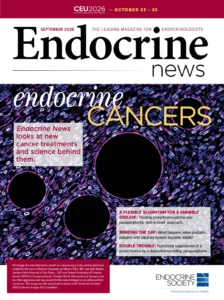
A cornerstone of this communication strategy is the evolution of Endocrine News, the Society’s flagship magazine. After decades as a print staple in medical offices and research labs, the publication is marking a significant milestone in mid-2024 by transitioning to a fully online-only format. This pivot reflects a broader trend within the medical publishing industry, where the demand for real-time updates often outpaces the production cycles of physical media.
Executive Editor Mark A. Newman has emphasized that the magazine’s primary strength lies in its direct access to the Society’s diverse membership, which includes some of the world’s leading experts in metabolism, thyroid health, oncology, and reproductive medicine. By moving to a digital platform, Endocrine News can now offer enriched content, including interactive data visualizations and direct links to primary research, while maintaining its focus on member achievements and organizational services. This transition is expected to reduce the Society’s carbon footprint and reallocate resources toward more dynamic content creation.
Peer-to-Peer Networking via EndoForum and Special Interest Groups
Recognizing that clinical expertise is often honed through peer collaboration, the Endocrine Society has expanded its exclusive networking platform, EndoForum. This secure digital environment serves as a virtual hub for professional exchange, allowing members to bypass the noise of public social media to focus on high-level clinical and scientific discourse.
The platform is structured into two primary divisions: "Discussions" and "Groups." In the "Discussions" section, clinicians frequently post complex case studies, seeking peer input on diagnostic challenges and treatment resistant pathologies. The "Groups" section houses the Society’s 12 Special Interest Groups (SIGs), which are specialized communities focusing on specific areas such as:
- Adrenal and Pituitary disorders
- Bone and Mineral Metabolism
- Diabetes and Metabolism
- Endocrine Neoplasia and Cancer
- Pediatric Endocrinology
- Reproductive Endocrinology
By facilitating these niche communities, the Society ensures that specialists can connect with global colleagues who share highly specific research interests or clinical passions, fostering international collaborations that might otherwise be hindered by geographic barriers.
Integrating Artificial Intelligence: The Endocrine Briefing
In response to the "information overload" frequently cited by medical professionals, the Society has introduced Endocrine Briefing, a unique e-newsletter that leverages artificial intelligence to curate personalized content. As medical literature expands—with thousands of papers published monthly across various endocrine journals—the AI-driven platform analyzes a member’s engagement patterns.
When a user interacts with specific topics, such as updates on GLP-1 receptor agonists or advancements in CRISPR-based gene therapies for hormonal disorders, the algorithm adapts. Future issues are then tailored to prioritize related research and practice headlines. This personalized curation allows clinicians to stay informed about the developments most relevant to their specific patient populations without having to manually sift through broader medical news.
Multimedia Engagement: Podcasts and Visual Media
The Society’s communication strategy extends beyond the written word, embracing the growing preference for audio and visual learning. The Endocrine Feedback Loop podcast has emerged as a critical educational tool, functioning as a monthly digital journal club. Each episode features a rotation of expert educators and topical specialists who "dissect" recently published research.
Recent episodes have addressed high-impact clinical questions, such as the efficacy of infrequent zoledronate administration in patients with low fracture risk, the sensory implications of semaglutide on taste perception, and innovative dosing strategies aimed at achieving remission in Graves’ disease. These discussions provide the "why" behind the data, helping clinicians translate abstract research into bedside practice.
Complementing this is the Endocrine News Podcast, which takes a broader view of the field. It tackles systemic issues, such as the SABRE Project’s influence on osteoporosis clinical trials and the ongoing challenge of the endocrine workforce shortage. Furthermore, the Society’s YouTube channel provides a visual dimension to these updates, offering meeting previews, summaries of scientific statements, and interviews with award-winning researchers.
Chronology of Communication Milestones
The current digital ecosystem is the result of over a century of organizational evolution. The following timeline illustrates the Society’s commitment to information dissemination:
- 1916: The Association for the Study of Internal Secretions (now the Endocrine Society) is founded, prioritizing the sharing of research.
- 1917: Launch of Endocrinology, the first official journal dedicated to the field.
- 1980s-90s: Expansion of clinical practice guidelines and the formalization of Endocrine News as a member magazine.
- 2010s: Introduction of the initial digital member portals and the launch of the Society’s first podcast series.
- 2020-2022: Accelerated digital adoption due to the COVID-19 pandemic, leading to the expansion of virtual meetings and webinars.
- 2024: The full transition of Endocrine News to a digital-only format and the integration of AI-curated newsletters.
Supporting Data and Global Context
The necessity for these robust communication channels is underscored by the rising global burden of endocrine-related diseases. According to the International Diabetes Federation, approximately 537 million adults were living with diabetes in 2021, a number expected to rise to 783 million by 2045. Similarly, the prevalence of thyroid disorders and obesity-related hormonal imbalances continues to climb globally.
Data from the Society indicates that its digital platforms see significant engagement from early-career members, who increasingly rely on mobile-friendly resources for continuing medical education (CME). Internal metrics show that the "Latest" section of the Society’s website and the Endocrine eNews weekly digest have become primary touchpoints for members to track legislative advocacy, research grant opportunities, and fellowship programs.
Advocacy and Organizational Transparency
The Endocrine Signals blog provides a monthly "deep dive" into the Society’s internal operations, offering transparency regarding how clinical practice guidelines are developed and how advocacy efforts are structured. This is particularly relevant as the Society engages with policymakers on issues such as insulin affordability, endocrine-disrupting chemicals (EDCs), and research funding through the National Institutes of Health (NIH).
By documenting the work of the teams heading up advocacy and education, the blog ensures that members understand the organizational mechanics behind the position statements and testimony provided to government bodies. This builds trust and encourages members to participate in the Society’s various advocacy campaigns.
Impact and Future Implications
The shift toward a highly integrated, AI-enhanced, and multimedia-rich communication strategy has profound implications for the future of endocrinology. By providing a centralized, authoritative source of information, the Endocrine Society is effectively combating medical misinformation and reducing the "bench-to-bedside" lag—the time it takes for new research to be implemented in clinical settings.
Furthermore, the emphasis on networking through EndoForum and social media platforms ensures that the global endocrine community remains cohesive. As the field moves toward personalized medicine and highly specialized therapies, the ability to instantly consult with a global network of peers becomes an essential component of high-quality patient care.
In conclusion, the Endocrine Society’s multi-faceted communication ecosystem—spanning from AI-curated briefs to in-depth expert podcasts—is designed to meet the diverse needs of the modern medical professional. By staying "armed with the latest knowledge," members are better positioned to achieve their professional goals and, ultimately, improve health outcomes for patients with endocrine disorders worldwide. The Society’s commitment to this digital evolution ensures that it will remain a pivotal influence in medical science for the next century and beyond.