






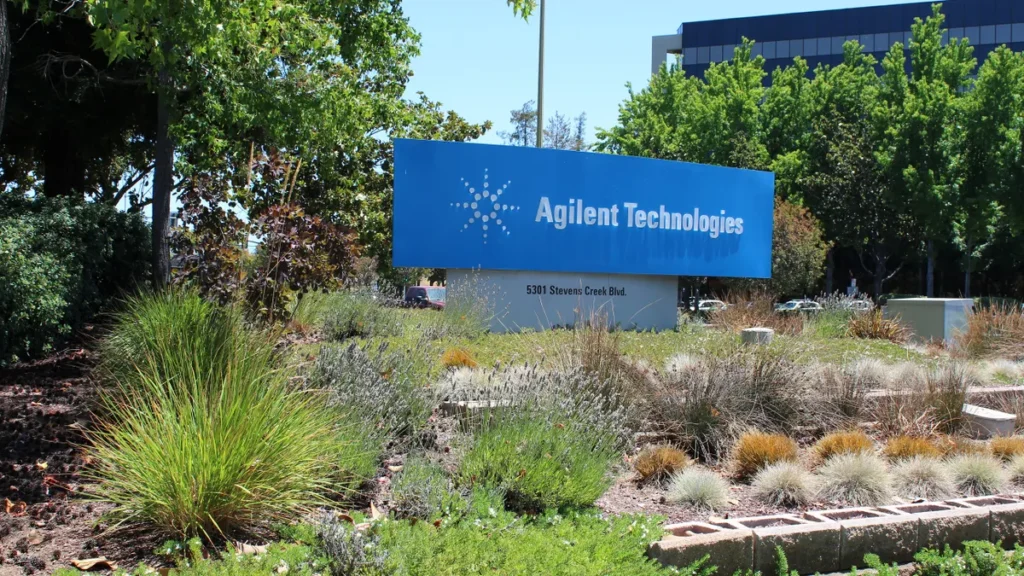
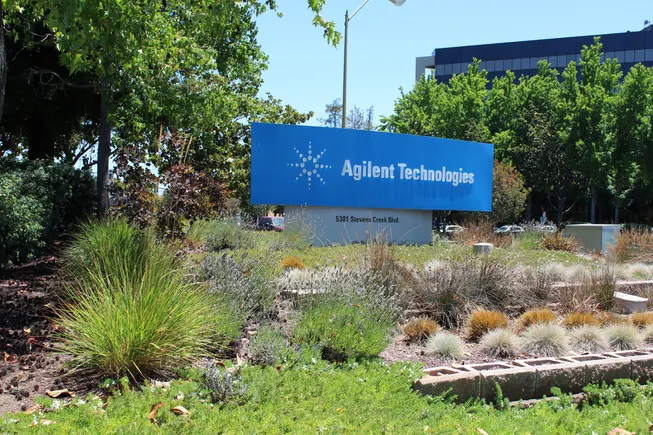
Agilent Technologies has announced a definitive agreement to acquire Proscia, a prominent provider of digital pathology software solutions, in a strategic move designed to bolster Agilent’s position in the rapidly evolving clinical diagnostics and life sciences markets. The acquisition marks a significant milestone in Agilent’s long-term strategy to integrate artificial intelligence (AI) and cloud-based workflows into its pathology portfolio, effectively bridging the gap between traditional tissue-based diagnostics and modern data-driven medicine. By incorporating Proscia’s advanced software platform, Agilent aims to provide a more comprehensive ecosystem for laboratories and pharmaceutical companies, facilitating the transition from physical glass slides to digital imaging and automated analysis.
The acquisition of Proscia is viewed by industry observers as a logical progression for Agilent, which has spent the last decade strengthening its diagnostic capabilities. While the financial terms of the deal were not fully disclosed, analysts at Evercore described the transaction as a "small deal in the overall scheme of things" for a company of Agilent’s size, yet one that "fits in very well" with its existing infrastructure. Proscia, headquartered in Philadelphia, has established a formidable presence in the market, serving more than 4,000 laboratories, hospitals, and clinics worldwide. Its reach extends deep into the life sciences sector, with its software utilized by 16 of the top 20 global pharmaceutical companies to accelerate drug discovery and development.
Strategic Integration and the Dako Synergy
A primary driver behind this acquisition is the potential for immediate cross-selling opportunities within Agilent’s established customer base. Agilent’s 2012 acquisition of Dako, a Danish cancer diagnostics firm, for approximately $2.2 billion, provided the company with a leading position in reagents, instruments, and software for tissue-based cancer diagnostics. By acquiring Proscia, Agilent can now offer its existing Dako customers a seamless digital upgrade path.

The integration of Proscia’s Concentriq platform—a flagship image management system—with Agilent’s pathology scanners and reagents creates an end-to-end workflow. This synergy allows pathologists to move away from the limitations of manual microscopy toward a digital environment where images can be shared instantly across geographies for second opinions, archived with ease, and analyzed using sophisticated AI algorithms. Evercore analysts noted that Agilent’s extensive sales channels will likely accelerate Proscia’s growth, which has already exceeded 20% annually over the past year.
Financial Performance and Market Position
Proscia enters the Agilent fold as a high-growth, high-margin software business. Over the past 12 months, the company generated revenues exceeding $18 million. While this represents a fraction of Agilent’s multi-billion-dollar annual revenue, the strategic value lies in the software-as-a-service (SaaS) model. Unlike hardware-centric businesses, software platforms like Proscia’s carry healthy gross margins and provide recurring revenue streams.
The digital pathology sector is currently undergoing a period of intense transformation. Historically, the field was dominated by a few major players, including Roche, Leica Biosystems (a Danaher company), and Philips. By acquiring Proscia, Agilent positions itself as a direct competitor to Roche’s digital pathology suite, particularly in the realm of precision medicine and companion diagnostics. As pharmaceutical companies increasingly rely on complex biomarkers to determine patient eligibility for targeted therapies, the ability to digitize and quantify these biomarkers becomes a competitive necessity.
The Technological Shift: From Glass to Pixels
The core of Proscia’s value proposition is the Concentriq platform, which serves as a central hub for laboratory operations. In traditional pathology, a biopsy sample is processed, stained, and placed on a glass slide for a pathologist to view under a microscope. This process is inherently analog and prone to subjective interpretation. Digital pathology involves scanning these slides at high resolution to create "whole slide images" (WSIs).
Proscia’s software does more than just display these images; it provides a framework for AI-based computational pathology. These AI tools can assist pathologists by automatically identifying regions of interest, counting cells, and grading tumors with a level of precision and reproducibility that exceeds human capability. Padraig McDonnell, CEO of Agilent, emphasized that this acquisition establishes a platform "for scientific intelligence in tissue-based precision medicine, connecting data generation with AI-based interpretation."
A Chronology of Collaboration
The acquisition is the culmination of a multi-year relationship between the two entities. Agilent’s interest in the digital pathology space was clearly signaled in 2020 when it signed a co-promotion agreement with Visiopharm, a Danish image analysis software company. However, the relationship with Proscia intensified in 2023 when the two companies announced a global distribution pact.
Under the 2023 agreement, Agilent began offering Proscia’s Concentriq software alongside its own hardware solutions. The success of this partnership likely provided the due diligence necessary for Agilent to move forward with a full acquisition. By bringing the technology in-house, Agilent can more tightly integrate the software with its future hardware roadmap and ensure that its AI development remains proprietary and optimized for its specific diagnostic assays.
Addressing the Global Pathologist Shortage
Beyond the technological and financial advantages, the acquisition addresses a critical macro-economic challenge in the healthcare sector: a global shortage of trained pathologists. In many regions, the number of pathologists is declining even as the volume and complexity of cancer cases increase due to aging populations.
Digital pathology enables "telepathology," allowing a specialist in New York to review a slide from a rural clinic in real-time. Proscia’s platform is designed to optimize these distributed workflows, reducing the turnaround time for critical diagnoses. For Agilent, providing solutions that increase laboratory efficiency is a key selling point in a market where healthcare providers are under constant pressure to reduce costs while improving patient outcomes.
Implications for Pharmaceutical Research and Development
While much of the focus is on clinical diagnostics, Proscia’s influence in the pharmaceutical industry is equally significant. In the pre-clinical and clinical trial phases of drug development, digital pathology is used to analyze tissue responses to new compounds. Proscia’s platform allows research teams spread across different global sites to collaborate on the same datasets, ensuring consistency in how pathology data is interpreted during a trial.

Agilent’s leadership views this as an opportunity to deepen its ties with the "top 20" pharmaceutical companies. By owning the software that these companies use for R&D, Agilent can better align its diagnostic development with the next generation of blockbuster drugs. This creates a feedback loop where the tools used in the lab during drug discovery eventually become the diagnostic standards used in the clinic once the drug is approved.
Regulatory Landscape and Future Outlook
The field of digital pathology is heavily regulated, with agencies such as the U.S. Food and Drug Administration (FDA) and the European Medicines Agency (EMA) requiring rigorous validation of digital systems before they can be used for primary diagnosis. Proscia has been proactive in securing these clearances, which adds a layer of "moat" around its business.
Agilent expects the transaction to close early in its 2027 fiscal year, which begins on November 1, 2026. This timeline suggests a structured integration period during which Agilent will likely focus on aligning Proscia’s engineering teams with its own R&D departments.
The move is expected to be neutral to Agilent’s earnings in the short term but accretive in the long run as the adoption of digital pathology reaches a tipping point. Industry analysts predict that the digital pathology market will grow at a compound annual growth rate (CAGR) of over 10% through 2030, driven by AI advancements and the increasing prevalence of chronic diseases.
Industry Reaction and Competitive Analysis
The broader industry reaction to the deal has been positive, with many viewing it as a necessary step for Agilent to remain relevant in the "lab of the future." Competitors like Roche and Danaher have already made significant investments in digital ecosystems, and Agilent’s move ensures it is not left behind in the hardware-to-software transition.
Analysts have noted that the acquisition might also spark further M&A activity in the space, as other mid-sized life sciences firms look to bolster their software portfolios. The focus on "scientific intelligence" and "tissue-based precision medicine" highlighted by McDonnell reflects a broader trend where data, rather than just the physical test, is becoming the most valuable asset in the diagnostic chain.
In conclusion, Agilent’s acquisition of Proscia represents a strategic pivot toward a digital-first future. By combining its heritage in high-quality diagnostic hardware and reagents with Proscia’s market-leading software and AI capabilities, Agilent is positioning itself at the center of the precision medicine revolution. The deal not only promises to enhance clinical workflows and pharmaceutical R&D but also secures Agilent’s role as a primary architect of the modern, digitized pathology laboratory. As the deal moves toward its expected close in late 2026, the industry will be watching closely to see how this integration reshapes the competitive landscape of cancer diagnostics.