










The landscape of American biomedical research and public health policy is currently facing a series of transformative challenges and opportunities, prompted by new federal regulatory proposals and legislative movements. At the center of these developments is the Endocrine Society, a leading global organization representing thousands of physicians and scientists. The Society is currently engaged in a multi-front advocacy campaign addressing a controversial proposal from the Office of Management and Budget (OMB), the advancement of the bipartisan INSULIN Act in the United States Senate, and the rollout of a new Medicare program designed to expand access to weight-management medications. These initiatives represent a pivotal moment for the intersection of scientific integrity, healthcare affordability, and administrative oversight in the United States.
Regulatory Overhaul: The OMB Proposal and the Threat to Scientific Merit
On May 29, the Office of Management and Budget (OMB) introduced a set of sweeping changes to the Uniform Guidance, the foundational set of rules governing all federal grant funding. While the OMB often updates these guidelines to streamline administrative processes, the current proposal has sparked significant alarm within the scientific community. If finalized in its current form, the rule would fundamentally alter the mechanism by which biomedical research, including endocrine science, is funded, managed, and disseminated in the U.S.
The core of the Endocrine Society’s opposition rests on the potential for political interference in what has traditionally been a merit-based peer-review process. Under the proposed rule, political appointees within federal agencies would be granted the authority to block grant awards that do not align with the specific priorities of the sitting administration. This shift marks a departure from the "Gold Standard" of American research, where funding is historically allocated based on the scientific significance, methodology, and potential impact of a project as determined by experts in the field.

Furthermore, the proposed rule would empower federal agencies to terminate existing grants at any time without a formal appeals process. For researchers, this creates an environment of profound instability. Longitudinal studies, which are essential in endocrinology for understanding chronic conditions like diabetes or thyroid disorders, require years of consistent funding. The threat of arbitrary termination could discourage scientists from pursuing high-risk, high-reward research. Additionally, the rule proposes new restrictions on publication costs and international collaborations. In an era where global cooperation is vital for addressing pandemics and environmental endocrine disruptors, these restrictions could isolate American scientists and slow the pace of global medical innovation.
The Endocrine Society has formally called for the withdrawal of the rule, arguing that it undermines the foundational principles of scientific independence. The Society is currently mobilizing its membership to submit public comments and is urging Congress to exercise its oversight authority to prevent the implementation of these changes.
Chronology of the OMB Rulemaking Process
The timeline for the OMB’s proposed changes has moved rapidly, reflecting an administration-wide push to finalize regulatory adjustments before the end of the calendar year. Following the May 29 announcement, a public comment period was opened, providing a narrow window for stakeholders to voice concerns. The Endocrine Society has been proactive during this period, developing comprehensive technical comments that highlight the specific risks to the endocrine research pipeline.
Historically, federal grant rules have been designed to ensure transparency and accountability. However, the 2024 proposal represents one of the most significant shifts toward centralized executive control over research expenditures in decades. The scientific community remains concerned that if these rules are codified, they could set a precedent for future administrations to further politicize the distribution of federal resources, regardless of the scientific value of the work.
The Legislative Push for Insulin Affordability: The INSULIN Act
Parallel to its regulatory advocacy, the Endocrine Society is leading a high-stakes effort to pass the INSULIN Act, a bipartisan piece of legislation aimed at addressing the skyrocketing costs of life-saving insulin. Introduced by Senators Jeanne Shaheen (D-NH) and Susan Collins (R-ME), the co-chairs of the Senate Diabetes Caucus, the bill seeks to provide a comprehensive solution to a crisis that affects millions of Americans.
The INSULIN Act proposes a $35 monthly cap on out-of-pocket costs for insulin for individuals with private insurance. This follows the success of the Inflation Reduction Act, which implemented a similar cap for Medicare beneficiaries. However, the current legislative push aims to close the gap for those not covered by government programs. Additionally, the bill includes provisions for a pilot program in 10 states specifically designed to assist the uninsured, a demographic that often faces the full, unmitigated list price of insulin, which can exceed $300 per vial.
As of late June, the legislation has gained significant momentum, boasting 28 bipartisan cosponsors. This growth in support is a direct result of sustained advocacy from medical professionals and patient advocacy groups who have highlighted the dire consequences of insulin rationing. According to data from the Centers for Disease Control and Prevention (CDC), approximately 16.5% of people with diabetes who use insulin have reported rationing the medication due to cost, a practice that can lead to ketoacidosis, organ failure, and death.
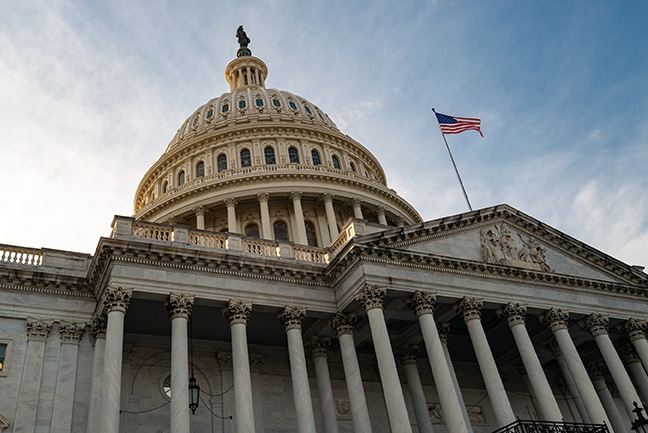
Congressional Deliberations and the Sanders Amendment
The path to passing the INSULIN Act has not been without procedural hurdles. During a recent markup session of the Senate Health, Education, Labor, and Pensions (HELP) Committee, Senator Bernie Sanders (I-VT) introduced an amendment to attach the INSULIN Act to a broader package of health legislation. The amendment was approved by the committee in a bipartisan vote, signaling strong legislative appetite for the measure.
However, the momentum faced a temporary setback when Senator Bill Cassidy (R-LA), the Ranking Member of the HELP Committee, raised concerns regarding the long-term fiscal impact of the bill. Chairman Cassidy postponed a final vote on the overall legislative package, stating a need for more detailed information from the Congressional Budget Office (CBO) regarding the cost of the subsidies and the pilot program. Despite this delay, Cassidy indicated an openness to reconsidering the legislation during a future markup session scheduled for July.
The Endocrine Society continues to work closely with the Senate Diabetes Caucus to address these fiscal concerns and ensure the bill moves to the Senate floor. The Society has also coordinated a joint letter with other major diabetes organizations, emphasizing that the long-term savings to the healthcare system—accrued by preventing expensive emergency room visits and complications—far outweigh the initial costs of the legislation.
Expanding Access: The Medicare GLP-1 Bridge Program
In a significant victory for obesity medicine, the Centers for Medicare and Medicaid Services (CMS) officially launched the Medicare Bridge Program on July 1. This program is designed to provide eligible Medicare Part D beneficiaries with access to certain Glucagon-like peptide-1 (GLP-1) receptor agonists for weight loss at a significantly reduced co-pay of $50.
For years, Medicare was prohibited by law from covering medications used specifically for weight loss, a policy dating back to the 1990s when such treatments were often viewed as "lifestyle" drugs. However, the emergence of highly effective GLP-1 medications, such as semaglutide and tirzepatide, has shifted the clinical perspective. Obesity is now widely recognized as a complex, chronic disease with significant endocrine implications, and the Endocrine Society has been a vocal proponent of expanding coverage for these treatments.
To qualify for the Bridge Program, beneficiaries must meet specific clinical criteria, including a certain Body Mass Index (BMI) threshold and the presence of at least one weight-related comorbidity, such as hypertension or obstructive sleep apnea. Healthcare providers are required to submit a prior authorization request attesting that the patient meets these standards. This program serves as a critical "bridge" while advocates continue to push for the permanent passage of the Treat and Reduce Obesity Act (TROA), which would permanently lift the Medicare ban on weight-loss medication coverage.
Analysis of Broader Impacts and Implications
The convergence of these three issues—the OMB rule, the INSULIN Act, and the GLP-1 Bridge Program—illustrates the increasing role of federal policy in the day-to-day practice of medicine. For endocrinologists, the outcome of these battles will determine the resources available for research, the affordability of treatments they prescribe, and the clinical guidelines they follow.
The fight against the OMB rule is essentially a fight for the future of scientific inquiry. If research becomes a tool of political preference, the United States risks losing its position as a global leader in medical innovation. The loss of a formal appeals process for grant termination could lead to a "brain drain," where top-tier researchers move to the private sector or international institutions to find more stable funding environments.
Regarding the INSULIN Act, the legislative outcome will serve as a bellwether for bipartisan cooperation in a polarized Congress. If a $35 cap can be successfully implemented for the private market, it could pave the way for similar price-capping measures for other essential medications, fundamentally altering the economics of the pharmaceutical industry.
Finally, the Medicare Bridge Program for GLP-1s represents a landmark shift in how the federal government perceives and treats obesity. By providing a pathway for coverage, CMS is acknowledging the medical necessity of weight management in preventing more severe endocrine and cardiovascular diseases. This move is expected to put pressure on private insurers to follow suit, potentially leading to a broader standardization of obesity treatment coverage across the U.S. healthcare system.
The Endocrine Society remains committed to navigating these complex policy waters. Through its online advocacy campaigns and educational sessions, such as the upcoming Clinical Endocrinology Update (CEU), the Society aims to empower its members to be active participants in the democratic process. As the July legislative markups approach and the OMB rule moves toward its final stages, the involvement of the scientific and medical community will be more critical than ever in shaping the future of healthcare and research in America.