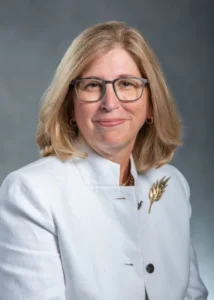







The Endocrine Society has officially announced Katrin Svensson, PhD, as the recipient of the 2026 Richard E. Weitzman Outstanding Early Career Investigator Award, one of the most prestigious honors in the field of endocrinology. Dr. Svensson, an associate professor in the Department of Pathology at Stanford University, is being recognized for her transformative work in identifying novel endocrine signaling pathways that regulate metabolic homeostasis. This annual laureate award is specifically designed to highlight the contributions of young clinical or basic investigators whose research demonstrates exceptional promise and is poised to leave a lasting legacy on the understanding of hormone systems.
Dr. Svensson’s selection reflects a career dedicated to uncovering what she describes as the "hidden conversations" between cells. Her work focuses on how different organs communicate through secreted peptides and signaling molecules to regulate hunger, energy expenditure, and blood glucose levels. As the Metabolic Core Director and Affinity Group Leader at the Stanford Diabetes Research Center, Dr. Svensson has bridged the gap between fundamental mechanistic science and clinical application, positioning her at the forefront of the global effort to combat the escalating crises of obesity and Type 2 diabetes.
A Legacy of Excellence: The Richard E. Weitzman Award
The Richard E. Weitzman Outstanding Early Career Investigator Award serves as a benchmark for excellence within the Endocrine Society, an organization that represents more than 18,000 scientists and clinicians worldwide. Established to honor the memory of a brilliant young investigator, the award targets those who are in the early stages of their faculty careers but have already demonstrated a high level of originality and impact.
By naming Dr. Svensson as the 2026 laureate, the Society acknowledges the difficulty and importance of "curiosity-driven discovery." Unlike research that focuses on well-established pathways, Dr. Svensson’s laboratory often pursues biology that is poorly understood, making the acquisition of funding and academic traction particularly challenging. The award serves not only as a personal achievement for Dr. Svensson but as a validation of the necessity for fundamental mechanistic research in an era often dominated by incremental clinical studies.
Academic Evolution: From Oncology to Endocrinology
Dr. Svensson’s journey to the pinnacle of endocrine research began in Sweden, where she earned both her Master of Science and her PhD from Lund University. Her early academic focus was not on metabolism, but on the tumor microenvironment. Beginning in 2007, her doctoral research examined angiogenesis—the process through which tumors develop new blood vessels to facilitate growth. This work provided her with a foundational understanding of cell-to-cell communication and how signaling molecules can alter physiological states.
The transition from oncology to endocrinology occurred during her postdoctoral training at Harvard Medical School. In 2013, she joined the laboratory of Bruce Spiegelman, PhD, a world-renowned expert in adipose tissue biology and metabolism. Under Spiegelman’s mentorship, Dr. Svensson began to explore how the signaling mechanisms she observed in tumors functioned across the entire body in a physiological context. She became fascinated by the idea that there were undiscovered endocrine systems—entire networks of peptides and hormones—that remained "hidden" from modern science.
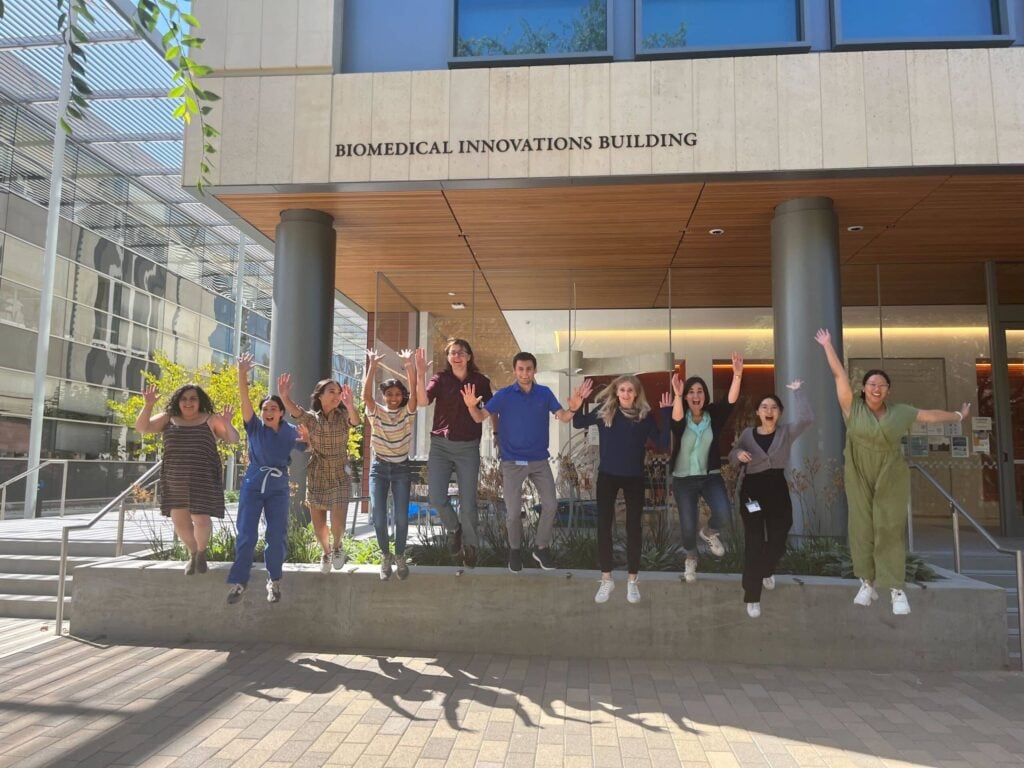
In 2018, Dr. Svensson joined the faculty at Stanford University, where she established her own laboratory. Her tenure at Stanford has been marked by a rapid series of breakthroughs that have redefined the landscape of metabolic signaling. By shifting her focus from how cells communicate within a localized tumor to how organs communicate across the systemic architecture of the human body, she has opened new frontiers in therapeutic development.
Breakthrough Discoveries: Isthmin-1 and BRP
At the heart of Dr. Svensson’s recognition are two major discoveries that have significant implications for the treatment of metabolic disorders. The first is the identification of Isthmin-1 (ISM1), a secreted protein that her laboratory found to be a potent regulator of glucose uptake and lipid metabolism. Crucially, Isthmin-1 operates through a pathway that is independent of insulin.
In the context of the global diabetes epidemic, where insulin resistance is a primary hallmark of disease progression, the discovery of a non-insulin-dependent glucose regulator is of monumental importance. Data from the World Health Organization (WHO) indicates that over 422 million people worldwide suffer from diabetes, with the vast majority having Type 2. Dr. Svensson’s work on Isthmin-1 suggests a potential alternative route for lowering blood sugar in patients whose bodies no longer respond effectively to insulin.
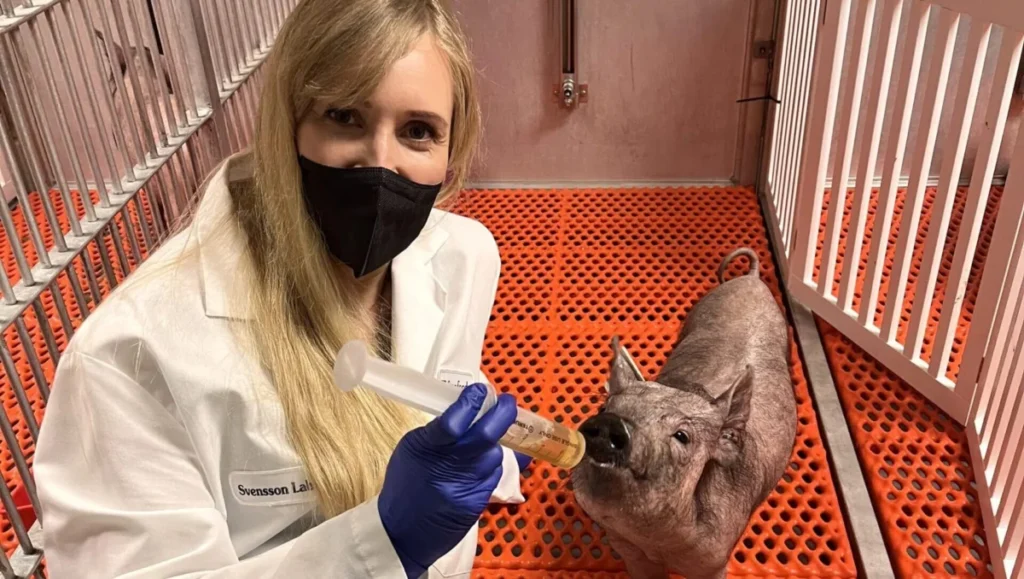
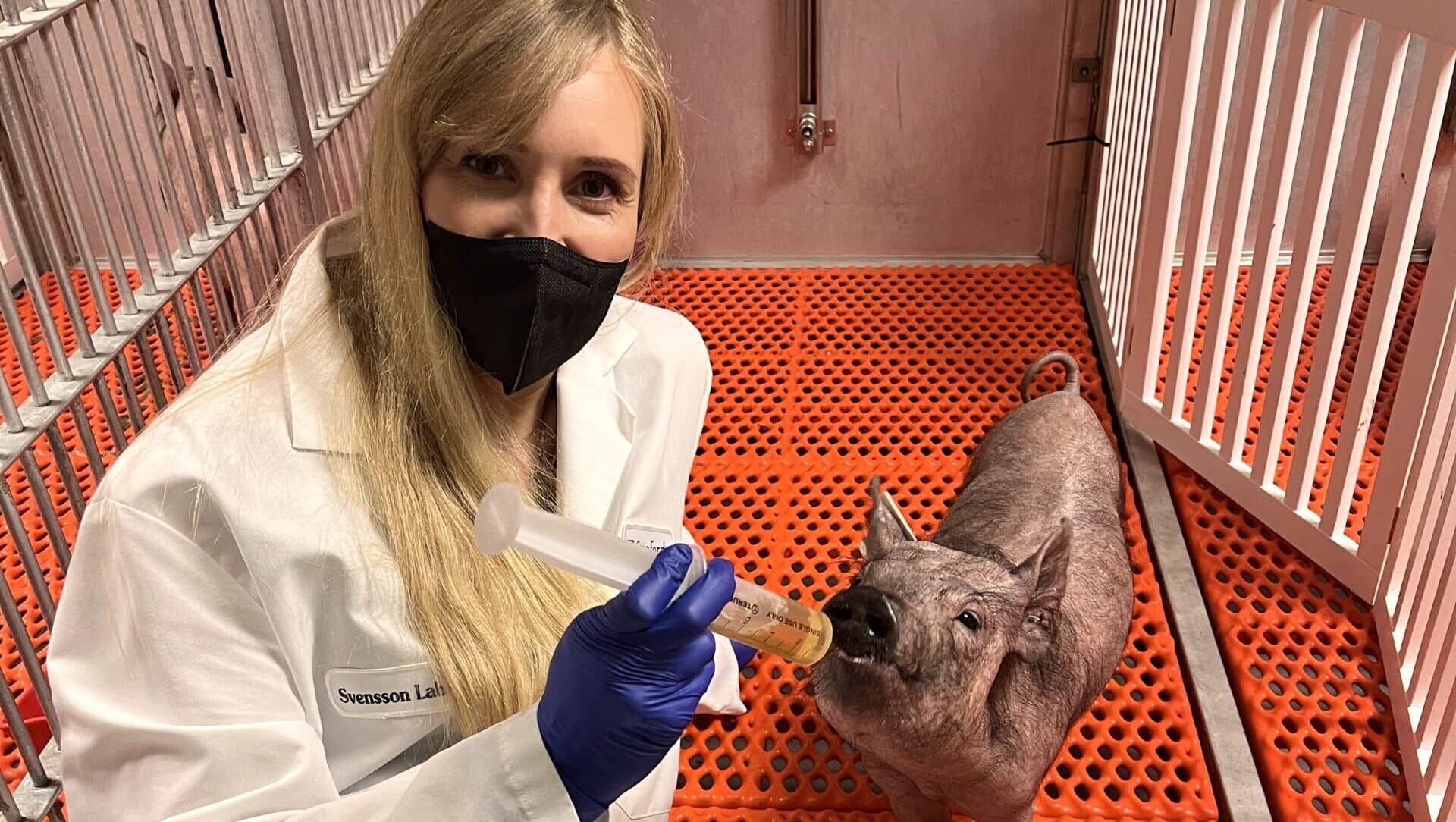
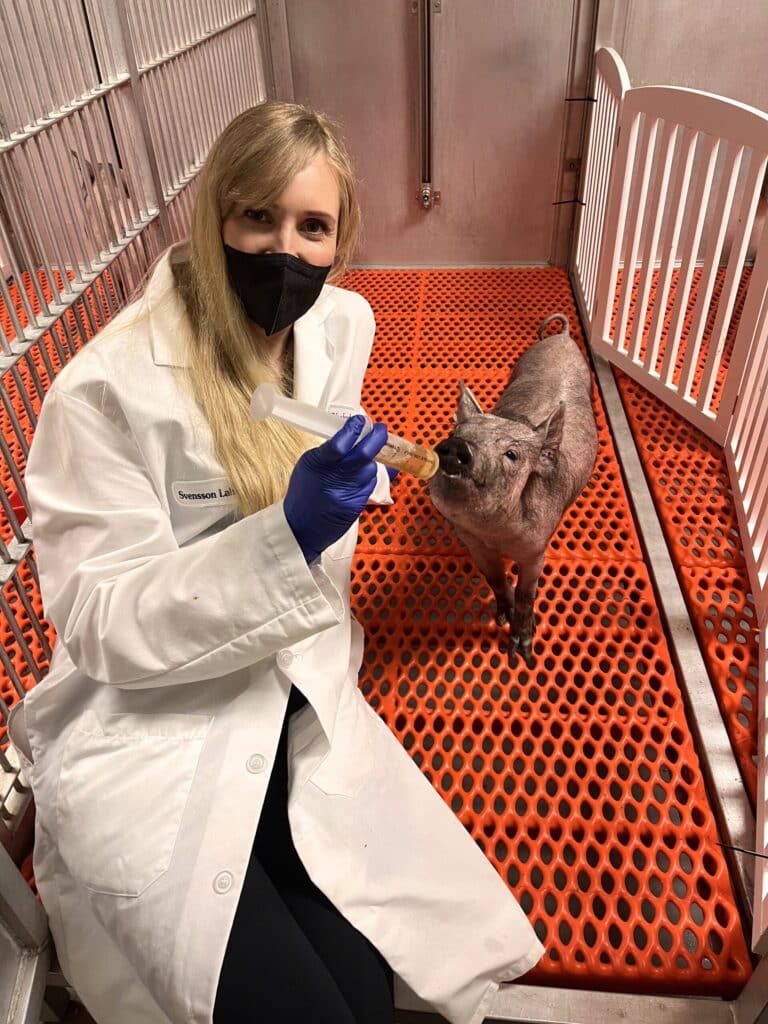
The second major breakthrough is the discovery of the BRINP2-related peptide (BRP), a non-incretin anti-obesity peptide. Current market leaders in anti-obesity medication, such as GLP-1 receptor agonists, have revolutionized the field but do not work for all patients and can carry significant gastrointestinal side effects. BRP represents a different class of signaling molecules that regulates appetite and metabolic rate. Preliminary testing in animal models, including studies involving piglets, has demonstrated that BRP can significantly reduce appetite, offering a promising new target for pharmacological intervention in obesity.
Computational Innovation and the Future of Peptide Discovery
Dr. Svensson’s lab is distinguished not only by its biological discoveries but also by its methodological innovations. Recognizing that traditional methods of hormone discovery are slow and labor-intensive, her group developed advanced computational methods to predict new peptides and ligand-receptor pairs. By integrating bioinformatics with experimental validation, the Svensson Lab has accelerated the identification of novel endocrine pathways.
This "organized thinking" approach allows the team to scan the human proteome for potential signaling molecules that have previously been overlooked. The ability to predict which peptides are likely to function as hormones allows the lab to focus its resources on the most promising candidates, effectively creating a roadmap for the future of endocrinology.
Translating Science into Therapy: Merrifield Therapeutics
A key criterion for the Weitzman Award is the potential for a lasting impact on the field, and Dr. Svensson has ensured this impact through the co-founding of Merrifield Therapeutics. This biotech startup is dedicated to the clinical translation of her laboratory’s findings. With two patents already licensed to the company, the goal is to move Isthmin-1 and BRP through the rigorous process of drug development and clinical trials.
The transition from "bench to bedside" is a notorious challenge in biomedical research, often referred to as the "valley of death." However, Dr. Svensson’s dual role as a researcher and an entrepreneur positions her to navigate this gap. By focusing on translating fundamental endocrinology into therapeutic targets, she is addressing a critical need for new classes of drugs that can treat obesity and diabetes with greater precision and fewer side effects.
Leadership and Mentorship in the Modern Laboratory
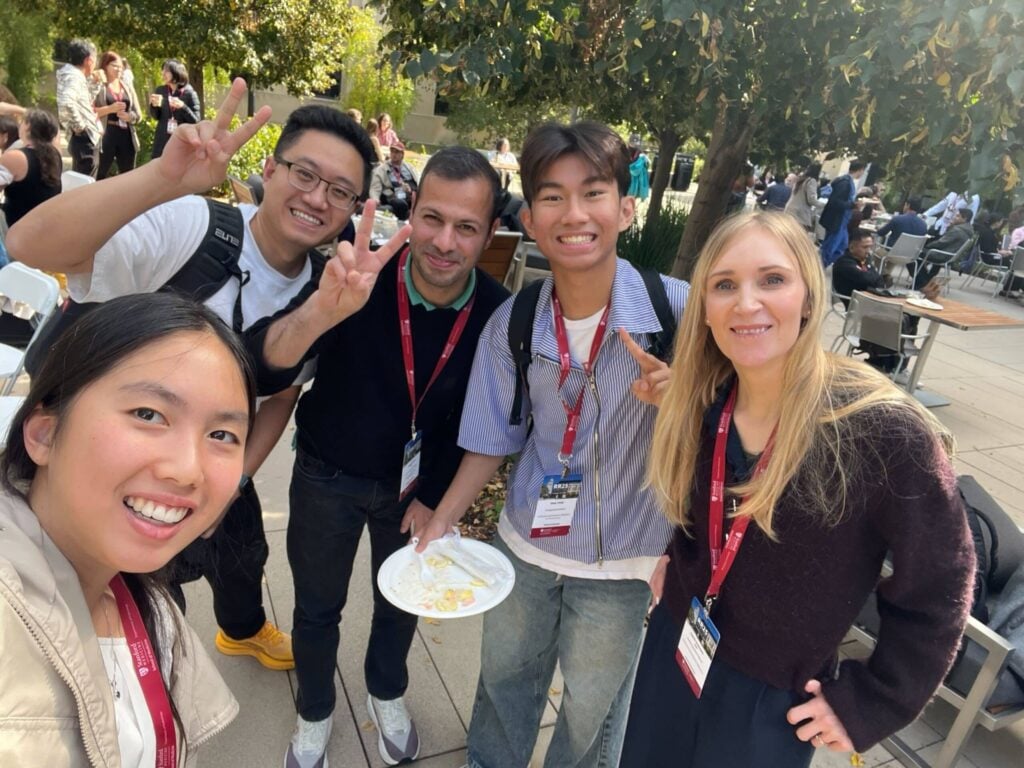
Beyond her scientific achievements, Dr. Svensson is recognized for her leadership of a diverse team of postdoctoral fellows, graduate students, and undergraduates. Her philosophy of mentorship emphasizes persistence and the courage to pursue exploratory projects. In an academic environment that often rewards "safe" science, she encourages her trainees to follow unexpected data and adapt when biology contradicts their initial hypotheses.
She advocates for a highly organized approach to scientific inquiry, advising young investigators to focus on the most critical biological questions rather than performing experiments simply because they are technically feasible. This strategic mindset is what she believes allows a lab to remain productive even when experiments fail or progress seems slow.
Broader Impact and Global Health Implications
The recognition of Dr. Svensson’s work comes at a time when the global healthcare system is under immense pressure from metabolic diseases. Obesity rates have nearly tripled since 1975, and the complications arising from these conditions—including cardiovascular disease, kidney failure, and non-alcoholic fatty liver disease—account for a significant portion of global healthcare expenditures.
The work being done in the Svensson Lab offers a glimpse into a future where metabolic disease is managed through a sophisticated understanding of the body’s natural signaling systems. By uncovering the "hidden" hormones that regulate our physiology, Dr. Svensson is providing the tools necessary for the next generation of precision medicine.
As the 2026 Laureate of the Richard E. Weitzman Outstanding Early Career Investigator Award, Katrin Svensson stands as a representative of the next wave of scientific leaders. Her commitment to curiosity-driven discovery, combined with her prowess in computational biology and clinical translation, ensures that her contributions to endocrinology will be felt for decades to come. The Endocrine Society’s honor serves as both a milestone in her distinguished career and a beacon for other young investigators seeking to solve the most complex mysteries of human biology.