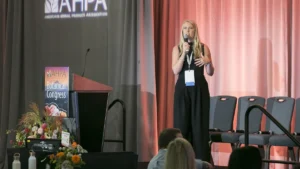





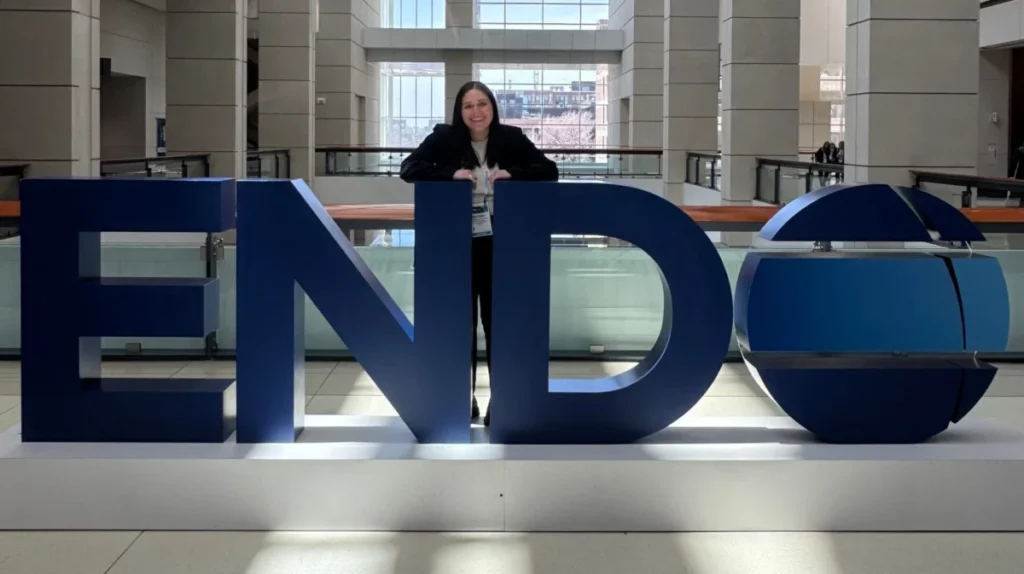
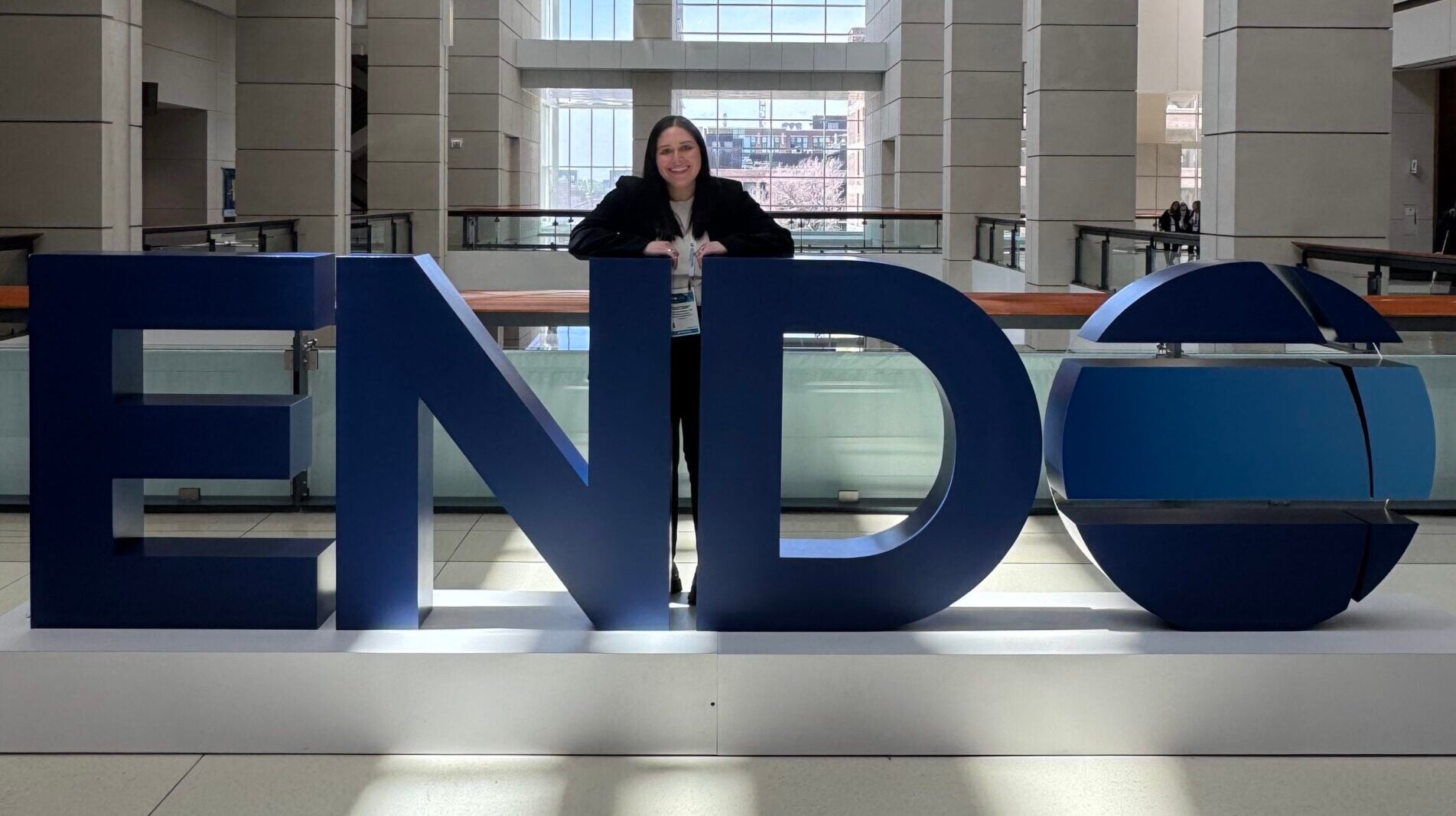
The annual meeting of the Endocrine Society, known as ENDO, serves as a global stage for the latest breakthroughs in hormone research and clinical practice, but few segments capture the urgency and innovation of the field like the Rising Star Power Talks. At ENDO 2026, held in Chicago, Illinois, Brittany Weisbrot, an internal medicine resident at Loyola University Medical Center, emerged as a standout figure, securing the top honor in the Clinical Science category. Her presentation, which distilled complex physiological interactions into a high-impact three-minute brief, addressed a rare diagnostic intersection involving post-bariatric surgery complications, insulin autoimmune syndrome, and the role of estrogen in metabolic health. This recognition highlights the critical role of early-career researchers in identifying "medical zebras"—rare conditions that mimic more common ailments—and pushing the boundaries of multidisciplinary endocrine care.
The Mechanics of the Rising Star Power Talks
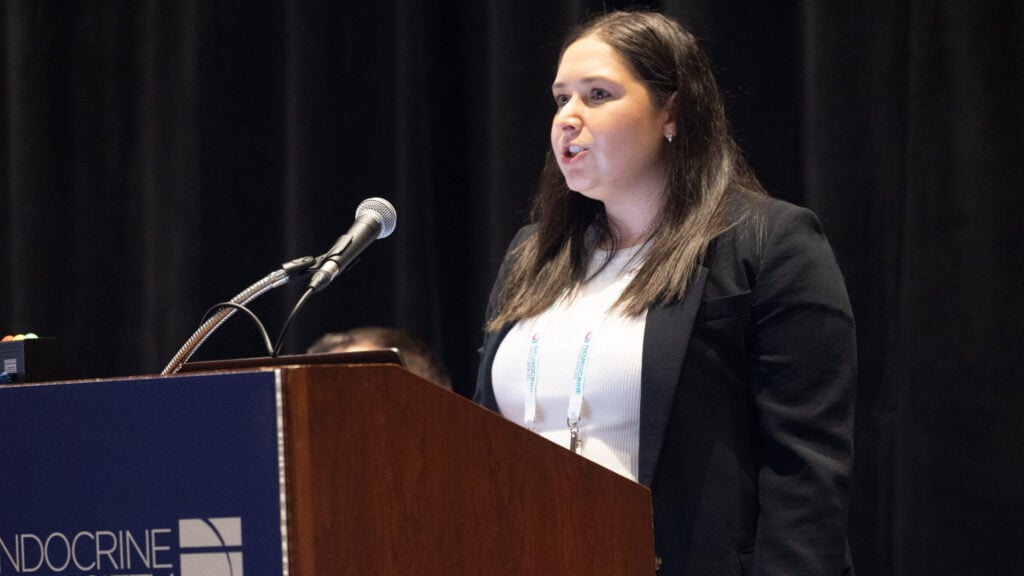
The Rising Star Power Talks represent a departure from traditional, long-form academic lectures, adopting a format similar to the "Three Minute Thesis" (3MT) competitions used in global research institutions. The stakes are uniquely high for participants: each researcher is allotted exactly 180 seconds to present their findings, supported by a single, auto-advancing slide deck. This "blitz" style demands not only a profound understanding of the scientific data but also exceptional communication skills, as the presenter must bridge the gap between technical nuance and narrative clarity.
Following the three-minute presentation, the researcher must endure a two-minute rapid-fire question-and-answer session with a panel of expert judges and an audience comprising senior mentors, peers, and global leaders in endocrinology. The 2026 competition featured a diverse array of topics across the spectrum of hormonal science. Alongside Weisbrot’s Clinical Science victory, Lila Dabill of Washington University took the Basic Science award, Dillon Boulton of the University of Colorado won for Translational Science, and Konstantinos Stefanakis of Harvard Medical School received the Audience Choice award. These winners represent the next generation of physician-scientists tasked with solving the rising global burden of metabolic and endocrine disorders.

A Diagnostic Puzzle: The Intersection of IAS and Estrogen
Weisbrot’s award-winning research centered on a complex clinical case that challenged existing paradigms of post-surgical hypoglycemia. Her patient, a woman who had undergone bariatric surgery 15 years prior, presented with new-onset and recurrent hypoglycemia. In clinical practice, such symptoms are frequently attributed to post-bariatric hypoglycemia (PBH), a known complication characterized by exaggerated insulin responses to carbohydrate intake. However, the cyclical nature of the patient’s symptoms led Weisbrot and her team to look beyond the obvious diagnosis.
The investigation revealed that the patient suffered from Insulin Autoimmune Syndrome (IAS), also known as Hirata disease. IAS is an exceptionally rare condition in Western populations, though more common in East Asia. It is characterized by the presence of autoantibodies against endogenous insulin, which lead to erratic and often severe episodes of low blood sugar. What distinguished Weisbrot’s case study was the discovery of a potential hormonal trigger: the patient possessed bilateral ovarian fibromas and cystadenomas, which resulted in markedly elevated estradiol levels.
The research demonstrated a clear correlation between the patient’s estrogen levels and her hypoglycemic episodes. Following a bilateral oophorectomy to remove the ovarian masses, the patient’s estradiol levels normalized, her insulin autoantibodies disappeared, and the hypoglycemia resolved completely. This finding suggests a provocative link between high-estrogen states and the induction of insulin autoimmunity, providing a new lens through which clinicians can view the relationship between sex hormones and autoimmune-mediated metabolic dysfunction.
Supporting Data and Medical Context
To understand the significance of Weisbrot’s research, one must consider the broader context of bariatric outcomes and autoimmune epidemiology. According to the American Society for Metabolic and Bariatric Surgery (ASMBS), approximately 250,000 bariatric procedures are performed annually in the United States. While these surgeries are highly effective for weight loss and type 2 diabetes remission, long-term complications like PBH occur in approximately 1% to 2% of patients. Because PBH is relatively common in this demographic, rare causes of hypoglycemia like IAS are often overlooked, leading to delayed diagnosis and potentially dangerous patient outcomes.
Furthermore, the role of estrogen in autoimmunity is a burgeoning area of study. Statistics from the National Institutes of Health (NIH) indicate that nearly 80% of autoimmune disease patients are women. Estrogen is known to modulate immune responses, often enhancing the production of antibodies. By documenting a case where the removal of an estrogen-secreting tumor led to the resolution of an autoimmune-driven metabolic crisis, Weisbrot has contributed a vital data point to the ongoing study of how sex-specific hormones influence the pathogenesis of rare diseases.
Chronology of the Discovery and Recognition
The timeline of Weisbrot’s research reflects the meticulous nature of internal medicine residency training and the collaborative environment of the Loyola University Medical Center.
- Patient Presentation: The case began when the patient sought treatment for recurrent dizzy spells and fainting, 15 years after her initial gastric bypass surgery.
- Initial Hypothesis: Standard protocols for post-bariatric hypoglycemia were initiated, but the patient’s lack of response to dietary modifications prompted further investigation.
- The "Aha" Moment: Clinical observation noted that the severity of the hypoglycemia tracked with the patient’s menstrual cycle and subsequent imaging revealed ovarian masses.
- Surgical Intervention: A multidisciplinary team including endocrinologists and gynecologic surgeons performed the oophorectomy.
- Data Compilation: Following the resolution of symptoms, Weisbrot and her mentors analyzed the antibody titers and hormonal levels, formalizing the case into a research abstract.
- ENDO 2026 Selection: The abstract was selected from thousands of submissions for the Rising Star Power Talks.
- The Competition: In June 2026, Weisbrot presented the findings in Chicago, winning the Clinical Science category.
Professional Responses and Institutional Impact
The response from the endocrine community has been overwhelmingly positive. Judges at the event noted that Weisbrot’s ability to connect a specific patient case to broader themes of women’s health and immunology was a key factor in her win. Mentors at Loyola University Medical Center have praised her curiosity, noting that the case serves as a quintessential example of the "bench-to-bedside" mentality—where clinical observations drive scientific inquiry.
For the Endocrine Society, competitions like the Power Talks are essential for maintaining a robust pipeline of specialists. The field of endocrinology currently faces a projected shortage of providers; data from the Association of American Medical Colleges (AAMC) suggests that by 2034, the U.S. could face a shortage of tens of thousands of physicians across various specialties, including endocrinology. By highlighting the intellectual rewards and the "detective work" inherent in the field, the Society aims to attract high-caliber residents like Weisbrot into specialized fellowships.
Broader Implications for the Future of Endocrinology
The success of Weisbrot’s presentation signals a shift toward more integrated, multidisciplinary approaches in metabolic research. Her work suggests that the future of endocrinology lies at the intersection of various biological systems—metabolic, reproductive, and immunological. As precision medicine becomes the standard of care, the ability to identify unique hormonal drivers of disease will be paramount.
Moreover, the emphasis on communication skills at ENDO 2026 reflects a growing realization within the scientific community: research is only as impactful as the ability to share it. In an era of medical misinformation, the ability for young physicians to concisely and accurately explain complex physiological phenomena to both peers and the public is a critical skill set.
Weisbrot’s career trajectory is now aimed at an endocrinology fellowship, where she plans to continue her focus on obesity medicine, diabetes, and the metabolic health of women. Her long-term goal of combining patient care with clinical research and medical education mirrors the requirements of a modern healthcare system that demands both high-volume clinical output and constant innovation.
Conclusion
The Rising Star Power Talks at ENDO 2026 have once again proven that the future of medicine is in capable hands. Brittany Weisbrot’s victory is not just a personal achievement but a testament to the importance of clinical curiosity in the face of routine diagnoses. By identifying the rare link between ovarian fibromas, estrogen, and insulin autoimmune syndrome, she has provided a roadmap for other clinicians to follow when "common" diagnoses fail to explain a patient’s symptoms. As she moves forward into her fellowship and beyond, her work will likely continue to illuminate the complex, hidden connections within the human endocrine system, ultimately leading to more personalized and effective treatments for patients worldwide.