









The Endocrine Society, a premier global organization dedicated to hormone research and clinical care, has officially unveiled a comprehensive overhaul of its communication infrastructure designed to streamline the dissemination of scientific data and clinical best practices. As the medical landscape becomes increasingly reliant on rapid information exchange, the Society is pivoting toward a digital-first strategy to ensure its members—ranging from research scientists to frontline clinicians—have immediate access to the "fuel" of knowledge required to navigate complex patient needs and evolving career trajectories. This strategic realignment is anchored by the full digital transition of its flagship publication and the integration of artificial intelligence to personalize the delivery of medical news.
Strategic Shift to Digital-First Publication Models
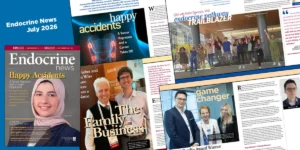
A central component of this communications evolution is the transformation of Endocrine News, the Society’s long-standing magazine. For decades, the publication has served as a primary resource for sharing the latest research findings, highlighting member achievements, and detailing the organization’s products and services. This summer, however, marks a significant milestone as the magazine completes its transition to an online-only format. According to Mark A. Newman, the Executive Editor of Endocrine News, the publication’s primary strength lies in its direct access to the Society’s expert membership, a resource that will now be leveraged with greater speed and flexibility in a digital environment.
The move away from print mirrors a broader trend within the scientific community, where the "half-life" of medical information is shrinking. By adopting a digital-only model, the Society can provide real-time updates on clinical breakthroughs, such as new developments in hormone replacement therapies or metabolic research, without the delays inherent in traditional printing and physical distribution. This transition is also expected to enhance the interactivity of the content, allowing for embedded media, direct links to primary research papers, and more robust data visualization.

Chronology of Communication Evolution in Endocrinology
The Endocrine Society’s approach to information sharing has evolved significantly since its founding in 1916. Initially reliant on quarterly journals and annual meetings, the organization has gradually expanded its reach to meet the demands of a globalized medical community.
- 1916–1990s: Primary communication focused on peer-reviewed journals and physical mailings to a domestic membership base.
- Early 2000s: The introduction of basic web presence and the launch of email newsletters marked the first step toward digital integration.
- 2010s: The rise of social media and the development of the first mobile-responsive website allowed for more frequent engagement with international members.
- 2020–2023: The global pandemic accelerated the need for virtual networking, leading to the refinement of the EndoForum platform and the expansion of the Society’s podcast network.
- 2024 and Beyond: The current phase involves the implementation of AI-driven curation (Endocrine Briefing) and the total digitalization of Endocrine News, representing a fully integrated, multi-channel ecosystem.
Peer-to-Peer Networking and Specialized Knowledge Exchange
Recognizing that top-down communication is no longer sufficient in a specialized field, the Society has prioritized peer-to-peer networking through the EndoForum platform. This exclusive digital hub serves as a high-level communication and networking center where members can bypass traditional barriers to collaboration. The forum is structured into two primary divisions: "Discussions," where clinicians can pose real-world clinical questions to their peers, and "Groups," which houses 12 distinct Special Interest Groups (SIGs).
These SIGs are critical for the advancement of sub-specialties within the field, such as pediatric endocrinology, adrenal disorders, and transgender medicine. By providing a dedicated space for these niche communities, the Society ensures that experts can share anecdotal clinical insights and preliminary research findings that may not yet have reached the formal publication stage. This "crowdsourced" approach to medical problem-solving is particularly valuable for rare endocrine conditions where standardized treatment protocols are still emerging.
Data-Driven Personalization via Artificial Intelligence
One of the most technically advanced additions to the Society’s portfolio is the Endocrine Briefing, an e-newsletter that utilizes artificial intelligence to combat information overload. In an era where thousands of medical papers are published weekly, clinicians often struggle to identify the research most relevant to their specific practice.
The Endocrine Briefing platform employs machine learning algorithms to analyze user behavior. As members interact with specific headlines and topics, the AI adapts, selecting related content for future issues that align with the user’s specialized interests. This personalized curation ensures that a thyroid specialist, for example, is prioritized with updates on nodules and thyrotoxicosis, while a researcher focused on bone health receives data on calcium metabolism and osteoporosis. This shift toward "precision communication" mirrors the medical industry’s broader move toward precision medicine, ensuring that the right information reaches the right professional at the right time.
Multimedia Integration: Podcasts, Video, and Social Engagement
To accommodate various learning styles and the busy schedules of medical professionals, the Endocrine Society has expanded its presence in the audio-visual space. The "Endocrine Feedback Loop" podcast functions as a digital journal club, providing a monthly deep dive into recently published research. Each episode features an expert educator and a topical specialist who dissect journal articles and discuss their practical implications for clinical practice. Recent episodes have addressed highly relevant topics such as:
- The efficacy of infrequent zoledronate in patients with low fracture risk.
- The impact of semaglutide on taste changes, a critical consideration given the widespread use of GLP-1 receptor agonists.
- Dosing strategies aimed at achieving remission in Graves’ disease.
Furthermore, the "Endocrine News Podcast" takes a broader view of the field, addressing systemic issues such as the SABRE Project’s impact on osteoporosis clinical trials and the critical endocrine workforce shortage. Complementing these audio offerings is the Society’s YouTube channel, which serves as a visual repository for meeting previews, research summaries, and expert interviews.
The Role of the Digital Headquarters: Society Website Architecture
Despite the proliferation of new channels, the Endocrine Society’s website remains the central repository for all organizational activities. The site’s architecture is designed to serve as a comprehensive tool for different segments of the endocrine community through specific gateways:
- Advancing Research: This section provides scientists with access to fellowship programs, research grants, and official scientific statements that set the standard for endocrine research globally.
- Improving Practice: Dedicated to clinicians, this tab offers direct access to Clinical Practice Guidelines, which are the gold-standard protocols for treating hormonal disorders.
- Advocacy: This portal documents the Society’s efforts to influence public policy, featuring letters to regulatory bodies, testimony before legislative committees, and position statements on public health issues like insulin pricing and endocrine-disrupting chemicals.
Impact Analysis: Addressing Global Health Challenges
The enrichment of these communication channels is not merely an administrative upgrade; it is a strategic response to several pressing global health challenges. According to data from the World Health Organization and the International Diabetes Federation, endocrine disorders such as diabetes and thyroid disease are on the rise globally. With over 537 million adults currently living with diabetes, the need for rapid dissemination of management protocols is a matter of global public health security.
By streamlining its communications, the Endocrine Society is also addressing the "workforce shortage" mentioned in its podcast series. Efficient information sharing allows for better training of the existing workforce and provides a more robust support system for early-career professionals who may be practicing in isolated environments. The use of AI and digital forums reduces the "knowledge gap" between major academic medical centers and community clinics, potentially improving patient outcomes on a broader scale.
Official Responses and Organizational Vision
Leadership within the Society emphasizes that these initiatives are designed to empower the membership. The organization’s goal is to arm every member with the latest knowledge to help them achieve both professional and personal milestones. In a statement regarding the new digital ecosystem, the Society underscored its commitment to remaining the primary source of endocrine science and care information.
The transition to a multi-platform model also reflects a commitment to sustainability and fiscal responsibility. By moving away from the costs associated with print and physical mail, the Society can redirect resources toward research grants, advocacy efforts, and the development of new educational tools.
Future Implications for the Endocrine Community
Looking ahead, the Endocrine Society’s communication strategy sets a precedent for other medical societies. The integration of AI, the move to digital-only publications, and the emphasis on interactive networking platforms suggest a future where medical knowledge is more democratic, accessible, and personalized. As these tools continue to evolve over the next 12 months and beyond, the Society intends to remain at the forefront of the intersection between endocrine science and digital communication technology.
Through these diverse channels—from the deep-dive analysis of the "Endocrine Signals" blog to the real-time interactions on social media—the Society is building a resilient infrastructure that ensures the "fuel" of knowledge continues to power the world of endocrinology. This comprehensive approach ensures that whether a member is looking for a quick executive summary in the weekly eNews or an in-depth dissection of a clinical trial on a podcast, the information is readily available, scientifically vetted, and expertly delivered.