

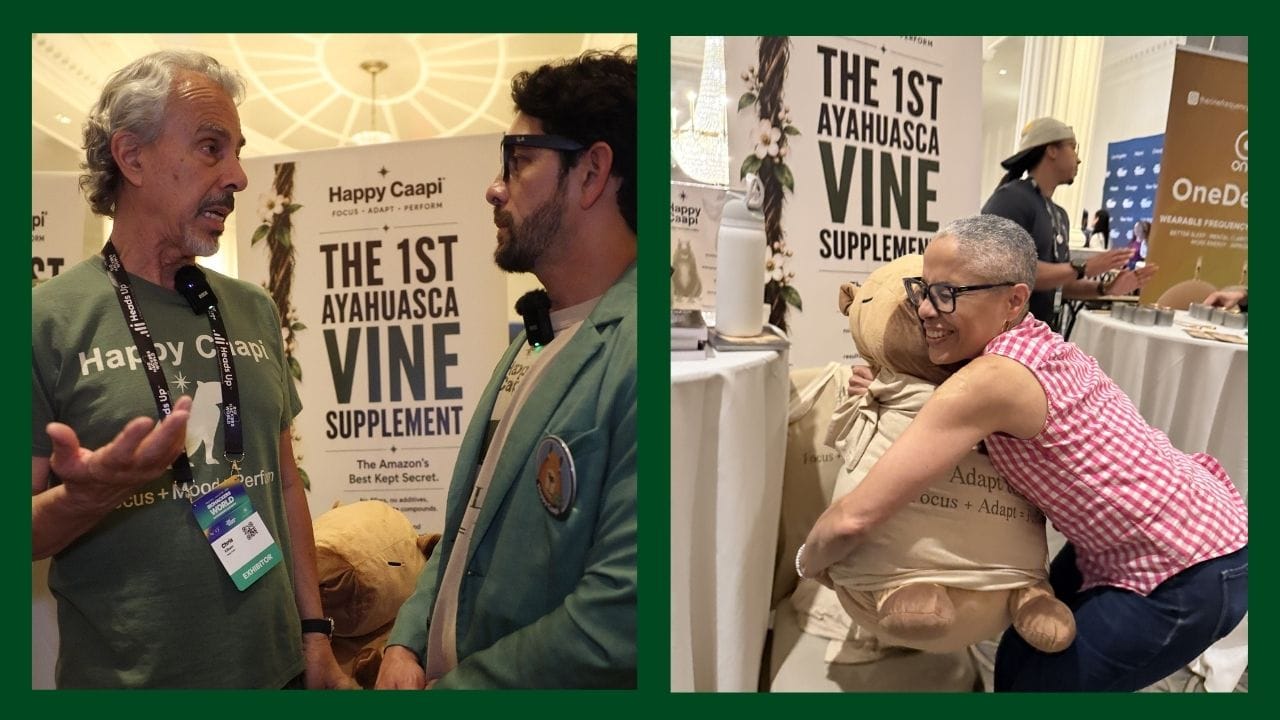
A novel dietary supplement, derived from a key botanical component of the traditional Amazonian psychedelic brew ayahuasca, has officially entered the consumer market. The product, named Happy Caapi, was unveiled at Biohackers World NYC in late June, marking a significant moment for ingredient innovation within the health and wellness sector. This debut follows the product’s recognition with the audience choice award at a recent Nutrition Capital Network (NCN) meeting, also held in New York City, underscoring burgeoning industry interest.
The emergence of Happy Caapi signals a growing trend of interest in plant-based compounds with potential cognitive and mood-enhancing benefits. Ayahuasca, a potent psychoactive substance steeped in indigenous Amazonian shamanistic traditions, has seen a surge in public awareness in recent years, fueled by media attention and cultural explorations. However, its traditional preparation and potent psychoactive effects have historically rendered it unsuitable for widespread dietary supplement distribution. Happy Caapi aims to bridge this gap by isolating and utilizing a specific, non-psychoactive constituent of the brew.
The Science Behind Happy Caapi: Isolating the Beneficial Properties
Jose Gonzalo, co-founder of the company behind Happy Caapi, explained the rationale behind the product’s development. "We recognized the profound benefits many individuals have experienced from traditional ayahuasca ceremonies," Gonzalo stated. "However, the presence of DMT (N,N-dimethyltryptamine), the primary psychoactive compound, presents significant regulatory and market access challenges for a dietary supplement."
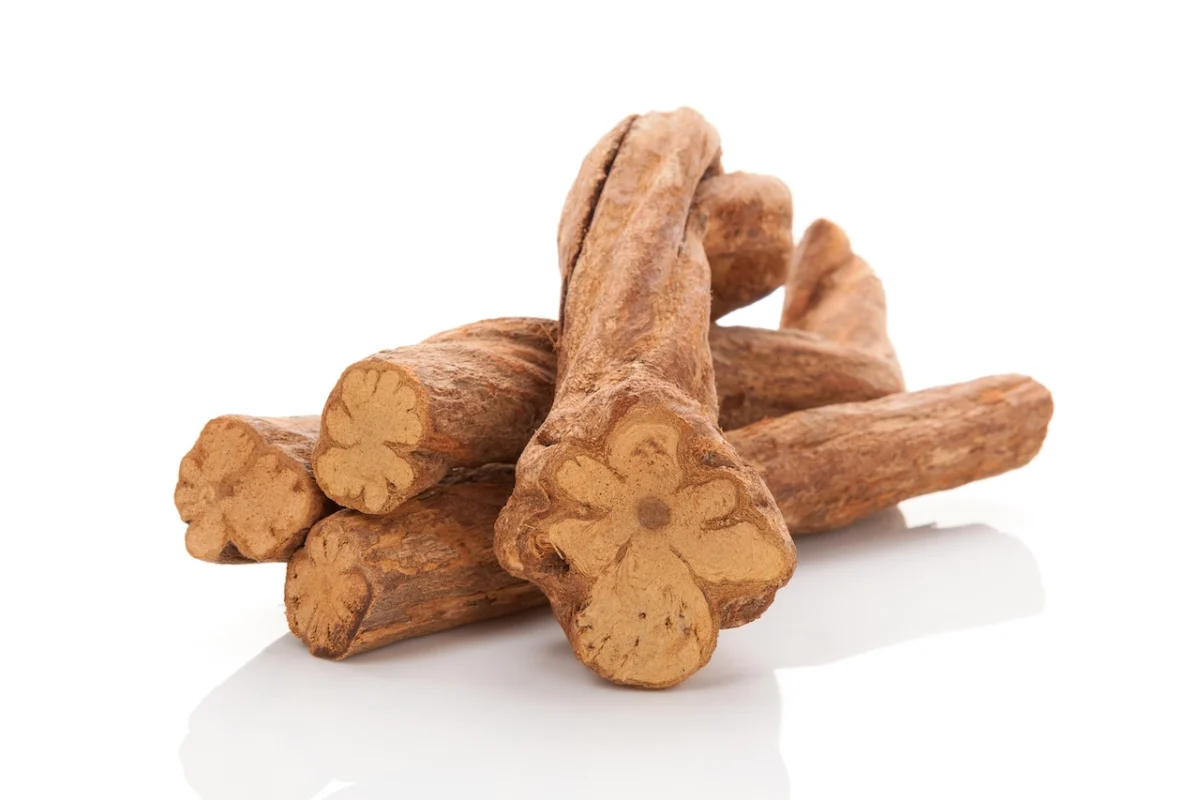
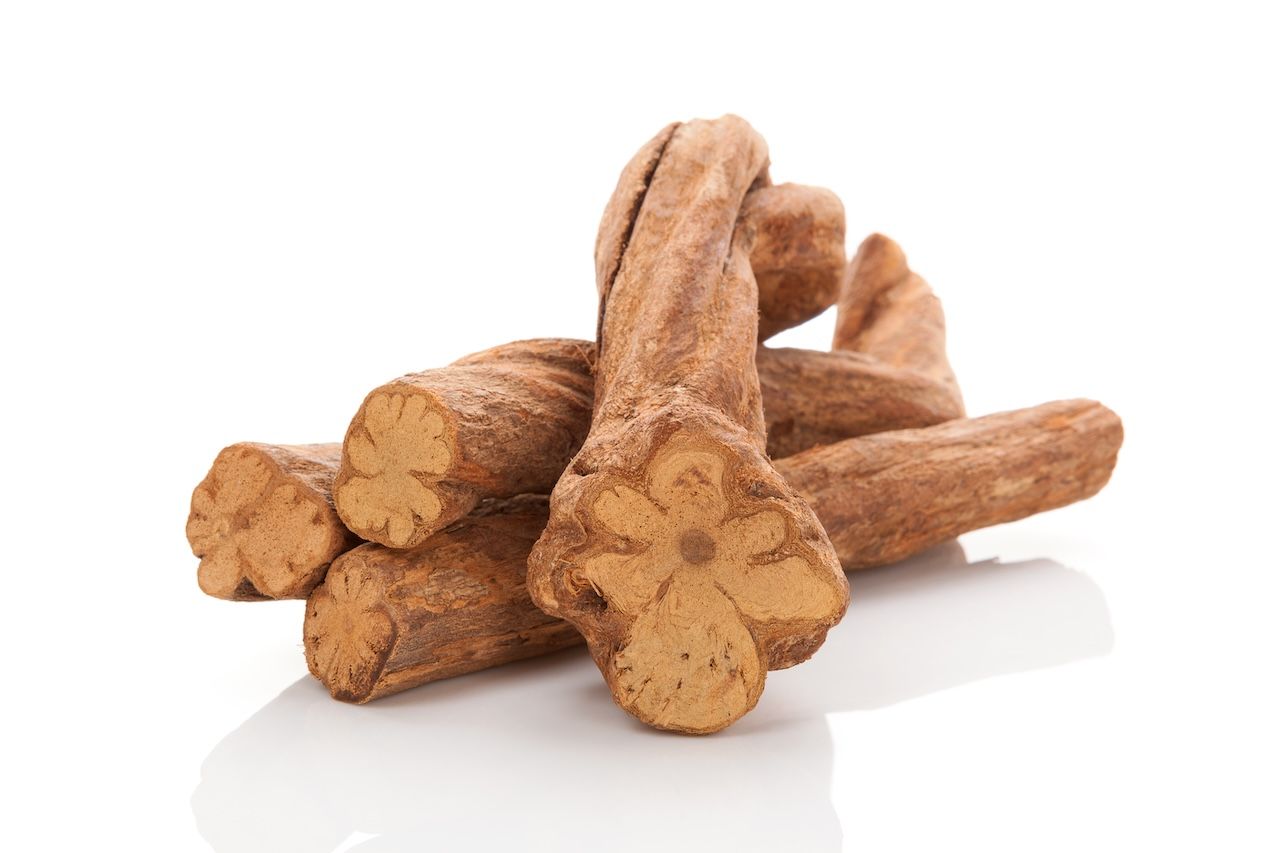
The core innovation of Happy Caapi lies in its focus on Banisteriopsis caapi (B. caapi) vine, one of the two primary botanical components of ayahuasca. The other, Psychotria viridis, contains DMT. In the traditional ayahuasca brew, the B. caapi vine plays a crucial role by containing compounds known as beta-carbolines, including harmine, harmaline, and tetrahydroharmine. These compounds act as monoamine oxidase-A (MAO-A) inhibitors. MAO-A is an enzyme responsible for breaking down neurotransmitters such as serotonin, dopamine, and norepinephrine. By inhibiting MAO-A, the beta-carbolines in B. caapi allow DMT, when ingested, to remain in the bloodstream for a longer duration, facilitating its psychoactive effects.
Gonzalo elaborated on the unique application of B. caapi for the supplement market: "While in the full brew, the MAO-A inhibition potentiates DMT, we found that an extract from the B. caapi vine itself offers significant cognitive and mood-supportive benefits without the psychoactive component. The beta-carbolines in the vine, when isolated, can gently modulate MAO-A activity, creating an environment where crucial neurotransmitters can function more effectively."
The company emphasizes that Happy Caapi is formulated to contain no DMT and maintains the natural ratio of beta-carbolines found in the B. caapi plant. This formulation is designed to offer a "mild focus booster" and an "adaptogen," helping the body and mind to better cope with stress. The product’s marketing tagline, "Adapt to Life," and the equation "Focus + Adapt = Perform," highlight these intended benefits.
A New Entry in the Cognitive Enhancement and Adaptogen Market
The dietary supplement market has seen a consistent demand for products supporting cognitive function and stress management. Data from industry research firms indicates a steady growth trajectory for both the cognitive health and adaptogen segments. For instance, reports from market analysis firms project the global adaptogens market to reach billions of dollars in the coming years, driven by increasing consumer awareness of natural stress-relief solutions and mental well-being. Similarly, the cognitive health supplement market continues to expand as consumers seek ways to enhance focus, memory, and overall brain performance.
Happy Caapi’s positioning at the intersection of these two burgeoning categories could offer a competitive advantage. The company claims its extract gently suppresses MAO-A activity, allowing serotonin more "room to operate." This effect is contrasted with traditional antidepressant medications, which also aim to boost serotonin but can require lengthy titration periods and may have prolonged residual effects. The reversible nature of the MAO-A inhibition by beta-carbolines, which the company states wears off within hours, is presented as a key differentiator.
Product Details and Market Debut
Happy Caapi is currently available as a liquid extract in a 10-serving pump bottle, retailing for $40, which equates to approximately $8 per 500 mg serving. The product was formally introduced to the public at Biohackers World NYC, an event that typically convenes individuals and companies at the forefront of human performance optimization, wellness technology, and advanced health practices. Such events serve as crucial platforms for launching innovative products and fostering dialogue within specialized market segments.
The inclusion of the product in the audience choice award at the NCN meeting further validates its innovative appeal within the investment and manufacturing community. NCN meetings are known for showcasing emerging ingredients and products, providing a barometer for future market trends.
Commitment to Sustainable Sourcing and Cultivation
Beyond the product itself, the company behind Happy Caapi is emphasizing its commitment to responsible sourcing and cultivation. Currently, the B. caapi vines used for the extract are procured from third-party vendors. However, plans are well underway for an in-house cultivation project in Panama. The B. caapi vine requires several years to mature to a harvestable state, highlighting the long-term investment and dedication to this initiative.
Jose Gonzalo articulated the company’s mission: "Our mission is to bring nature’s ancestral wisdom to the adapting modern human, with the highest standards of sustainability, quality, and cultural respect – and Banisteriopsis caapi is where that mission begins." This statement underscores a broader ethical framework that aims to honor the traditional origins of the plant while adapting it for contemporary use.
The company is collaborating with Chris Kilham, a renowned ethnobotanist and advocate for plant-based medicines, often referred to as "The Medicine Hunter," on its cultivation project. Kilham’s involvement lends significant credibility to the endeavor, given his extensive experience and research into Amazonian botanicals.
Kilham commented on the launch and the company’s approach: "I’ve admired Banisteriopsis caapi for decades and spent two years researching its sustainability in the Amazon. It stands at the top of the pyramid among Amazonian plants in terms of cultural and botanical significance. Happy Caapi has done the hard work of bringing it to market the right way, and that matters to me." His endorsement suggests that the company is prioritizing ethical sourcing and scientific validation, crucial factors in the burgeoning market for natural products with deep cultural roots.
Broader Implications for the Supplement Industry
The introduction of Happy Caapi represents more than just a new product; it signifies a potential paradigm shift in how traditional plant-based medicines are approached and integrated into the mainstream supplement market. By carefully isolating and utilizing specific constituents, companies can potentially unlock therapeutic benefits while navigating complex regulatory landscapes.
This development also raises important considerations regarding intellectual property, traditional knowledge, and benefit-sharing with indigenous communities. As more such products emerge, industry stakeholders will need to engage in thoughtful dialogue to ensure that innovation is balanced with respect for cultural heritage and environmental sustainability.
The success of Happy Caapi will likely depend on several factors, including further scientific validation of its claimed benefits, consumer acceptance of a product derived from a historically psychoactive source, and the company’s ability to scale production while maintaining its commitment to ethical and sustainable practices. The initial reception at industry events, however, suggests a strong foundation of interest and potential for growth. The company’s forward-looking approach to cultivation and its emphasis on scientific rigor and cultural respect position it as a noteworthy player in the evolving landscape of natural health solutions. The long-term impact on the supplement industry could include a greater openness to exploring the pharmacological potential of ethnobotanicals, provided that such endeavors are conducted with scientific integrity and a deep commitment to responsible practices.
