

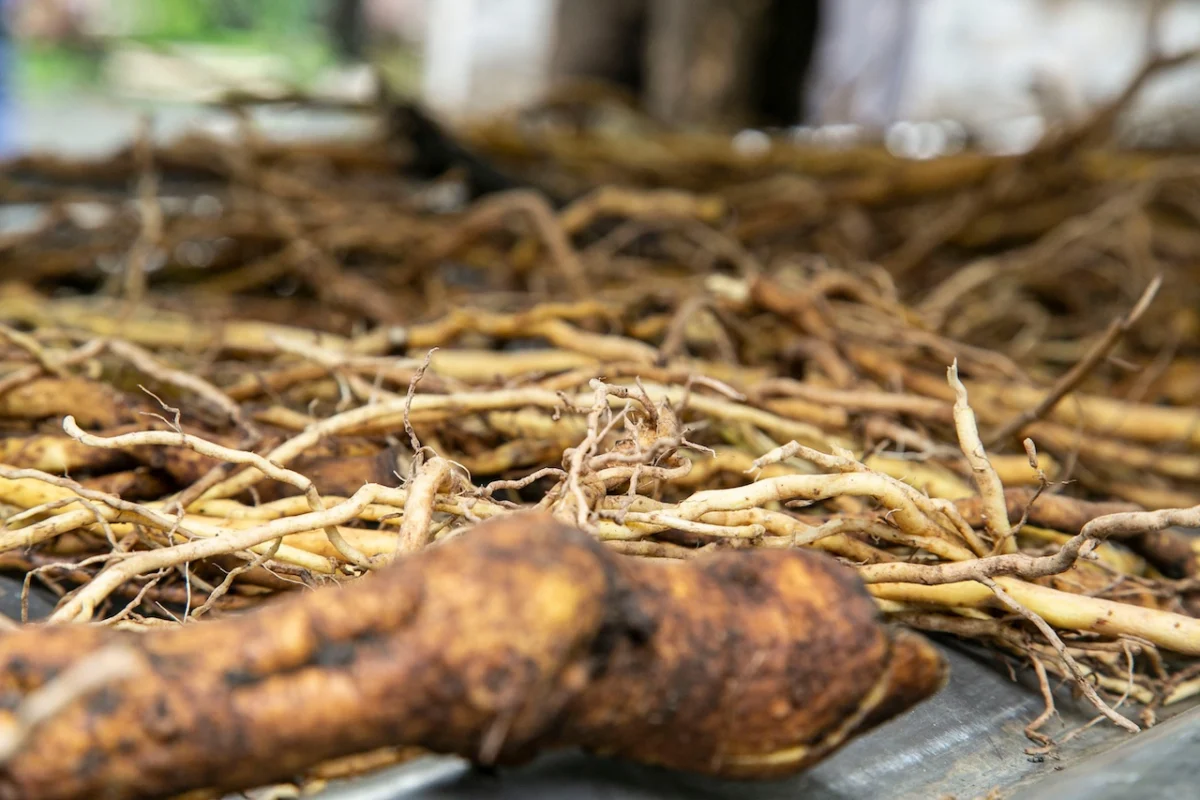
A groundbreaking study delving into the intricate chemical composition of kava is shedding new light on the long-standing debate surrounding the botanical’s association with rare instances of liver injury. The research, published in the esteemed journal Chemico-Biological Interactions, was a collaborative effort by scientists from Sonoran University of Health Sciences and Thorne Research. This comprehensive investigation aims to untangle which of the numerous compounds within Piper methysticum Forst., commonly known as kava, might be implicated in the limited number of reported liver adverse events.
For millennia, kava has been a cornerstone of cultural and social life in the South Pacific islands. Traditionally prepared as a beverage from pounded and water-soaked kava roots, it has earned renown for its ability to induce relaxation and a mild sense of euphoria. These psychoactive effects are largely attributed to a diverse family of compounds known as kavalactones, which are understood to interact with neurotransmitter systems in the brain. However, the plant’s chemistry is far from simple, with researchers having identified over 40 distinct compounds within its root structure, presenting a significant challenge to pinpointing specific culprits for adverse reactions.
Modern commercialization of kava has introduced various extraction methods, including water, ethanolic, or combined water-ethanolic extracts, often presented in capsule form. Powdered root products are also widely available. A key question that has persisted within the scientific and regulatory communities is whether these contemporary processing techniques might alter the plant’s inherent chemistry in a way that elevates the risk of liver injury. While the vast majority of kava consumers worldwide experience no adverse effects, the rarity of liver injury cases, estimated at fewer than 100 combined in the U.S. and Europe, does not negate the severity of the few documented instances, some of which have necessitated liver transplants. This duality of widespread safety coupled with the potential for serious harm has fueled a complex and often inconsistent regulatory landscape across international markets.
A Patchwork of Global Regulations
The uncertainty surrounding kava’s safety profile has resulted in a fragmented approach to its regulation. In the United States, consumers have largely enjoyed uninterrupted access to kava products. However, other nations have implemented varying degrees of restriction. Germany, for instance, initially banned kava in 2002, only to lift the prohibition in 2014 following a reassessment that concluded the substance posed a low risk. In contrast, countries like France, Japan, and Switzerland maintain ongoing bans. Australia, after an initial prohibition, has progressively eased most restrictions, with significant lifting of controls occurring around 2022. This global divergence underscores the ongoing scientific and public health dialogue about kava.
Investigating Kava’s Impact on Liver Enzymes
The core of the new research lies in its investigation of kava’s interaction with the cytochrome P450 (CYP) enzyme system. This critical enzyme family, predominantly found in hepatocytes – the primary functional cells of the liver, constituting approximately 80% of its mass – plays a pivotal role in the biotransformation and detoxification of a vast array of foreign compounds, including xenobiotics and potentially harmful substances. Disruptions to CYP enzyme activity can have significant implications for drug metabolism and the liver’s overall health.
The study employed in vitro assays using human liver cells (HepG2 cells, a well-established cell line in pharmacological research) that were stabilized in a dimethyl sulfoxide (DMSO) solution. DMSO is a common solvent used in such studies to solubilize compounds that may not readily dissolve in aqueous solutions, a technique that has drawn some critique from experts in the field. The researchers prepared their own water and ethanolic extracts from kava roots sourced from Thorne Research, specifically from a "noble" cultivar harvested on Pentecost Island in Vanuatu. The use of "noble" cultivars is significant, as kava exhibits considerable variability, and only these well-documented varieties are typically used for consumption due to their known provenance and consistent performance.
The objective was to ascertain the extent of kava’s effects on the CYP enzyme system and to determine whether these effects were primarily driven by the kavalactones or by other, less-studied constituents of the plant.
Key Findings and Their Implications
The researchers observed notable differences between the water and ethanolic extracts. Their conclusions indicated that "conventional dosing of aqueous kava is unlikely to produce clinically significant CYP interactions, while high-dose ethanolic preparations may approach inhibitory thresholds for CYP1A2 and 3A4." These two enzymes, CYP1A2 and CYP3A4, are particularly important as they are involved in the metabolism of a substantial proportion of pharmaceutical drugs.
However, the study authors themselves acknowledged a crucial caveat: "the ongoing widespread use of both water and organic solvent extracted kava with minimal reports of hepatotoxicity supports the need for translational studies to clarify whether the observed CYP modulation and cytotoxicity are clinically meaningful." This statement highlights the inherent challenge in extrapolating findings from laboratory-based in vitro studies to real-world human consumption. The concentrations and conditions used in cell cultures may not accurately reflect how kava is consumed by individuals, nor the body’s natural defense mechanisms and metabolic pathways.
Expert Commentary: Caution Against Over-Interpretation
The findings of this new study have prompted reactions from seasoned researchers in the field. Bill Gurley, Ph.D., a researcher at the National Center for Natural Products Research at the University of Mississippi, who conducted significant research on kava in the mid-2000s, has urged caution against drawing definitive conclusions about market-ready products based solely on this in vitro research.
"This is a classic disconnect that occurs often with in vitro studies like this one that use DMSO to solubilize the kava lactones, or any lipophilic phytochemical," Gurley stated in an interview with SupplySide Supplement Journal. "Consumers don’t take their botanical dietary supplements with DMSO or even dilute solutions of DMSO."
Gurley further emphasized the importance of clinical, in vivo data. "We demonstrated in three clinical studies – all cited by these authors – that standardized kava extract products do not modulate human CYP activity in vivo to any clinically relevant degree," he explained. "If a novel formulation happens to come along that might improve both the bioaccessibility and bioavailability of kava lactones, then things might change." This perspective underscores that while laboratory findings are valuable for hypothesis generation, human clinical trials remain the gold standard for assessing safety and efficacy in real-world scenarios.
The Complex Chemistry of Kava: A Deeper Dive
The kavalactones, numbering over 40 distinct compounds, are the most extensively studied constituents of kava. These lactones are broadly classified into two groups: alpha- and beta-kavalactones. Prominent examples include kavain, dihydrokavain, methysticin, and dihydromethysticin. Their chemical structures are characterized by a pyrone ring, and it is their specific arrangement and substitution patterns that are believed to confer their unique pharmacological properties, including anxiolytic, sedative, and muscle-relaxant effects.
Beyond the kavalactones, kava root also contains other classes of compounds, such as amides, alkaloids, flavonoids, and chalcones. The relative proportions of these various compounds can vary significantly depending on factors like cultivar, geographical origin, growing conditions, and post-harvest processing. This inherent variability is a fundamental challenge for standardization and risk assessment.
For example, some research has suggested that specific kavalactones, or even certain non-kavalactone constituents, might have differential effects on liver cells. Early hypotheses about kava-induced hepatotoxicity often focused on a potential for these compounds to induce oxidative stress or directly damage liver cells. However, the evidence has remained inconclusive, with no single compound or class of compounds definitively identified as the sole or primary cause of the rare liver injuries.
Historical Context and Evolving Understanding
The concerns regarding kava and liver injury first gained significant traction in the late 1990s and early 2000s, primarily in Europe. A cluster of case reports emerged, detailing instances of acute hepatitis in individuals who had consumed kava supplements. This led to widespread alarm and prompted regulatory actions, including the aforementioned ban in Germany.
However, subsequent epidemiological studies and a deeper scientific understanding have painted a more nuanced picture. Many of these early reports lacked detailed information about the kava products consumed (e.g., extraction method, standardization, presence of contaminants), the health status of the individuals, or their concurrent use of other medications that could affect liver function. Furthermore, the distinction between traditional aqueous extracts and more concentrated ethanolic or solvent-based extracts, which might possess different toxicological profiles, was not always clearly delineated.
The lifting of the German ban in 2014 was a significant turning point, reflecting a revised assessment that balanced the known risks with the overwhelming evidence of safety in traditional and widespread modern use. This period also saw a greater emphasis on distinguishing between "noble" kava cultivars, used traditionally and generally considered safe, and "tudei" or "lesser" cultivars, which are known to have higher concentrations of certain kavalactones and are associated with more pronounced and potentially unpleasant side effects, including grogginess and nausea, and are not typically used for beverage preparation.
The Broader Implications for the Supplement Industry
This ongoing scientific exploration of kava has broader implications for the entire dietary supplement industry. It underscores the critical need for rigorous scientific research, transparent labeling, and robust quality control measures for all botanical products. The challenges in fully characterizing the complex chemistry of botanicals like kava highlight the limitations of current analytical methods and the necessity for advanced techniques to identify and quantify all relevant constituents.
Furthermore, the kava situation serves as a case study in how scientific evidence, regulatory responses, and consumer perception interact. The initial alarm, fueled by a few severe cases, led to widespread bans, impacting legitimate businesses and consumer access. The subsequent re-evaluation, based on more comprehensive data and a better understanding of the plant’s complexities, has led to a gradual relaxation of some restrictions. This dynamic process emphasizes the importance of ongoing scientific inquiry and adaptive regulatory frameworks.
The demand for natural products with relaxation and stress-relief properties remains high. Kava, with its long history of traditional use and well-documented calming effects, continues to be a popular choice for many consumers seeking alternatives to pharmaceutical interventions. The research from Sonoran University of Health Sciences and Thorne Research, while raising complex questions, ultimately contributes to a more informed understanding of kava’s interactions within the human body. The call for translational studies, bridging the gap between laboratory findings and real-world consumption, is a crucial next step in definitively clarifying the safety profile of kava and ensuring that consumers can make informed choices based on sound scientific evidence. The journey to fully unravel the kava conundrum is far from over, but each new study, like this latest investigation, brings the scientific community closer to a comprehensive understanding of this ancient and complex botanical.
