

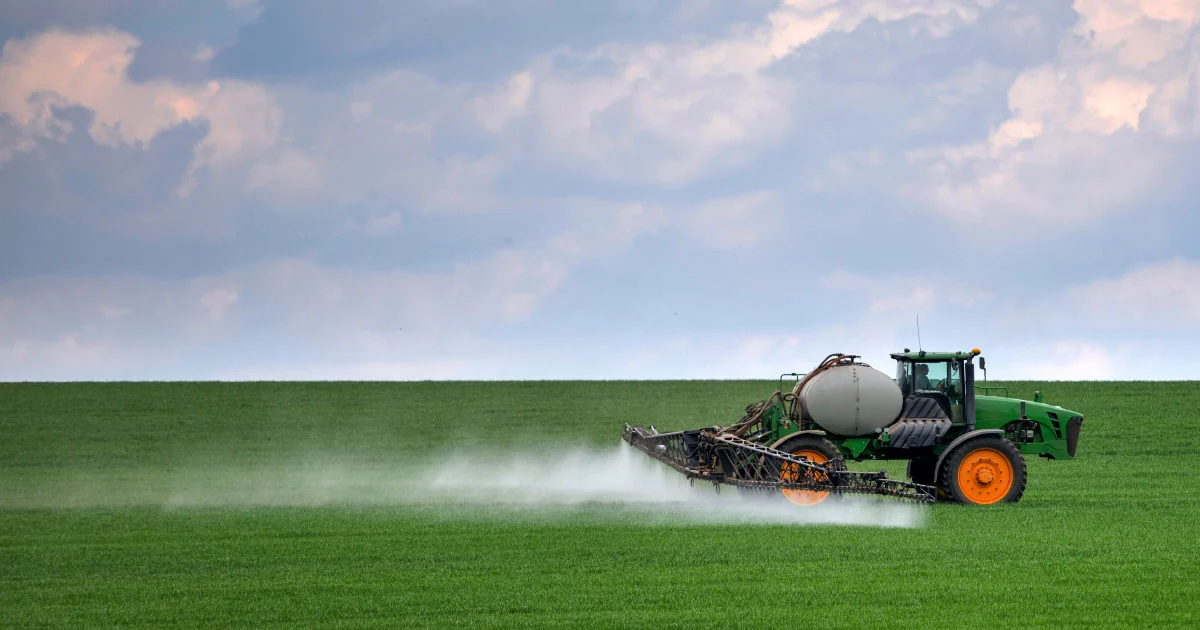
The traditional political bedrock of Iowa, long defined by its unwavering support for industrial agriculture, is facing a significant ideological fracture as the state approaches a consequential midterm election cycle. For decades, the expansion of Concentrated Animal Feeding Operations (CAFOs) and the intensive use of agrochemicals were viewed by many as the unavoidable price of economic dominance in the global corn, soy, and pork markets. However, a series of escalating environmental crises, culminating in a spike in nitrate-related water contamination and a troubling rise in state-wide cancer rates, has transformed localized grievances into a central pillar of the upcoming electoral contest. What was once a localized concern among a vocal minority of rural residents has evolved into a broad-based movement that is forcing candidates to choose between the interests of multinational agricultural corporations and the public health of their constituents.
The Evolution of the CAFO Crisis: From 2020 to the Present
The current political shift has its roots in the rapid acceleration of CAFO construction over the last decade. In 2020, investigative reports began documenting the proliferation of these massive industrial sites, which house thousands of animals in confined spaces, often in close proximity to residential areas and critical waterways. At that time, while many rural Iowans expressed concern regarding the stench, property value depreciation, and localized runoff, the political will to regulate these operations remained stagnant. Many residents failed to see a direct link between the state’s legislative leadership and the worsening conditions of their immediate environment, or they remained loyal to a political establishment that framed any regulation of agriculture as an attack on the Iowa way of life.
By 2024 and 2025, that dynamic began to shift fundamentally. The sheer scale of the waste produced by Iowa’s livestock—estimated to be equivalent to the waste of 130 million people—began to overwhelm the state’s natural filtration systems. As CAFOs continued to crop up in nearly every county, the cumulative impact on the state’s aquifers and surface waters became impossible to ignore. This year, nitrate levels in Iowa’s rivers reached historic highs, frequently exceeding the Environmental Protection Agency’s (EPA) safe drinking water standard of 10 milligrams per liter. The failure of voluntary nutrient management strategies, which have been the centerpiece of Iowa’s environmental policy for over a decade, has led to a growing realization among the electorate that the status quo is no longer sustainable.
Public Health and the "Cancer State" Moniker
The most significant catalyst for the changing political climate has been the release of sobering public health data. Recent reports from the University of Iowa and various health advocacy groups have highlighted a disturbing trend: Iowa now has the second-highest cancer incidence rate in the United States and is the only state where the rate of new cancers is significantly increasing. While researchers caution that cancer is a multi-faceted disease, the correlation between agricultural runoff and specific types of cancer—such as non-Hodgkin lymphoma, leukemia, and bladder cancer—has shaken the public.
Nitrates, which leach into the groundwater from synthetic fertilizers and manure spread on fields, are a primary concern. When ingested, nitrates can convert into N-nitroso compounds, which are known carcinogens. Furthermore, broader attention is now being paid to the pervasive use of pesticides, including glyphosate and atrazine. The "State of Cancer in Iowa" report has become a frequent talking point at town halls, shifting the conversation from "farm productivity" to "community survival." This health crisis has bridged the gap between urban and rural voters, as city dwellers in Des Moines and Cedar Rapids face rising water utility bills due to the expensive filtration systems required to remove agricultural pollutants from the municipal supply.
A Chronology of Environmental and Legislative Conflict
To understand the current tension, one must look at the timeline of legislative decisions that have favored industrial expansion over environmental oversight:
- 2013-2015: The Iowa Nutrient Reduction Strategy is adopted, relying on voluntary measures by farmers to reduce nitrogen and phosphorus runoff. Critics argue it lacks enforcement and clear benchmarks.
- 2017: The Des Moines Water Works lawsuit against three upstream counties is dismissed by the Iowa Supreme Court, ruling that drainage districts are not subject to the same Clean Water Act regulations as point-source polluters. This emboldens the CAFO industry.
- 2020: Reporting highlights a "gold rush" of CAFO construction as operations seek to expand before potential new regulations can be enacted.
- 2022-2023: Several "Right to Farm" laws are strengthened in the Iowa Legislature, making it significantly more difficult for neighbors to sue CAFOs for nuisance or pollution, effectively shielding the industry from civil liability.
- 2024: The University of Iowa’s cancer report gains national attention, sparking a wave of grassroots activism centered on the "Precautionary Principle" in agricultural policy.
- 2025: High-profile nitrate spikes in the Raccoon and Des Moines Rivers lead to emergency bottled water distributions in several rural communities, further eroding trust in state oversight.
The Gubernatorial Race and the Shadow of Corporate Influence
The upcoming election for Governor has become a referendum on the influence of Big Ag. Republican candidate Zach Lahn has come under intense scrutiny for his past affiliations and the financial backing of his campaign. Lahn, a former operative with deep ties to the political network funded by the family behind Koch Industries, has positioned himself as a champion of "agricultural freedom." However, his connections to organizations like Americans for Prosperity—which have historically lobbied against environmental regulations and for the deregulation of the fertilizer industry—have prompted skepticism.
Lahn’s campaign has attempted to address water quality concerns by proposing increased funding for "precision agriculture" and public-private partnerships. Yet, critics argue these are "delay tactics" designed to protect the interests of multinational corporations like Smithfield Foods and Bayer-Monsanto. His opponent has seized on this, framing the election as a choice between "corporate profits and Iowa’s kids," a message that is resonating in traditionally conservative rural districts that have seen their local wells go dry or become contaminated.
Industry Responses and the Defense of the Status Quo
In response to the shifting public sentiment, industry groups such as the Iowa Farm Bureau and the Iowa Pork Producers Association have launched aggressive counter-campaigns. Their messaging focuses on the economic contributions of the agricultural sector, which accounts for a significant portion of Iowa’s GDP and supports hundreds of thousands of jobs.
Industry representatives argue that the rise in cancer rates is a complex issue that cannot be simplified into a single cause. They point to factors such as radon exposure, obesity, and alcohol consumption as contributing variables. Furthermore, they contend that Iowa’s farmers are "the original environmentalists" and that further regulation would drive family farms out of business, leaving the land to be swallowed up by even larger corporate entities.
"We cannot allow emotion to dictate policy," stated a spokesperson for a leading agricultural lobby. "Iowa feeds the world. If we impose draconian regulations based on correlation rather than proven causation, we risk the economic collapse of our rural communities."
Data-Driven Analysis of the Political Shift
The shift in voter sentiment is backed by recent polling data. A survey conducted by the Iowa Environmental Council and independent pollsters suggests that 68% of Iowans, including 54% of registered Republicans, now favor stricter regulations on CAFOs and mandatory nutrient management plans for large-scale operations. This represents a 15-point increase in support for regulation since 2018.
Furthermore, the "voter intensity" regarding environmental issues has spiked. In previous cycles, water quality ranked behind education, taxes, and healthcare. In the most recent polling, it has moved into the top three concerns for voters under the age of 45. This demographic shift is particularly concerning for the established political order, as younger Iowans are more likely to leave the state if they perceive it as an unhealthy place to raise a family.
Broader Implications for U.S. Agriculture
The outcome of Iowa’s midterm elections will have implications far beyond the state’s borders. As the leading producer of corn and pork in the United States, Iowa serves as a bellwether for agricultural policy nationwide. If a movement centered on public health and environmental accountability can succeed in the heart of the Corn Belt, it may signal the end of the "deregulatory era" for industrial agriculture across the Midwest.
Furthermore, the federal government is watching closely. The EPA has recently signaled a more assertive stance on agricultural runoff, and the results of Iowa’s elections could determine whether the state cooperates with federal mandates or enters a period of protracted legal warfare with Washington.
As the campaign enters its final months, the "Iowa Nice" facade is being replaced by a gritty, high-stakes debate over the future of the land. For the residents who have spent years sounding the alarm on CAFOs and water quality, the shift in political landscape is a long-overdue validation. For the industry that has long governed the state with a soft touch and a heavy hand, it is a moment of unprecedented vulnerability. The midterms will not only decide who sits in the Governor’s mansion or the statehouse; they will decide whether Iowa continues to prioritize its role as an industrial powerhouse or pivots toward becoming a sustainable, health-conscious home for its citizens.
