

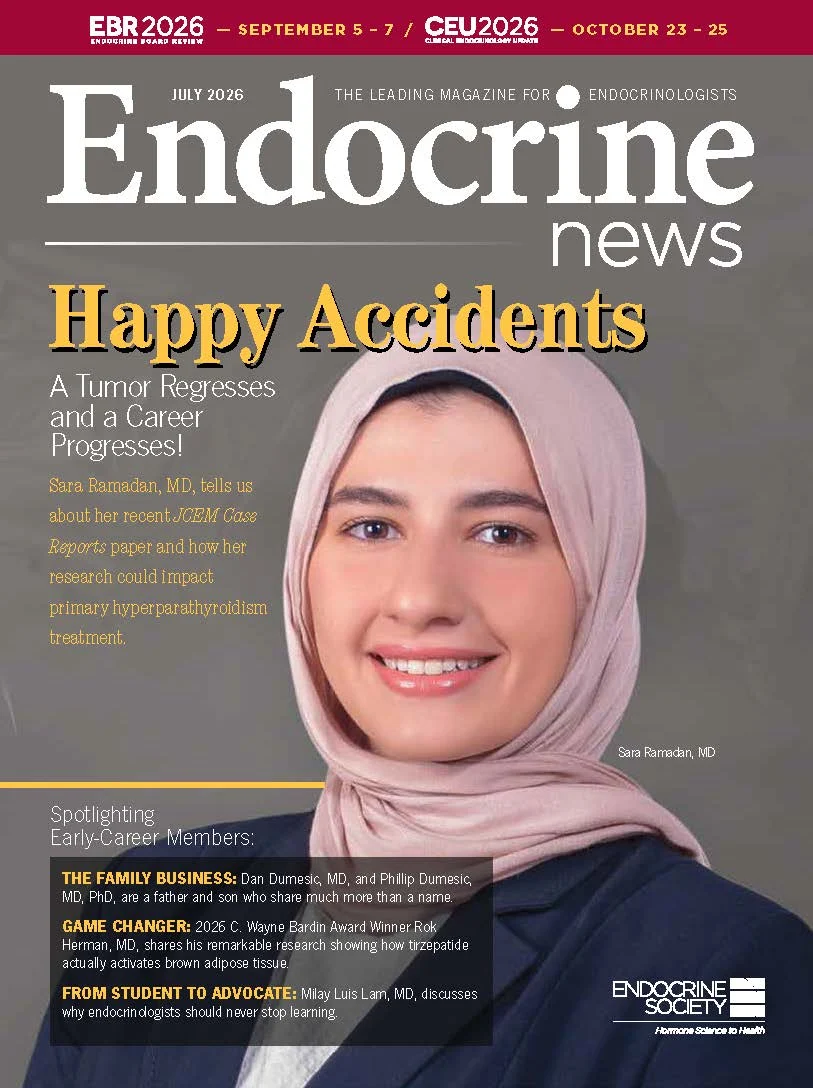
Clinical Presentation and the Diagnostic Framework
Primary hyperparathyroidism (PHPT) is the third most common endocrine disorder globally, trailing only diabetes mellitus and thyroid diseases. It affects approximately 1% of the adult population, with a significantly higher prevalence among postmenopausal women. The condition is characterized by the overproduction of parathyroid hormone (PTH) from one or more of the four parathyroid glands, usually due to a benign tumor known as an adenoma. This excess PTH leads to hypercalcemia, which, if left untreated, can result in bone loss, kidney stones, and cardiovascular complications.
In the case presented by Dr. Ramadan and her mentor, Dr. Shirin Haddady of Massachusetts General Hospital, the patient was a 68-year-old male referred to the clinic following routine laboratory screenings. The initial biochemical profile was stark: a serum calcium level of 12.1 mg/dL, well above the standard upper limit, and an intact PTH level of 451 pg/mL. For context, this PTH level was roughly seven times the upper reference limit, a finding that often raises clinical suspicion for parathyroid carcinoma, though such malignancies account for less than 1% of PHPT cases.
Further diagnostic testing confirmed the severity of the condition. The patient’s phosphate levels were low at 2.2 mg/dL, and a dual-energy X-ray absorptiometry (DEXA) scan revealed a femoral neck T-score of −2.0, indicating osteopenia. To localize the source of the hormonal imbalance, the medical team utilized high-resolution ultrasonography. The imaging identified a well-demarcated, homogeneous, hypoechoic mass measuring 2.3 × 1.7 × 3.0 cm, located posterior to the inferior right thyroid lobe. The presence of peripheral vascular flow within the mass strongly suggested a parathyroid adenoma.
The Intersection of Cardiac Comorbidity and Endocrine Strategy
Under standard protocols, the definitive treatment for symptomatic PHPT is a parathyroidectomy—the surgical removal of the overactive gland. With success rates exceeding 95%, surgery is considered the gold standard. However, the patient’s journey took an unexpected turn during the preoperative phase. A cardiac evaluation revealed severe multivessel coronary artery disease, a condition that rendered immediate surgery too risky.
The patient instead underwent percutaneous coronary intervention (PCI) with stent placement. To prevent stent thrombosis, he was placed on a six-month regimen of dual antiplatelet therapy (DAPT). This pharmacological necessity necessitated a delay in the parathyroid surgery. To manage the patient’s severe hypercalcemia in the interim, the clinical team turned to cinacalcet.
Cinacalcet is an FDA-approved calcimimetic that functions by modulating the calcium-sensing receptor (CaSR) on the surface of parathyroid cells. By increasing the receptor’s sensitivity to extracellular calcium, the drug suppresses the secretion of PTH, thereby lowering serum calcium levels. In clinical practice, cinacalcet is generally utilized as a "bridge therapy" for patients awaiting surgery or as a long-term management tool for those who are not surgical candidates. It is not typically associated with the reduction of tumor size or the permanent resolution of the underlying adenoma.
An Unexpected Biochemical and Radiological Shift
The patient was initiated on a dosage of 30 mg of cinacalcet daily, which was eventually titrated to 30 mg twice daily. After six months, the patient returned to the clinic reporting new-onset paresthesias—a tingling sensation often associated with low calcium levels. Laboratory results confirmed a dramatic shift: his serum calcium had plummeted to 6.8 mg/dL and his PTH to 14 pg/mL. This represented a state of frank hypocalcemia, an outcome rarely seen with standard cinacalcet use unless the underlying pathology has changed.
The clinical team immediately discontinued the cinacalcet and began oral calcium supplementation. One month later, the patient’s levels had stabilized within the normal range, with a calcium level of 9.1 mg/dL and a PTH of 44 pg/mL. The most startling discovery, however, came during a follow-up ultrasound. The 2.3 × 1.7 × 3.0 cm mass had regressed significantly, measuring only 1.4 × 1.0 × 1.1 cm—a reduction of more than 50% in total volume.
“I remember staring at the ultrasound in clinic,” Dr. Ramadan noted. “We couldn’t really believe the tumor had gotten smaller. Cinacalcet’s mechanism of action doesn’t cause shrinkage of a parathyroid adenoma.” Typically, when cinacalcet is discontinued, patients experience "rebound hypercalcemia" as the PTH secretion returns to its previous pathological state. In this instance, the patient remained eucalcemic. Follow-up data showed that nearly three years later, the patient’s calcium remained at 8.9 mg/dL on vitamin D supplementation alone, suggesting a sustained remission.
Investigating the Mechanism: Apoptosis vs. Apoplexy
The research team explored several theories to explain this medical anomaly. One possibility is "parathyroid apoplexy," a phenomenon where a hemorrhagic infarction occurs within the adenoma. This sudden loss of blood supply leads to necrosis (cell death) of the tumor tissue and a rapid normalization of biochemical markers. However, parathyroid apoplexy is usually accompanied by acute symptoms such as sudden neck pain, swelling, or dysphagia. This patient remained asymptomatic throughout the regression.
A more likely explanation, according to Dr. Ramadan, is cinacalcet-induced apoptosis. Some in vitro and in vivo studies suggest that by upregulating CaSR expression in adenomatous tissue, cinacalcet may restore normal calcium signaling pathways that eventually trigger programmed cell death (apoptosis). This would result in a gradual involution of the mass rather than an acute necrotic event.
"The clinical picture was more consistent with slow apoptotic involution than with an acute infarction event," Dr. Ramadan explained, though she cautioned that without a biopsy to examine the cellular pathology, the exact mechanism remains theoretical. The case adds to a very small body of literature—only a handful of cases worldwide—documenting similar remissions associated with cinacalcet.
Broader Implications for PHPT Treatment and Research
The findings of Dr. Ramadan’s study raise important questions about the future of medical management for PHPT. While surgery remains the most effective cure, the possibility of a non-invasive medical "cure" via cinacalcet-induced remission is a compelling prospect for patients who are elderly, frail, or have significant surgical contraindications.
However, the path to validating this as a standard treatment is fraught with ethical and logistical hurdles. Because surgery is so safe and effective, it is difficult to justify clinical trials that would randomize symptomatic patients to a medication-only group. Furthermore, the phenomenon observed in Dr. Ramadan’s patient appears to be sporadic.
"For a prospective trial, you’d need a very specific subset of patients who don’t fit the criteria for surgery—people for whom medical therapy is the only option," Ramadan said. "And these cases are very sporadic and rare, so you’d need large numbers and long follow-up. It might not happen for everyone."
The Role of Mentorship and Professional Societies
The publication of this case study marks a significant milestone in Dr. Ramadan’s early career. She credits much of her success to the mentorship of Dr. Shirin Haddady and her involvement with the Endocrine Society. As an Early Career Member, Ramadan has had access to a network of professionals that helped her refine her research focus.
The Endocrine Society’s programs are specifically designed to bridge the gap between residency and professional practice, offering resources for endocrinologists in their first three post-training years. For Dr. Ramadan, the society provided a platform to observe how seasoned clinicians navigate complex cases.
"When I initially joined during my first year of residency, I was still finding my voice and figuring out which direction in endocrinology I was heading," she said. "Getting access to people who are further along, not just for mentorship in the traditional sense, but to see how they build their careers and define their niches, has been really valuable."
Addressing Health Disparities in Endocrinology
Beyond the biological mysteries of parathyroid adenomas, Dr. Ramadan’s work is deeply rooted in the clinical realities of the Boston Medical Center, a major safety-net hospital. Her experience there has highlighted the intersection of endocrine disease and social determinants of health.
Research indicates significant racial disparities in the prevalence and severity of PHPT. African American women, in particular, face a higher risk of developing the condition and often present with more severe biochemical markers at the time of diagnosis. These disparities are often exacerbated by limited access to specialized surgical care.
Dr. Ramadan’s future research agenda is focused on understanding the mechanisms behind recurrent PHPT and identifying ways to optimize management for underserved populations. "These cases are not straightforward," she remarked. "The patients have already had surgery. They have altered anatomy and sometimes very ambiguous imaging, and the stakes are higher in terms of complications and decision-making."
Future Directions and Fellowship
As Dr. Ramadan prepares to complete her residency and move to Seattle for a fellowship, her focus remains on the "challenging corners" of endocrinology. The case of the vanishing adenoma has served as a catalyst for her interest in bone and calcium metabolism, particularly in complex cases where standard surgical interventions have failed or are not possible.
The next logical step in researching cinacalcet-induced remission would involve histopathology. Examining the cellular architecture of regressed adenomas could provide the "smoking gun" needed to prove the apoptosis theory. While the patient in this study remains healthy and eucalcemic, his case continues to serve as a beacon for what might be possible in the realm of medical endocrinology.
For the broader medical community, Dr. Ramadan’s work serves as a reminder of the importance of clinical observation and the value of case reports in identifying rare pharmacological effects. As endocrinology continues to evolve with new technologies and therapies, the fundamental curiosity of early-career physicians like Dr. Ramadan remains essential to the advancement of patient care.
The Endocrine Society’s annual conference, ENDO, remains a critical venue for these exchanges. Dr. Ramadan highlighted the value of seeing experienced clinicians work through complex presentations in real time, as well as the exposure to new diagnostic technologies. "It puts you in a spot where you’re connected with everyone and everything, and you’re up to date," she concluded. "If you’re looking for connections with people who are more established in the field or trying to figure out what you’re drawn to and how to approach it, I recommend joining."
