

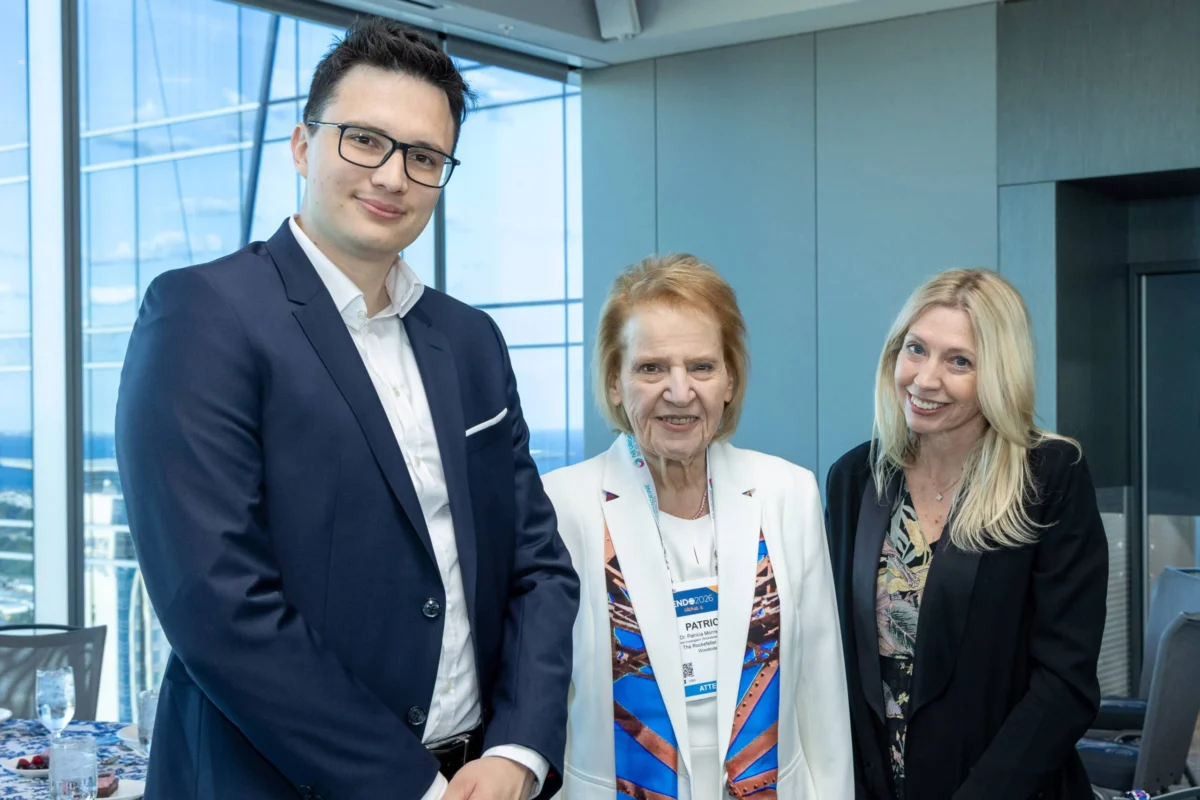
The landscape of metabolic medicine underwent a significant shift during the ENDO 2026 conference in Chicago, Illinois, as the Endocrine Society recognized Dr. Rok Herman with the prestigious 2026 C. Wayne Bardin, MD, International Travel Award. Dr. Herman, an internal medicine resident at the University Medical Centre Ljubljana in Slovenia, received the accolade following the presentation of his groundbreaking abstract regarding the TABFAT (Tirzepatide Brown and Beige Adipose Tissue Activation) trial. The study provides the first clinical evidence that tirzepatide, a dual GIP (glucose-dependent insulinotropic polypeptide) and GLP-1 (glucagon-like peptide-1) receptor agonist, does more than suppress appetite; it actively stimulates brown adipose tissue (BAT), potentially revolutionizing the therapeutic approach to obesity and metabolic syndrome.
The C. Wayne Bardin, MD, International Travel Award is among the most distinguished honors for early-career researchers, specifically targeting international endocrine fellows or junior faculty members who submit outstanding abstracts to the annual ENDO meeting. The award commemorates the legacy of Dr. Bardin, a former president of the Endocrine Society known for his contributions to reproductive endocrinology and his commitment to nurturing the next generation of physician-scientists. For Dr. Herman, the recognition serves as a validation of years of rigorous clinical investigation conducted within the Department of Endocrinology, Diabetes and Metabolic Diseases at Ljubljana’s premier medical institution.
The TABFAT Trial: Redefining Tirzepatide’s Mechanism of Action
While the pharmaceutical industry and the general public have focused largely on the weight-loss capabilities of incretin mimetics through caloric restriction and delayed gastric emptying, Dr. Herman’s research sought to uncover whether these medications influence the body’s metabolic furnace. The TABFAT trial was a randomized, placebo-controlled clinical study designed to evaluate the impact of tirzepatide on energy expenditure and adipose tissue composition.
The study focused on a cohort of premenopausal women with obesity. Over a 24-week treatment period, researchers employed a multi-modal imaging approach to track changes in fat activity. This included cold-stimulated PET/CT imaging—the gold standard for identifying metabolically active fat—as well as specialized MRI scans and infrared thermography. The results were striking. The proportion of participants with detectable brown adipose tissue via PET/CT rose from 41.2% at the start of the study to 64.7% in the group receiving tirzepatide. In contrast, the placebo group showed no significant change in BAT activity or volume.
Dr. Herman’s findings suggest that tirzepatide may induce a process known as "beiging," where traditional white subcutaneous fat—which primarily stores energy—begins to take on the characteristics of brown fat. Brown adipose tissue is rich in mitochondria and expresses uncoupling protein 1 (UCP1), which allows the tissue to dissipate energy as heat rather than storing it as ATP. By increasing BAT volume and activity, tirzepatide appears to modulate energy expenditure at the cellular level, offering a dual-action mechanism that combines reduced energy intake with increased energy output.
From Medical Student to Award-Winning Researcher
Dr. Herman’s ascent in the field of endocrinology began during his undergraduate medical education. Encouraged by mentors to join departmental research teams early in his training, he developed a fascination with the "precise physiology" and "complex clinical reasoning" inherent in endocrine disorders. His career has been defined by a desire to bridge the gap between bench-side discovery and bedside application.
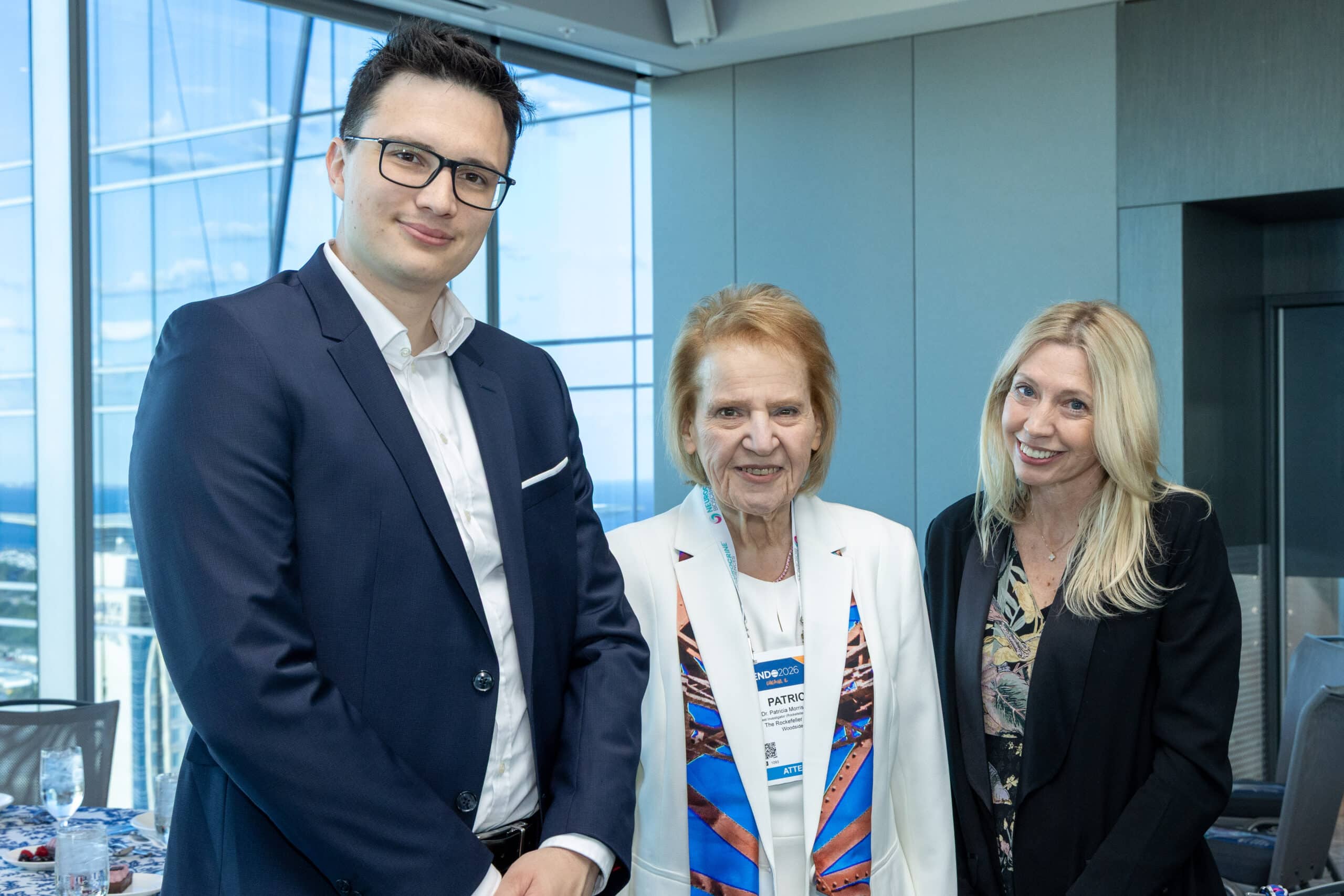
Reflecting on his journey at the Excellence in Endocrinology Dinner in Chicago, Dr. Herman credited his success to the supportive environment at the University Medical Centre Ljubljana. He specifically highlighted the roles of his mentors, Professor Andrej Janež and Professor Mojca Jensterle, who helped translate a technically demanding research concept into a completed, high-impact clinical trial. Dr. Herman noted that the recognition from the Endocrine Society makes the "long nights, setbacks, and doubts" inherent in clinical research feel worthwhile.
The University Medical Centre Ljubljana has increasingly become a hub for high-quality metabolic research in Central Europe. Dr. Herman’s award underscores the institution’s ability to produce world-class science that competes with leading global research centers. This international recognition is expected to foster new collaborations between Slovenian researchers and the broader global endocrine community.
Technical Methodology and Data Analysis
The TABFAT trial’s use of cold-stimulated imaging was crucial to its success. Brown fat is typically thermogenic in response to cold exposure; by using PET/CT scans in a controlled, cold-stimulated environment, Dr. Herman’s team could precisely quantify the metabolic rate of the tissue. Infrared thermography provided a non-invasive way to monitor skin temperature changes over BAT depots, correlating surface heat with internal metabolic activity.
The data revealed that the increase in BAT was not merely a byproduct of weight loss itself but a direct or indirect effect of the pharmacological intervention. Dr. Herman is currently finalizing deeper analyses of adipose tissue biopsies collected during the trial. These biopsies are expected to provide molecular-level evidence of "beiging," such as increased expression of UCP1 and other thermogenic markers. This level of mechanistic detail is what distinguishes the TABFAT trial from general weight-loss studies, providing a "watershed moment" for understanding how modern obesity drugs interact with human thermogenesis.
Broader Impact on Obesity Treatment and Public Health
The implications of Dr. Herman’s research extend far beyond the laboratory. Global obesity rates have nearly tripled since 1975, according to the World Health Organization, contributing to a surge in type 2 diabetes, cardiovascular disease, and certain cancers. While tirzepatide (marketed as Mounjaro for diabetes and Zepbound for weight loss) has already shown unprecedented efficacy in clinical trials, understanding its full range of action allows for more tailored treatment approaches.
If tirzepatide can reliably activate BAT, it may be particularly beneficial for patients with "metabolic adaptation"—a phenomenon where the body lowers its basal metabolic rate in response to weight loss, often leading to weight-regain plateaus. By maintaining or increasing thermogenic activity, tirzepatide could help counteract this biological "set-point" and improve long-term weight maintenance.
Furthermore, Dr. Herman’s work opens the door for future combination therapies. Scientists may now look to pair appetite suppressants with specific "BAT activators" to create a synergistic effect on metabolic health. The research also highlights the importance of brown fat as a therapeutic target, potentially leading to the development of new diagnostic tools to measure metabolic health beyond the Body Mass Index (BMI).

Future Research Frontiers in Ljubljana
The conclusion of the TABFAT trial marks only the beginning of Dr. Herman’s ambitious research agenda. His team is currently investigating the effects of obesity pharmacotherapy on skeletal muscle status, a critical area of concern as rapid weight loss can sometimes lead to the loss of lean muscle mass. The team hopes to present these results at the next annual meeting of the Endocrine Society.
In addition to his work on obesity, Dr. Herman is involved in a diverse array of endocrine studies. These include investigating endocrine mechanisms in Postural Orthostatic Tachycardia Syndrome (POTS), exploring bone-metabolic interactions in polyendocrine metabolic ovarian syndrome, and studying bone health in patients with indolent systemic mastocytosis. He is also looking into the body’s endocrine adaptations to fasting, a topic of growing interest in both clinical and popular health circles.
Dr. Herman emphasizes that being a strong researcher ultimately makes him a better physician. By engaging with the latest scientific developments, he can offer his patients the most advanced care available. The "dynamic period" he describes in his career is reflective of a broader trend in medicine where the roles of clinician and scientist are increasingly integrated.
Conclusion and the Legacy of the Endocrine Society
The 2026 C. Wayne Bardin, MD, International Travel Award is more than a personal achievement for Dr. Herman; it is a signal of the evolving priorities of the Endocrine Society and the global medical community. As the society continues to provide a platform for international voices, the cross-pollination of ideas from centers like Ljubljana to hubs like Chicago ensures that medical progress remains a global endeavor.
Dr. Herman’s work on tirzepatide and brown fat activation stands as a testament to the power of dedicated clinical inquiry. By asking not just if a drug works, but how it works at the tissue level, he has provided a new framework for treating one of the most pressing health challenges of the 21st century. As he returns to Slovenia to continue his residency and research, the international endocrine community will undoubtedly be watching for the next breakthrough from this promising physician-scientist.
