

The Intersection of Hypercortisolism and Metabolic Dysfunction
Endogenous Cushing’s syndrome is a rare but debilitating endocrine disorder characterized by the chronic overproduction of cortisol by the adrenal glands. This hypercortisolism can stem from various sources, most commonly a pituitary tumor (Cushing’s disease), an adrenal tumor, or, more rarely, ectopic ACTH-secreting tumors. Cortisol is often referred to as the "stress hormone," and while it is essential for regulating metabolism and immune response, its sustained elevation acts as a systemic toxin.
For patients with Cushing’s, the clinical reality is often defined by a cluster of severe metabolic complications. Chronic exposure to high cortisol levels leads to visceral obesity, significant muscle wasting, and profound insulin resistance. Statistics indicate that approximately one-third of all Cushing’s patients develop type 2 diabetes, while nearly all suffer from some form of impaired glucose tolerance. Furthermore, the syndrome itself is associated with a baseline increase in cancer risk, likely due to the immunosuppressive effects of cortisol and the growth-promoting nature of the underlying tumors.
Until now, the medical community has been cautious about prescribing GLP-1 receptor agonists—such as semaglutide, liraglutide, and dulaglutide—to this population. While these drugs are exceptionally effective at controlling blood sugar and inducing weight loss, their safety profile regarding oncogenesis in the context of hypercortisolism was unproven. This study finally provides the empirical evidence required to bridge that gap in clinical knowledge.
Study Design: Two Decades of Real-World Evidence
To reach their conclusions, an international team of researchers utilized one of the most robust medical datasets in the world: Israel’s Clalit Health Services database. This database provides a comprehensive, longitudinal view of patient health, covering more than half of the Israeli population. The researchers identified 609 patients diagnosed with endogenous Cushing’s syndrome between the years 2000 and 2023.
The study’s methodology was meticulously designed to ensure the results were not skewed by external factors. The cohort specifically excluded patients with adrenal carcinomas or ectopic forms of the disease, focusing strictly on endogenous cases where the hormonal imbalance was the primary driver of metabolic distress. This allowed for a cleaner analysis of how GLP-1 exposure interacted with the specific pathophysiology of Cushing’s.
One of the most significant strengths of the study is its timeline. The average follow-up period for the patients was 14.7 years, a duration rarely seen in pharmacological safety studies. Because cancer often has a long latency period, this nearly 15-year window provided the researchers with enough data to observe the long-term effects of medication exposure, rather than just immediate reactions.
Deep Dive into the Statistical Findings
Of the 609 patients tracked in the study, 137 (approximately 22.5%) were treated with GLP-1 receptor agonists. During the multi-decade observation period, the research team recorded 116 new cases of cancer across the entire cohort, and 141 deaths occurred due to various causes.
The initial raw data (the crude hazard ratio) suggested a potential correlation, sitting at 1.65. However, crude ratios are often misleading in medical research because they do not account for "confounding variables"—factors like age, smoking status, the severity of diabetes, or the duration of the Cushing’s diagnosis itself. When the researchers applied an advanced time-varying analytical framework to adjust for these variables, the adjusted hazard ratio (aHR) dropped to 1.22.
In the world of medical statistics, an aHR of 1.22 with a wide confidence interval is considered "statistically non-significant." This means the slight numerical difference is likely due to chance or other health factors rather than the medication itself. Essentially, the data confirms that taking a GLP-1 drug does not meaningfully change a Cushing’s patient’s likelihood of developing cancer.
Ensuring Robustness: Sensitivity Analyses and Lag Periods
To further validate their findings, the investigators conducted secondary sensitivity analyses. A common concern in pharmaceutical studies is "protopathic bias," where a drug is prescribed to treat the early symptoms of an undiagnosed underlying condition (for example, weight loss drugs being prescribed to someone whose weight changes are actually an early sign of an undetected tumor).
To mitigate this, the researchers implemented a 12-month "lag period." They excluded any cancer diagnoses that occurred within the first year of a patient starting GLP-1 therapy. This ensured that the study wasn’t accidentally attributing pre-existing, undiagnosed cancers to the medication. Even with this lag period in place, the results remained consistent: no increased risk.
The team also looked at the state of the patients’ Cushing’s syndrome—specifically whether they were in remission or still dealing with active hypercortisolism. Whether the patient was currently cured of their high cortisol or still managing the active disease, the safety profile of GLP-1 drugs remained stable. This is a vital finding for clinicians, as many Cushing’s patients continue to struggle with obesity and diabetes even after their primary tumor has been surgically removed.
Expert Reactions and Clinical Implications
The publication of these findings has been met with a sense of relief in the endocrinology community. While GLP-1 receptor agonists have been a "miracle" class of drugs for the general population, the "black box" warnings regarding medullary thyroid carcinoma found in rodent studies had left many doctors hesitant to use them in high-risk patients.
"This study provides the critical clinical reassurance we have been waiting for," noted several independent endocrinologists following the release. "Patients with Cushing’s syndrome are among the most difficult to treat because their metabolic issues are so deeply rooted in their hormonal imbalance. Being able to use GLP-1s without the fear of triggering a malignancy is a major step forward in improving their quality of life."
The study authors themselves concluded that the findings supply "vital evidence" establishing oncologic safety. By confirming that these medications do not trigger or accelerate tumor development in this specialized population, the study clears the way for more aggressive and effective management of the "metabolic syndrome" that often lingers long after the primary Cushing’s diagnosis.
The Broader Impact on Rare Disease Management
The implications of this research extend beyond just Cushing’s syndrome. It serves as a model for how real-world data from national health databases can be used to study "orphan" or rare diseases. Because Cushing’s is rare, a traditional randomized controlled trial (RCT) focused on cancer risk would be nearly impossible to conduct; it would require thousands of patients and decades of controlled observation.
By leveraging the Clalit database, the researchers were able to simulate the depth of an RCT using real-world clinical outcomes. This approach is increasingly seen as the future of drug safety monitoring, especially for populations that are typically excluded from initial pharmaceutical trials.
Furthermore, the study highlights the importance of managing the "double burden" of Cushing’s syndrome. While the primary goal of treatment is often to remove the cortisol-secreting tumor, the secondary goal must be the management of the metabolic damage left in the tumor’s wake. GLP-1 receptor agonists are unique because they address both the insulin resistance and the cardiovascular risks associated with obesity—two of the leading causes of death in Cushing’s patients.
Conclusion and Future Directions
The study, "GLP-1 Recetor Agonist Exposure and Malignancy Risk in Patients with Endogenous Cushing’s Syndrome," represents a turning point in endocrine care. It effectively dismantles the theoretical concern that GLP-1 drugs might be "fuel on the fire" for patients with a high baseline cancer risk.
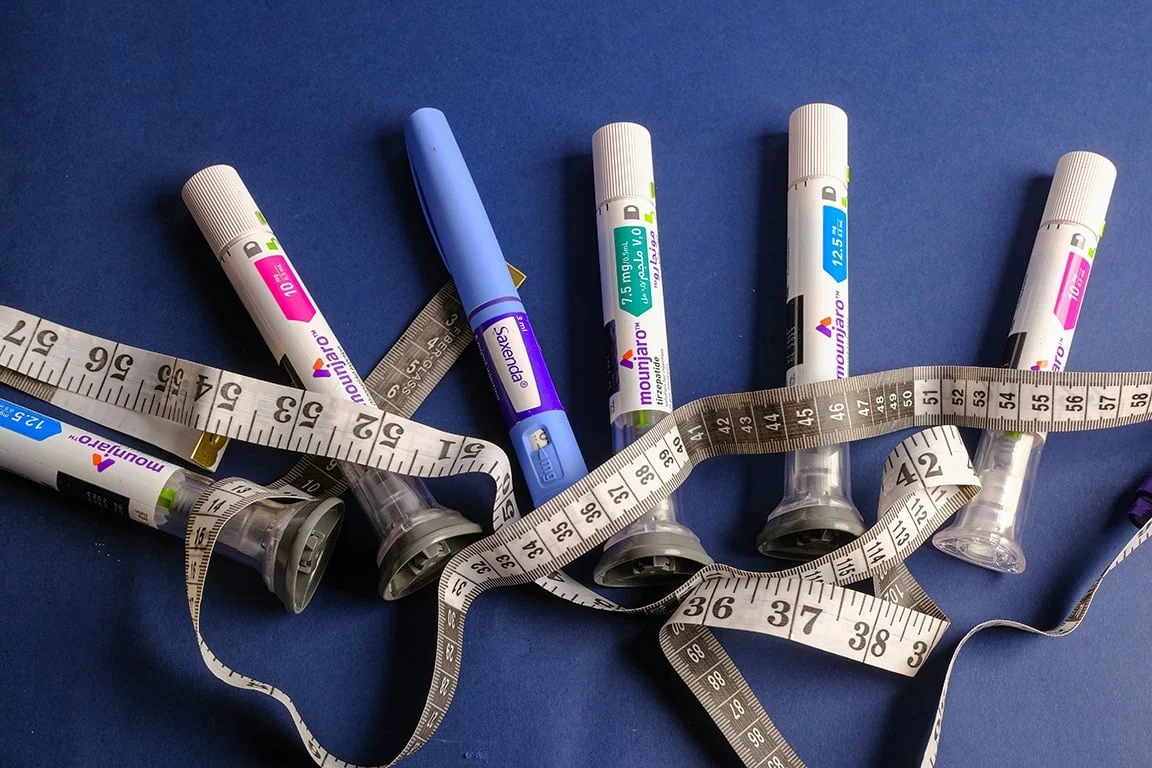
As the use of GLP-1 medications continues to surge globally—with drugs like Ozempic and Mounjaro becoming household names—it is essential that specialized patient groups are not left behind due to a lack of safety data. This research ensures that those suffering from the complex challenges of Cushing’s syndrome can access the same life-changing therapies as the general public.
Looking forward, researchers may look to expand this study to newer classes of medications, such as dual GLP-1/GIP receptor agonists (like tirzepatide). However, for now, the message to the medical community is clear: GLP-1 receptor agonists are a safe and effective tool in the arsenal against the metabolic ravages of endogenous Cushing’s syndrome. The focus can now shift from fear of malignancy to the optimization of metabolic health and the long-term survival of these high-risk patients.
