

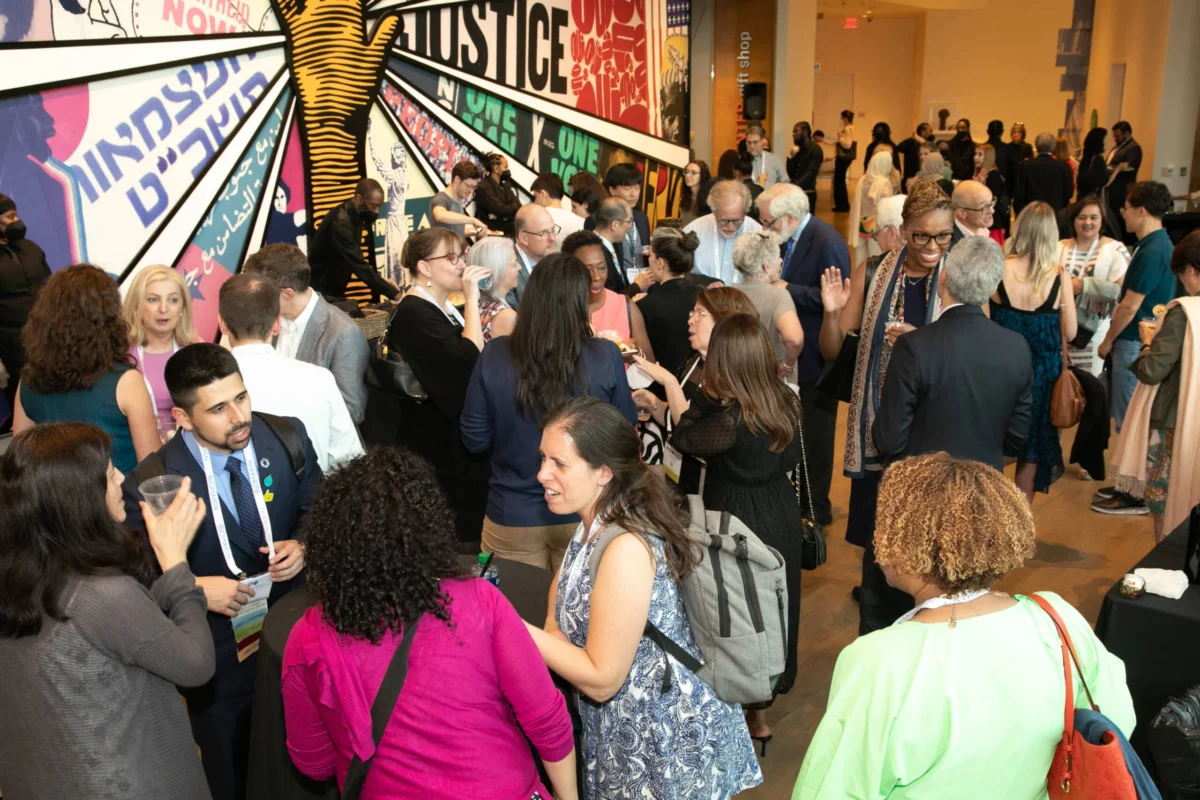
The annual ENDO meeting, hosted by the Endocrine Society, stands as the premier global gathering for clinicians, researchers, and educators in the field of endocrinology. With the conclusion of the most recent sessions and the approach of ENDO 2026 in Chicago, the international medical community has paused to reflect on the profound influence this conference exerts on professional trajectories, scientific innovation, and global health policy. Far more than a simple venue for the presentation of data, ENDO serves as a transformative environment where the intersection of science and community shapes the future of medicine.
The Strategic Significance of the Annual Meeting
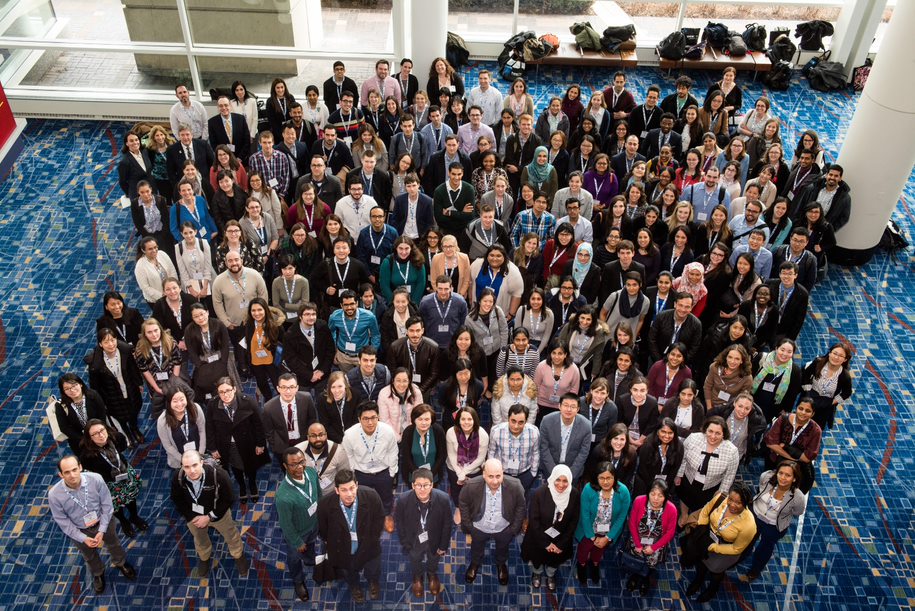
The Endocrine Society, representing over 18,000 members from 120 countries, utilizes ENDO as its primary vehicle for knowledge dissemination. Each year, thousands of attendees converge to explore the latest advancements in hormone research and clinical care, ranging from diabetes and obesity to thyroid health, bone metabolism, and reproductive endocrinology. The event is characterized by its dual focus: providing high-level scientific symposia for seasoned investigators while offering foundational mentorship and professional development for students and early-career fellows.
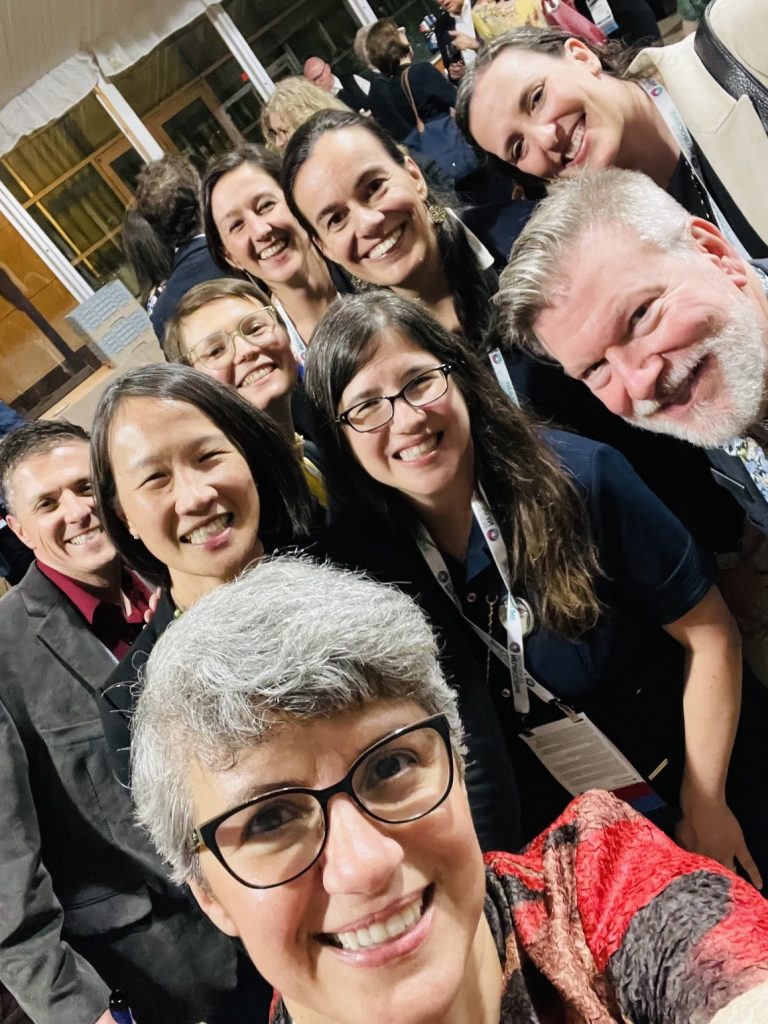
For many participants, the meeting functions as an intellectual "battery recharge." The atmosphere of ENDO is often described as unique within the medical conference circuit, blending rigorous academic scrutiny with a palpable sense of collegiality. This environment is essential for the "bench-to-bedside" pipeline, ensuring that laboratory discoveries are translated into clinical practice guidelines that affect millions of patients worldwide.
A Chronology of Career-Defining Moments
The history of ENDO is punctuated by personal and professional milestones that illustrate its role as a career catalyst. Dr. John Newell-Price, a past president of the Endocrine Society and Clinical Research Director at Sheffield Teaching Hospitals NHS Foundation Trust, recalls his first experience in 1995. At the time, as a junior fellow, the sheer scale of the meeting was overwhelming. However, the supportive yet incisive questioning he received during his first oral presentation cemented his commitment to the field. Three decades later, his journey from a nervous presenter to the Society’s presidency exemplifies the leadership pipeline fostered by the organization.
Similarly, Dr. Joy Y. Wu, now the Gerald M. Reaven, MD Professor of Endocrinology at Stanford University, credits ENDO 1998 in New Orleans as the moment she decided to specialize in the field. Watching her mentor, Dr. Anthony Means, receive the Fred Conrad Koch Lifetime Achievement Award—the Society’s highest honor—inspired her to bridge the gap between basic science and clinical investigation.
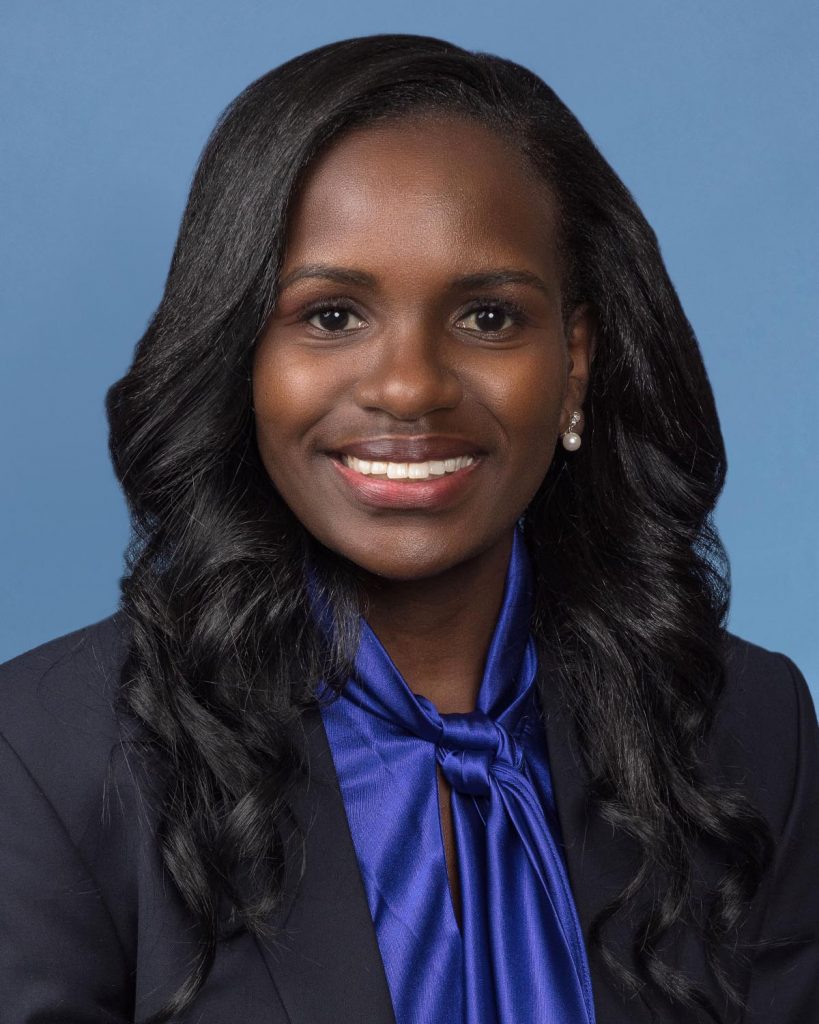
These narratives are not isolated incidents but represent a systemic pattern of professional growth. Dr. Andrea Gore, the Vacek Chair of Pharmacology at the University of Texas at Austin, notes that being invited to speak at ENDO 1998 as a new assistant professor provided a critical "boost" that sustained her career through decades of subsequent research into GnRH (gonadotropin-releasing hormone).
Bridging Research and Public Health Communication
In the modern era, ENDO has expanded its mission to include the effective communication of science to the public. The meeting’s press conferences have become a vital tool for researchers to reach major news outlets such as The New York Times.
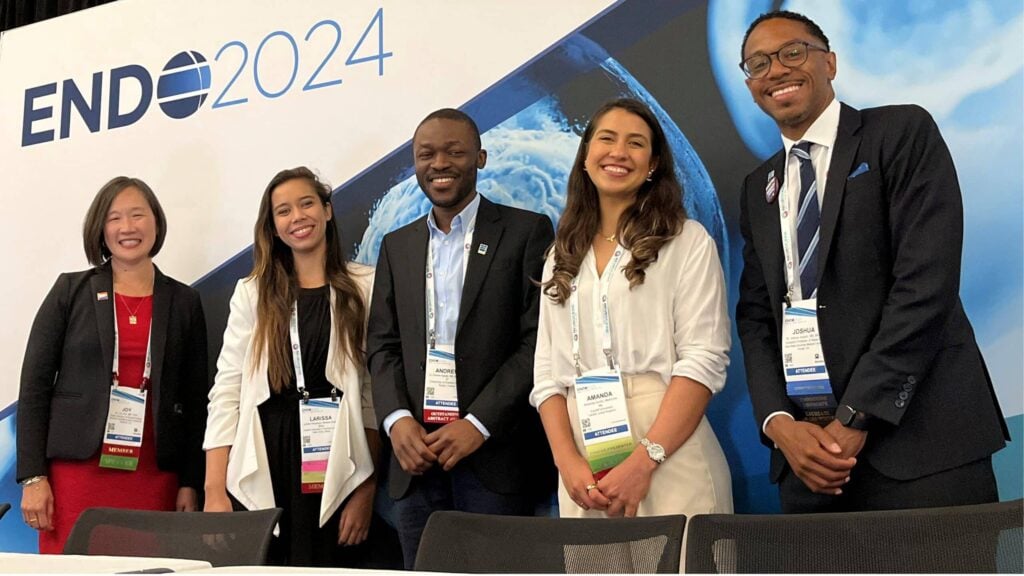
At ENDO 2024 in Boston, Dr. Andrew O. Agbaje of the University of Eastern Finland utilized this platform to share a world-first study. His research demonstrated that device-measured sedentary behavior in childhood is an independent risk factor for liver steatosis and fibrosis in young adulthood. The resulting media coverage significantly amplified the reach of his findings, leading to global discussions on pediatric metabolic health and contributing to his receipt of the Flemming Quaade Award for Innovative Approaches to Childhood Obesity.
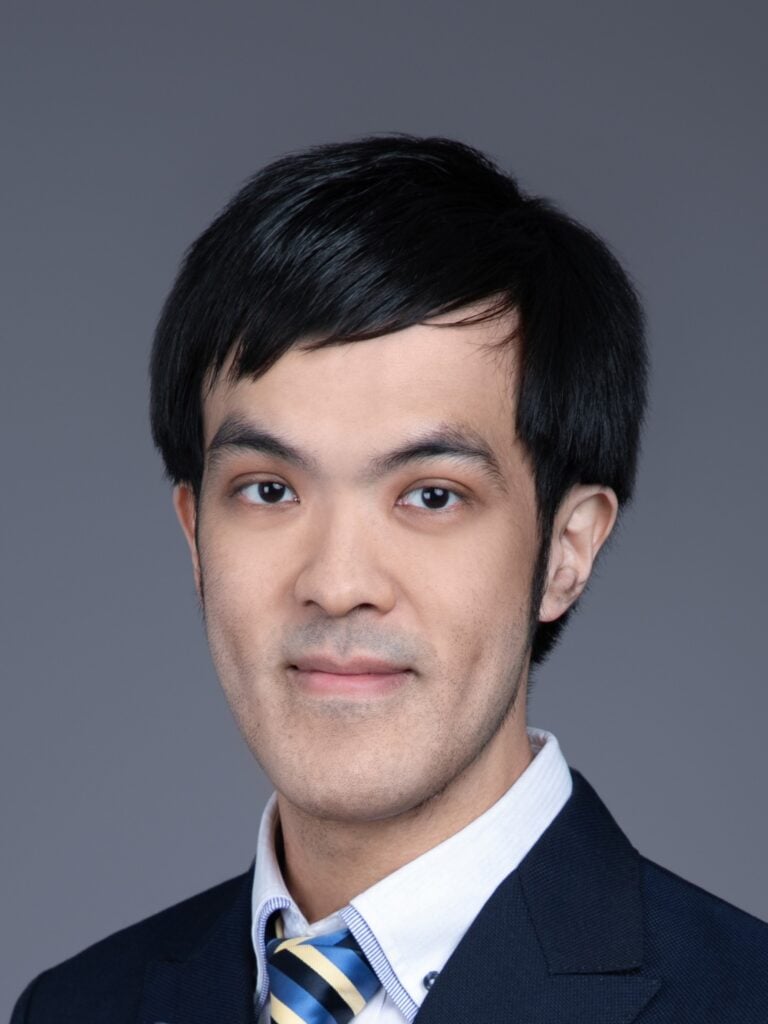
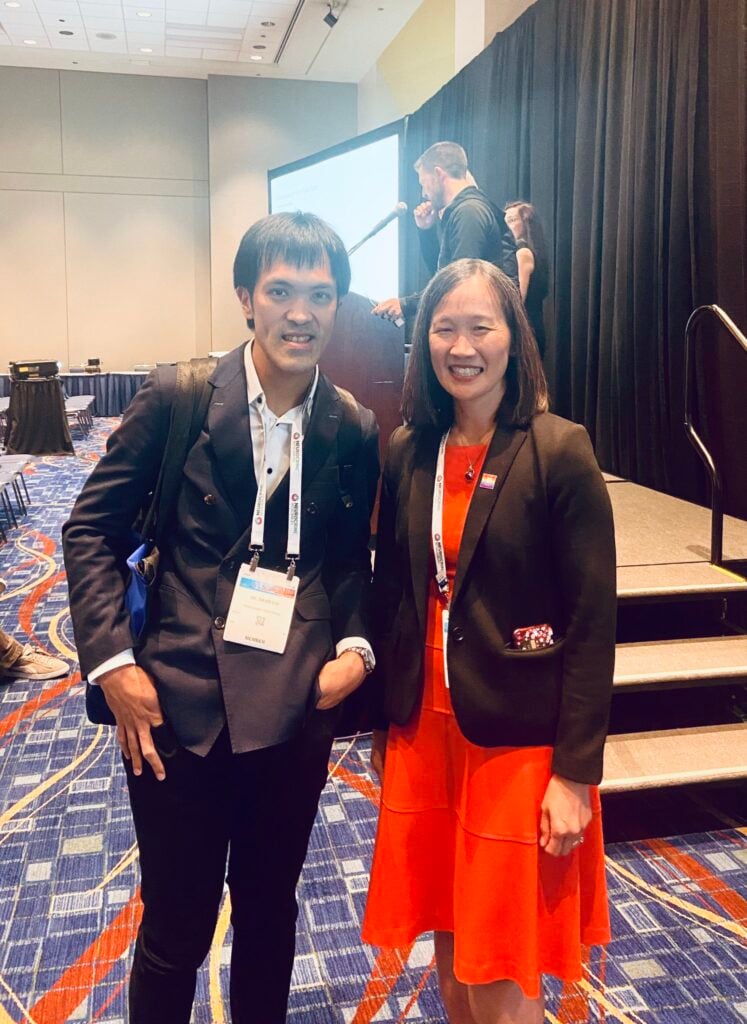
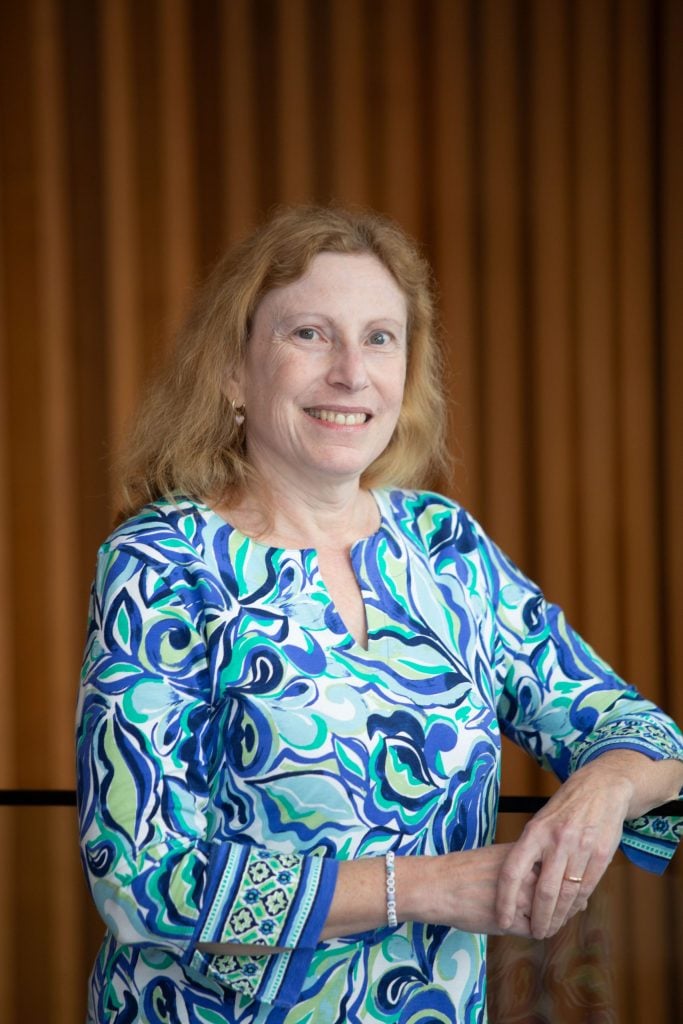
Dr. David Lui of the University of Hong Kong experienced a similar trajectory. During the virtual ENDO 2022 meeting, his research on the safety of COVID-19 vaccinations in patients with hypothyroidism was featured in a press conference. This exposure underscored the importance of scientific communication beyond academic journals. By ENDO 2023, Dr. Lui was leveraging the meeting to connect with leaders like Dr. Joy Wu to discuss the use of real-world electronic health records in addressing bone fragility in diabetes.
Fostering Diversity, Equity, and Inclusion
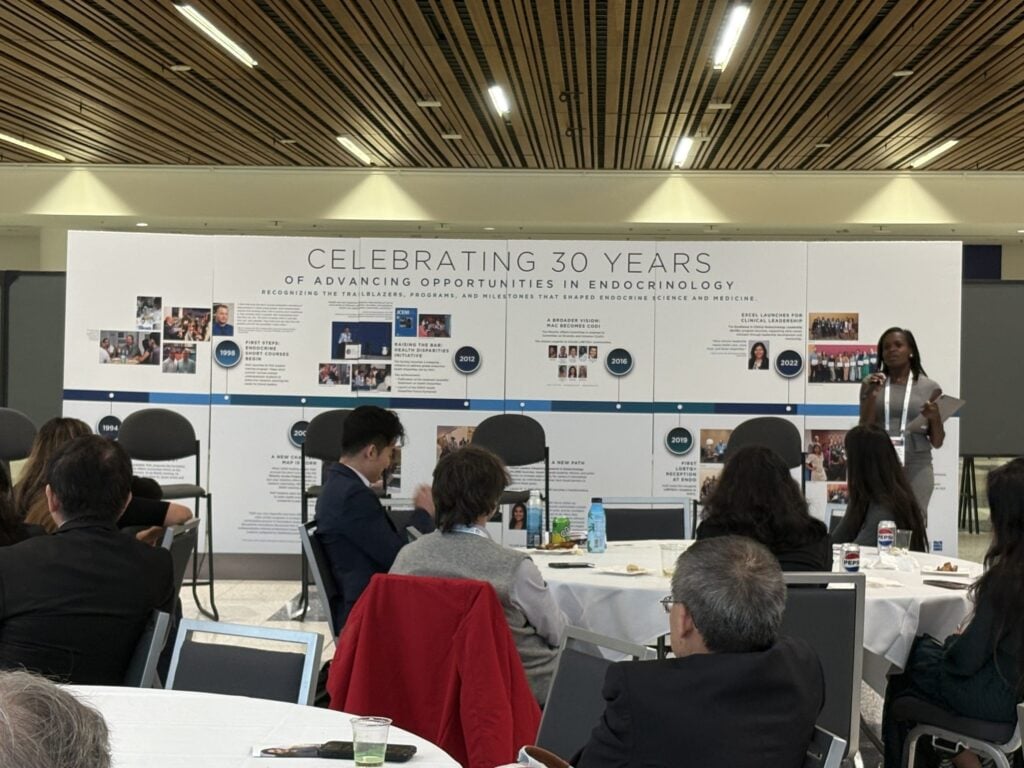
A cornerstone of the Endocrine Society’s mission is the promotion of a diverse and inclusive workforce. The Committee on Diversity and Inclusion (CODI) recently celebrated its 30th anniversary, a milestone that was a focal point of the ENDO 2025 meeting in San Francisco.
Dr. Estelle M. Everett of the David Geffen School of Medicine highlighted the CODI anniversary celebration and mentoring poster reception as a defining moment for the Society. The event allowed trainees and early-career investigators to interact directly with past presidents and senior leaders, fostering a sense of belonging that is often absent in large-scale scientific meetings.
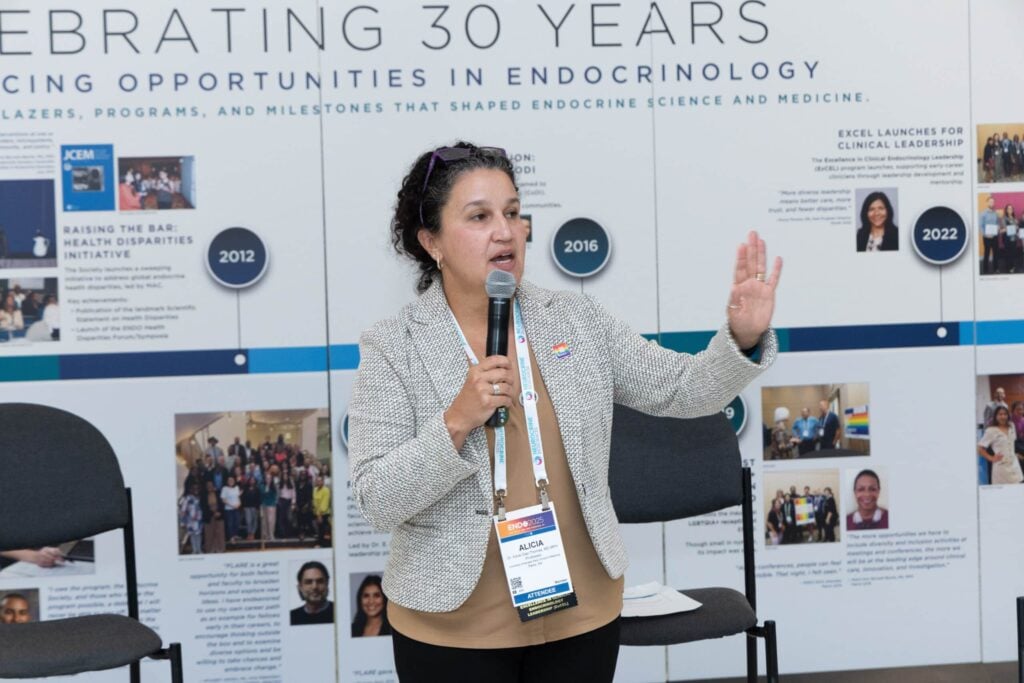
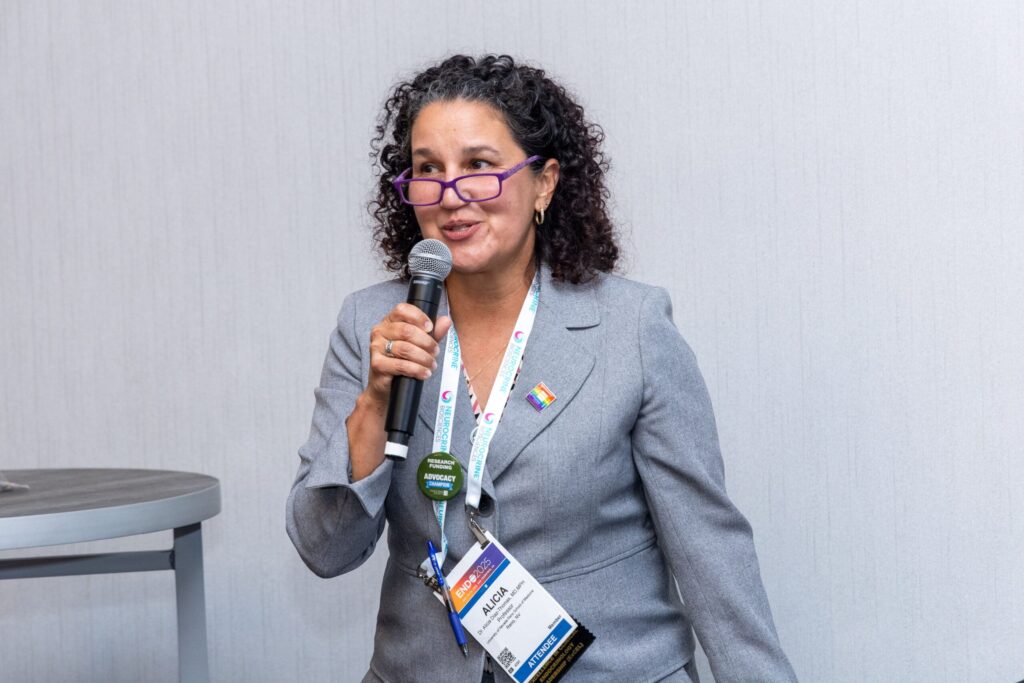
Dr. Alicia Diaz Thomas, Senior Associate Dean at the University of Nevada, Reno School of Medicine, described her first ENDO experience as a transformative "full-circle" journey. Entering the Minority Mentoring Reception as a pediatric endocrinology fellow, she felt visible and supported for the first time at a national level. Decades later, she stood in the same room, helping to mentor the next generation of physicians, proving that intentional efforts in inclusion are essential for the long-term health of the specialty.
The Global Mentorship Network
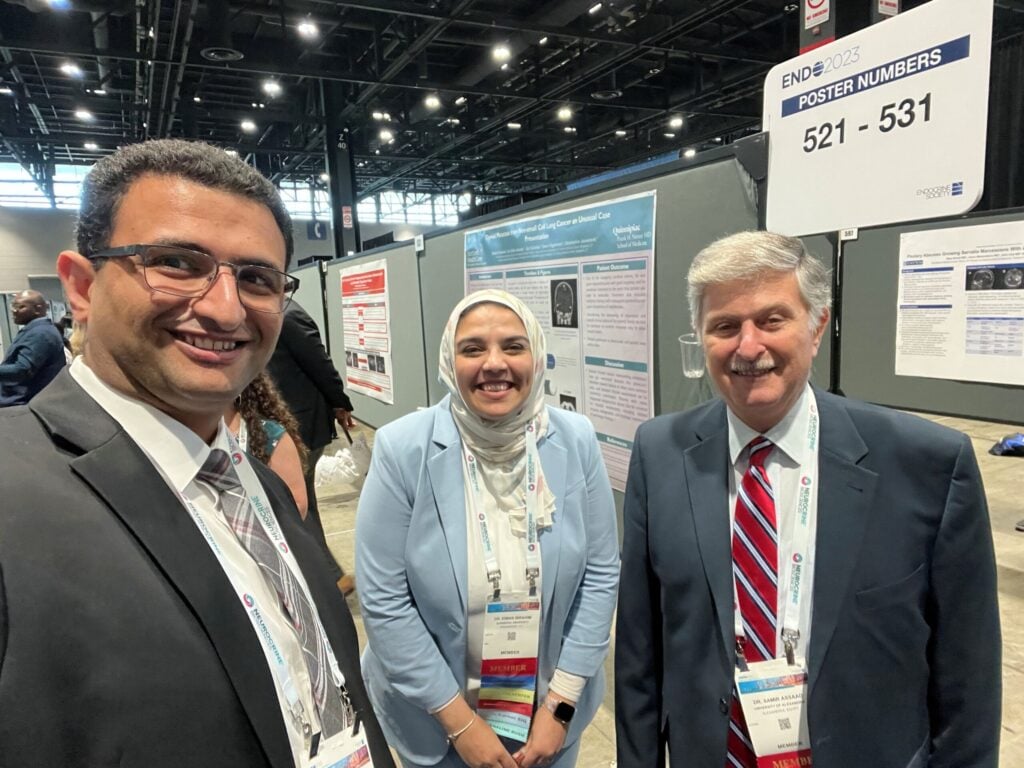
The international reach of ENDO often leads to unexpected reunions that highlight the global nature of medical education. Dr. Eiman Ibrahim, a chief fellow at the University of Missouri, recalled a "mini-class reunion" at ENDO 2023. On the exhibit floor, she encountered a former medical school classmate from Egypt, Dr. Michael Morkos, and their former professor, Dr. Samir Assaad. This encounter emphasized that mentorship transcends borders and that the foundations laid in a classroom in Egypt could flourish years later in the United States.
For international scholars, attending ENDO can be a life-altering event. Dr. Shehzad Topiwala, Director of the Institute of Endocrinology in Atlanta, shared a harrowing but ultimately triumphant story regarding ENDO 2007. After eight previous U.S. visa denials, it was the $47,000 Endocrine Scholars Award from the Society that finally convinced consular officers to approve his research exchange visa. Accompanied by his mother, Dr. Topiwala received his award in Toronto, marking the start of a successful career in American endocrinology.
Professional Development and the "Hallway Catalyst"
While the formal sessions provide the data, the informal interactions at ENDO often provide the "spark" for new research. Dr. Lauren Fishbein of the University of Colorado School of Medicine noted that her first R01 grant—the gold standard of NIH funding—took shape through conversations held in the hallways of the convention center. Encouragement from colleagues during these brief encounters gave her the confidence to pursue an ambitious research agenda that eventually secured federal funding.
Similarly, Dr. Michael Morkos of the Indiana University School of Medicine pointed to a professional development session where a senior endocrinologist’s passing comment about clinical efficiency reshaped his entire approach to patient care. By learning to prioritize the patient’s actual needs over a rigid adherence to scheduled time slots, he improved both his productivity and his clinical outcomes.
The Future of Endocrinology: Chicago and Beyond
As the Endocrine Society prepares for ENDO 2026 in Chicago and a return to Toronto in 2027, the implications of these annual gatherings remain clear. The meeting serves as a critical infrastructure for the global medical community, facilitating the exchange of ideas that would otherwise remain siloed in individual institutions.
The data presented at ENDO frequently sets the stage for new clinical guidelines issued by the Society, which are used by practitioners worldwide to treat conditions such as adrenal insufficiency, osteoporosis, and pituitary disorders. Furthermore, the focus on early-career investigators ensures that the pipeline of talent remains robust, addressing the global shortage of endocrinologists in the face of rising rates of metabolic disease.
In conclusion, ENDO is more than a conference; it is a dynamic ecosystem that sustains the professional and personal lives of those dedicated to the study of hormones. From the nervous junior fellow giving their first talk to the senior investigator receiving a lifetime achievement award, the meeting remains the definitive "place to be" for the international endocrinology community. As science continues to evolve, the connections made in the session rooms and hallways of ENDO will undoubtedly continue to shape the direction of research and the quality of patient care for decades to come.
