

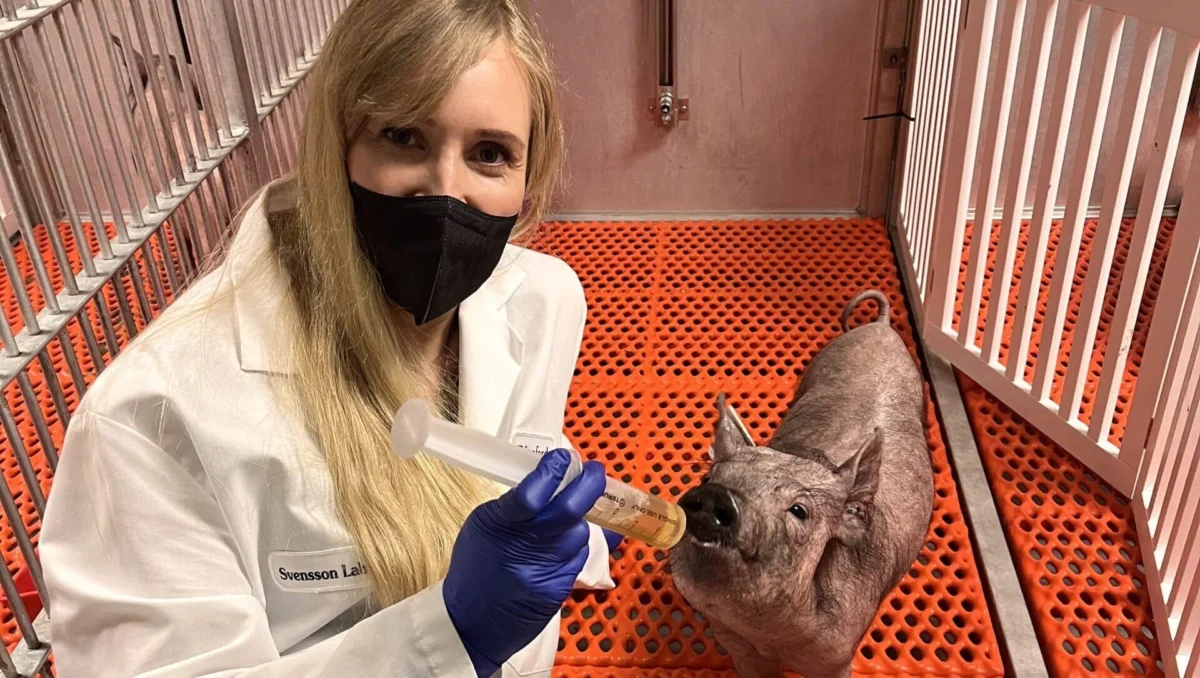
The Endocrine Society has officially named Katrin Svensson, PhD, as the recipient of the 2026 Richard E. Weitzman Outstanding Early Career Investigator Award, a distinction that highlights her significant contributions to the understanding of intercellular communication and metabolic regulation. As an associate professor in the Department of Pathology at Stanford University and the Metabolic Core Director at the Stanford Diabetes Research Center, Dr. Svensson has emerged as a leading figure in the identification of novel endocrine signaling pathways. Her work, which focuses on "hidden" conversations between cells, offers potential new avenues for treating global health crises, specifically type 2 diabetes and obesity.
The Richard E. Weitzman Award is among the most prestigious honors bestowed by the Endocrine Society, an organization founded in 1916 that now represents over 18,000 physicians and scientists worldwide. The award is specifically designed to recognize exceptionally promising young investigators whose body of work demonstrates both originality and the potential for a lasting impact on the field of endocrinology. By honoring Dr. Svensson, the Society acknowledges a career that has successfully bridged the gap between fundamental mechanistic science and translational therapeutic development.
A Career Defined by Academic Excellence and Rigorous Training
Dr. Svensson’s journey to the forefront of metabolic research began in Sweden, where she earned both her Master of Science and Doctor of Philosophy degrees from Lund University. Her early doctoral work, starting in 2007, focused on the tumor microenvironment, specifically investigating how cells communicate within a tumor to facilitate angiogenesis. This foundational interest in how cells exchange signals in pathological states eventually evolved into a broader curiosity about how these same mechanisms function under normal physiological conditions to maintain the body’s balance, or homeostasis.
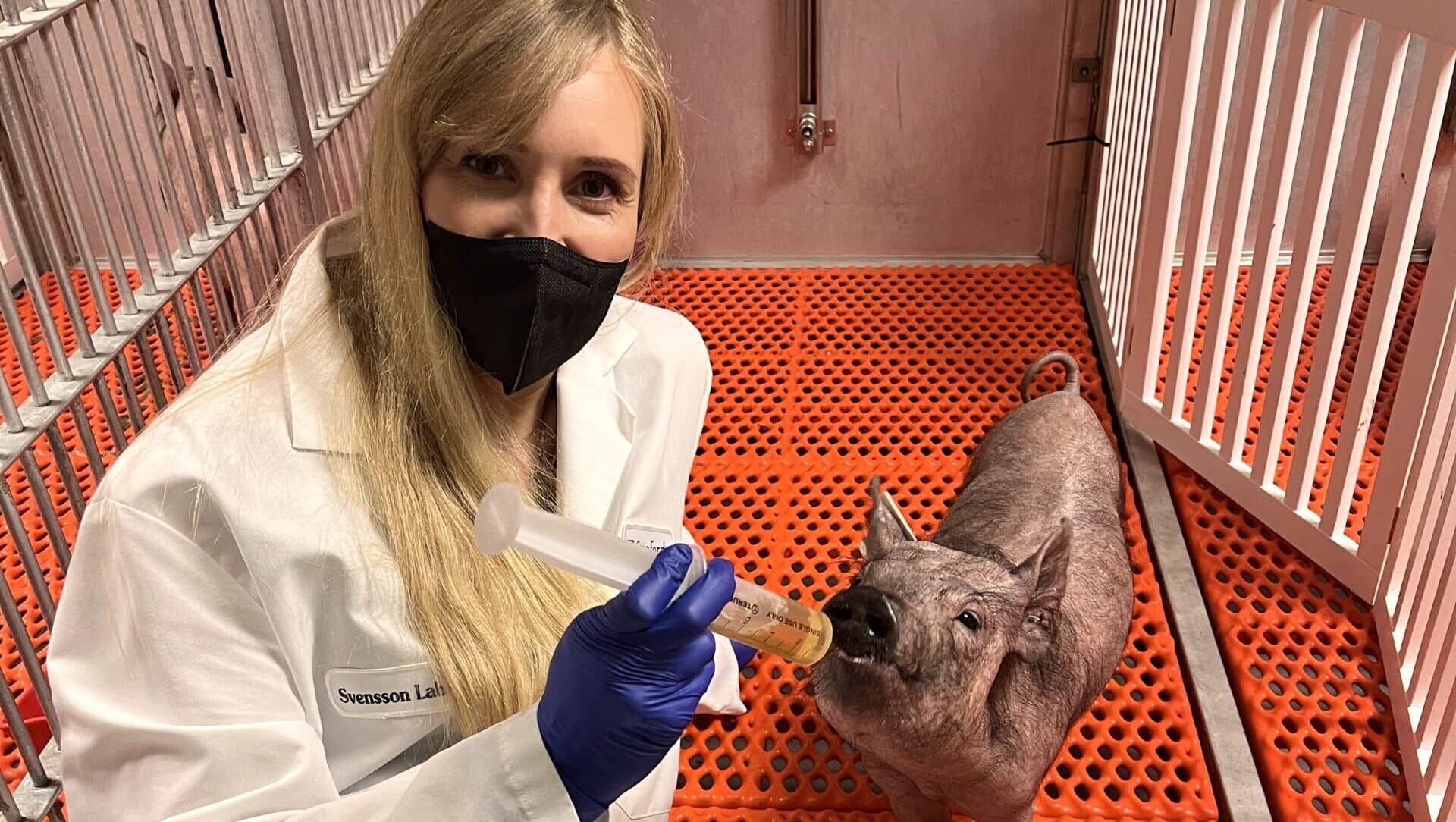
In 2013, Dr. Svensson moved to the United States to pursue postdoctoral training at Harvard Medical School under the mentorship of Bruce Spiegelman, PhD, a world-renowned expert in adipose tissue biology and metabolism. It was during this period that Dr. Svensson shifted her focus toward the "hidden" endocrine systems—secreted peptides and signaling molecules that have remained largely uncharacterized despite their vital roles in regulating organ-to-organ communication. Her time at Harvard was instrumental in shaping her approach to discovery-driven science, providing her with the tools to identify previously unknown hormones that influence systemic metabolism.
In 2018, Dr. Svensson joined the faculty at Stanford University. Since then, she has not only established a prolific laboratory but has also taken on leadership roles within the Stanford Diabetes Research Center, serving as the Affinity Group Leader and Metabolic Core Director. Her rapid ascent within the academic ranks at one of the world’s premier research institutions underscores the significance of her findings and her leadership in the scientific community.
Breakthrough Discoveries in Metabolic Signaling: Isthmin-1 and BRP
The core of Dr. Svensson’s research program lies in the discovery of novel secreted proteins that govern how the body processes energy. One of her most notable breakthroughs is the identification of Isthmin-1 (ISM1). Traditionally, insulin has been viewed as the primary regulator of glucose uptake in the body. However, Dr. Svensson’s laboratory discovered that ISM1 is a secreted protein that regulates glucose uptake and lipid metabolism through a pathway that is entirely independent of insulin.
This discovery carries profound implications for the treatment of type 2 diabetes, a condition characterized by insulin resistance. According to the World Health Organization, more than 422 million people worldwide live with diabetes, and the prevalence has been rising more rapidly in low- and middle-income countries. By identifying a protein that can trigger glucose uptake without relying on the insulin receptor, Dr. Svensson has opened the door to a new class of therapeutics that could bypass insulin resistance altogether.
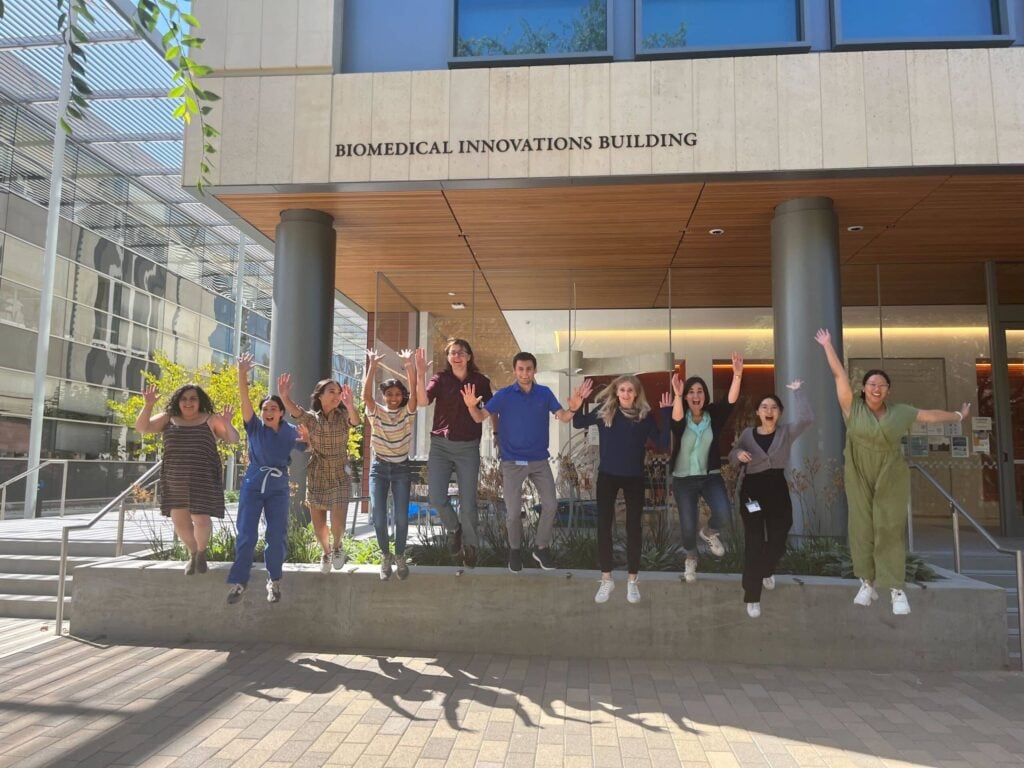
In addition to ISM1, Dr. Svensson’s group identified the BRINP2-related peptide (BRP), a non-incretin anti-obesity molecule. While current weight-loss medications, such as GLP-1 receptor agonists, have seen massive commercial success, they primarily function through the incretin system. The discovery of BRP suggests that there are alternative, non-incretin pathways that can be harnessed to suppress appetite and regulate body weight. With global obesity rates nearly tripling since 1975—affecting over 650 million adults—the need for diverse therapeutic options has never been more urgent.
To facilitate these discoveries, Dr. Svensson’s laboratory has pioneered the use of computational methods to predict new peptides and ligand-receptor pairs. This integration of "dry lab" bioinformatics with "wet lab" biological validation has accelerated the identification of novel endocrine pathways, moving the field beyond the "classic" hormones that have dominated endocrine research for decades.
Translational Impact and Entrepreneurship
Dr. Svensson’s work extends beyond the laboratory bench into the realm of clinical translation. Recognizing the therapeutic potential of her discoveries, she co-founded Merrifield Therapeutics, a biotechnology startup dedicated to developing new treatments for obesity and diabetes based on her research. The company has licensed two patents related to her findings, representing a critical step in moving biological discoveries into the pharmaceutical pipeline.
The transition from academic discovery to commercial development is a complex process, yet it is essential for addressing public health challenges. The global market for anti-obesity medications is projected to reach $100 billion by 2030, driven largely by the success of peptide-based therapies. Dr. Svensson’s work in identifying novel peptides like ISM1 and BRP positions her at the center of this burgeoning field, offering "first-in-class" opportunities for drug development that differ mechanistically from existing treatments.
The Endocrine Society’s Recognition and Broader Context
The announcement of the 2026 Laureate Awards by the Endocrine Society serves as a reminder of the vital role that basic science plays in medical advancement. The Society’s Laureate Awards are considered the "Oscars" of the endocrine world, celebrating achievements in research, education, and clinical practice. Other categories in the Laureate program include the Fred Conrad Koch Lifetime Achievement Award and the Outstanding Clinical Investigator Award, placing Dr. Svensson in the company of the field’s most distinguished figures.
In her response to the award, Dr. Svensson emphasized that the recognition reflects the collective efforts of her trainees and collaborators. She noted that pursuing "poorly understood" biology is often a high-risk endeavor that can be difficult to fund. The Weitzman Award, therefore, serves as a validation of curiosity-driven discovery and fundamental mechanistic science. It signals to the broader scientific community that exploring the unknown—rather than merely refining the known—is essential for the next generation of medical breakthroughs.
Mentorship and the Philosophy of "Organized Thinking"
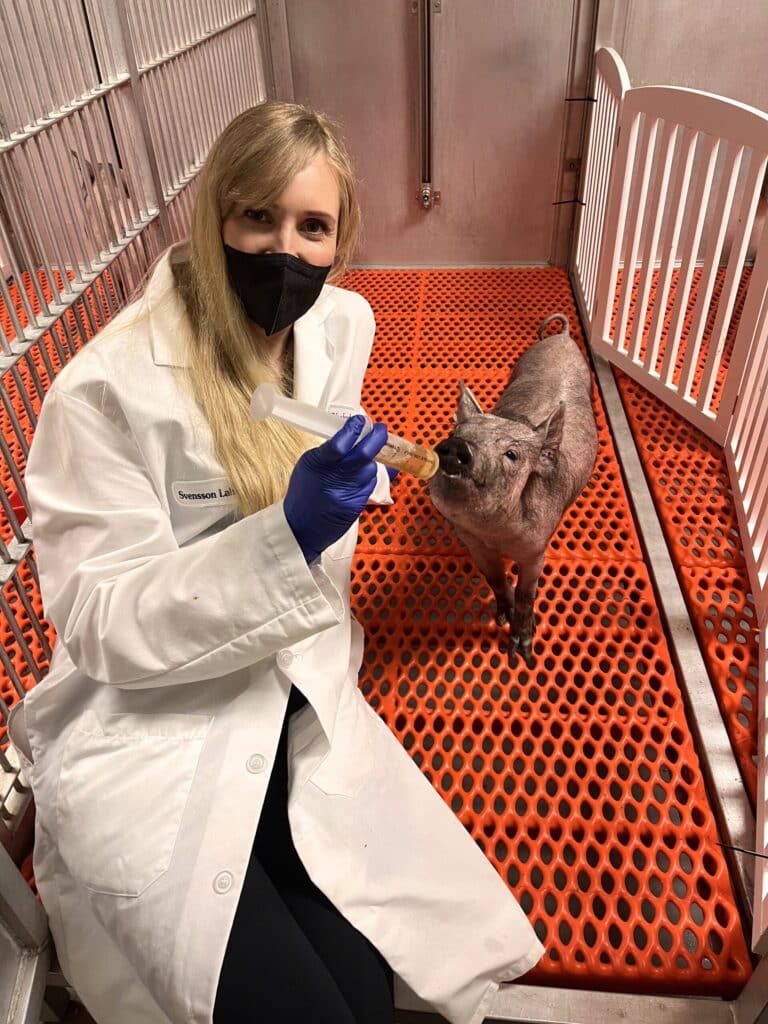
Beyond her scientific discoveries, Dr. Svensson is recognized for her commitment to mentorship and laboratory leadership. Her laboratory at Stanford is home to a diverse team of postdoctoral fellows, graduate students, and undergraduates. In an era where scientific research is increasingly collaborative and interdisciplinary, Dr. Svensson’s approach to leading a team focuses on persistence and adaptability.
She often advises her students to "follow the data honestly," even when it leads to unexpected results. This philosophy is particularly relevant in exploratory research, where experiments frequently fail or yield results that contradict existing models. Dr. Svensson maintains that the key to navigating the challenges of a scientific career is "organized thinking." This involves not just practical organization, but a disciplined approach to identifying the most critical biological questions and designing the most rigorous experiments to answer them.
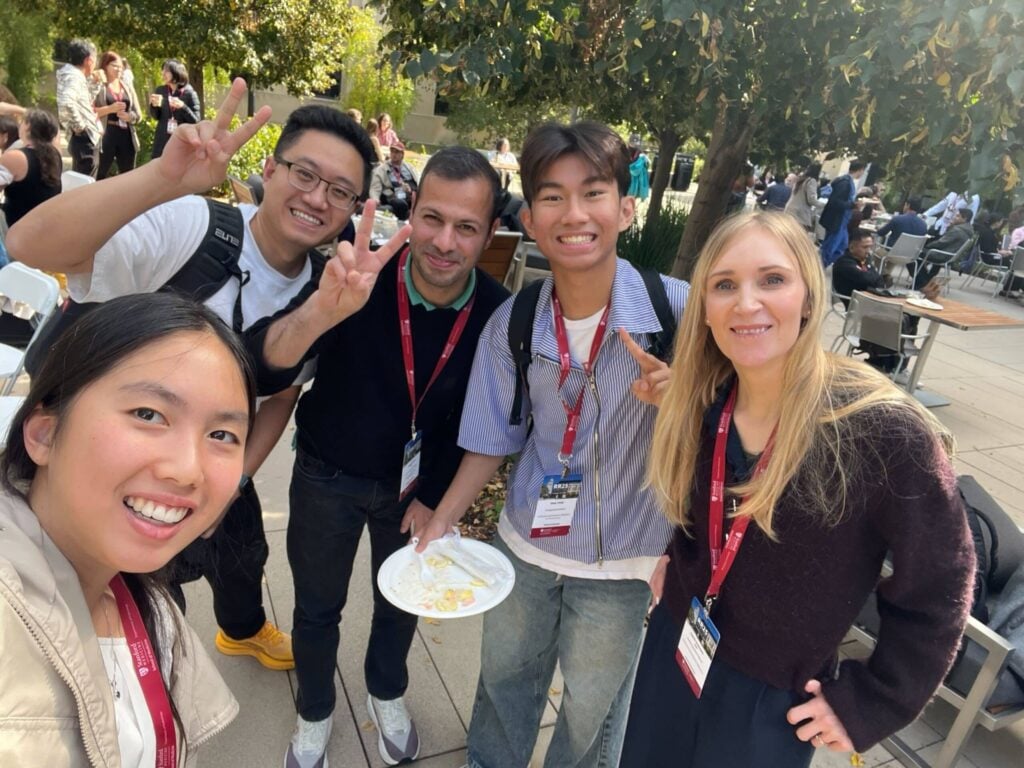
Her mentorship style is also influenced by her own experiences as a "science-embedded" family. With a husband who is also a faculty member, she describes science as a constant presence in her life, a passion that extends from the laboratory to her home. This holistic view of a life in science—balancing rigorous inquiry with a supportive community—is a model she seeks to impart to the next generation of investigators.
Future Implications for the Field of Endocrinology
As Dr. Svensson looks toward the next decade of her career, she remains convinced that the human body contains many more endocrine signaling pathways yet to be mapped. The success of GLP-1 agonists has proven that peptide therapeutics are a powerful tool for regulating physiological functions, but they represent only a fraction of the signaling molecules present in the human proteome.
The identification of "hidden" endocrine systems could fundamentally change the management of metabolic diseases. If researchers can map the full "inter-organ crosstalk" that occurs in the body, they may be able to develop more precise interventions that target specific tissues with fewer side effects. Dr. Svensson’s work suggests that the future of endocrinology lies in this complex web of communication, where every secreted peptide has the potential to be a future therapy.
The 2026 Richard E. Weitzman Outstanding Early Career Investigator Award is more than just a personal milestone for Katrin Svensson; it is a testament to the enduring importance of basic research in solving the world’s most pressing health issues. As she continues her work at Stanford, the scientific community will undoubtedly look to her lab for the next set of signals that will unlock the mysteries of human metabolism.
