

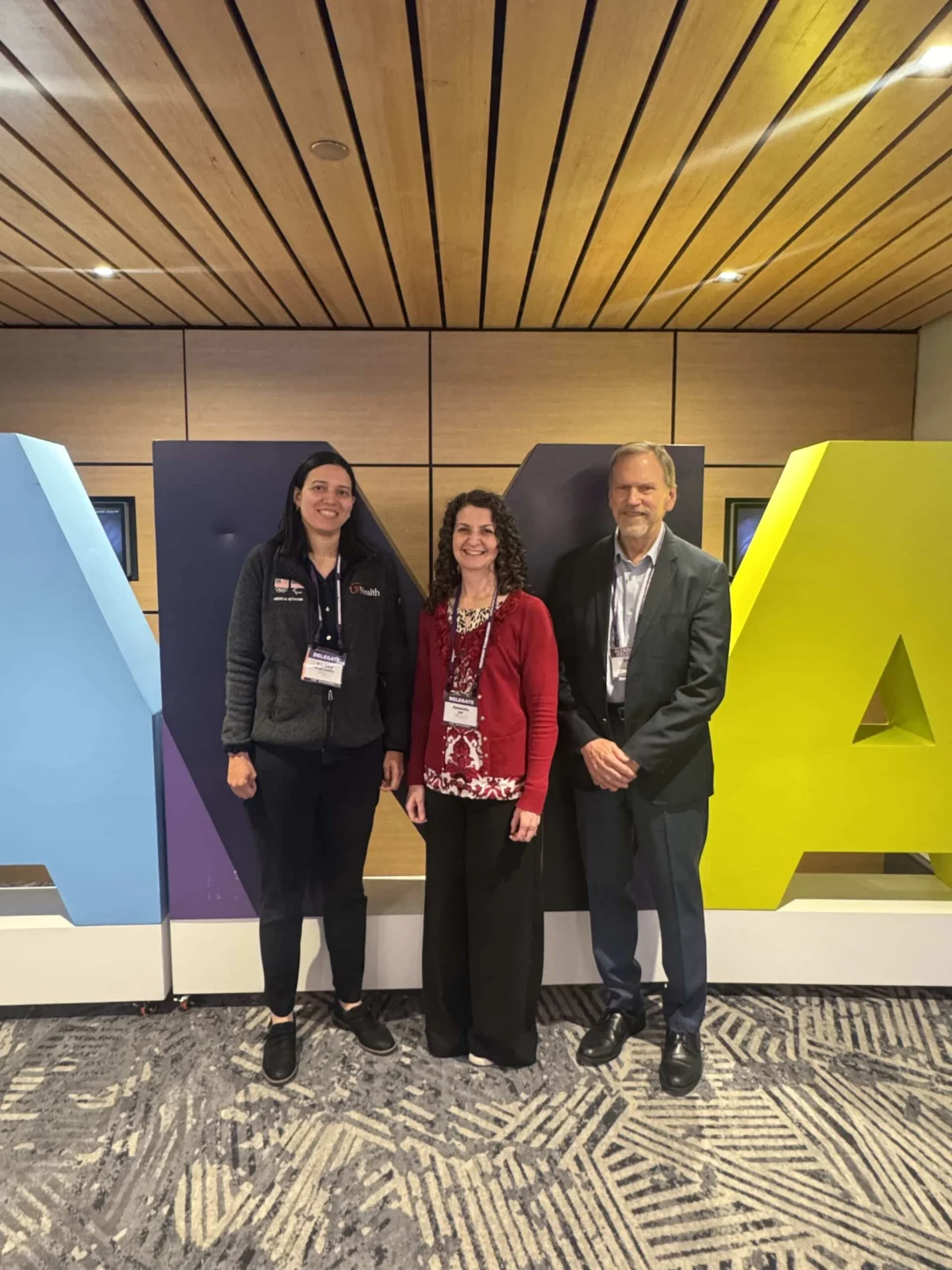
The American Medical Association (AMA) House of Delegates convened in Chicago this past June to deliberate on and establish pivotal policy positions that will guide the future of healthcare delivery, patient advocacy, and physician standards across the United States. Representing the specialized interests of the endocrine community, the Endocrine Society dispatched a distinguished delegation comprising Naykky Singh Ospina, MD, Amanda Bell, MD, and Daniel Spratt, MD. Their presence at this influential gathering was part of a strategic effort to ensure that the unique challenges faced by endocrinologists and their patients—particularly those dealing with chronic metabolic conditions and hormonal health—remain at the forefront of national medical policy.
The AMA House of Delegates (HOD) serves as the primary legislative and policy-making body of the AMA, meeting twice annually to consider resolutions that reflect the evolving landscape of modern medicine. As the "parliament of medicine," the HOD brings together physicians from every state and nearly every medical specialty to debate the merits of proposed changes to AMA’s official policy. For the Endocrine Society, participation in this forum is essential for translating clinical expertise into actionable advocacy. During the June session, the Society’s delegates focused their efforts on two critical pillars of modern healthcare: the comprehensive treatment of obesity and the advancement of women’s health initiatives.
The Legislative Framework of the AMA House of Delegates
To understand the significance of the Endocrine Society’s involvement, one must first look at the mechanism of the AMA HOD. The meeting in Chicago followed a rigorous schedule where delegates reviewed hundreds of resolutions submitted by state societies and specialty organizations. These resolutions undergo a process of testimony in reference committees, where delegates provide expert input on the scientific and practical implications of the proposed policies. Once a resolution is refined, it is voted upon by the full House.
The participation of Drs. Singh Ospina, Bell, and Spratt was not merely symbolic; it involved active negotiation and the building of coalitions with other medical specialties. By co-sponsoring and supporting specific resolutions, the Endocrine Society ensures that the AMA’s broad-reaching influence is leveraged to support evidence-based endocrine care. The decisions made during these sessions often serve as the foundation for AMA’s lobbying efforts in Washington, D.C., and influence the coverage decisions of private and public insurers.
Championing Parity in Obesity Care and Management
A primary focus for the Endocrine Society during the June meeting was the pursuit of parity in obesity treatment. The Society co-sponsored a landmark resolution addressing the long-standing disparities in how obesity is treated compared to other chronic diseases. For decades, obesity was often relegated to the realm of "lifestyle choice" by insurance providers, leading to restrictive coverage for medical interventions. The resolution supported by the Society advocates for comprehensive insurance parity, encompassing surgical interventions, pharmacotherapy, and intensive behavioral therapy.
The push for parity is grounded in the medical consensus that obesity is a complex, multi-factorial chronic disease requiring a multi-modal approach. The resolution specifically targeted the "triad of care"—surgery, drugs, and therapy—to ensure that patients have access to the most appropriate treatment based on their individual clinical needs rather than their financial ability to pay out-of-pocket. This advocacy is particularly timely given the revolutionary shift in obesity management brought about by the emergence of highly effective medications, such as GLP-1 receptor agonists.
Supporting Data: The Growing Burden of Obesity and Access Gaps
The urgency behind the Endocrine Society’s advocacy is supported by stark epidemiological data. According to the Centers for Disease Control and Prevention (CDC), the prevalence of obesity among adults in the United States reached approximately 41.9% in 2020, a significant increase from 30.5% in 2000. This rise correlates with an increase in related comorbidities, including type 2 diabetes, cardiovascular disease, and certain cancers—conditions that fall directly within the purview of endocrinology.
Despite the clinical evidence that weight loss significantly improves these comorbid conditions, insurance coverage remains inconsistent. A 2023 analysis of healthcare spending revealed that while bariatric surgery is increasingly covered by private insurers, many plans still exclude anti-obesity medications (AOMs) or impose "step therapy" requirements that delay effective treatment. Furthermore, Medicare historically has been prohibited by law from covering drugs specifically for weight loss, a policy that the Endocrine Society and the AMA are actively working to overturn through legislative support for the Treat and Reduce Obesity Act (TROA). By securing AMA support for parity, the Endocrine Society strengthens the case for federal and state-level policy changes that would mandate coverage for these life-saving treatments.
Advancing Women’s Health and Hormonal Equity
Beyond obesity, the Endocrine Society delegates were vocal advocates for resolutions focused on women’s health. Women’s health in the context of endocrinology encompasses a wide range of issues, from reproductive health and polycystic ovary syndrome (PCOS) to menopause management and osteoporosis. The Society’s involvement at the AMA meeting aimed to ensure that hormonal health is prioritized in the broader discussion of health equity and access.
The delegates supported resolutions that seek to close the gap in research and clinical care for conditions that disproportionately affect women. Historically, women’s health has been under-researched, particularly in the realm of hormonal transitions. By advocating for stronger AMA policy on these topics, the Endocrine Society helps drive the medical community toward a more nuanced and evidence-based approach to female-specific endocrine disorders. This includes advocating for better access to hormone replacement therapy (HRT) and specialized care for metabolic disorders that impact fertility and long-term health.
Chronology of the June Meeting and Policy Adoption
The June meeting followed a structured timeline that allowed for maximum deliberation. The first days were dedicated to "Reference Committee" hearings, where the Endocrine Society delegates testified on the importance of the obesity parity resolution. These sessions are crucial because they allow delegates to provide the scientific rationale for their positions to a broader audience of non-specialists.
Following the committee hearings, the resolutions were brought to the floor of the House of Delegates for final debate. The obesity parity resolution saw significant support from a broad coalition of specialties, including primary care, cardiology, and surgery, reflecting a growing consensus within the medical community that the current insurance model for obesity is inadequate. By the conclusion of the meeting, the AMA had officially adopted policies that align with the Endocrine Society’s goals, providing a clear mandate for the AMA’s legislative and regulatory advocacy in the coming year.
Official Responses and Inferred Reactions from the Medical Community
While official statements from individual delegates are often kept within the society’s internal communications, the collective success of the mission was evident in the adoption of the supported resolutions. Related parties, including patient advocacy groups like the Obesity Action Coalition (OAC), have historically lauded the Endocrine Society’s leadership at the AMA. The alignment between the AMA and the Endocrine Society sends a powerful message to the healthcare industry that the medical profession stands united in its demand for comprehensive, evidence-based care.
The reaction from the broader physician community has been largely positive, particularly regarding the shift toward treating obesity as a chronic disease. Many physicians have expressed frustration with the administrative burdens and coverage denials that prevent them from prescribing the latest evidence-based treatments. The AMA’s new policy positions provide these physicians with the backing of the nation’s largest medical association when advocating for their patients’ needs.
Broader Impact and Long-term Implications for Endocrinology
The implications of the Endocrine Society’s work at the AMA meeting extend far beyond the walls of the Chicago convention center. By successfully advocating for obesity parity and women’s health, the Society is helping to redefine the standard of care in the United States. If the AMA’s policy positions are successfully translated into legislative action, such as the passage of TROA or the adoption of new mandates by the Center for Medicare & Medicaid Services (CMS), millions of patients could gain access to treatments that were previously out of reach.
Furthermore, this advocacy work reinforces the role of the endocrinologist as a vital leader in the healthcare system. As experts in the complex hormonal systems that regulate metabolism, reproduction, and growth, endocrinologists are uniquely positioned to guide national policy on some of the most pressing health issues of our time. The participation of Drs. Singh Ospina, Bell, and Spratt ensures that the specialty’s voice is not only heard but is influential in shaping the future of medicine.
In conclusion, the June meeting of the AMA House of Delegates was a significant milestone for the Endocrine Society. The successful advocacy for obesity treatment parity and women’s health reflects a data-driven, patient-centered approach to medical policy. As the healthcare landscape continues to evolve, the efforts of these delegates will remain a cornerstone of the Society’s mission to promote endocrine health and provide a voice for both providers and patients on the national stage. The Society continues to thank its delegates for their dedication and looks forward to the next session of the House of Delegates to continue this essential work.
