

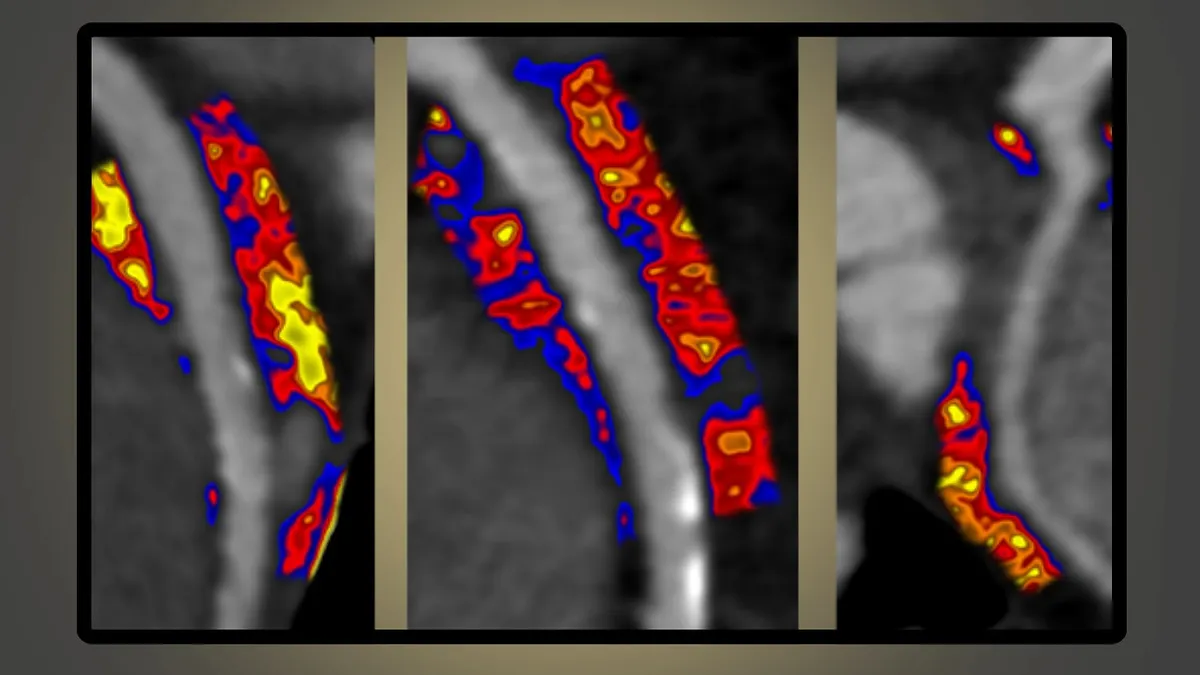
In a significant advancement for preventative cardiology, Caristo Diagnostics, a biotechnology firm born out of research at the University of Oxford, is preparing for the imminent commercial launch of its artificial intelligence-driven cardiac imaging platform in the United States. The technology, known as CaRi-Heart, is designed to identify high-risk patients who might otherwise be overlooked by traditional diagnostic methods, specifically those who do not show signs of obstructive coronary artery disease (CAD) but remain at a high risk of fatal cardiac events.
The platform’s entry into the American healthcare market follows a series of regulatory milestones and the publication of robust clinical data that suggests a paradigm shift in how clinicians assess heart health. By utilizing routine coronary computed tomography angiography (CCTA) scans, the CaRi-Heart tool quantifies coronary inflammation—a biological precursor to the development of life-threatening plaques and subsequent heart attacks. This move marks a pivotal moment for the company as it seeks to address a critical gap in the current standard of care for cardiovascular diagnostics.
Addressing the Diagnostic Gap in Coronary Care
For decades, the primary focus of cardiac imaging has been the detection of physical obstructions within the coronary arteries. CCTA is widely used to visualize the heart and its blood vessels to identify narrowed or blocked pathways. When a patient is diagnosed with obstructive CAD, the course of action is typically clear: medical intervention, stenting, or bypass surgery to restore blood flow. However, a significant clinical challenge persists for patients whose CCTA scans show "clear" or non-obstructive arteries.
Medical research has increasingly shown that the absence of a blockage does not equate to the absence of risk. Many patients who present with chest pain or other symptoms but have no significant arterial narrowing still go on to suffer major adverse cardiac events (MACE), including myocardial infarction and sudden cardiac death. Traditional risk assessment tools, which often rely on factors such as cholesterol levels, blood pressure, and age, frequently fail to predict which of these "non-obstructive" patients are in danger.
Caristo’s CaRi-Heart technology seeks to solve this by looking beyond the physical "plumbing" of the heart and instead analyzing the "fire" within the vessel walls. The AI-powered tool measures coronary inflammation by analyzing radiological changes in the perivascular fat surrounding the arteries. This inflammation is a primary driver of plaque instability; when inflamed plaque ruptures, it can lead to a heart attack regardless of whether the artery was previously obstructed.
Clinical Evidence: The ORFAN Study and Lancet Findings
The commercial push in the U.S. is supported by compelling evidence from a large-scale clinical validation study recently published in The Lancet. The study, which involved more than 40,000 patients undergoing routine CCTA at eight hospitals in the United Kingdom, tracked participants for a median of 2.7 years to determine the predictive accuracy of the CaRi-Heart platform.
The findings were stark: patients without obstructive CAD—those usually sent home with a clean bill of health—accounted for two-thirds of all major adverse cardiac events and total cardiac deaths recorded during the study period. This data highlights a massive "hidden" population of at-risk individuals who are currently underserved by the medical community.
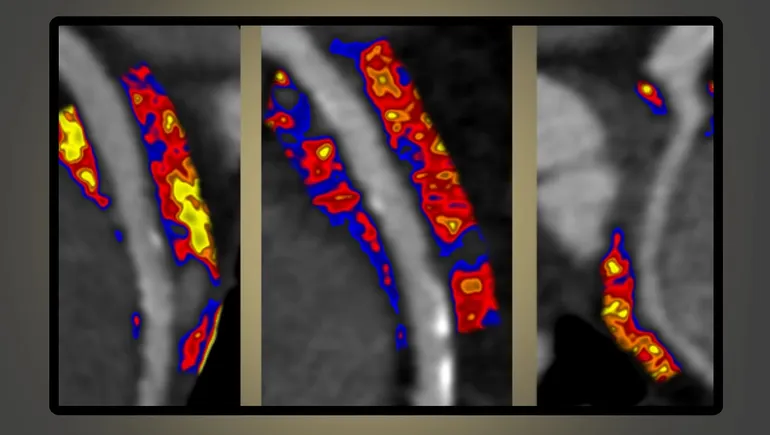
The CaRi-Heart tool demonstrated an exceptional ability to differentiate between risk categories. By combining a score based on inflammation-induced radiological changes (known as the Fat Attenuation Index or FAI-Score) with plaque burden and traditional clinical risk factors, the AI successfully assigned patients to low, medium, or very high-risk categories. Those identified as high-risk by the AI were significantly more likely to experience a cardiac event, providing clinicians with a window of opportunity to initiate aggressive preventative treatments, such as statin therapy or lifestyle interventions, before a heart attack occurs.
A Chronology of Innovation and Regulatory Approval
The journey of Caristo Diagnostics from an academic concept to a commercial-stage medtech company has been marked by rapid development and strategic regulatory navigation. The company was founded in 2018 based on the work of Professor Charalambos Antoniades and his team at the University of Oxford, who pioneered the use of AI to analyze perivascular fat.
In early 2021, the technology received its CE Mark, allowing for its use across Europe and the U.K. This was followed by a series of pilot programs within the National Health Service (NHS), where the tool began to prove its utility in real-world clinical settings.
The most critical milestone for the U.S. market occurred in 2023, when the U.S. Food and Drug Administration (FDA) granted clearance for Caristo’s CaRi-Plaque product. This tool allows for the quantification of coronary plaque and stenosis, providing a comprehensive view of a patient’s arterial health. Building on this, the CaRi-Heart technology received FDA authorization to quantify coronary inflammation—making it the first and only technology in the U.S. authorized for this specific purpose using routine CCTA images.
To support the commercial rollout, the American Medical Association (AMA) issued new Category III CPT (Current Procedural Terminology) codes for coronary inflammation imaging, which took effect in January 2024. These codes are essential for healthcare providers to seek reimbursement from insurance companies, clearing a major hurdle for the widespread adoption of the technology in American hospitals.
Strategic Leadership for Global Expansion
Recognizing the complexities of the U.S. healthcare market, Caristo Diagnostics has spent the last several months fortifying its executive leadership team with industry veterans. In April 2024, the company appointed Stephen Deitsch as Chief Executive Officer. Deitsch joined Caristo from OrganOx, where he served as Chief Financial Officer during a period of significant growth that culminated in a $1.5 billion acquisition by Terumo. His experience in scaling medical technology firms is seen as a vital asset for Caristo’s next phase of growth.
Joining Deitsch is David Vort, who took on the role of Chief Commercial Officer. Vort’s pedigree includes leadership roles at iRhythm Technologies and Cytovale, where he successfully navigated the commercialization of disruptive diagnostic technologies. At Caristo, Vort is tasked with overseeing the U.S. launch and establishing partnerships with major cardiovascular centers.
Completing the executive expansion is Chris Louk, who was appointed Chief Financial Officer. Louk brings extensive experience in financial management within the life sciences sector, ensuring that the company is well-capitalized to support its ambitious expansion plans, which include a broader rollout scheduled for the fourth quarter of 2024.

Broader Implications for Preventative Cardiology
The introduction of CaRi-Heart into the U.S. market is expected to have far-reaching implications for both patients and the healthcare system. Cardiovascular disease remains the leading cause of death globally, and the economic burden of treating heart attacks and chronic heart failure is immense. By shifting the focus from reactive treatment to proactive prevention, AI-driven tools like those from Caristo have the potential to reduce hospitalizations and save lives.
From a clinical perspective, this technology represents the "missing link" in personalized medicine for heart disease. Currently, many patients are over-treated with medications they may not need, while others—those in the "hidden" high-risk group—are under-treated. Caristo’s ability to provide a precise, individualized risk profile allows for more targeted therapy.
Furthermore, the integration of AI into routine imaging workflows demonstrates how machine learning can extract "invisible" data from existing diagnostic tests. Because CaRi-Heart analyzes standard CCTA scans, hospitals do not need to invest in new, expensive hardware. The AI operates as a software-as-a-service (SaaS) layer, enhancing the value of the imaging equipment already in place.
Future Outlook and Market Adoption
As Caristo Diagnostics begins its U.S. rollout this quarter, the focus will be on demonstrating clinical utility to cardiologists and radiologists while working with payers to secure coverage. The company’s strategy involves leveraging the newly established CPT codes to ensure that the technology is accessible to a broad patient demographic.
The fourth quarter of 2024 is slated for an expanded rollout, during which Caristo intends to increase its footprint across major U.S. healthcare networks. With heart disease continuing to pose a massive public health challenge, the ability to identify the "vulnerable patient" before they become a "cardiac patient" is a goal that has long eluded the medical community. Through the fusion of Oxford-based research and advanced artificial intelligence, Caristo Diagnostics appears positioned to turn that goal into a clinical reality.
As the medtech industry watches closely, the success of this launch could signal a new era where inflammation—not just obstruction—becomes a primary metric in the fight against heart disease. The data from the ORFAN study has already set the stage; now, the challenge lies in integrating this intelligence into the daily practice of American cardiology to prevent the next generation of heart attacks.
