

A groundbreaking study published in Chemico-Biological Interactions is delving into the intricate chemical makeup of kava (Piper methysticum Forst), aiming to shed light on the persistent questions surrounding its association with a small number of liver injury cases. The research, a collaborative effort between Sonoran University of Health Sciences and Thorne Research, meticulously examines the plant’s constituents and their potential interactions with the human liver, a crucial organ for detoxification. This investigation comes at a time when regulatory landscapes for kava vary significantly across the globe, leaving consumers and manufacturers navigating a complex and often inconsistent framework.
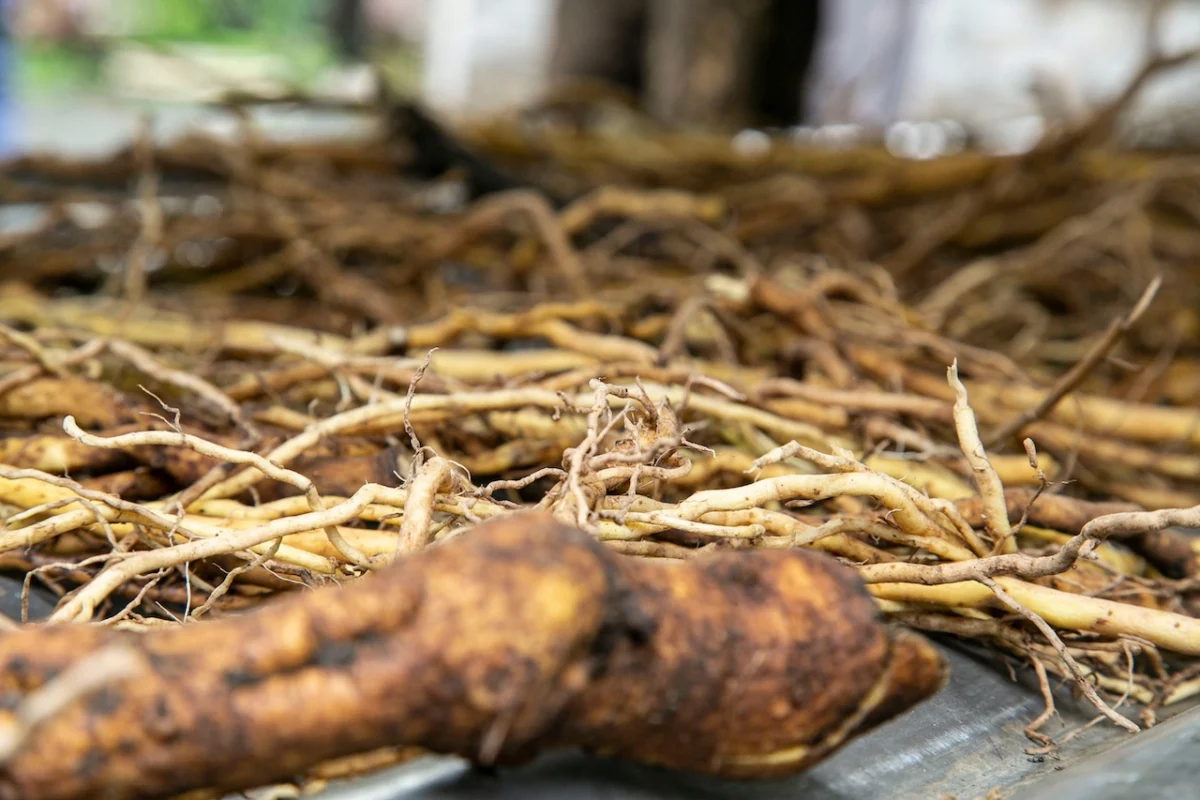
Kava, a botanical deeply rooted in the cultural traditions of the South Pacific islands, has been consumed for millennia in a beverage form, celebrated for its profound relaxing effects and mild euphoric qualities. The traditional preparation involves pounding kava roots and steeping them in water. The primary psychoactive compounds, known as kavalactones, are credited with modulating neurotransmitter activity. However, the plant’s chemistry is far from simple, with over 40 distinct compounds identified within its root structure. Modern extraction methods, utilizing water, ethanol, or a combination of both, yield extracts typically sold in capsule form, with powdered root products also available.
The debate surrounding whether these contemporary processing techniques might alter the plant’s chemistry, thereby increasing the risk of liver injury, remains ongoing. Despite these concerns, the overall safety profile of kava in modern usage is generally considered good. It is crucial to acknowledge that reported cases of kava-associated liver injury are exceptionally rare, with fewer than 100 documented instances across the United States and Europe combined. Nevertheless, a handful of severe reactions necessitating liver transplants underscore the seriousness of these rare events, which cannot be dismissed.
This scientific inquiry into kava’s complex pharmacology is particularly relevant given the fragmented international regulatory response to the botanical. While kava users in the United States have largely enjoyed uninterrupted access to the product, other nations have adopted more stringent measures. Germany, for instance, implemented a ban in 2002, only to lift it in 2014 following a reassessment that deemed the substance to pose a low risk. Conversely, France, Japan, and Switzerland continue to maintain bans on kava. Australia, after an initial prohibition, has since relaxed most of its restrictions, reinstating access around 2022. This patchwork of regulations highlights the ongoing challenge of harmonizing scientific understanding with public health policy.
The study authors focused their investigation on kava’s impact on the cytochrome P450 (CYP) enzyme system. This critical enzyme family plays a pivotal role in the biotransformation and clearance of a vast array of xenobiotics—foreign compounds—and potentially toxic substances from the body. CYP enzymes are predominantly found in hepatocytes, the primary functional cells of the liver, which constitute approximately 80% of the organ’s mass. Therefore, any substance that significantly interacts with these enzymes warrants thorough scrutiny for potential hepatic effects.
In Vitro Analysis: Examining Kava’s Impact on Hepatic Enzymes
For their research, the scientists prepared their own water and ethanolic extracts from kava roots sourced from Pentecost Island in Vanuatu. These roots were derived from a "noble" cultivar, a designation signifying varieties of known provenance and established performance, generally preferred for consumption due to their consistent quality and safety profile. Kava’s inherent variability means that not all cultivars are created equal, making the selection of "noble" varieties a critical factor in ensuring reliable outcomes.
The cellular assays were conducted using human liver cells, specifically the HepG2 cell line, an immortalized cell line frequently employed in pharmacological studies due to its stability and ability to mimic certain liver functions. These cells were cultured and stabilized in a dimethyl sulfoxide (DMSO) solution, a standard practice in such experimental designs to ensure proper cell viability and consistent assay conditions. The use of DMSO, while standard in vitro, is a point of contention for some experts, as discussed later in this report.
The primary objective of this in vitro assay was to comprehensively assess the extent of kava’s effects on the CYP enzyme system. Researchers sought to determine whether these observed effects were solely attributable to the well-known kavalactones or if other, less-studied constituents of kava might also play a significant role. This nuanced approach is essential for a complete understanding of the plant’s complex pharmacological profile.
The findings revealed measurable differences between the water and ethanolic extracts. The study’s authors concluded that "Conventional dosing of aqueous kava is unlikely to produce clinically significant CYP interactions, while high-dose ethanolic preparations may approach inhibitory thresholds for CYP1A2 and 3A4." These specific enzymes, CYP1A2 and CYP3A4, are particularly important as they metabolize a wide range of pharmaceutical drugs and other compounds. The implication is that while water-based preparations appear to pose a lower risk of significant enzymatic interaction, concentrated ethanolic extracts, especially at higher doses, might warrant closer monitoring.
However, the researchers themselves acknowledged a critical caveat: "The ongoing widespread use of both water and organic solvent extracted kava with minimal reports of hepatotoxicity supports the need for translational studies to clarify whether the observed CYP modulation and cytotoxicity are clinically meaningful." This statement highlights a significant disconnect between the in vitro findings and the real-world consumption patterns and reported safety data. It underscores the challenge of directly extrapolating laboratory results to clinical outcomes in humans.
Expert Commentary: A Call for Caution Against Over-Interpretation
Bill Gurley, Ph.D., a distinguished researcher from the National Center for Natural Products Research at the University of Mississippi, who conducted significant kava research in the mid-2000s, has voiced caution against prematurely sounding alarm bells based on these new findings. Dr. Gurley emphasized the potential for misinterpretation when extrapolating in vitro study results to the broader market of kava products.
"This is a classic disconnect that occurs often with in vitro studies like this one that use DMSO to solubilize the kavalactones, or any lipophilic phytochemical," Dr. Gurley stated in an interview with SupplySide Supplement Journal. "Consumers don’t take their botanical dietary supplements with DMSO or even dilute solutions of DMSO." This observation points to a critical limitation of the study’s methodology from a practical consumer perspective. The artificial environment of the lab, utilizing DMSO as a solubilizing agent, does not replicate how individuals consume kava in their daily lives.
Dr. Gurley further elaborated on his own clinical research, stating, "We demonstrated in three clinical studies—all cited by these authors—that standardized kava extract products do not modulate human CYP activity in vivo to any clinically relevant degree. If a novel formulation happens to come along that might improve both the bioaccessibility and bioavailability of kavalactones, then things might change." His remarks suggest that previous in vivo studies have not supported the notion of significant clinical interactions with CYP enzymes when kava is consumed in its typical forms. The potential for altered bioavailability with new formulations, however, remains an area for continued observation.
Historical Context and Regulatory Evolution
The history of kava’s regulatory journey is marked by significant shifts, reflecting evolving scientific understanding and varying national risk assessments. Following initial concerns about potential liver toxicity, several countries took swift regulatory action. Germany’s ban in 2002, for instance, was a direct response to a cluster of reported liver injury cases. However, the subsequent lifting of this ban in 2014, based on re-evaluation of the evidence and a consensus that the risk was low for properly prepared kava, illustrates the dynamic nature of regulatory science.
The continued bans in countries like France and Japan, despite similar scientific re-evaluations in other regions, highlight the lack of a unified global approach. Australia’s experience, moving from a ban to a relaxation of restrictions, further underscores this inconsistency. For consumers and the supplement industry, this regulatory patchwork creates challenges in market access and consumer information, as product availability and labeling requirements can differ drastically from one jurisdiction to another.
The Kavalactone Conundrum and Potential Contributors to Hepatotoxicity
The kavalactones themselves are a diverse group, with the most abundant being kawain, dihydrokawain, methysticin, and dihydromethysticin. These compounds are believed to exert their effects by influencing GABA receptors and voltage-gated ion channels in the brain, contributing to kava’s anxiolytic and sedative properties. However, the exact mechanisms by which kava might induce liver injury, even in rare instances, remain a subject of intense scientific debate.
Beyond the kavalactones, kava root contains other compounds, including flavonoids, alkaloids, and chalcones. Some researchers have speculated that certain minor constituents, or the synergistic interactions between different compounds, could be implicated in adverse liver reactions. The new study’s focus on broader CYP interactions suggests that the impact might not be solely confined to the primary kavalactones, but could involve a more complex interplay of the plant’s phytochemical profile.
The specific preparation methods employed also play a crucial role. Traditional aqueous extracts, for example, tend to have a different chemical profile than ethanolic extracts, which can concentrate lipophilic compounds. The potential for liver toxicity may be linked to the specific profile of compounds present in different extract types and their subsequent metabolic pathways. The HepG2 cell line assay, by examining different extract types, provides a valuable initial step in differentiating these potential impacts.
Implications for the Supplement Industry and Consumers
The findings of this new study, while preliminary and subject to further validation, carry significant implications for the global kava market. For manufacturers, it reinforces the importance of rigorous quality control, standardized extraction processes, and transparent labeling. Understanding which specific compounds and extraction methods are associated with potential CYP interactions could lead to the development of safer, more targeted kava products.
For consumers, the study emphasizes the need for informed choices. While kava is generally considered safe for most individuals, those with pre-existing liver conditions or those taking medications that are metabolized by the CYP system should exercise caution and consult with healthcare professionals. The distinction between traditional water extracts and more concentrated ethanolic preparations, as suggested by the study, may become an important factor for consumers to consider.
The ongoing scientific exploration into kava’s complex chemistry is a testament to the intricate relationship between botanicals and human health. As research progresses, it is hoped that a clearer understanding will emerge, enabling both the industry and regulatory bodies to make evidence-based decisions that prioritize consumer safety while preserving access to the traditional benefits of this remarkable plant. The journey to fully unravel kava’s secrets is far from over, but this latest study represents a significant stride forward in that pursuit, prompting further investigation into the nuanced interactions between plant compounds and human physiology. The scientific community will be closely watching for future research that builds upon these findings, particularly translational studies that bridge the gap between in vitro observations and real-world clinical outcomes.
