

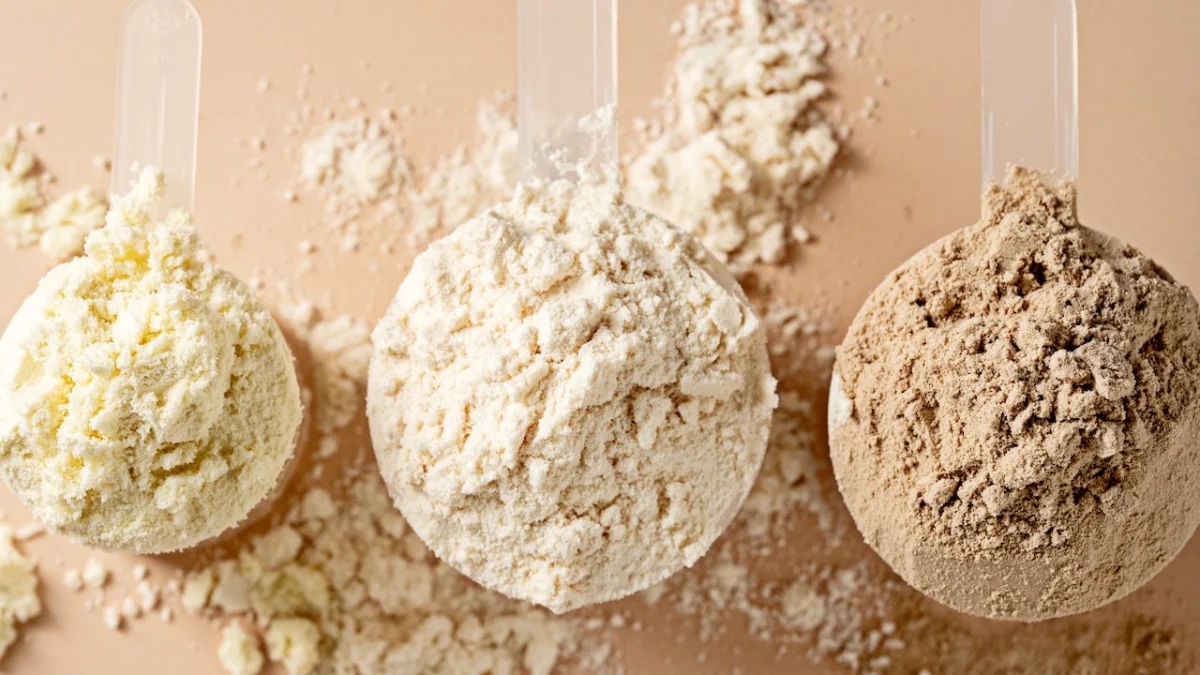
A recent comprehensive review published in Cell Press Blue has ignited a crucial conversation within the health and nutrition scientific community: the potential benefits of protein restriction, and more specifically, the restriction of certain amino acids, for promoting cellular processes associated with healthy aging and extending longevity. This nuanced exploration challenges the prevailing "more is better" narrative surrounding protein intake that has dominated recent years, urging a deeper understanding of its complex role in human health.
The research, spearheaded by Dudley Lamming, Ph.D., a professor at the University of Wisconsin-Madison and lead author of the paper, synthesized existing data to investigate whether limiting protein and specific amino acids could positively influence cellular pathways linked to a longer, healthier lifespan. While acknowledging the undeniable importance of protein for muscle growth and athletic performance, Lamming highlighted a critical distinction for the general population. "It’s absolutely crystal clear that there are benefits of protein to muscle growth and exercise response of active individuals," Lamming stated. "But because most people are relatively sedentary, many people are likely consuming more protein than they actually need, which probably has negative health consequences." This observation underscores a growing concern that widespread dietary habits may be inadvertently contributing to suboptimal health outcomes due to excessive protein consumption.
The Conventional Wisdom: Protein for Muscle and Satiety
For decades, the prevailing dietary advice has emphasized the role of protein in building and maintaining muscle mass, as well as promoting satiety, which can aid in weight management. This understanding is deeply ingrained in public health messaging and the fitness industry. Erik Bustillo, RD, a performance dietitian for the U.S. Navy, echoed this sentiment, explaining the physiological reality of aging. "As we age, our anabolic response to protein decreases, which means we need to consume a bit more to help support muscle health and maintenance," Bustillo noted. This perspective aligns with current recommended daily allowances (RDAs) for protein, which are designed to prevent deficiencies and support essential bodily functions.
The World Health Organization (WHO) currently sets the baseline RDA for protein at 0.8 grams per kilogram of body weight. However, for older adults, recommendations often increase to a range of 1 to 1.2 grams per kilogram of body weight to combat sarcopenia, the age-related loss of muscle mass. More recent guidelines, such as the Dietary Guidelines for Americans, even suggest a higher intake for many individuals, ranging from 1.2 to 1.6 grams of protein per kilogram of body weight, reflecting a focus on supporting overall health and activity levels. Registered dietitian Maryann Walsh corroborated the importance of protein for maintaining lean muscle mass, emphasizing the synergistic effect of strength training. "Protein supports lean muscle mass – by incorporating strength training and optimizing our protein intake, we can help maintain lean muscle mass as we age," Walsh stated.
Unraveling the Protein Paradox: A Double-Edged Sword?
Despite these established benefits, the new report from Cell Press Blue introduces a compelling counterpoint, suggesting that protein, particularly in excess and when consumed by a predominantly sedentary population, might act as a double-edged sword. Lamming and his co-authors pointed to an emerging body of research that associates higher protein intake with an increased incidence of certain diseases and even mortality. This connection, they suggest, may be linked to specific cellular hallmarks of aging that can be influenced by protein and amino acid metabolism.
The review highlights several key areas where protein and amino acid restriction have shown promise in preclinical studies and observational data related to healthy aging. These include:
- Metabolic Health: Certain patterns of protein intake have been linked to improved insulin sensitivity and better regulation of blood sugar levels.
- Senescence: The reduction of cellular senescence, a state where cells stop dividing and can contribute to inflammation and tissue dysfunction, has been observed with dietary interventions involving protein restriction.
- Mitochondrial Function: Protein intake can influence the efficiency and health of mitochondria, the powerhouses of our cells, which play a critical role in energy production and cellular aging.
- Epigenetic Modification: Dietary components, including amino acids, can impact epigenetic markers, which are chemical tags on DNA that influence gene expression without altering the underlying DNA sequence. These modifications are increasingly recognized as crucial in the aging process.
The researchers specifically identified the restriction of certain amino acids – methionine, isoleucine, and valine – as areas of particular interest. These branched-chain amino acids (BCAAs) are abundant in animal proteins and have been implicated in pathways that can influence growth and metabolism. However, the translation of these findings from animal models to humans remains a significant area of scientific inquiry. Tim Ziegenfuss, Ph.D., CEO of the Center for Applied Health Sciences, offered a cautious perspective on this aspect. "The rodent work on total protein and methionine restriction is consistent; the human translation is not," Ziegenfuss commented, emphasizing the need for more robust human clinical trials before definitive conclusions can be drawn.
Navigating the Nuances: Who Should Limit Protein?
Given the conflicting messages and the complexity of the research, a crucial question arises: should the average consumer consider limiting their protein intake? The consensus among many industry experts and dietitians suggests a more individualized and nuanced approach, rather than a blanket recommendation for protein reduction for the general population.
Bustillo advocates for prioritizing consistent physical activity over drastic dietary changes. "I would be more concerned with consistently incorporating resistance training, cardiovascular training and focusing on a whole foods diet that allows [consumers] to get adequate protein and fiber," he advised. This perspective underscores the foundational importance of exercise in maintaining health and mitigating the risks associated with aging.
Ziegenfuss also suggested that if research eventually supports benefits from limiting specific amino acids, the strategy might involve dietary pattern modification rather than outright subtraction. "If the sulfur amino acid signal turns out to have human legs, the lever is pattern, not subtraction," Ziegenfuss explained. "That is a blending and plant protein problem, not a reason to take grams off the label." This implies that focusing on the types of protein consumed, potentially favoring plant-based sources that are naturally lower in certain amino acids, might be a more effective strategy than drastically reducing overall protein intake.
Maryann Walsh further elaborated on the role of specific amino acids, noting that some oncology experts recommend limiting amino acid intake for certain cancer types. However, she does not believe this would broadly benefit the average consumer. She did, however, acknowledge the difference in amino acid profiles between animal and plant proteins. "Animal protein contains higher concentrations of methionine and branched chain amino acids (such as isoleucine and valine), and that leaning on plant-based proteins can help limit their consumption," Walsh pointed out. This offers a potential avenue for individuals seeking to modulate their intake of these specific amino acids through dietary choices.
Conversely, Doug Kalman, Ph.D., co-founder of Substantiation Sciences, voiced a concern that the greater risk for many aging individuals lies in not consuming enough protein. "Too little [protein] is the clearer and more common risk in aging: chronically low intake accelerates sarcopenia, frailty and loss of functional independence – this is the consistent theme across the aging-nutrition literature," Kalman asserted. This perspective highlights the critical need to balance the potential risks of excess protein with the undeniable consequences of insufficient intake, particularly for vulnerable populations.
Broader Implications and Future Directions
The ongoing scientific discourse surrounding protein restriction and healthy aging has significant implications for public health recommendations, the food industry, and individual dietary choices. As research continues to evolve, it underscores the need for personalized nutrition strategies that consider an individual’s age, activity level, health status, and genetic predispositions.
The findings from Cell Press Blue serve as a vital reminder that dietary recommendations are not static and require continuous re-evaluation based on emerging scientific evidence. While the "more is better" mantra for protein may have served a purpose in addressing widespread deficiencies in the past, the current landscape of increased sedentary lifestyles and potential overconsumption necessitates a more sophisticated understanding.
The industry’s response to these evolving insights will likely shape future product development and marketing. The growing interest in plant-based protein sources, for instance, may be further fueled by the nuanced discussion around specific amino acid profiles. Furthermore, the development of targeted dietary interventions, potentially involving specific amino acid ratios or carefully formulated protein blends, could emerge as a significant area of innovation.
Ultimately, the question of whether protein restriction benefits healthy aging is not a simple yes or no. It is a complex interplay of factors that requires continued rigorous research, thoughtful analysis, and a commitment to providing evidence-based, individualized nutritional guidance. The journey to understanding the optimal role of protein in promoting longevity and well-being is ongoing, and this recent review marks a significant step in that exploration. The focus is shifting from simply quantifying protein intake to understanding its qualitative impact on cellular health and the intricate mechanisms of aging.
