

The supplement industry continues to see robust consumer engagement, with a significant portion of the population investing in weight management solutions. Recent data reveals that nearly three-quarters of consumers have spent money on weight loss products and services within the last year, highlighting the persistent demand in this sector. Concurrently, scientific advancements are underscoring the efficacy of key ingredients like curcumin and grape pomace, while major corporate moves, such as Procter & Gamble’s potential acquisition of Thorne, signal ongoing consolidation and strategic shifts within the industry. This overview delves into these key developments, from consumer behavior and scientific validation to significant market transactions.
Weight-Loss Efforts Depend Heavily on Affordability and Perceived Value
A recent survey conducted by telehealth provider Trimi has shed light on the substantial financial commitment consumers are making towards weight loss. The study indicates that Americans are dedicating an average of nearly $1,400 annually to weight loss products and services. This financial outlay is widespread, with Trimi reporting that seven out of ten Americans have engaged in spending within this category over the past twelve months. This figure underscores the pervasive nature of weight management as a consumer priority.
The surveyed consumers allocated their spending across various avenues, with gym memberships emerging as the most frequent expense for 37% of the respondents. Close behind, at 36%, were expenditures on dietary supplements, indicating their significant role in consumers’ weight loss journeys. This near parity between gym memberships and supplement purchases suggests a multifaceted approach to weight management, often involving both physical activity and nutritional support.
Interestingly, the survey also highlighted consumer perceptions of value, particularly concerning supplements versus prescription medications. A notable 45% of respondents identified prescription weight-loss medications as the most overpriced aspect of their weight loss efforts. In stark contrast, only 9% of consumers felt that supplements were overpriced, suggesting that, in the eyes of the consumer, supplements offer a more favorable return on investment. This perception of value could be a key driver for the sustained popularity of supplements in the weight loss market.
"Americans are spending significant money on weight loss, cutting back elsewhere to afford it, and largely believe that investment is worthwhile," Trimi stated in its report. This sentiment points to a consumer conviction in the efficacy and importance of weight management strategies. However, the report also acknowledges a significant demand for pharmaceutical interventions: "At the same time, a substantial share of the country wants access to prescription weight-loss medication but is held back by cost, not doubt about its potential." This indicates a potential market gap and a significant unmet need, driven primarily by financial barriers rather than a lack of perceived benefit.

The rise of glucagon-like peptide-1 (GLP-1) medications, such as Ozempic and Wegovy, has undeniably impacted the weight loss landscape. These pharmaceutical innovations, while effective, come with a considerable price tag, further exacerbating the affordability concerns highlighted by Trimi’s survey. The supplement industry is keenly aware of this evolving market dynamic. SupplySide Global is set to address the implications of GLP-1 medications on the industry through a specialized educational session at its upcoming event in October. This "pick your path" session will feature three distinct breakout discussions: one focusing on supporting consumers who are currently on GLP-1 medications, another on assisting them as they discontinue these drugs, and a third on providing alternatives for consumers seeking non-pharmaceutical weight management solutions. This proactive approach by SupplySide Global underscores the industry’s commitment to adapting and providing relevant education in response to significant market shifts. For more details on this session and the broader educational program, interested parties are encouraged to visit the SupplySide Global website.
Clinical Currents and Scientific Innovations: Curcumin and Grape Pomace Show Promise
Beyond consumer trends, the scientific community continues to validate the benefits of various natural ingredients used in dietary supplements. Recent research has highlighted the potential of curcumin and grape pomace in several health areas, reinforcing their value proposition for supplement manufacturers and consumers alike.
Curcumin, the active compound in turmeric, has long been recognized for its potent anti-inflammatory and antioxidant properties. Emerging scientific reports are further detailing its therapeutic applications. Studies have indicated that curcumin can play a significant role in managing chronic inflammatory conditions, potentially offering relief for individuals suffering from conditions like arthritis. Its ability to modulate inflammatory pathways is also being investigated for its role in supporting cognitive health, with some research suggesting a protective effect against neurodegenerative diseases. Furthermore, the antioxidant capacity of curcumin helps combat oxidative stress, a key factor in aging and the development of various chronic illnesses. The bioavailability of curcumin has historically been a challenge, but advancements in formulation technologies, such as the use of piperine or lipid-based delivery systems, are improving its absorption and efficacy, making it a more attractive ingredient for product development.
Grape pomace, a byproduct of winemaking, is also gaining traction in scientific circles for its rich composition of polyphenols, including resveratrol and anthocyanins. These compounds are potent antioxidants and have demonstrated cardiovascular benefits. Research suggests that grape pomace extracts can contribute to improved blood pressure regulation and cholesterol levels, supporting overall heart health. Additionally, the antioxidant and anti-inflammatory properties of grape pomace are being explored for their potential in enhancing skin health and combating the effects of aging. Its fiber content also contributes to digestive health. As the food and beverage industry increasingly seeks sustainable ingredient solutions, grape pomace represents a valuable upcycled resource with significant nutraceutical potential.
The ongoing scientific validation of ingredients like curcumin and grape pomace provides a strong foundation for innovation in the supplement market. Manufacturers can leverage this research to develop evidence-based products that cater to growing consumer demand for natural, scientifically supported health solutions. The continuous stream of positive scientific findings ensures that these ingredients remain relevant and desirable in the competitive landscape of dietary supplements.
Dietary Supplement Finished Product News: Innovation and New Launches
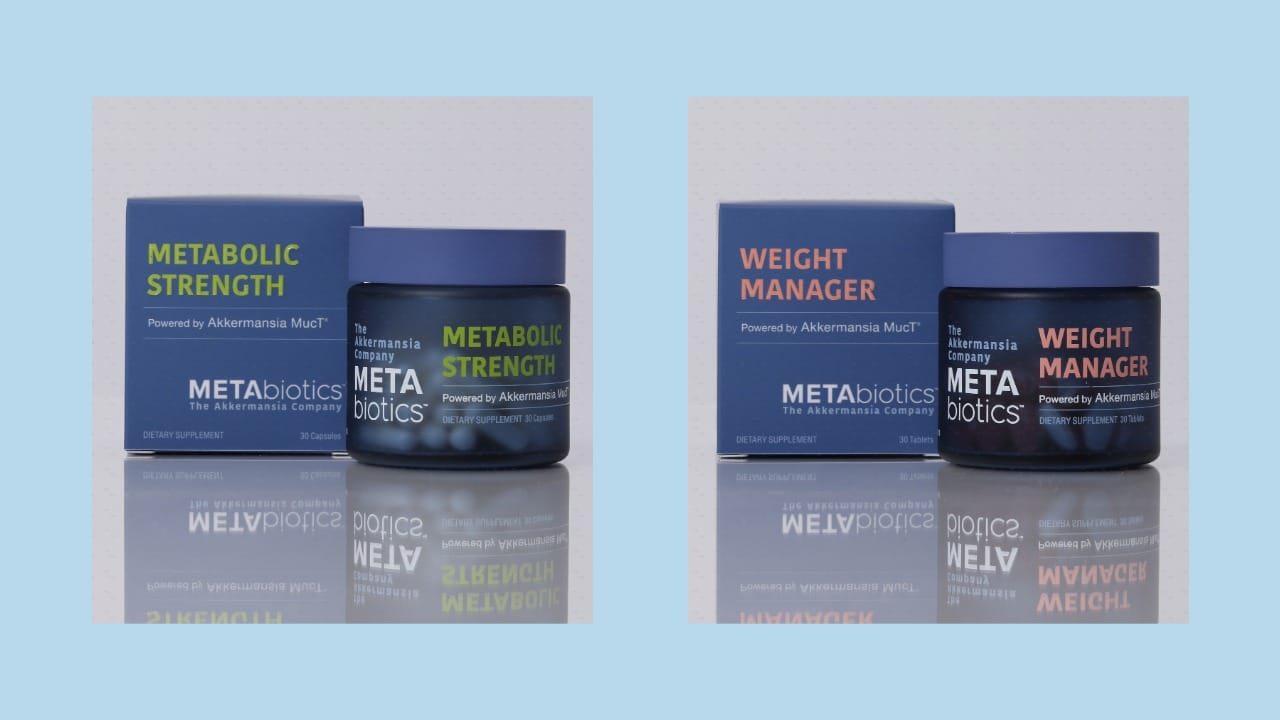
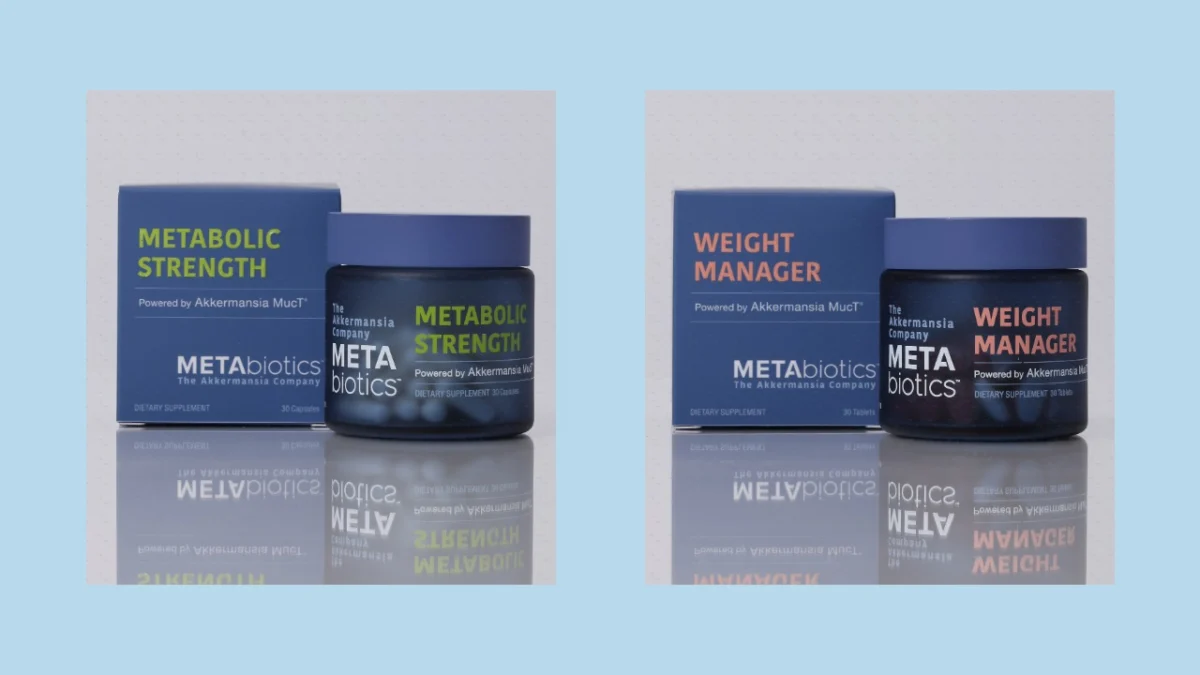
The dynamism of the supplement market is also evident in the continuous introduction of new finished products. The Akkermansia Company, for instance, has recently launched METAbiotics, a novel dietary supplement line featuring the postbiotic Akkermansia muciniphila MucT. Postbiotics, which are non-viable microbial cells and their metabolic byproducts, are gaining significant attention for their potential to modulate the gut microbiome and influence various aspects of health. Akkermansia muciniphila has been particularly linked to improvements in gut barrier function, metabolic health, and immune system modulation. The introduction of METAbiotics by The Akkermansia Company signifies a growing trend towards leveraging the therapeutic potential of postbiotics in consumer-facing products. This launch underscores the industry’s commitment to exploring emerging scientific frontiers and translating them into accessible health solutions.
Company and Organization Updates: Procter & Gamble’s Strategic Move
In a significant development that could reshape the competitive landscape, consumer goods giant Procter & Gamble (P&G) has reportedly agreed to purchase Thorne, a prominent player in the health and wellness sector. Thorne is well-regarded for its science-backed supplements, catering to a discerning consumer base and often favored by healthcare professionals. This potential acquisition, if finalized, would represent P&G’s boldest move yet into the rapidly expanding health and wellness market, signaling a strategic shift towards higher-margin, science-driven product categories.
The rationale behind such a significant acquisition likely stems from several factors. P&G, with its vast distribution networks and marketing expertise, could significantly amplify Thorne’s reach and brand presence. For Thorne, becoming part of a global powerhouse like P&G could provide access to greater resources for research and development, international expansion, and enhanced manufacturing capabilities. This move also aligns with a broader trend of large consumer packaged goods companies seeking to diversify their portfolios and tap into the growing demand for health and wellness products. The supplement industry, with its projected growth trajectory, presents an attractive avenue for established companies looking to capture new revenue streams and capitalize on evolving consumer priorities.
The implications of this potential acquisition are far-reaching. It could spur further consolidation within the supplement industry as other major players seek to strengthen their market positions. It also highlights the increasing convergence of traditional consumer goods and the health and wellness sector, with companies aiming to offer comprehensive solutions that span from everyday essentials to specialized health interventions. The successful integration of Thorne into P&G’s existing operations will be closely watched, as it could set a precedent for future mergers and acquisitions in the industry.
The author, Devon Gholam, Ph.D., an editor at SupplySide Supplement Journal, brings nearly two decades of experience in the functional food and nutraceutical industry. Her background spans product development, innovation, technical sales, and technical writing at companies such as Kellogg Co., Ganeden Biotech, and Step Change Innovations. Dr. Gholam’s passion for women’s health and her keen interest in the impact of GLP-1 medications on the food, beverage, and supplement industries position her as a knowledgeable voice in analyzing these market trends. Her commitment to sharing knowledge and credible science aims to foster an innovative and collaborative spirit within the nutraceutical community. For those with breaking news regarding innovative ingredients, new clinical trials, or significant announcements, reaching out to Devon at [email protected] is encouraged.
