

Creatine stands as one of the most extensively researched and widely recognized supplements for enhancing muscle growth, improving athletic performance, and accelerating recovery. Far from being exclusive to elite bodybuilders or powerlifters, creatine is a valuable supplement for any individual aiming to optimize their physical capabilities and achieve their fitness goals. The market currently offers a diverse range of creatine products, including powders, capsules, and gummies, each utilizing various forms of creatine and often incorporating additional ingredients designed to support muscle synthesis, recovery, or cognitive function in the gym. Navigating this expansive selection can be a daunting task for consumers seeking the most effective and suitable product.
To address this challenge, expert product testers rigorously evaluated a broad spectrum of creatine supplements. The assessment criteria focused on key attributes such as taste, mixability (for powdered forms), ingredient quality, effective dosage per serving, and affordability. This comprehensive review was further informed by consultations with certified personal trainers and nutritionists, ensuring a well-rounded and authoritative perspective on the best creatine supplements available. This curated list highlights top-tier creatine supplements for men, though it is important to note that these products are equally beneficial for individuals of all genders.
Disclaimer: This article provides educational and informational content and should not be construed as medical advice. The term "men" is used inclusively to encompass all individuals who identify as men, including transgender men. However, it is acknowledged that the majority of scientific research on creatine has historically focused on cisgender men. Where gender-specific research or nutritional recommendations are discussed, this will be explicitly stated as pertaining to "cis men." Transgender and nonbinary individuals are encouraged to consult with a trans-competent nutritionist regarding their specific supplement and training needs.
Top Creatine Supplements for Enhanced Performance
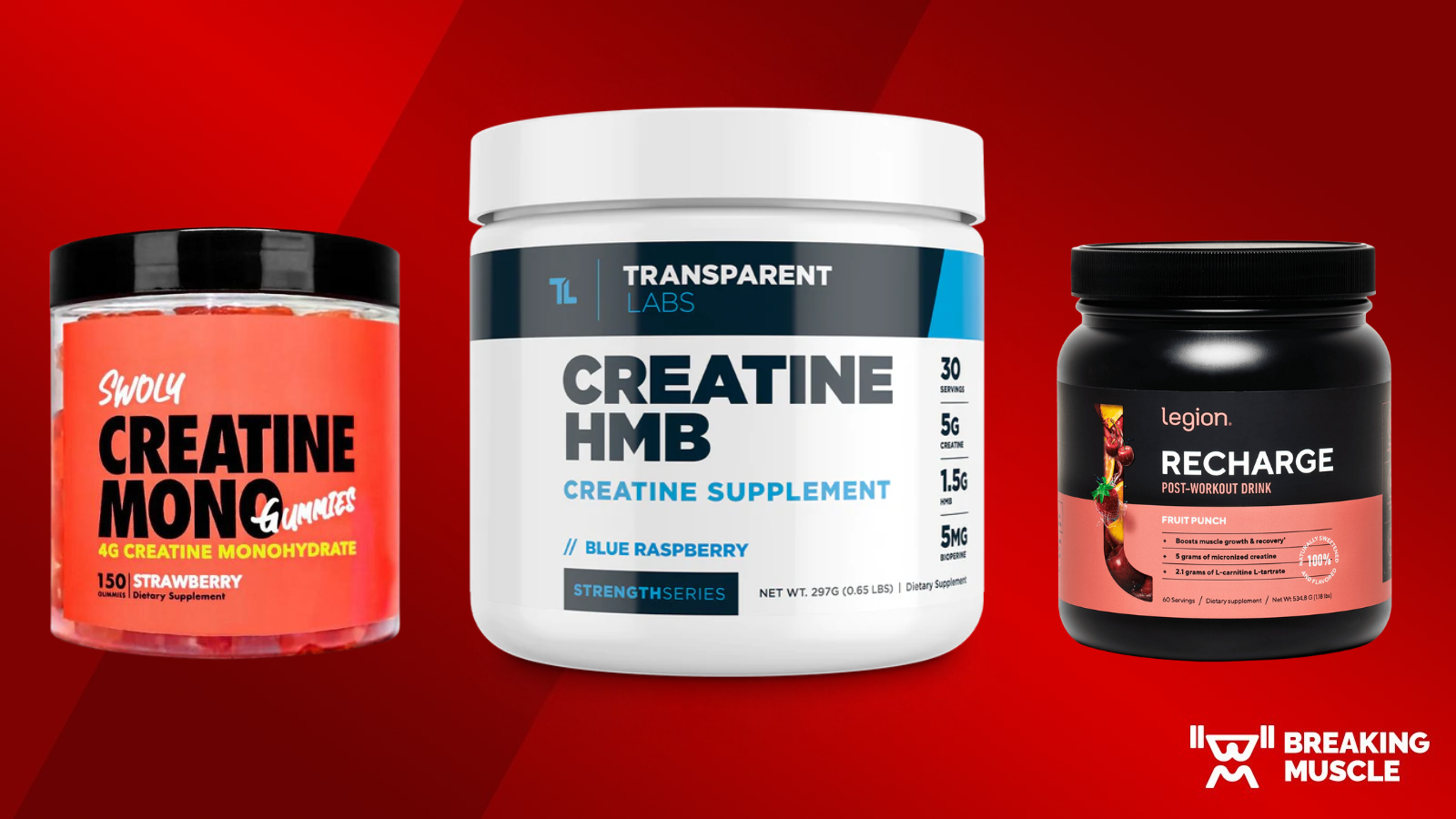
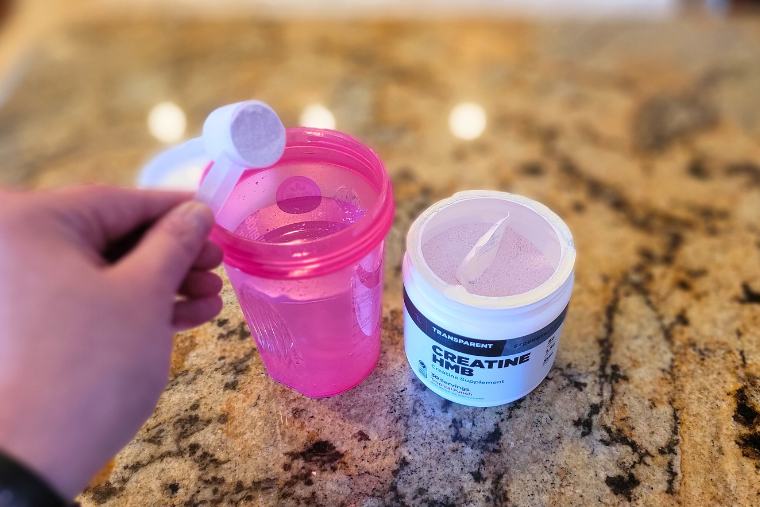
Best Creatine Monohydrate: Transparent Labs Creatine HMB
Transparent Labs Creatine HMB has earned the distinction of being the top pick for creatine monohydrate. Each serving delivers a robust 5 grams of creatine, aligning with the clinically supported dosage for optimal athletic performance. As noted by Anna Marie Clear, M.S., R.D., C.P.T., "This dosage is a great recommendation for the general population, but some sports nutrition recommendations recommend a dosage based on kilograms of body weight, so some individuals may require more than 5 grams to see a benefit."
This supplement also includes beta-hydroxy beta-methylbutyrate (HMB), a compound naturally produced by the body during the breakdown of the amino acid leucine. While further research is ongoing, preliminary studies suggest HMB may contribute to muscle growth. Clear elaborates, "Leucine is the primary amino acid that triggers muscle protein synthesis. HMB and leucine are very similar, but research shows HMB has no greater effect than leucine alone."
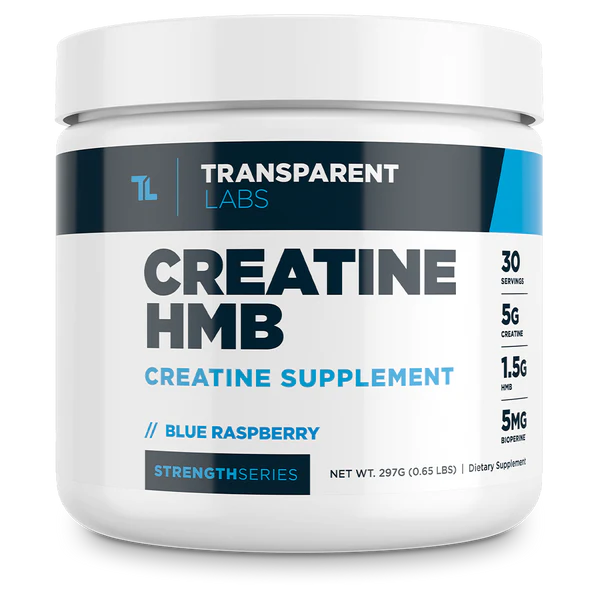
Furthermore, Transparent Labs incorporates BioPerine, a black pepper extract that studies indicate can enhance nutrient bioavailability. Clear adds, "Bioperine may help enhance absorption of some nutrients, but research is limited on its impact alongside HMB and creatine." The product received a perfect formulation score of 5 out of 5 stars, with testers also praising its taste, awarding it a solid 4 out of 5. Transparent Labs offers an impressive 13 flavor options, including an unflavored variant, providing more choices than most competing creatine supplements.
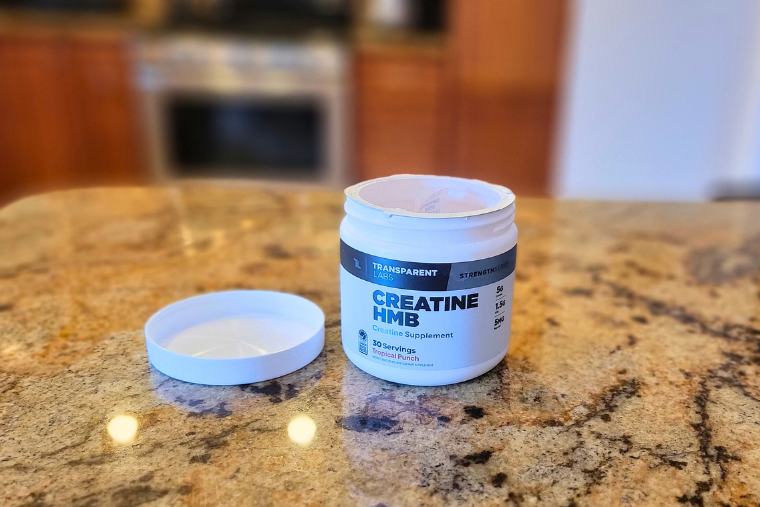
Certified Personal Trainer Pete Nastasi shared his positive experience, stating, "I’ve tried both the Blue Raspberry and Strawberry Lemonade flavors, which are sweetened with stevia extract, and both tasted great. I love having a flavored creatine supplement in the morning before my morning workout." However, some testers noted a subtle bitter undertone, potentially attributable to the BioPerine. One tester described the Black Cherry flavor as "watered down" and "not a huge fan of the taste," though acknowledging personal preference might vary. Another tester found the Tropical Punch flavor refreshing, anticipating its appeal during warmer months.
Best Creatine for Athletes: Sports Research Creatine Monohydrate
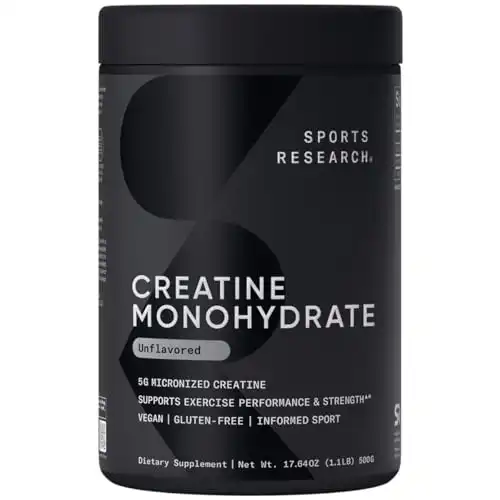
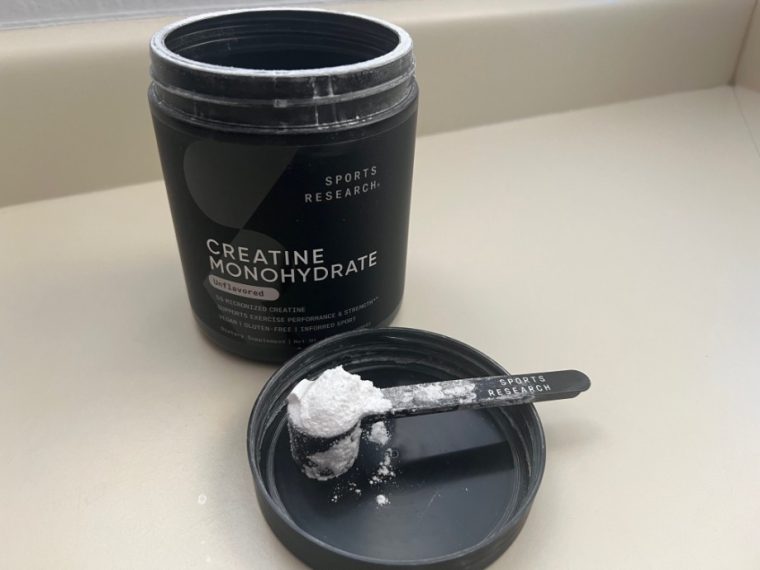
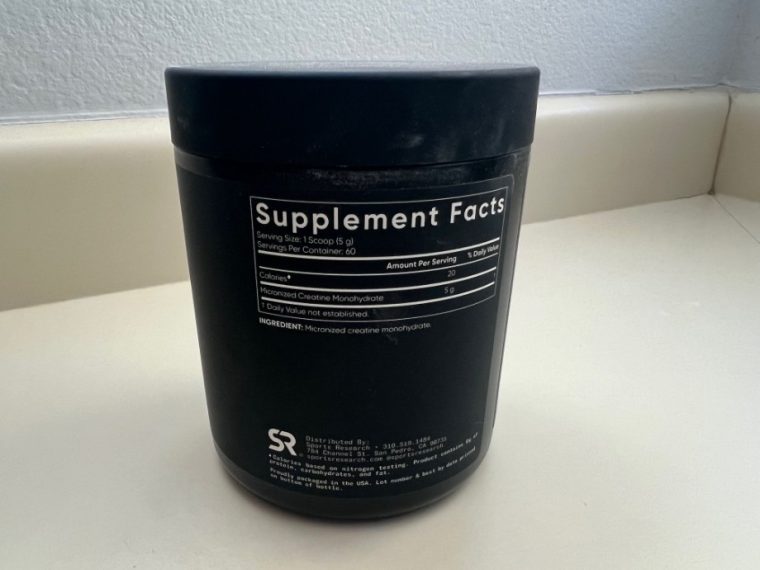
Sports Research Creatine Monohydrate is the premier choice for athletes, providing the research-backed 5-gram dose of creatine per serving for enhanced muscle gain, recovery, and overall athletic performance. This formulation received a perfect 5 out of 5 score. A significant advantage for athletes, especially those subject to drug testing, is its Informed Sport Certification. This third-party certification guarantees purity and confirms the absence of banned substances, offering peace of mind for competitive individuals.
The supplement utilizes micronized creatine, which involves grinding creatine into finer particles to improve its dissolution in water. Nastasi, however, offers a nuanced perspective: "Micronized creatine is a bit of a marketing gimmick—it isn’t digested any better than standard creatine monohydrate." Scientific evidence supports this view, with a 2022 study finding "no evidence" that micronized creatine offers superior bioavailability compared to its non-micronized counterpart. Despite this, the micronization process undeniably contributes to excellent solubility, earning the product a full 5-star rating in this category.
Testers lauded its lack of taste and seamless mixability. "If you didn’t tell me there was creatine in this water I wouldn’t know—it’s truly tasteless and mixes easily," reported one tester. The primary drawback is its singular unflavored offering, which may not appeal to those seeking flavored options. However, it avoids the bitter aftertaste sometimes associated with unflavored creatine powders. It is important to note that this product is exclusively available in powder form, making it unsuitable for individuals who prefer creatine capsules or flavored powders.
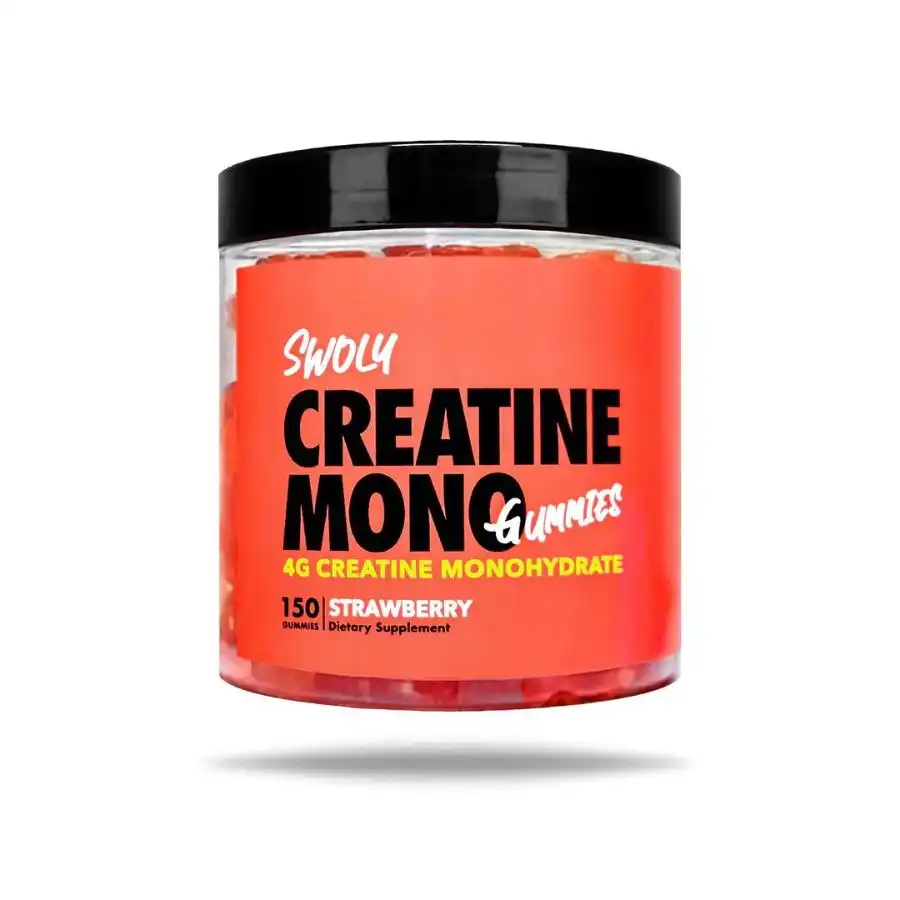
Best Creatine Gummies: Swoly Creatine Mono Gummies
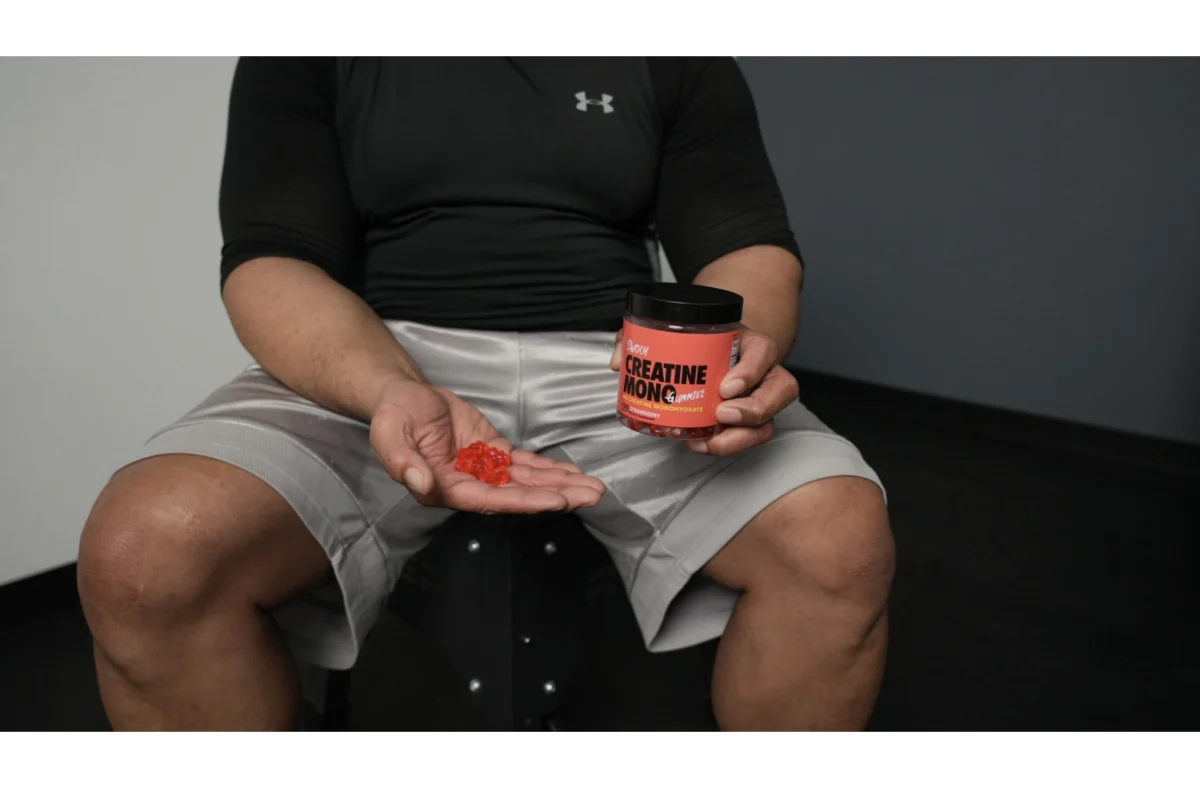
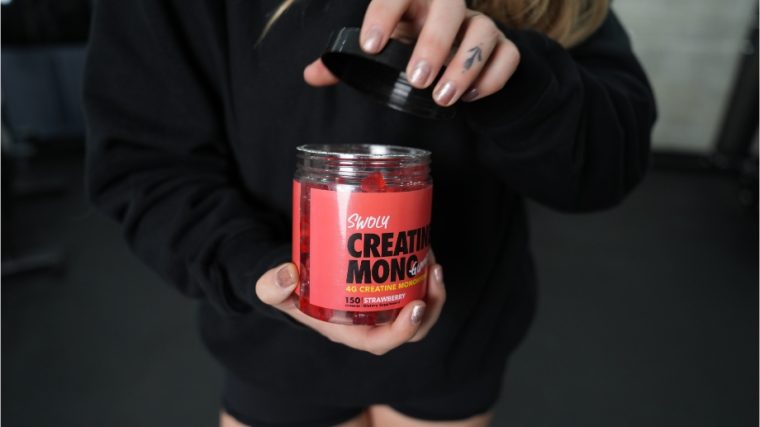
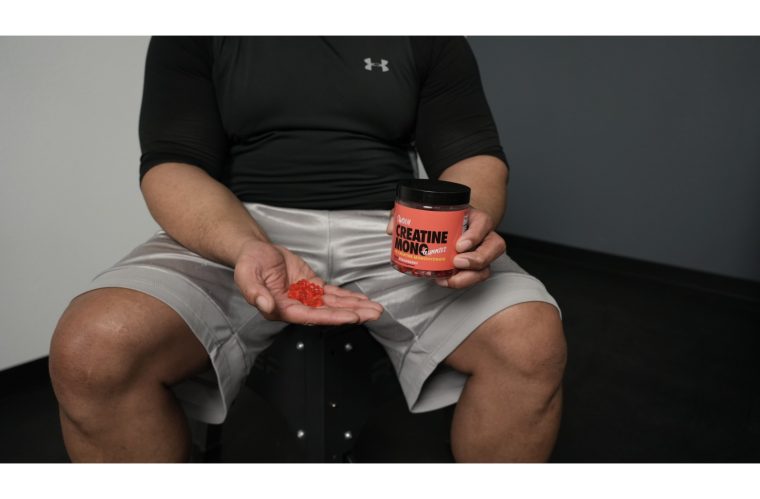
For individuals who prefer convenience and dislike the process of mixing powders, Swoly Creatine Mono Gummies offer an appealing alternative. These gummies are ideal for those on the go who wish to avoid carrying an additional shaker bottle. Despite being available in only one flavor, Strawberry, Swoly has excelled in taste, earning a perfect 5 out of 5 from an experienced product tester. Described as "dangerously delicious—like, need-to-make-sure-my-child-doesn’t-find-these-or-she-will-eat-them all kind of delicious," the gummies were likened to "the BEST fruit snacks."
The texture of the gummies also received high marks, with a 5-star rating for swallowability. "Super easy and delicious. I’d eat these every day," a tester commented. However, a key consideration is the dosage: one serving consists of five gummies, providing only 4 grams of creatine monohydrate, which falls slightly short of the optimal 5-gram recommendation. Registered Dietitian Anna Marie Clear points out, "Larger individuals may need to take more of these gummies to get their research-backed dose of 0.1 grams of creatine per kilogram of body weight." Consuming more than the recommended serving could potentially lead to gastrointestinal issues due to added sugars and gums.
These gummies contain several added ingredients, including artificial components. Each serving provides 15 calories and 2.5 grams of added sugar from sucrose, dextrose, and maltodextrin. Consequently, the formulation received a 4 out of 5 stars, reflecting the preference for a 5-gram creatine dose and the presence of added sugars, which may not align with certain dietary preferences. While Swoly claims third-party testing, the absence of specific details about the testing organization limits its rating in this category to 3 out of 5 stars.
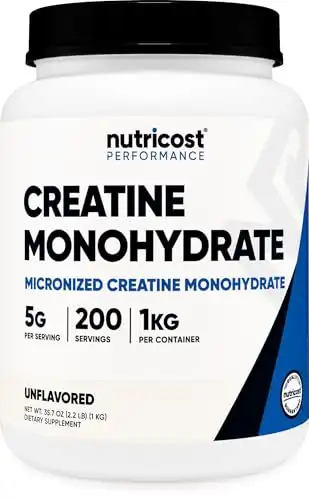
Best Value Creatine: Nutricost Micronized Creatine Monohydrate
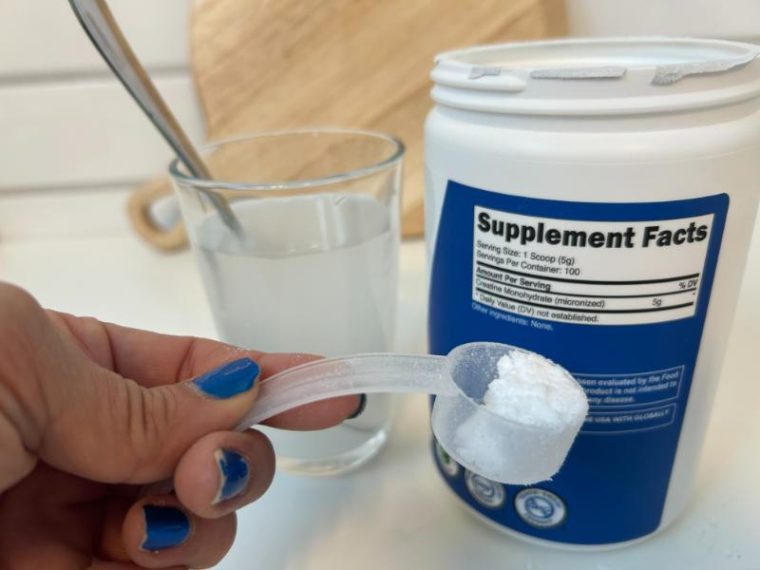
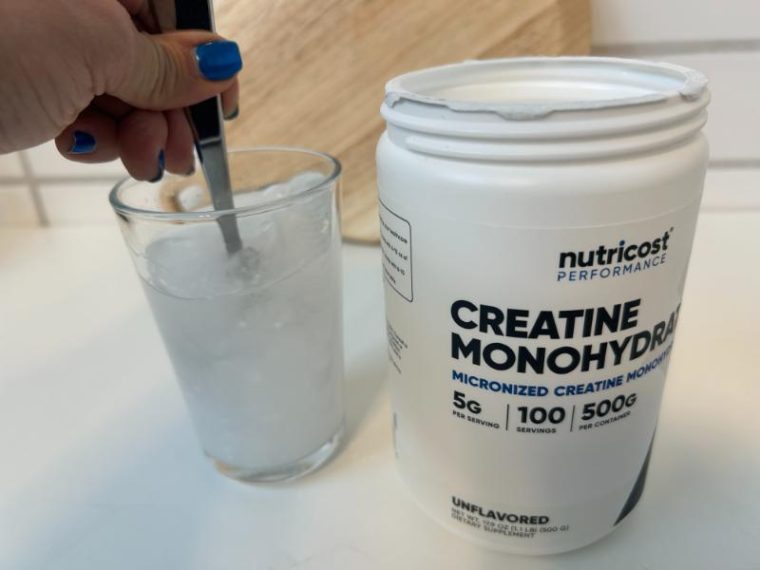
Nutricost Micronized Creatine Monohydrate stands out as the most budget-friendly option, priced at an economical $0.20 per serving. Despite its affordability, it does not compromise on quality, featuring third-party testing—a hallmark typically found in more premium supplements. However, the brand’s lack of transparency regarding its third-party testing process raises concerns. Clear notes, "This company does not elaborate on its third-party testing. It’s hard to determine the brand’s safety without a detailed explanation of its testing process." This lack of detailed information resulted in a 3 out of 5-star rating for third-party testing.
Despite this caveat, Nutricost achieved a perfect formulation score. Registered Dietitian Perry Nix states, "It’s recommended to take 3-5 grams of creatine daily to enhance athletic performance, and Nutricost provides 5 grams daily, ensuring your muscle cells remain saturated." Product testers reported no adverse effects, including the absence of bloating, which can be a concern with some creatine products.
The supplement is available in five flavors: Blue Raspberry, Fruit Punch, Pineapple Mango, Watermelon, and Unflavored. These flavors are sweetened with sucralose, a sweetener that research suggests may cause gastrointestinal issues in some individuals when consumed in large quantities. The solubility of Nutricost creatine received a 3 out of 5-star rating, with testers noting that it "settles quite a bit." Amazon reviewers have generally praised the product for its minimal additional ingredients and effective formula, with one reviewer, Kurt, noting a "significant positive impact on my workout performance and recovery." However, a few reviewers have reported finding pieces of plastic in their containers, which warrants attention.
Best Flavored Creatine: Legion Recharge Post-Workout
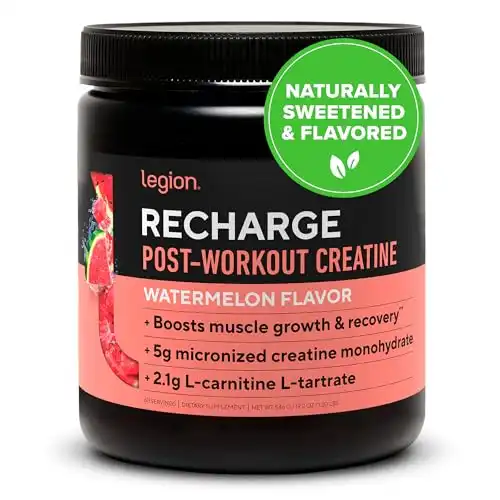
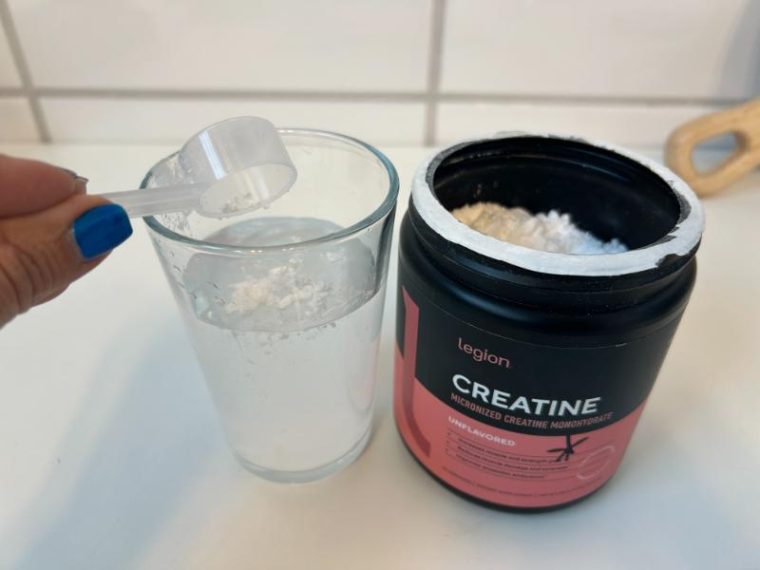
For individuals who find unflavored creatine unpalatable, Legion Recharge Post-Workout offers a flavorful alternative. Available in six distinct flavors, including Strawberry Lemonade and Fruit Punch, which have garnered particular praise from customers and testers alike. The Strawberry Lemonade flavor received a perfect 5-out-of-5 taste rating from one product tester, described as "pretty sweet but also tart. I really liked it." Solubility also earned a perfect score, with testers noting the powder dissolved flawlessly without clumps or sediment.
The formulation is highly regarded, providing the research-backed 5g dose of creatine per serving. While the creatine is micronized, which Legion claims enhances blendability and reduces stomach upset, R.D. Anna Marie Clear reiterates that "the research does not support the micronized version to be more bioavailable." Legion Recharge also includes 2.1 grams of L-carnitine per serving, known for its role in fat metabolism, and 10.5 grams of corosolic acid, which research suggests aids in blood sugar regulation.
However, Legion Recharge is positioned as a premium product, with a cost of $1.33 per serving, making it one of the more expensive options. This high price point resulted in a 1.5 out of 5-star rating for value. Consumers on a tighter budget may find more economical alternatives like Nutricost more suitable.
Best Creatine Pills: Optimum Nutrition Micronized Creatine Capsules
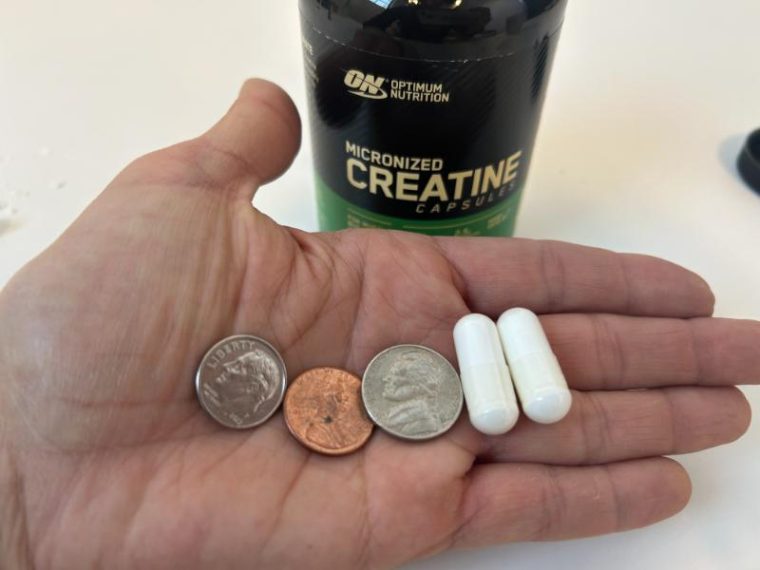
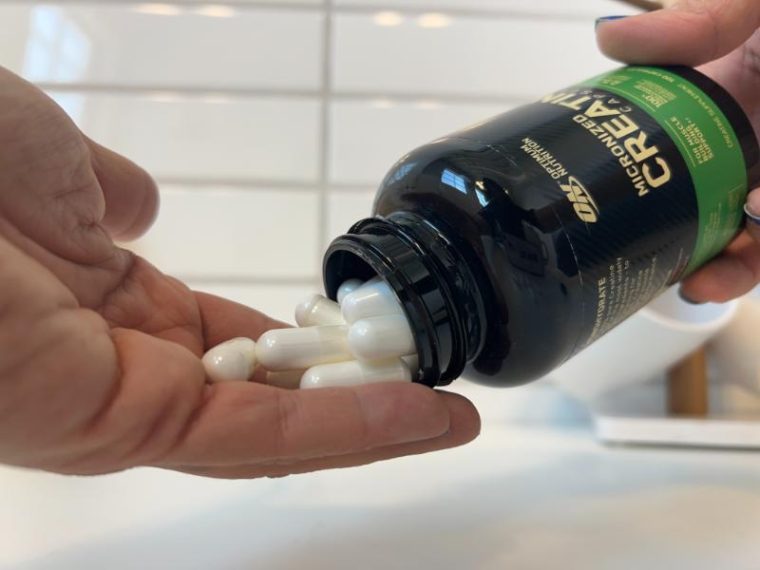
Optimum Nutrition Micronized Creatine Capsules present a convenient, tasteless option for those who dislike mixing powders or find their taste off-putting. The capsule format also offers a space-saving advantage for gym bags. Optimum Nutrition provides three sizes: 100 capsules for $30 ($0.60/serving), 200 capsules for $50 ($0.50/serving), and 300 capsules for $69 ($0.46/serving). The recommended dosage is two capsules twice daily, yielding 2.5 grams of creatine per serving.
This dosage led to a deduction in the formulation score, with the product receiving 3 out of 5 stars. "You can always double the intake, but four pills is a lot and makes the serving size much more expensive," noted a product tester. Clear further explains, "A larger athlete (i.e., 100 kilograms) would need to take eight capsules (10 grams of creatine) in order to meet the 1 gram per kilogram of body weight recommendation." This suggests that individuals with higher body weight may find powder forms more practical for achieving their target intake.
The ingredient list is straightforward, comprising creatine monohydrate, gelatin, and magnesium stearate. It is important to note that gelatin is an animal product, rendering these capsules unsuitable for vegans. The capsules were rated 5 out of 5 stars for swallowability, with testers describing them as tasteless aside from a slight gelatin flavor, and manageable in size (approximately 1 inch long).
Best Creatine for Muscle Growth: Gnarly Creatine
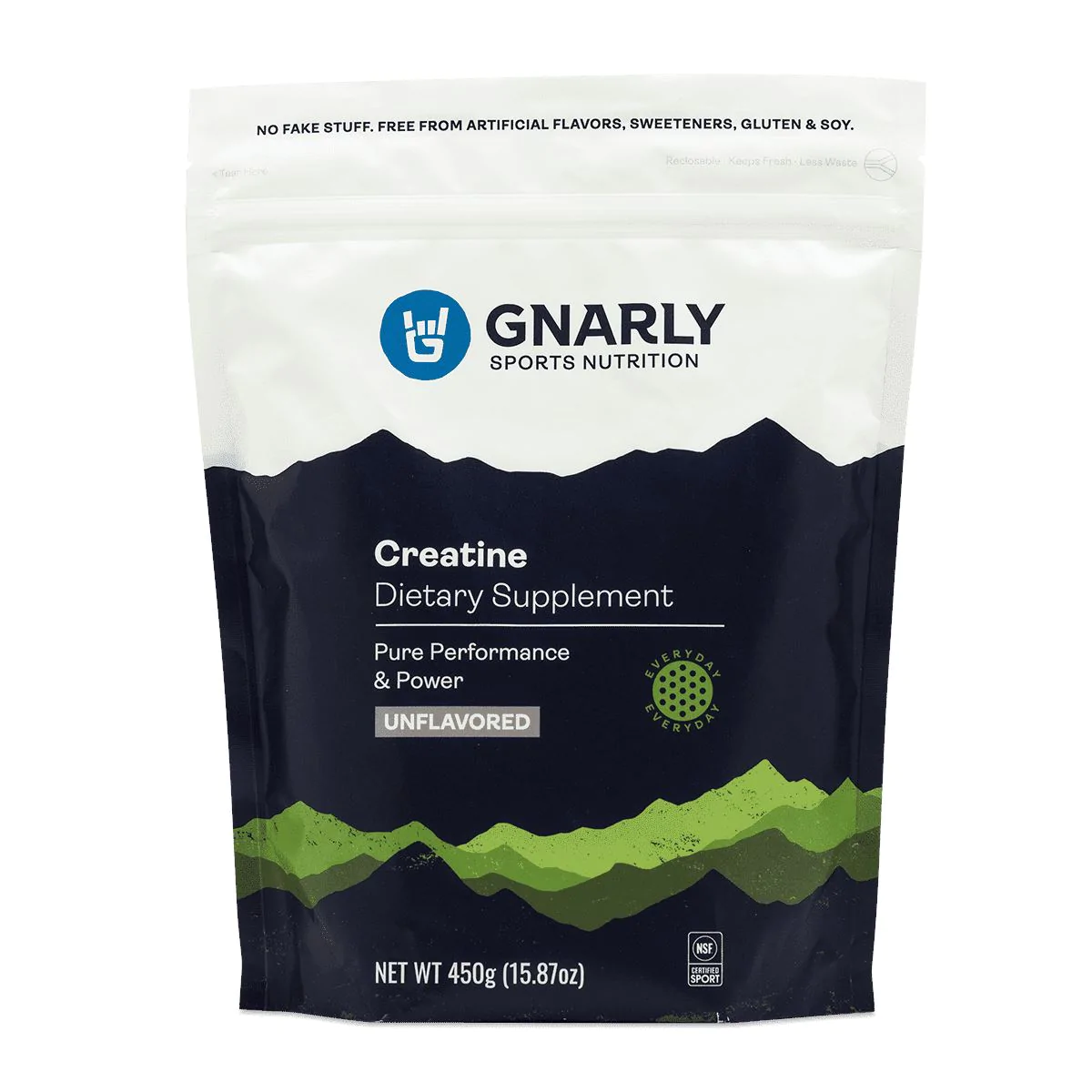
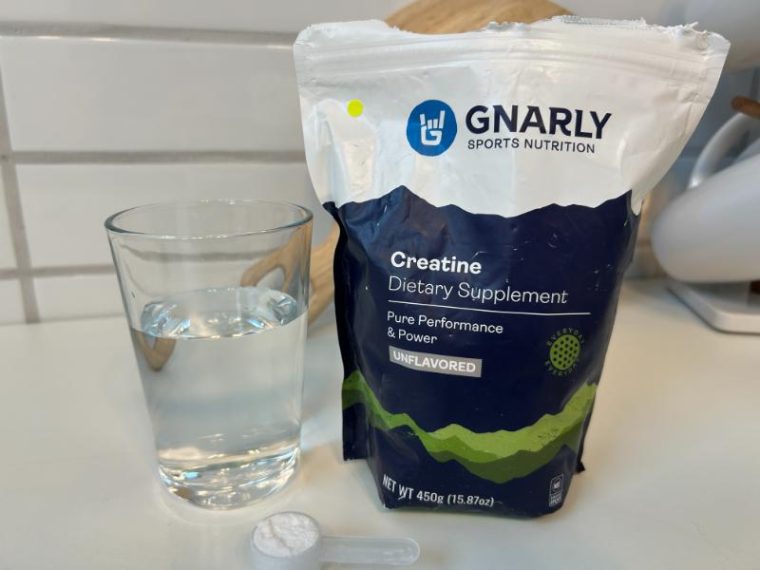
Gnarly Creatine distinguishes itself by utilizing CreaPure®—a branded form of creatine monohydrate widely regarded as the gold standard for purity and effectiveness. Manufactured in Germany, CreaPure® is celebrated for its exceptional purity. Nastasi confirms, "It’s manufactured in Germany and is super pure, so from a purity perspective it’s no. 1." Each serving contains 5 grams of 100% CreaPure® creatine monohydrate, contributing to a perfect 5 out of 5 formulation score. This dosage, combined with adequate resistance training, is scientifically proven to support muscle growth.
Furthermore, Gnarly Creatine holds NSF Certified for Sport and NSF Content Certified status. This rigorous third-party certification ensures product purity and confirms the absence of banned substances, a critical factor for athletes competing in drug-tested environments. Clear emphasizes the significance of these certifications: "NSF Certified for Sport also indicates this supplement has undergone label claim testing (so the label is accurate) and contaminant testing for heavy metals, microbes, and pesticides. This may be the most pure option on this list."
Despite its high marks for purity and third-party testing, Gnarly Creatine received a less impressive 3 out of 5 stars for solubility, with testers reporting that it "doesn’t mix very well and settles quite a bit," requiring frequent stirring during consumption. This characteristic is echoed in many Amazon reviews, suggesting that consumers prioritizing smooth mixability might consider alternatives like Sports Research.
Other Creatine Supplements Tested
The editorial team conducted extensive testing on over 43 different creatine supplements. While many products demonstrated efficacy, only a select few met the rigorous criteria for inclusion in the primary list. Several other reputable brands were evaluated, but did not make the final cut due to minor deficiencies in taste, mixability, formulation, or value.
Methodology for Selecting and Testing Creatine Supplements
The selection and testing process for the best creatine supplements involved a multi-faceted approach. Over 43 distinct products were rigorously assessed based on the following key performance indicators:
- Formulation: Evaluation of the creatine type, dosage per serving, and presence of beneficial or unnecessary additional ingredients.
- Taste: Subjective assessment of flavor profiles and palatability across various offerings.
- Mixability: Assessment of how easily powdered supplements dissolve in water without clumping.
- Third-Party Testing: Verification of independent certifications for purity and safety.
- Value: Analysis of cost per serving relative to ingredient quality and dosage.
Key Considerations When Choosing a Creatine Supplement
Selecting the optimal creatine supplement requires careful consideration of several factors to align with individual needs and goals.
Creatine Per Serving
Scientific consensus indicates that a daily dosage of 3 to 5 grams of creatine is most effective for the majority of individuals seeking to maximize benefits such as increased muscle mass, accelerated recovery, and enhanced exercise capacity. For larger individuals, the research-backed recommendation of 0.1 grams of creatine per kilogram of body weight suggests a higher intake may be necessary to achieve optimal results.
Additional Ingredients
Some creatine supplements incorporate supplementary ingredients aimed at enhancing their overall effectiveness. For instance, Transparent Labs includes HMB, which some research suggests may promote muscle growth, although further investigation is warranted. Legion Recharge features L-carnitine, recognized for its role in converting fat into energy. Consumers should weigh their personal fitness objectives and decide whether a pure creatine product or a blend with additional performance-enhancing compounds best suits their needs. Anna Marie Clear, R.D., strongly advises, "I highly recommend collaborating with a sports dietitian to find the most optimal supplement for you based on your personal health, athletic, or physique goals and to ensure you are consuming an appropriate dosage from a safe and high-quality supplement."
Fillers and Additives
Certain creatine products utilize artificial ingredients and fillers to improve taste and mixability. While many products on the market consist solely of creatine, some, like Swoly gummies, incorporate artificial elements. Prospective users should evaluate the importance of a supplement’s purity in their purchasing decision.
Third-Party Testing
Given that dietary supplements are not regulated by the FDA in the same manner as pharmaceuticals, third-party testing serves as a crucial indicator of a product’s quality and authenticity. Certifications from organizations like Informed Sport or NSF Certified for Sport provide consumers with confidence that the supplement’s ingredients are pure and accurately reflected on the label, and are free from banned substances, which is particularly vital for competitive athletes. Clear emphasizes, "It is also especially important to consider third-party testing for sport certifications from either Informed Sport or NSF Certified for Sport if you are a collegiate or professional athlete or if you are looking to compete in a weightlifting, bodybuilding, or other fitness competition to ensure you are consuming supplements free from banned substances."
Understanding Creatine: Function and Benefits
Creatine phosphate (CrP) is a compound synthesized from three amino acids: arginine, glycine, and methionine. The body naturally produces creatine in the liver, kidneys, and pancreas, with approximately 95% of it stored in skeletal muscle. Will Duru, a certified personal trainer and strength coach, explains, "Through diet, creatine is found primarily in red meat and seafood; however, to get an extra creatine boost, a creatine powder or pill supplement can help."
Creatine facilitates energy supply to muscles via the phosphocreatine system. Nutritionist Rob Hobson elaborates on its mechanism: "Creatine helps in the production of ATP (adenosine triphosphate)—the compound that provides energy to bodily processes such as muscle contraction. Creatine can help with the production of ATP during maximum-effort exercises, such as sprints or intense muscular effort lasting between five and 10 seconds. It can also help recovery between exercise bouts."
Hobson notes that creatine can enhance performance in sports characterized by repeated sprints, such as rugby or football, and high-intensity bursts, like track or swim sprints. He adds, "Creatine can also help you train harder through being able to do more work over a series of training sets." The author, a certified personal trainer, former rugby player, and experienced lifter, attests to creatine’s impact on both performance and recovery, having used it consistently without experiencing common myths about weight gain or water retention.
Key Benefits of Creatine Supplementation
Creatine is among the most thoroughly researched supplements available, widely adopted by athletes and fitness enthusiasts alike. Its potential benefits include:
Enhanced Athletic Performance
Duru states, "Research shows creatine supplementation helps muscle performance throughout a number of activities including soccer training, weight training, plyometric training, and even canoe training." Notably, studies have demonstrated increased muscle power output and strength even in individuals not engaged in exercise, compared to those taking a placebo. Hobson adds, "There are lots of studies showing how creatine supplementation can improve strength, power, and high-intensity exercise performance. This is due to the role it plays in energy production and its ability to increase ATP availability during short bursts of intense activity."
Increased Muscle Mass
For individuals aiming to build muscle, creatine is a highly effective supplement. Hobson explains, "Creatine supplementation is often used to increase muscle mass. It can draw more water into your muscle cells, creating a cell volumization effect that may promote muscle growth. Additionally, creatine can enhance the effects of resistance training by increasing total muscle mass and strength gains." A 2023 meta-analysis confirmed that combining creatine supplementation with resistance training promotes "a small increase in the direct measures of skeletal muscle hypertrophy in both the upper and lower body." Duru suggests a creatine loading phase—taking 20 to 25 grams daily for up to a week, divided into 5-gram servings, followed by a maintenance dose of 3 to 5 grams—can accelerate muscle-building results. Clear advises, "If you are looking to initiate creatine supplementation with a loading dose of 20 grams per day, I recommend breaking this large dosage into smaller servings throughout the day to minimize gastrointestinal distress (i.e., diarrhea)."

Accelerated Athletic Recovery
Adequate recovery is fundamental to training, reducing injury risk and allowing for a quicker return to exercise. Research indicates that creatine supplementation may shorten recovery times between intense exercise bouts by mitigating muscle damage.
Reduced Muscle Soreness
While creatine supplementation does not entirely prevent muscle damage, studies suggest it can reduce the immediate muscle damage experienced after resistance training sessions.
Cognitive Enhancement
Emerging research indicates that creatine may also benefit cognitive function. Hobson notes, "Creatine supplementation may have a beneficial effect on brain function, as the brain requires a significant amount of ATP for normal operation. It may be particularly beneficial in tasks requiring speed and quick thinking."
Improved Muscle and Bone Density
Beyond athletic performance, creatine plays a role in overall health and aging. A 2021 study demonstrated that a year of creatine supplementation combined with resistance training favorably impacted bone area and muscle density in older adults, with no observed sex-based differences in its effects.
Understanding Different Forms of Creatine
The efficacy and characteristics of creatine supplements can vary based on their form. Understanding these differences is crucial for making an informed choice:
Creatine Monohydrate
This is the most widely studied and established form of creatine. It consists of creatine bound to a water molecule and forms the basis of most popular creatine supplements.
Micronized Creatine Monohydrate
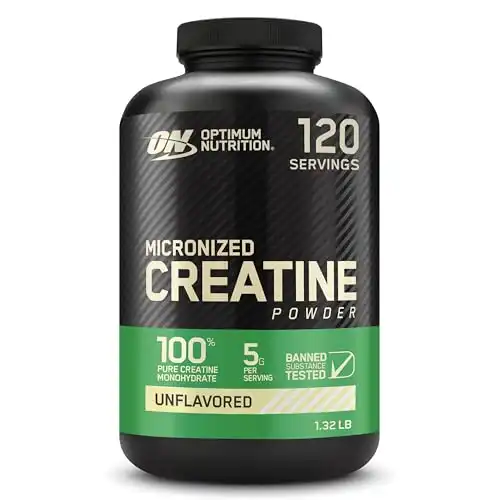
Micronized creatine undergoes a processing technique that reduces particle size, theoretically enhancing its solubility and absorption. Hobson explains, "Micronized creatine is processed to create smaller particles than the standard creatine powder. The intention of micronized creatine is to improve its solubility and absorption in the body so creatine is then used up by muscles more quickly." However, research has not consistently demonstrated superior bioavailability compared to standard creatine monohydrate.
Creatine Ethyl Ester
In this form, creatine is esterified, a process that some studies suggest may improve absorption. However, research indicates it is less effective than creatine monohydrate.
Creatine Nitrate
Creatine nitrate is a derivative of creatine monohydrate with an added nitrate group. While some studies suggest enhanced bioavailability, results are mixed, and further research is required.
Buffered Creatine
This type of creatine is manufactured with alkaline substances to increase its pH. However, research indicates minimal differences in training gains compared to standard creatine monohydrate.
The Creatine Loading Phase: An Option for Accelerated Results
A creatine loading phase involves consuming a higher dose, typically 20 to 25 grams per day for up to a week, divided into smaller servings to minimize gastrointestinal distress. This strategy aims to rapidly saturate muscle creatine stores. Following the loading phase, a maintenance dose of 3 to 5 grams per day is recommended. Duru suggests that loading can potentially speed up the onset of benefits by a few days. Nastasi advocates for consistent daily intake, noting that creatine stores can return to baseline after only a few days off, potentially necessitating another loading phase. Studies show loading phases can increase muscle creatine storage by 10% to 30%. However, it is important to note that loading phases are not essential; consistent daily intake without a loading phase can achieve similar long-term effects.
Safety and Precautions Associated with Creatine
Creatine supplementation is considered safe for healthy individuals in both the short and long term, with studies showing tolerance for doses up to 30 grams per day for up to five years.
Precautions for Creatine Use
Rob Hobson advises, "Since creatine is a safe supplement, there aren’t many precautions to take beyond sticking to the recommended dosage. Like all supplements, figure out if it is really necessary to suit your performance goals, as there is little point in taking it if it is not." He notes that creatine is most beneficial for goals related to muscle building and strength enhancement, rather than endurance activities like marathon running.
Individuals Who Should Avoid Creatine
Certain individuals with pre-existing health conditions should exercise caution or avoid creatine supplementation. Hobson recommends, "Anyone with pre-existing kidney or liver conditions or impaired function should avoid creatine." Creatine supplements may interfere with the body’s natural production of creatine in individuals with kidney or liver issues. Furthermore, those taking medications that affect kidney function, such as certain blood pressure medications or NSAIDs, should consult their healthcare provider before using creatine. Hobson also advises against creatine use for individuals under 18, citing the need for more long-term research in this demographic.
Conclusion: Optimizing Your Supplement Stack with Creatine
Despite lingering myths about potential side effects like water retention, cramping, or legality, creatine remains one of the most scientifically validated supplements available. For dedicated individuals focused on enhancing muscle development, improving performance in high-intensity activities, or accelerating recovery, incorporating a creatine supplement from a reputable brand can be a strategic decision. The choice between powder, pill, or gummy forms allows for personalization based on convenience and preference, paving the way to harness the considerable benefits of this highly popular and effective supplement.
Frequently Asked Questions About Creatine
What is micronized creatine?
Micronized creatine is processed into smaller particles, theoretically improving its solubility. However, research has not definitively shown it to be more bioavailable than standard creatine monohydrate.
When is the optimal time to take creatine?
Most individuals take creatine post-workout, as exercise can enhance its uptake by muscles due to increased blood flow. Consuming creatine with a meal or carbohydrate-rich drink may further aid its transport into muscle cells via insulin.
Is creatine detrimental to health?
No, extensive research indicates that creatine monohydrate is safe for healthy individuals in both the short and long term, with no scientifically supported detrimental effects.
What is the recommended creatine dosage?
For most individuals, a daily dose of 3 to 5 grams is recommended. Larger individuals may require up to 0.1 grams per kilogram of body weight for optimal results.
Does creatine cause weight gain?
Creatine can contribute to an increase in lean skeletal muscle mass, which may lead to a rise in overall body weight. However, it does not increase fat mass. Studies consistently show that creatine supplementation increases fat-free mass without affecting fat mass.
