

Understanding the Metabolic Burden of Endogenous Cushing’s Syndrome
Endogenous Cushing’s syndrome is a rare but severe endocrine disorder characterized by the chronic overproduction of cortisol, often resulting from a pituitary tumor (Cushing’s disease) or an adrenal tumor. Cortisol, frequently referred to as the "stress hormone," plays a vital role in regulating metabolism, immune response, and blood pressure. However, when the body is flooded with excessive amounts of cortisol over an extended period, the physiological consequences are catastrophic.
Patients with Cushing’s syndrome often experience a rapid onset of central obesity, characterized by weight gain in the torso and face, and a "buffalo hump" on the upper back. Beyond the physical changes, the hormonal imbalance wreaks havoc on the body’s ability to process glucose. Approximately one-third of patients with endogenous Cushing’s syndrome develop type 2 diabetes, while nearly all suffer from some degree of insulin resistance and severe metabolic syndrome. These comorbidities significantly decrease the quality of life and increase the risk of cardiovascular mortality.
Until recently, managing the metabolic fallout of Cushing’s syndrome was a secondary concern to treating the primary source of excess cortisol. However, even after successful surgery or medical intervention to lower cortisol levels, many patients struggle with persistent obesity and glucose intolerance. This has led many endocrinologists to consider GLP-1 receptor agonists, which have revolutionized the treatment of obesity and diabetes in the general population.
The GLP-1 Revolution and the Shadow of Oncologic Risk
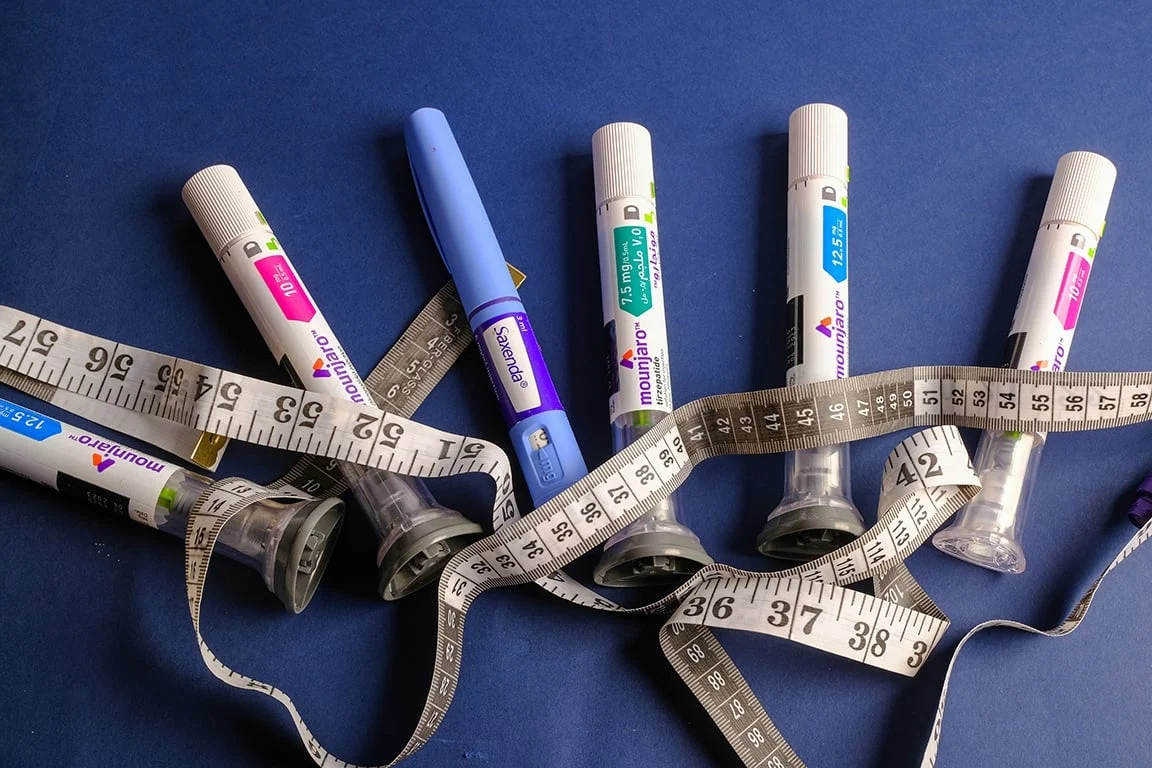
The rise of GLP-1 receptor agonists, including blockbuster drugs such as Ozempic, Wegovy, Victoza, and Saxenda, has transformed the landscape of metabolic medicine. These drugs work by mimicking the GLP-1 hormone, which stimulates insulin secretion, slows gastric emptying, and promotes satiety. While their efficacy in weight loss and blood sugar control is undisputed, their safety profile has been a subject of intense scrutiny regarding potential links to thyroid and pancreatic cancers.
For patients with endogenous Cushing’s syndrome, this scrutiny is even more critical. Research has shown that individuals with Cushing’s syndrome have a higher baseline risk of developing various malignancies compared to the general population. This elevated risk is thought to be driven by the immunosuppressive effects of high cortisol and the chronic inflammatory state associated with severe obesity and diabetes. Consequently, medical professionals have been hesitant to prescribe GLP-1 therapies to this group, fearing that the drugs might act as a catalyst for tumor development in an already high-risk environment.
Chronology and Methodology of the Nationwide Study
To provide clarity on this clinical impasse, a team of researchers conducted a comprehensive longitudinal study using the Clalit Health Services database in Israel. Clalit is one of the world’s largest integrated healthcare providers, maintaining detailed electronic health records for more than half of the Israeli population. This database offered a unique opportunity to track a rare patient population over an extensive timeframe.
The study’s timeline spanned twenty-three years, from January 2000 to December 2023. The research team identified 609 patients diagnosed with endogenous Cushing’s syndrome during this period. To maintain the integrity of the data, the researchers excluded patients with ectopic Cushing’s syndrome (where cortisol is produced by tumors outside the pituitary or adrenal glands, often already malignant) and those with known adrenal carcinomas.
The cohort was followed for an average of 14.7 years, providing a robust window to observe the long-term effects of medication exposure. During this follow-up, the researchers monitored several key metrics:
- The initiation and duration of GLP-1 receptor agonist therapy.
- The incidence of new primary cancer diagnoses across all organ systems.
- Mortality rates from all causes.
- Changes in metabolic health markers.
Deep Dive into the Statistical Findings
Of the 609 patients in the study, 137 individuals (22.5%) were identified as having been prescribed GLP-1 receptor agonists. The majority of these prescriptions were for the treatment of type 2 diabetes or severe obesity secondary to their endocrine disorder. Over the course of the study, 116 patients across the entire cohort developed some form of cancer, and 141 patients passed away.
The primary goal of the researchers was to determine if those taking GLP-1 medications had a higher "hazard ratio" (HR) for cancer than those who were not. In medical statistics, a hazard ratio of 1.0 suggests no difference in risk, while anything significantly higher suggests an increased risk.
Initially, the crude hazard ratio for the GLP-1 group was calculated at 1.65. However, the researchers noted that the patients prescribed GLP-1s tended to be older and had more severe underlying health issues, such as higher Body Mass Index (BMI) and more advanced diabetes, both of which are independent risk factors for cancer.
To account for these discrepancies, the team utilized a time-varying analytical framework. This sophisticated model adjusts for "confounding variables"—factors that could trick researchers into seeing a correlation where no causation exists. After adjusting for age, sex, BMI, smoking status, and the duration of Cushing’s syndrome, the adjusted hazard ratio fell to 1.22. Most importantly, the 95% confidence interval for this figure crossed the 1.0 threshold, meaning the result was not statistically significant. In clinical terms, there was no evidence that the medication increased the risk of malignancy.
Secondary Sensitivity Analyses and Robustness Checks
To ensure the findings were not influenced by "protopathic bias"—a situation where a drug is prescribed for the early symptoms of an undiagnosed disease (such as a patient being prescribed a weight-loss drug for weight loss that was actually caused by an early, undetected cancer)—the researchers implemented a 12-month lag period. They excluded any cancer cases that occurred within the first year of starting GLP-1 therapy. Even with this strict filter, the results remained consistent: no increased risk was found.
Furthermore, the team stratified the data based on the status of the patient’s Cushing’s syndrome. They looked at whether the patient was currently in remission (following surgery or medical treatment) or if they still had active hypercortisolism. In both subgroups, the safety profile of GLP-1 receptor agonists remained stable. This is a vital finding, as it suggests that these medications are safe to use both during the active phase of the disease and during the long-term recovery period.
Professional Reactions and Clinical Implications
The publication of these findings has been met with a sense of relief and optimism within the endocrinology community. While not involved in the study, several leading endocrinologists have noted that these data fill a significant gap in clinical guidelines.
"For years, we have been caught between a rock and a hard place," said one clinical consultant in endocrinology. "We see patients with Cushing’s struggling with life-threatening obesity and diabetes, and we know GLP-1s are the most effective tools we have. But the fear of ‘fueling the fire’ of cancer in these patients made us cautious. This study provides the oncologic green light we needed."
The implications for patient care are profound. By establishing the safety of GLP-1s, the study allows for:
- Earlier Intervention: Physicians can now prescribe GLP-1s as soon as metabolic complications arise, rather than waiting for other treatments to fail.
- Improved Quality of Life: Effective weight management in Cushing’s patients can lead to improved mobility, better mental health, and a reduction in the "physical stigma" associated with the disease.
- Cardiovascular Protection: Since GLP-1s are known to reduce the risk of major adverse cardiovascular events (MACE), their use in Cushing’s patients may help lower the high rate of heart disease seen in this population.
Broader Impact on Rare Disease Management
Beyond the immediate scope of Cushing’s syndrome, this study serves as a model for how real-world data (RWD) can be used to evaluate drug safety in rare disease populations. Because rare diseases involve small numbers of patients, traditional randomized controlled trials (RCTs) are often prohibitively expensive or practically impossible to conduct.
The use of the Clalit database demonstrates that high-quality, long-term observational data can provide "level-one" evidence for clinical decision-making. This approach may soon be applied to other rare endocrine disorders where the use of modern metabolic therapies is currently limited by a lack of safety data.
Conclusion: A New Standard for Cushing’s Care
The study titled "GLP-1 Receptor Agonist Exposure and Malignancy Risk in Patients with Endogenous Cushing’s Syndrome" marks a turning point in the management of one of the most challenging endocrine conditions. By meticulously analyzing 23 years of patient history and employing rigorous statistical safeguards, the researchers have debunked the fear that GLP-1 therapies might exacerbate cancer risks in this group.
As the medical community continues to navigate the "GLP-1 era," this research ensures that patients with rare diseases are not left behind. For the thousands of individuals living with the aftermath of endogenous Cushing’s syndrome, the findings offer more than just safety data; they offer a path toward a healthier, more manageable future, free from the dual burden of hormonal imbalance and severe metabolic disease. The study concludes that the oncologic safety of these drugs is now well-established, empowering endocrinologists to utilize every tool at their disposal to improve patient outcomes.
