

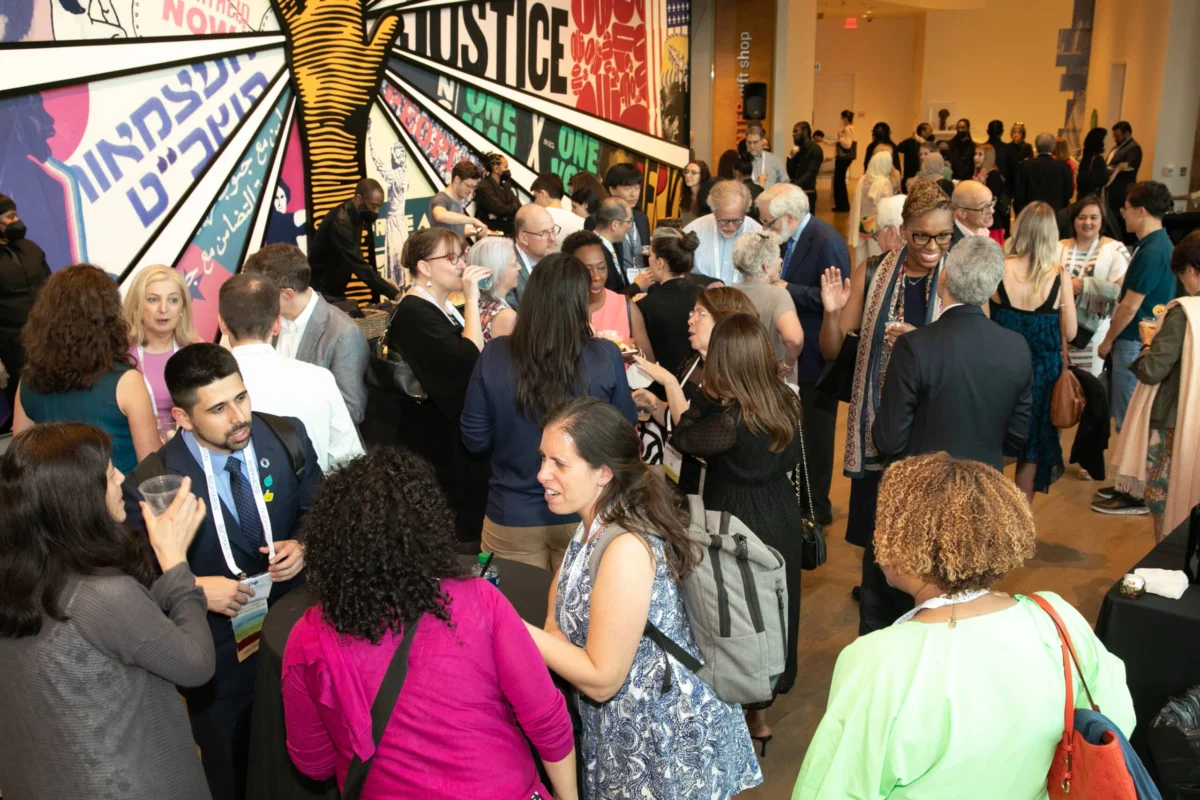
The ENDO annual meeting, organized by the Endocrine Society, stands as the preeminent global gathering for the endocrinology community, serving as a vital nexus where clinical practice, cutting-edge research, and professional mentorship converge. As the community reflects on recent gatherings and looks forward to future installments, including ENDO 2026 in Chicago and the anticipated return to Toronto in 2027, the event’s legacy is defined by its capacity to catalyze careers and foster international collaboration. For over a century, the Endocrine Society—founded in 1916—has utilized this annual forum to disseminate knowledge that shapes the treatment of conditions ranging from diabetes and obesity to rare hormone-related cancers. The following analysis explores the historical significance, professional impact, and evolving role of this conference through the experiences of its global membership.
The Strategic Importance of ENDO in the Scientific Landscape
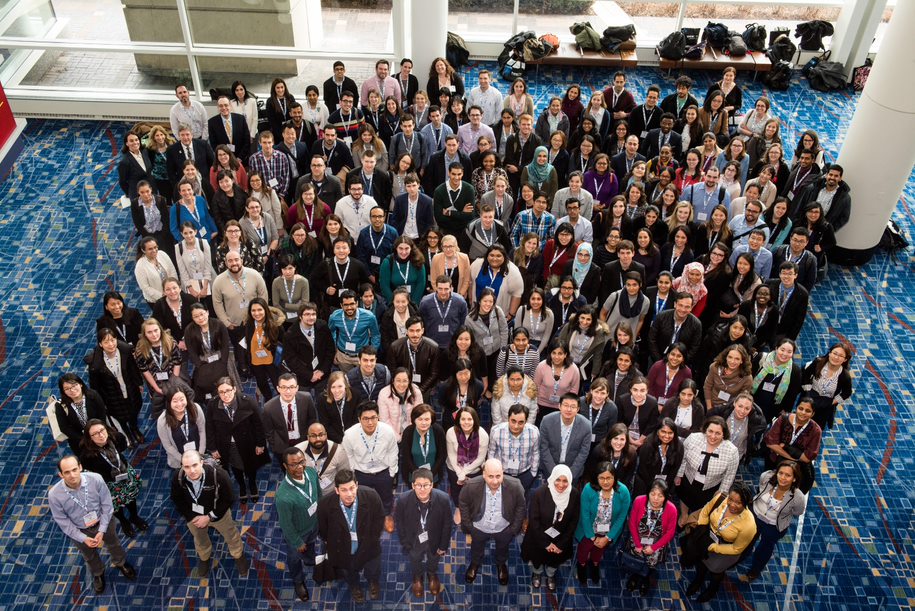
The annual meeting is more than a traditional academic conference; it is a strategic platform for the dissemination of high-impact research. Every year, thousands of endocrinologists, researchers, and healthcare professionals from across the globe descend upon the host city, creating an environment that many attendees describe as a "battery-charging" experience. The conference serves as a primary venue for presenting original abstracts, many of which later appear in high-impact journals such as The Journal of Clinical Endocrinology & Metabolism (JCEM) and Endocrine Reviews.
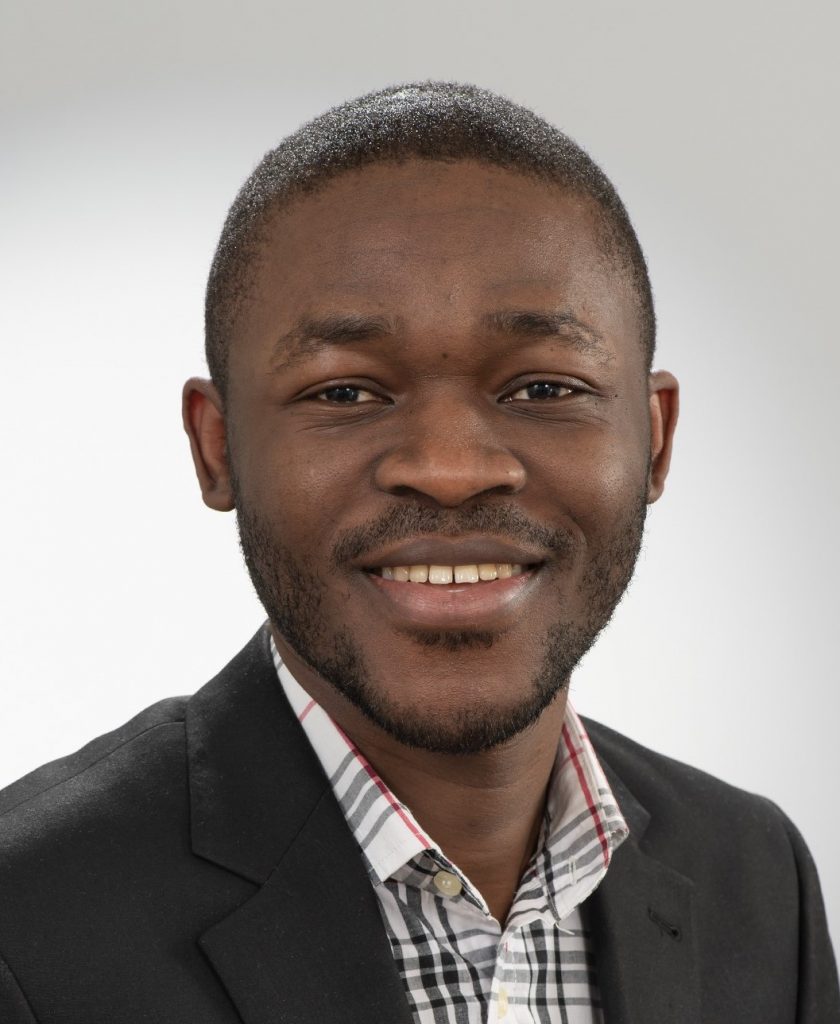
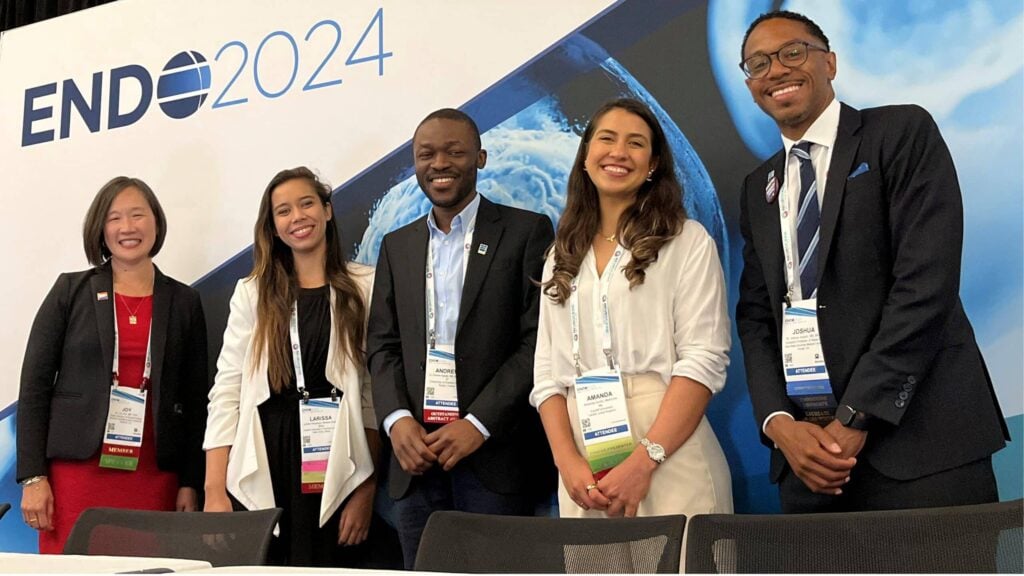
The professional stakes are high. For early-career investigators, being selected for an oral presentation or a press conference can alter the trajectory of their research funding and public visibility. For example, at ENDO 2024 in Boston, Dr. Andrew O. Agbaje presented a world-first study utilizing device-measured sedentary behavior to link childhood inactivity to liver steatosis and fibrosis in early adulthood. The subsequent media coverage and the receipt of an outstanding abstract award were instrumental in his securing the inaugural $70,000 Flemming Quaade Award for Innovative Approaches to Childhood Obesity. This underscores the meeting’s role in providing the "CV boost" necessary for competitive grant acquisition.
A Chronological Legacy: From Early Milestones to Presidential Leadership
The history of ENDO is often told through the "firsts" of its most prominent members. The transition from a nervous junior fellow to a leader of the Society is a recurring theme that highlights the organization’s commitment to internal growth and leadership development.
The Foundation Years: 1995–1998
In the mid-1990s, the conference laid the groundwork for current leadership. Dr. John Newell-Price, who would eventually serve as the Endocrine Society President, recalls his first oral communication in 1995. Despite the "terrifying" nature of the large-scale event, the supportive yet incisive questioning he received cemented his loyalty to the Society. Similarly, in 1998, the meeting in New Orleans served as a pivotal moment for Dr. Joy Wu, then an MD/PhD student. Watching her mentor, Anthony Means, receive the Fred Conrad Koch Lifetime Achievement Award—the Society’s highest honor—inspired her to commit to the specialty of endocrinology. That same year, Dr. Andrea Gore, now a distinguished chair at the University of Texas, found her career bolstered by an invitation to speak on GnRH, an opportunity that transformed her into a lifelong attendee.
International Expansion and Geographical Milestones: 2007
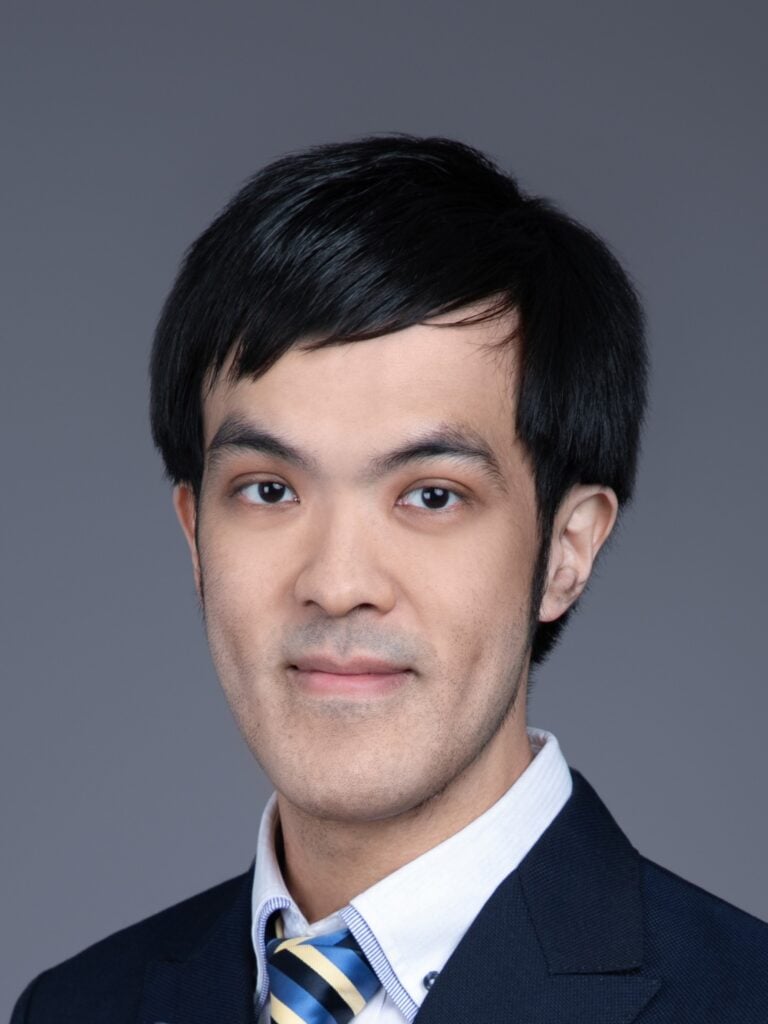
The 2007 meeting in Toronto, Canada, remains a significant historical marker, as it was the only time in the last two decades that the meeting was held outside the United States until the scheduled return to Toronto for ENDO 2027. This meeting was particularly transformative for international scholars. Dr. Shehzad Topiwala’s journey from Mumbai to Toronto illustrates the conference’s global reach. After eight visa rejections, the prestige of the $47,000 Endocrine Scholars Award—won under the mentorship of Dr. Paresh Dandona—provided the necessary leverage for a successful J1 Research Exchange visa. The event served as a bridge for international medical graduates to enter the American academic and clinical landscape.
Fostering Diversity and the Evolution of Mentorship
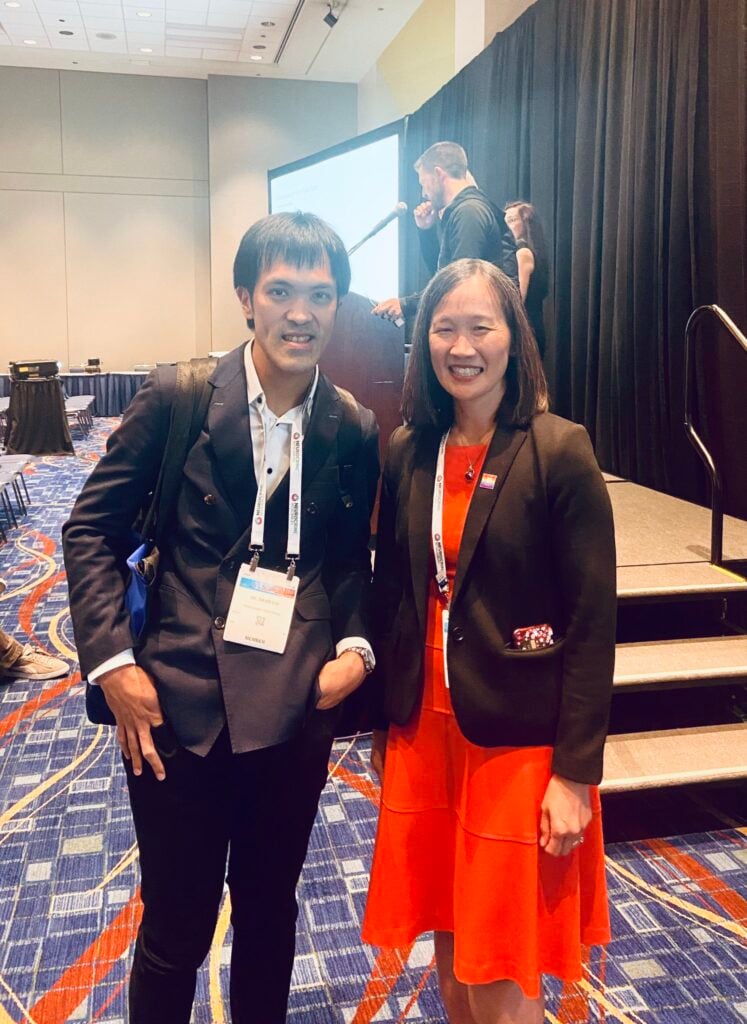
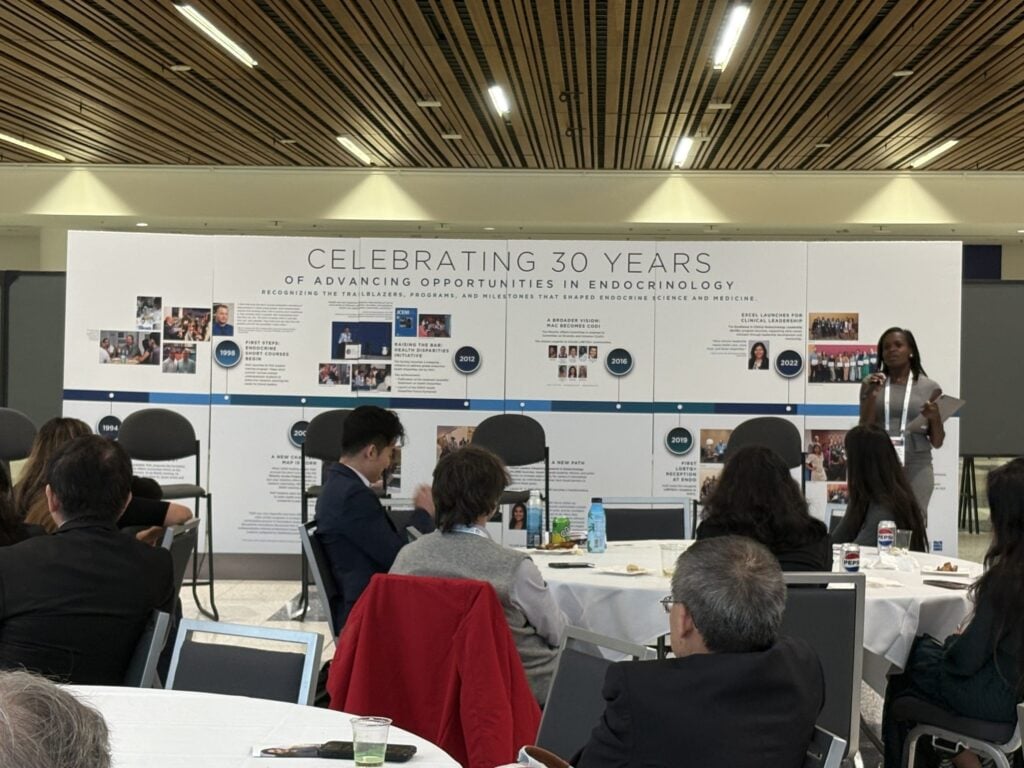
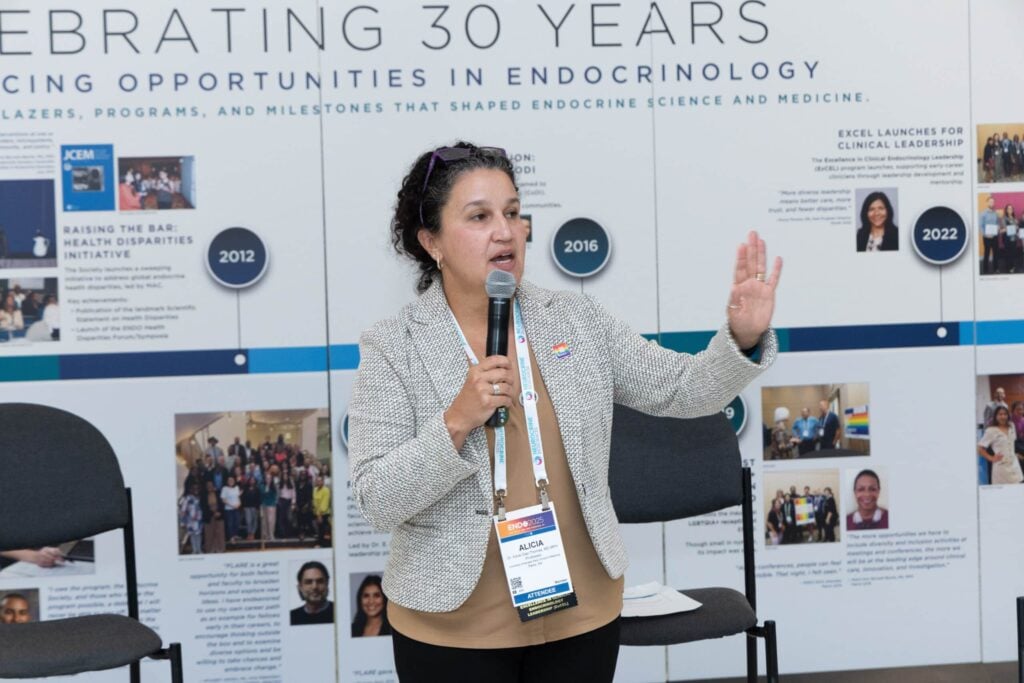
A critical component of the ENDO experience is the intentional creation of spaces for underrepresented groups in medicine. The Committee on Diversity and Inclusion (CODI), formerly known as the Minority Mentoring Reception, celebrated its 30th anniversary at ENDO 2025 in San Francisco.
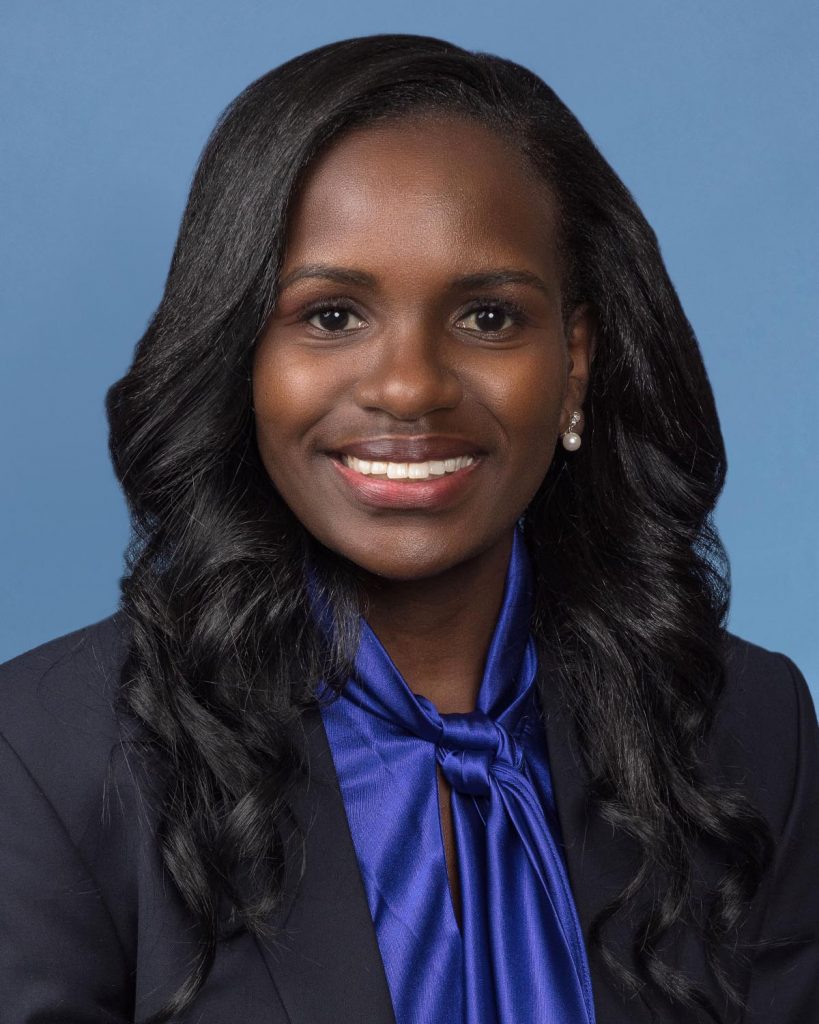
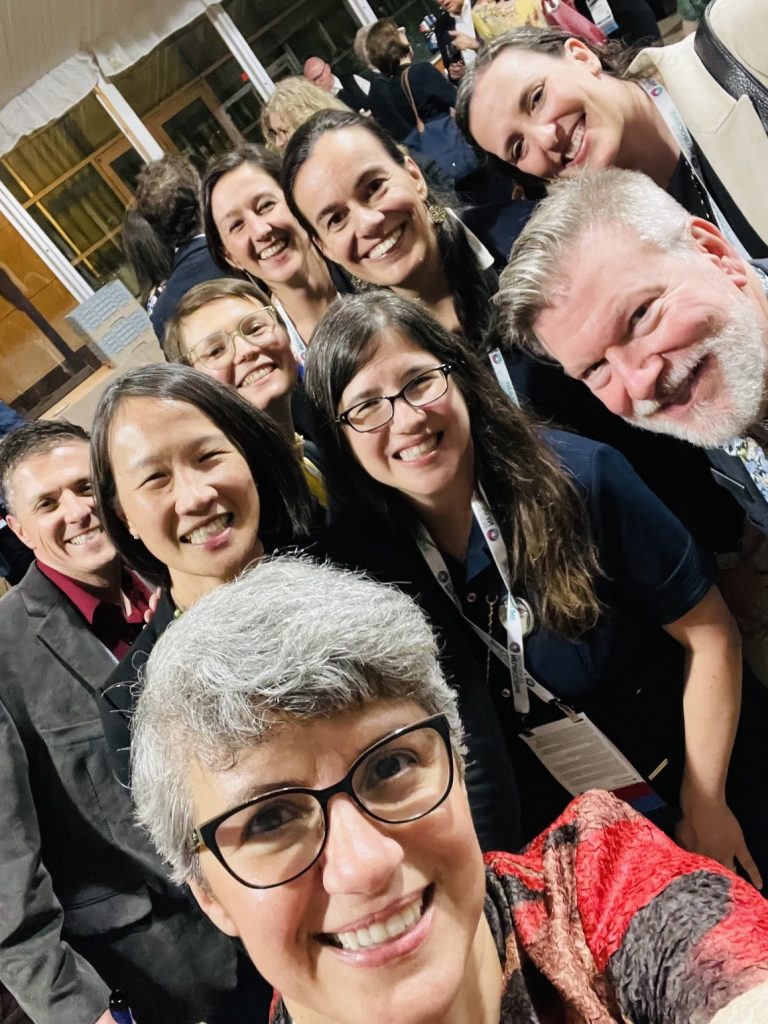
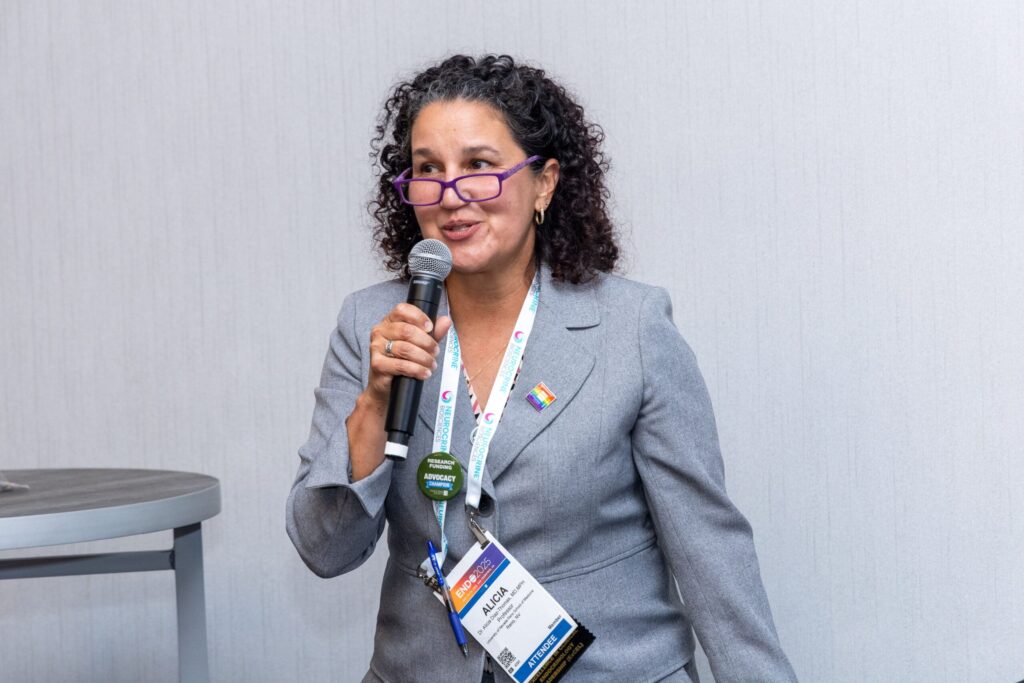
For many, these sessions represent the moment they felt "visible" within the larger scientific community. Dr. Alicia Diaz Thomas notes that her first experience at the Minority Mentoring Reception shifted her perspective of the conference from a mere meeting to a "professional home." The 30-year evolution of these committees reflects the broader institutional shift toward equity and inclusion, moving from simple networking to structured mentorship programs that pair senior leaders with early-career investigators. This institutionalized support is credited with helping junior investigators navigate the complexities of academic medicine, from securing tenure to managing laboratory staff.
The Digital Shift and the Return to In-Person Connection
The COVID-19 pandemic necessitated a rapid shift to virtual and hybrid formats, as seen in the 2020–2022 period. While these virtual meetings allowed for the continued exchange of data, the consensus among members is that "a video call is not the same." Dr. Lauren Fishbein emphasizes that the "hallway conversations" are where the most innovative research ideas are born. Her first R01 grant idea was validated through an informal chat in a conference hallway—a serendipitous interaction that is difficult to replicate in a digital environment.
Furthermore, the return to in-person meetings in 2023 and 2024 highlighted the importance of "real-world" networking. Dr. David Lui’s experience at ENDO 2023 in Chicago allowed him to connect with Dr. Joy Wu regarding the use of electronic health records in osteoporosis research. This connection later facilitated a visiting professorship and ongoing collaboration across continents, illustrating that the physical meeting serves as a catalyst for long-term international partnerships.
Professional Development and Clinical Efficiency
Beyond high-level research, ENDO provides practical clinical guidance that reshapes daily medical practice. Dr. Michael Morkos, co-director of the IUH Thyroid and Parathyroid Center, points to a specific professional development session where a senior endocrinologist’s advice on clinical visit efficiency fundamentally changed his approach to patient care. By learning to prioritize patient needs over traditional time-filling habits, Morkos improved his clinical productivity—a topic he now teaches at the Early Career Forum.
The conference also serves as a platform for addressing "imposter syndrome," a common challenge in high-stakes medical fields. Dr. Milay Luis Lam’s transition from a nervous resident to a faculty member for the EXCEL program demonstrates how the conference provides a structured path for personal and professional growth. This "place at the table" is earned through years of participation, presenting, and eventually mentoring the next generation of fellows.
Global Legacy and Future Implications
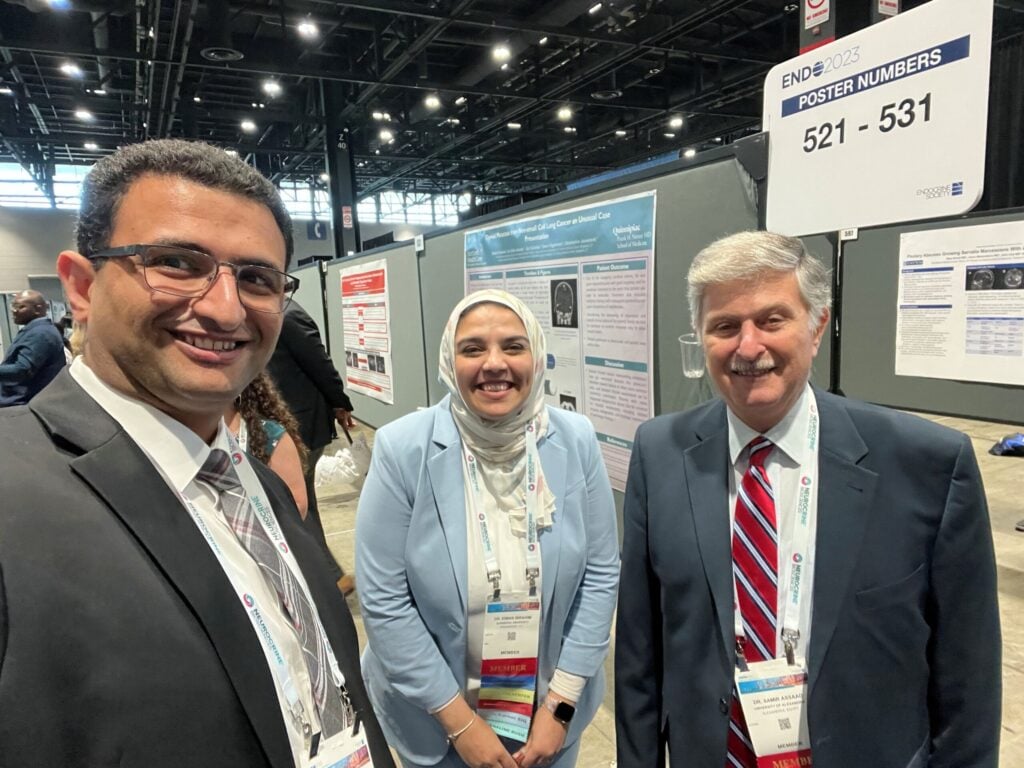
The impact of ENDO extends far beyond the four days of the conference. It creates a "legacy of mentorship" that transcends borders. Dr. Eiman Ibrahim’s experience of a "class reunion" at ENDO 2023 with her former professor from Egypt, Dr. Samir Assaad, underscores the generational and geographical continuity of the field. This continuity is essential for tackling global health crises, such as the rising prevalence of metabolic syndrome and the complexities of hormone-sensitive cancers.
Supporting Data and Statistical Context
- Attendance Trends: Historically, ENDO attracts between 7,000 and 9,000 attendees annually, with approximately 40% of participants coming from outside the United States.
- Scientific Output: The meeting typically features over 2,000 poster presentations and hundreds of oral sessions, covering more than 20 sub-specialties within endocrinology.
- Economic Impact: Host cities, such as Chicago (McCormick Place) and San Francisco (Moscone Center), see significant economic activity, with the conference contributing millions of dollars to local hospitality sectors.
Conclusion: Looking Toward ENDO 2026 and 2027
As the Endocrine Society prepares for ENDO 2026 in Chicago, the focus remains on integrating technological advancements—such as AI in diagnostic endocrinology—with the traditional values of community and mentorship. The subsequent return to Toronto in 2027 will mark twenty years since the landmark 2007 meeting, symbolizing a full circle for many members who began their journeys at that international milestone.
The enduring success of ENDO lies in its dual nature: it is both a rigorous scientific forum and a supportive community. Whether it is a first-year fellow presenting their first poster or a past president reflecting on thirty years of service, the meeting remains the definitive "home" for those dedicated to the study and treatment of the endocrine system. The connections forged in the hallways of these conventions will continue to drive the innovations that define the future of medicine.
