





The Endocrine Society and Keystone Symposia have announced a landmark collaborative partnership to launch a multi-year series of scientific meetings designed to investigate the complex intersections between hormone signaling, oncology, diabetes, and cardiometabolic health. This strategic alliance represents a significant shift in the approach to biomedical research, seeking to dissolve the traditional silos that have historically separated distinct medical disciplines. By convening experts from disparate fields, the organizations aim to accelerate the translation of basic scientific discoveries into clinical applications, ultimately addressing some of the most pressing global health challenges of the 21st century.
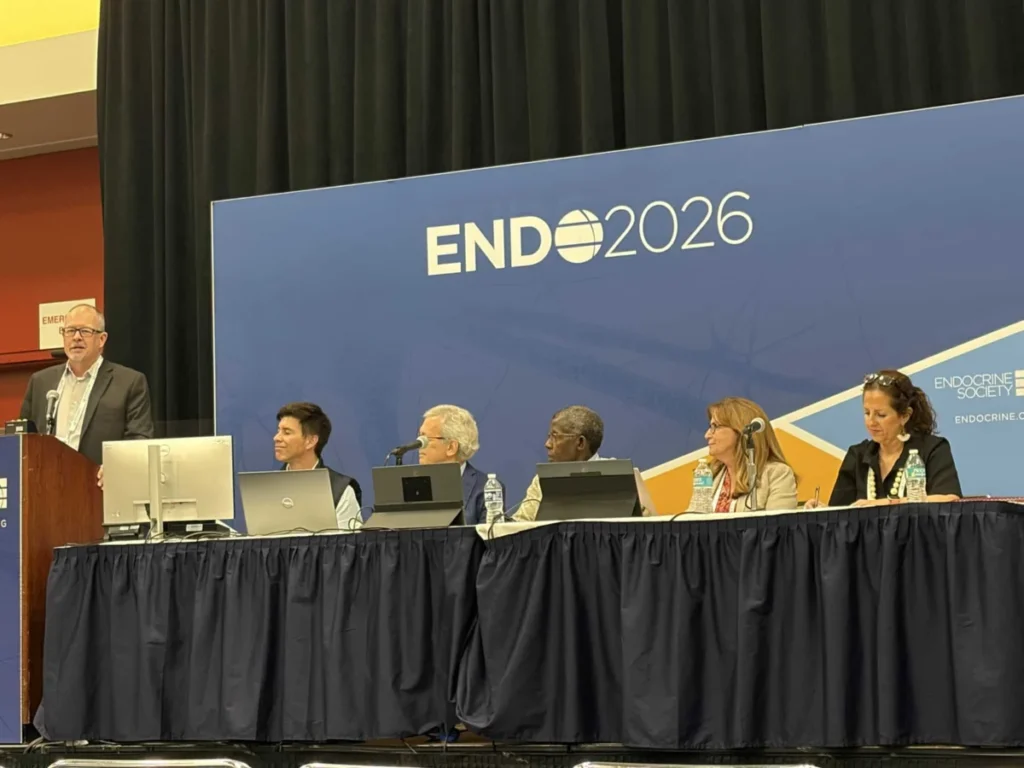
The initiative was formally introduced and discussed during a high-level symposium held in June at ENDO 2026 in Chicago, Illinois. During this event, leading researchers and executives from both the Endocrine Society and Keystone Symposia outlined a vision for a more integrated scientific community. The partnership comes at a critical juncture in medical history, as the sheer volume of published data and the increasing complexity of molecular biology demand new frameworks for knowledge exchange.
A New Framework for Interdisciplinary Discovery
The cornerstone of this collaboration is the recognition that human biology does not operate in isolation. James Baumgartner, PhD, President and CEO of Keystone Symposia, emphasized during the Chicago symposium that the most profound scientific breakthroughs are currently occurring at the boundaries of different disciplines. According to Baumgartner, the traditional model of networking within a narrow specialty can inadvertently slow the pace of innovation.
"Biology doesn’t know any boundaries. Health and disease don’t know boundaries," Baumgartner stated. He noted that by bringing together experts who might not otherwise interact—such as an endocrinologist specializing in insulin resistance and an immunologist studying tumor microenvironments—the partnership seeks to spark the "intersectional" thinking required for modern medical breakthroughs. This approach is particularly relevant as researchers struggle to keep pace with the exponential growth of genomic and proteomic data.
The conference series is structured to facilitate these interactions through a mix of high-level plenary sessions, intimate workshops, and structured networking opportunities. The goal is to move beyond the mere presentation of data toward the synthesis of new ideas that span the spectrum from discovery and translational research to clinical practice.
Chronology of the Conference Series
The collaborative series is scheduled to begin in late 2026 and continue through 2027, with several key events already on the calendar. This timeline reflects a long-term commitment to fostering sustained dialogue between the endocrine and broader biological research communities.
- October 5–8, 2026: The series officially launches with the meeting titled "Hormonal Influences on Immunity and Cancer Across the Lifespan." This event will be held in Breckenridge, Colorado. This meeting will focus on how hormonal fluctuations—ranging from puberty to menopause and aging—impact the immune system’s ability to recognize and combat malignant cells.
- February 2027: The partnership will continue with two concurrent or back-to-back meetings in Colorado focusing on Diabetes and Cardiometabolic Disease. These sessions will delve into the molecular mechanisms of metabolic dysfunction and the hormonal pathways that link obesity to cardiovascular complications.
- Ongoing Integration: Following these anchor events, the organizations plan to integrate findings into their respective annual meetings and digital platforms, ensuring that the cross-disciplinary insights reach a global audience of clinicians and researchers.
Registration for the inaugural 2026 meeting in Breckenridge is currently open, signaling the start of a multi-year effort to reshape how hormonal research is conducted and applied.
Supporting Data: The Growing Burden of Endocrine-Related Diseases
The necessity for this intersectional approach is underscored by global health statistics. Chronic diseases that involve hormonal pathways are currently the leading causes of morbidity and mortality worldwide. By addressing these conditions through a unified lens, the Endocrine Society and Keystone Symposia are targeting the root causes of several major health crises.
According to data from the World Health Organization (WHO), diabetes prevalence has been rising more rapidly in low- and middle-income countries than in high-income countries. Globally, an estimated 537 million adults are living with diabetes, a number expected to rise to 783 million by 2045. The hormonal regulation of glucose is not just a metabolic issue; it is intrinsically linked to cardiovascular health. Individuals with diabetes are two to four times more likely to develop heart disease or have a stroke.
Furthermore, the link between hormones and cancer remains a critical area of study. Breast and prostate cancers, both of which are heavily influenced by hormonal signaling, are among the most commonly diagnosed cancers globally. In 2022 alone, there were over 2.3 million new cases of breast cancer. Emerging research suggests that the endocrine system also plays a vital role in modulating the "immune checkpoints" that are the targets of modern immunotherapy. By understanding these hormonal-immune interactions, researchers hope to improve the efficacy of cancer treatments for patients who currently do not respond to standard therapies.
Bridging the Gap: From Bench to Bedside
A primary objective of the conference series is to provide a platform where basic scientists can see the clinical relevance of their work, and where clinicians can find the molecular explanations for the pathologies they treat. Professor Ines Pineda Torra, PhD, of the Fundacion Progreso y Salud in Seville, Spain, highlighted the value of this context during the Chicago symposium.
Torra noted that for basic researchers, attending meetings that include clinical and translational perspectives allows them to see where their specific "system" fits into the larger puzzle of human health. "You see other people’s work, and you think, ‘That’s what I want to do, but in my system,’" Torra said. This "cross-pollination" of methodologies allows a researcher working on cellular signaling in a lab to adopt techniques or frameworks used in clinical trials, and vice versa.
This "bench-to-bedside and back again" philosophy is essential for therapeutic innovation. The inclusion of industry representatives in these meetings is a deliberate strategy to ensure that new discoveries have a clear pathway toward drug development and commercialization. By fostering an environment where academic researchers interact with industry titans, the series aims to shorten the decade-long gap that often exists between a laboratory discovery and a viable patient treatment.
Mentorship and the Next Generation of Scientists
Beyond the scientific data, the partnership is deeply committed to the professional development of early-career researchers. E. Dale Abel, MD, PhD, a Past-President of the Endocrine Society, emphasized that the conference series is designed to be an intimate setting where emerging scientists can interact directly with established "titans" of the field.
"I’m proud to say both the Endocrine Society and Keystone Symposia have had really an unflinching commitment to ensuring that both organizations remain a place in which those who are emerging in science can have a home," Abel stated. The Colorado meetings, known for their retreat-like atmosphere, provide a unique opportunity for mentorship that is often lost in larger, more anonymous international conventions.
This focus on the next generation is vital for the sustainability of the field. As the landscape of medical research becomes more complex, young scientists require multidisciplinary training and a diverse network of mentors to succeed. The partnership provides a "home" for these individuals, offering them a voice in the direction of future research and access to the career support necessary to navigate the transition from postdoctoral training to independent investigation.
Institutional Synergies and Future Implications
The collaboration leverages the unique strengths of two of the most respected organizations in the scientific community. The Endocrine Society, with its deep roots in clinical practice and professional advocacy, complements Keystone Symposia’s reputation for hosting high-level, specialized research retreats.
Roger Cone, PhD, Mary Sue Coleman Director of the Life Sciences Institute at the University of Michigan, noted that this partnership creates "new things that don’t exist now at either of the two institutions." By combining the clinical breadth of the Society with the molecular depth of Keystone, the coordinated programming is expected to set a new standard for scientific meetings.
The implications of this partnership extend far beyond the specific dates of the conferences. If successful, this intersectional model could serve as a blueprint for other medical societies looking to break down disciplinary barriers. As medicine moves toward a more "personalized" or "precision" approach, the ability to integrate knowledge from endocrinology, oncology, immunology, and cardiology will be paramount.
In the long term, the Endocrine Society and Keystone Symposia are not just hosting meetings; they are attempting to cultivate a new culture of scientific inquiry. This culture prioritizes collaboration over competition and synthesis over isolation. As the first series of meetings approaches in 2026, the scientific community watches closely to see how these "boundary-less" discussions will translate into the next generation of life-saving medical treatments.