






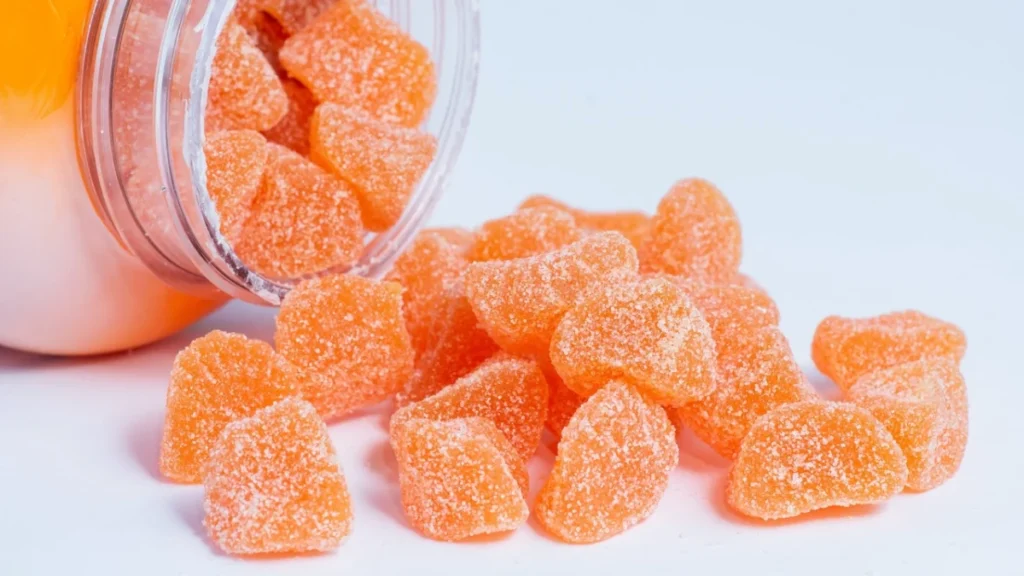
A recent investigation by NOW Foods has cast a stark spotlight on the integrity of the booming gummy supplement market, revealing that a significant portion of Vitamin C gummies sold online are failing to deliver on their label claims. Out of 30 popular brands tested, a concerning 12 brands did not meet the declared Vitamin C content, raising serious questions about quality control and transparency within the dietary supplement industry. This revelation comes at a critical juncture, as gummy supplements have rapidly ascended to become a dominant force in the market, capturing nearly a quarter of the overall share in 2025, according to data from the Nutrition Business Journal. The implications for consumer trust and the future of this rapidly expanding segment are substantial.
The appeal of gummy supplements, often referred to as "candyceuticals," lies in their palatable texture and ease of consumption, making them an attractive delivery system for a wide array of active ingredients. However, the NOW Foods study underscores that not all ingredients are equally suited for this format, and not all manufacturers are adhering to rigorous production standards. The investigation, which focused on Vitamin C, a widely recognized and popular nutrient, serves as a critical case study for the broader challenges faced by the gummy supplement sector. Understanding the science behind gummy formulation and the importance of robust testing protocols is paramount for ensuring that consumers receive the products they expect and pay for.
The Genesis of the Investigation: A Commitment to Quality

The impetus for NOW Foods’ comprehensive testing initiative stems from a long-standing commitment to product quality and consumer advocacy. The company, known for its rigorous internal testing and third-party verification processes, has consistently aimed to provide consumers with supplements that meet or exceed label claims. This particular investigation was triggered by anecdotal observations and a growing awareness within the industry of potential inconsistencies in the gummy supplement market, particularly for ingredients that can be susceptible to degradation during manufacturing or storage.
The testing protocol, initiated in early 2023, involved purchasing 30 different brands of Vitamin C gummies from a prominent online retailer, Amazon.com. Alongside these, NOW Foods also included five "legacy" brands, which are established players in the market and are generally expected to meet stringent quality standards. The subsequent laboratory analysis, performed by NOW Foods’ internal quality control team and independently validated by Alkemist Labs, a respected third-party laboratory, aimed to quantify the actual Vitamin C content in each product. The results, released in late 2023, painted a concerning picture, with 40% of the tested brands falling short of their stated potency.
Understanding the Formulation Challenges: The Science Behind the Gummy
The inherent nature of gummy manufacturing presents a unique set of challenges for supplement developers. The process typically involves heating ingredients to high temperatures, often exceeding 100 degrees Celsius, to achieve the desired gelation and texture. Furthermore, many gummy formulations, particularly those based on pectin, are inherently acidic, with pH levels frequently ranging from 3.0 to 4.5. These environmental factors – heat and acidity – can significantly impact the stability of certain active ingredients.
Crystal Webber, founder and chief innovation officer at Formulation Innovations Group, a specialized nutraceutical gummy manufacturer, emphasizes the critical importance of understanding the physiochemical properties of raw ingredients. "Generally speaking, manufacturers should use supplement ingredients in gummies that are heat- and acid-stable," she stated. However, she also noted that suitability is not a black-and-white issue. "Solubility is not necessarily a dealbreaker with some nutrient forms, and soluble is not always the best option with others. The same nutrient added as a high oil load that fails at higher, standard gummy temperatures might work perfectly in a custom-built low-temperature base with high shear."
Webber advocates for a scientific approach, suggesting that while heat-stable, acid-stable, and low-dose ingredients are generally easier to scale in gummy formulations, no ingredient should be definitively ruled out. "I believe any ingredient can be gelled with the right scientific approach and a good measure of patience," she remarked.
The Case of Vitamin C: A Delicate Balancing Act
Vitamin C, or ascorbic acid, serves as an excellent example of an ingredient that requires careful consideration in gummy formulations. It is known to be sensitive to heat, oxygen, and light. While not impossible to incorporate into gummies, its incorporation necessitates careful planning and the inclusion of an "overage" – an extra amount of the nutrient added to compensate for potential losses during processing and throughout the product’s shelf life.
Webber has observed overages for Vitamin C ranging from 20% to as high as 60%, depending on specific processing conditions, the pH of the formulation, and the presence of other ingredients. This variability underscores the complexity of ensuring consistent potency. The NOW Foods investigation revealed that many brands may not be adequately accounting for these losses, leading to products that are significantly under-potent by the time they reach the consumer.
Gummy Base Selection: A Foundation for Stability
The choice of gummy base is another pivotal factor in the success of a gummy supplement. The two most prevalent bases are pectin and gelatin, each with its own distinct properties. Pectin, a plant-derived gelling agent, requires specific pH and brix (sugar concentration) levels to achieve proper gelation. Gelatin, derived from animal collagen, offers more flexibility in terms of pH but is more susceptible to heat degradation.
"Gelatin systems are much more forgiving than pectin," explained Webber. "Gelatin is easy to maintain in gel form aside from extreme heat. Gelatin-based gummies melt at a very low temperature compared to pectin-based gummies."
For Vitamin C, formulators can utilize either pectin or gelatin bases, but caution is advised with pectin. "Vitamin C gummy formulations can be challenging because most manufacturers are using a pectin that gels at a set pH range," Webber elaborated. "Since Vitamin C in the ascorbic form is an acid by nature, adding vitamin C can cause the gummy base to set too firmly, or at the wrong time." This can lead to manufacturing difficulties and inconsistent product texture, further complicating the challenge of ensuring accurate vitamin content.
The Crucial Role of Analytical Testing: Navigating Matrix Interference
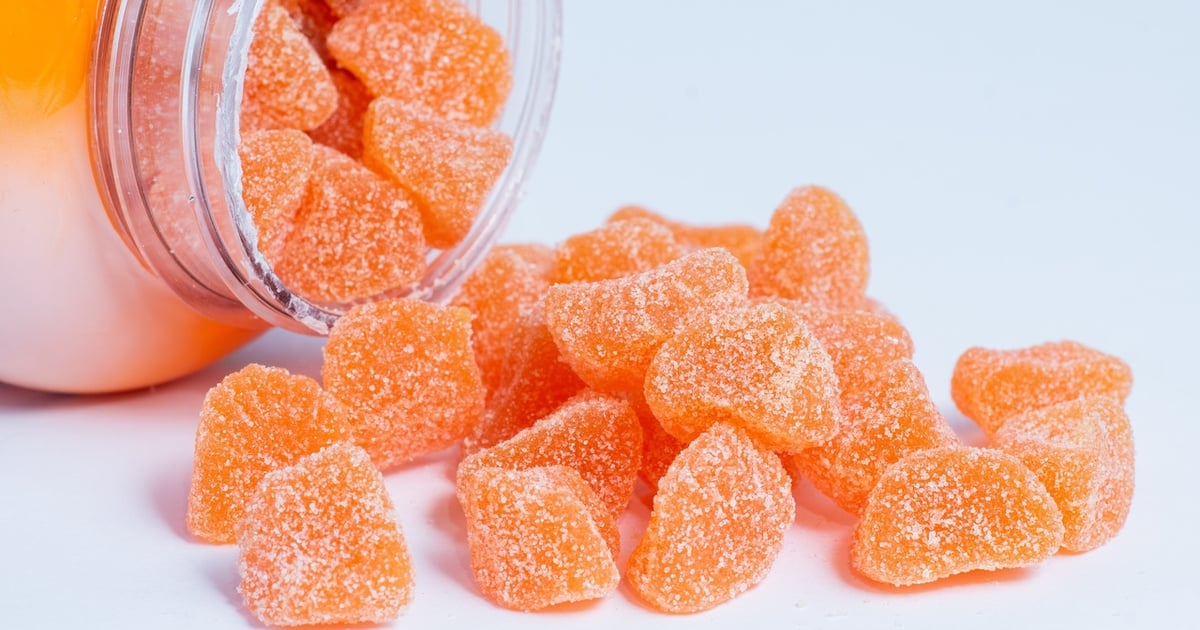
The complexity of gummy formulations introduces significant challenges for accurate laboratory analysis. Unlike simple powders or liquids, the diverse matrix of ingredients within a gummy can interfere with standard testing methodologies. Celine Decasiano, analytical operations manager at Alkemist Labs, highlighted these hurdles. "The other ingredients in gummies, like gelatin/pectin base, colorants, flavor compounds and the high sugar load don’t disperse cleanly into the organic solvent, or co-extract and cause interference," she stated.
To overcome these challenges, laboratories must employ specialized sample preparation techniques. Alkemist Labs, for instance, utilizes a cryo-grinding process, where gummies are frozen with dry ice and then pulverized into a fine, homogenous powder. This powdered material is then extracted into a solvent for precise analysis. This meticulous preparation is essential for isolating the active ingredients and obtaining reliable results.
For Vitamin C, high-performance liquid chromatography (HPLC) is the most widely accepted analytical method. The NOW Foods investigation relied on a validated HPLC method, externally verified by Alkemist Labs, to ensure the accuracy of their Vitamin C measurements. The fact that 12 out of 30 brands failed these rigorous tests suggests that either these manufacturers are not employing appropriate testing methods, or they are not adequately addressing the formulation and processing challenges that lead to vitamin degradation.
Ensuring Label Claims: The Imperative of Diligent Testing
The discrepancy between label claims and actual content in many gummy supplements underscores the critical need for comprehensive testing at multiple stages of production. This includes not only testing raw materials but also finished products before they are released to the market.
Decasiano pointed out that low results against label claims are often attributable to processing, formulation, and shelf-life issues, rather than solely to analytical challenges. "Actives that are sensitive to heat or oxidation during the manufacturing process and storage conditions can show degradation," she noted, emphasizing that some actives are remarkably stable in gummy products when formulated correctly.
The NOW Foods findings are particularly alarming because they suggest a widespread failure to address these fundamental aspects of supplement manufacturing. The inclusion of "negligible amounts" of Vitamin C in some products indicates a severe lapse in quality control, potentially leaving consumers unknowingly deficient in a vital nutrient.
Shelf-Life Testing: A Neglected but Vital Step
Beyond immediate post-production analysis, conducting thorough shelf-life testing is indispensable for establishing accurate expiration dates and guaranteeing that the product remains potent throughout its intended lifespan. Most gummies are marketed with a two-year shelf life. However, this assumes that the active ingredients will remain stable over that period.
Dan Richard, vice president of global sales and marketing at NOW Foods, stated that stability studies are "time-consuming and expensive, but they show when increases in overage, or the extra amount of active ingredient, are required in a formula." NOW Foods itself conducts both accelerated and real-time stability testing on its products.
The company’s preliminary predictions suggest that at least four of the tested brands would likely fail to meet their label claims by their expiration dates, based on an estimated Vitamin C degradation rate of approximately 20% per year. "We are aware that most brands do not do (shelf-life testing)," Richard remarked, highlighting a significant gap in industry practices. This neglect of shelf-life studies can lead to products that are potent upon release but significantly under-dosed by the time they are consumed, further eroding consumer confidence.
Broader Implications for the Supplement Industry and Consumer Trust
The findings from the NOW Foods investigation have far-reaching implications for the dietary supplement industry and, most importantly, for consumers. The rapid growth of the gummy supplement market, driven by consumer demand for convenient and palatable options, has outpaced regulatory oversight and, in some cases, responsible manufacturing practices.
The prevalence of under-potent products not only defrauds consumers but also poses potential health risks if individuals are relying on these supplements for specific therapeutic or nutritional benefits. For those with genuine deficiencies or specific health needs, consuming a product that does not contain the advertised levels of a nutrient can be particularly detrimental.
This situation also puts ethical manufacturers who invest in rigorous quality control at a disadvantage, as they may face higher production costs compared to those who cut corners. It creates an uneven playing field where the promise of efficacy is often unmet.
Moving Forward: A Call for Enhanced Transparency and Accountability
The NOW Foods study serves as a critical wake-up call for the entire dietary supplement industry. It highlights the urgent need for:
- Enhanced Regulatory Scrutiny: While the FDA oversees dietary supplements, the current regulatory framework may require strengthening to ensure greater accountability for manufacturers regarding product potency and truth in labeling.
- Industry-Wide Adoption of Best Practices: Manufacturers must prioritize robust quality control, including comprehensive raw material testing, validated manufacturing processes, and thorough shelf-life studies.
- Increased Transparency with Consumers: Companies should be more forthcoming about their testing protocols and the scientific basis for their formulations. Clearer labeling that reflects potential ingredient stability challenges and the rationale behind overages could also be beneficial.
- Consumer Education: Empowering consumers with knowledge about the complexities of supplement formulation and the importance of choosing reputable brands is crucial. Understanding that not all gummies are created equal is the first step towards making informed purchasing decisions.
The convenience and appeal of gummy supplements are undeniable, and their market share is likely to continue growing. However, this growth must be underpinned by an unwavering commitment to quality, integrity, and transparency. The NOW Foods investigation, while revealing concerning deficiencies, also offers an opportunity for the industry to collectively address these issues, rebuild consumer trust, and ensure that gummy supplements are not just a sweet treat, but a reliable source of nutritional support. The long-term health of the market depends on it.