







The landscape of endocrinology research is undergoing a profound transformation as a new generation of laboratory technologies redefines the boundaries of precision, sensitivity, and operational efficiency. In an era where the smallest physiological variation can signal the difference between health and chronic disease, the demand for high-fidelity analytical tools has never been more urgent. Modern endocrinology—the study of the complex system of glands and hormones that regulate nearly every bodily function—requires a level of detail that traditional methods often struggle to provide. Today’s researchers are increasingly moving away from legacy systems in favor of advanced mass spectrometry, ultra-sterile environments, and ergonomic precision instruments that ensure every data point is both reproducible and actionable.
The Evolution of Precision in Endocrine Analysis
The history of endocrinology is a chronicle of the search for greater sensitivity. In the mid-20th century, the advent of radioimmunoassay (RIA) allowed scientists to measure hormones in the blood for the first time, albeit with significant limitations regarding radioactive waste and cross-reactivity. The subsequent shift to enzyme-linked immunosorbent assays (ELISA) improved safety but often lacked the dynamic range required to distinguish between structurally similar steroid hormones.
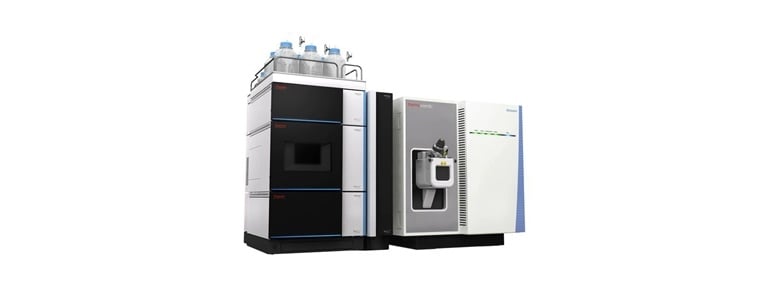
In the current technological epoch, the focus has shifted toward Liquid Chromatography-Mass Spectrometry (LC-MS/MS). This methodology has become the gold standard for hormone quantification, offering unparalleled specificity. The introduction of systems like the Thermo Scientific TSQ Quantis Plus Triple Quadrupole Mass Spectrometer represents a milestone in this timeline. By utilizing Selective Reaction Monitoring (SRM), researchers can isolate specific molecular precursors and product ions, effectively filtering out chemical noise that often plagues biological samples.

Industry analysts note that the global endocrinology diagnostics market is projected to reach approximately $6.5 billion by 2030, driven largely by the rising prevalence of endocrine disorders such as diabetes, thyroid malfunctions, and polycystic ovary syndrome (PCOS). As these conditions become more prevalent, the throughput requirements of diagnostic and research laboratories have skyrocketed, necessitating tools that can process hundreds of samples daily without compromising on the integrity of the results.
High-Throughput Quantitation and the Mass Spectrometry Revolution
The TSQ Quantis Plus is at the forefront of this high-throughput movement. Designed to meet the rigorous demands of both routine clinical testing and advanced academic research, the system addresses the "sensitivity gap" in hormone analysis. For example, measuring testosterone levels in women and children requires a lower limit of quantitation (LLOQ) that many standard assays cannot reliably reach. The TSQ Quantis Plus utilizes an advanced ion source and a mass analyzer that supports rapid SRM acquisition speeds, allowing for the simultaneous detection of dozens of different metabolites in a single run.
Furthermore, the integration of intuitive software templates has lowered the barrier to entry for complex mass spectrometry. Historically, mass spectrometry required specialized physicists or chemists to operate; today’s integrated workflows allow endocrinologists to focus on the biological implications of their data rather than the mechanics of the machine. This shift toward "democratized" high-end technology is a critical factor in the acceleration of endocrine research globally.
Maintaining Integrity: The Role of Controlled Environments
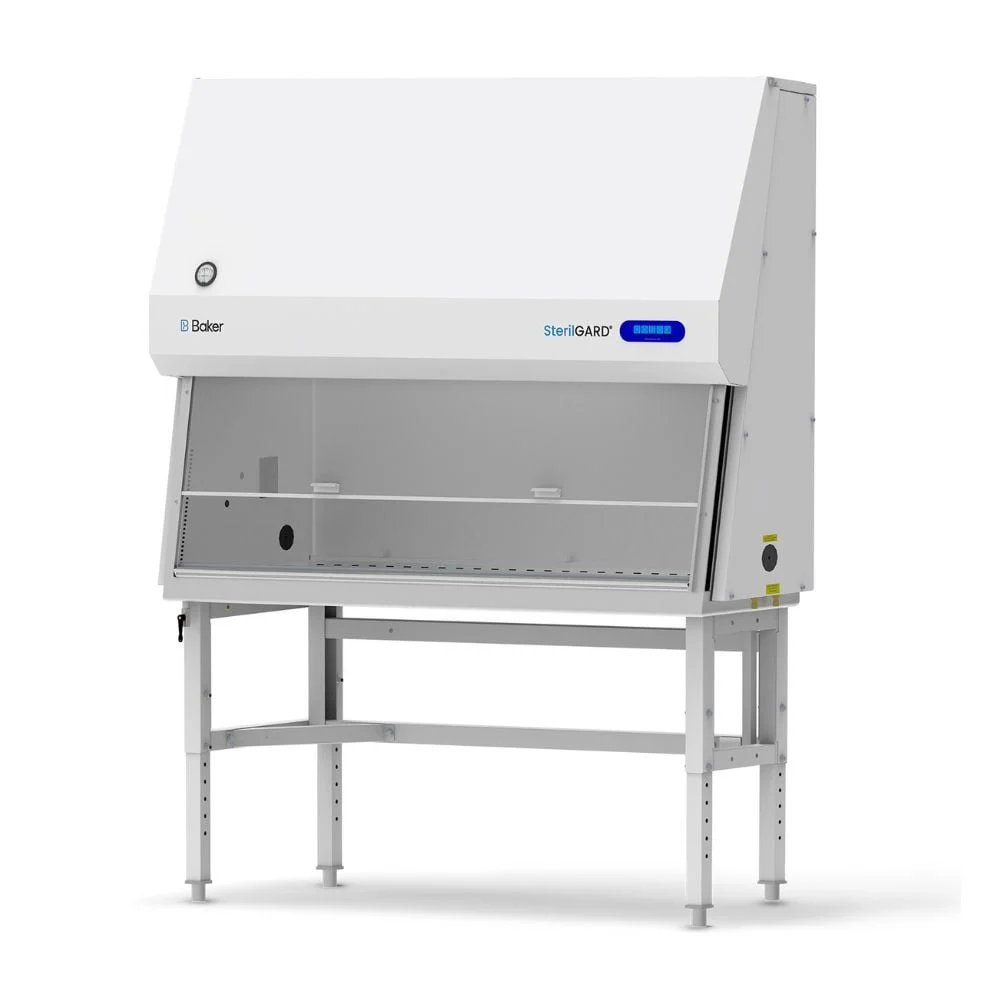
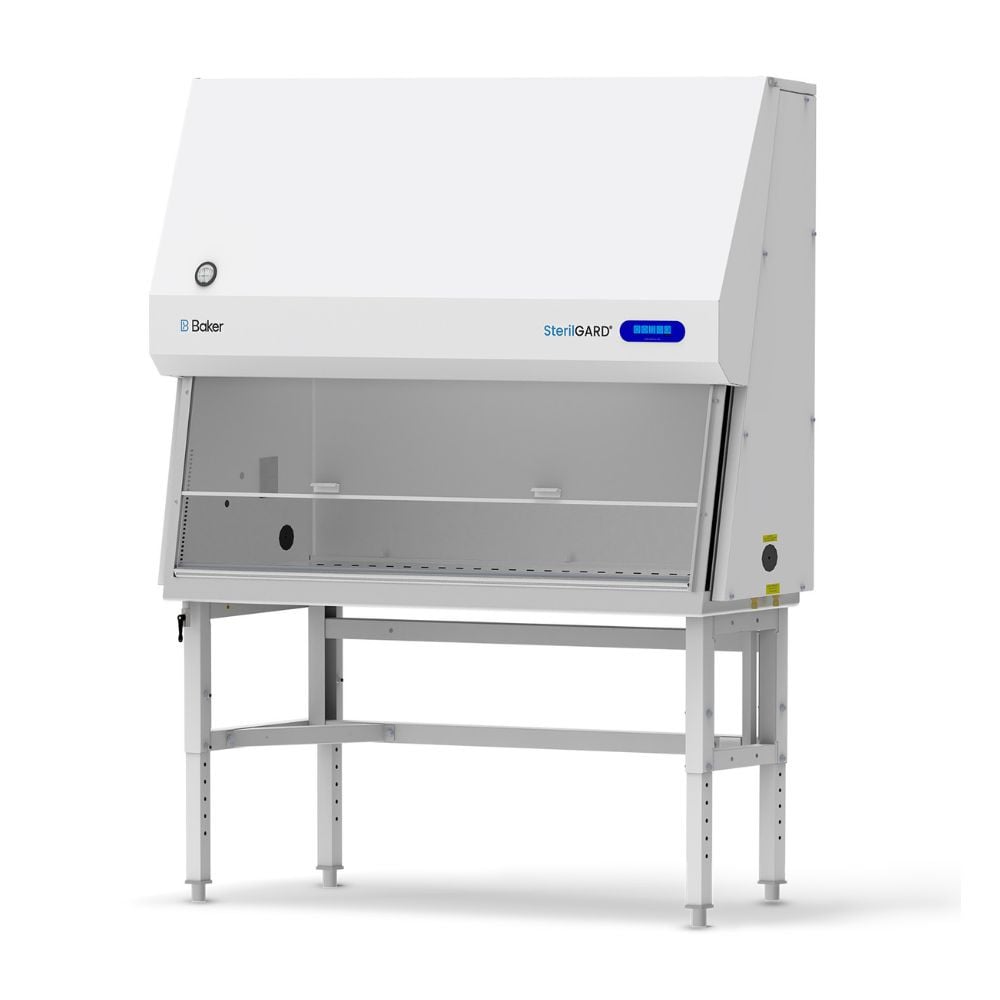
While analytical machines provide the data, the reliability of that data often begins at the bench. The Baker SterilGARD e3 Class II Type A2 Biosafety Cabinet illustrates the critical importance of environmental control in endocrine studies. Much of modern endocrinology involves cell culture—specifically the study of how endocrine-disrupting chemicals (EDCs) affect human cell lines or how pancreatic islet cells can be regenerated for diabetes treatment.
In these sensitive applications, even microscopic contamination can invalidate months of work. The SterilGARD e3 utilizes HEPA-filtered laminar airflow to create a sterile "micro-environment." By reducing turbulence and maintaining a consistent protective air curtain, the cabinet protects the researcher from hazardous biological agents while simultaneously protecting the sample from cross-contamination.
Laboratory managers emphasize that the "cost of failure" in endocrine research is exceptionally high. A single contaminated culture in a study regarding hormone-sensitive breast cancer cells can lead to skewed results, potentially delaying the development of life-saving therapies. Therefore, the biosafety cabinet is no longer viewed as a passive piece of furniture but as an active component of the research quality control chain.
The Human Element: Precision Liquid Handling and Ergonomics
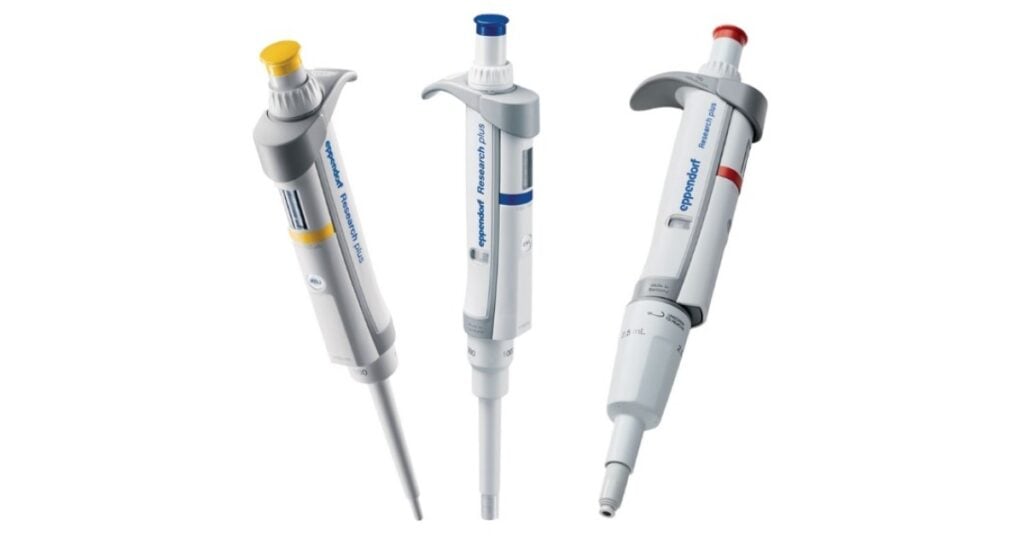
The accuracy of an assay is frequently dependent on the precision of the initial sample preparation. The Eppendorf Research Plus Pipette serves as a fundamental tool in this process. In endocrinology, where samples such as cerebrospinal fluid or pediatric serum may be available in extremely limited quantities (microliters), the margin for error is virtually zero.
The move toward ergonomic design in pipetting is not merely a matter of comfort; it is a matter of data integrity. Repetitive strain and user fatigue are leading causes of pipetting inconsistency. By reducing the operating forces required to aspirate and dispense liquids, modern pipettes ensure that the 1st sample and the 100th sample are treated with the same level of volumetric accuracy. This consistency is vital for hormone assays where standard curves must be exact to ensure the correct calculation of endogenous concentrations.
Infrastructure and the Modular "Lab of the Future"
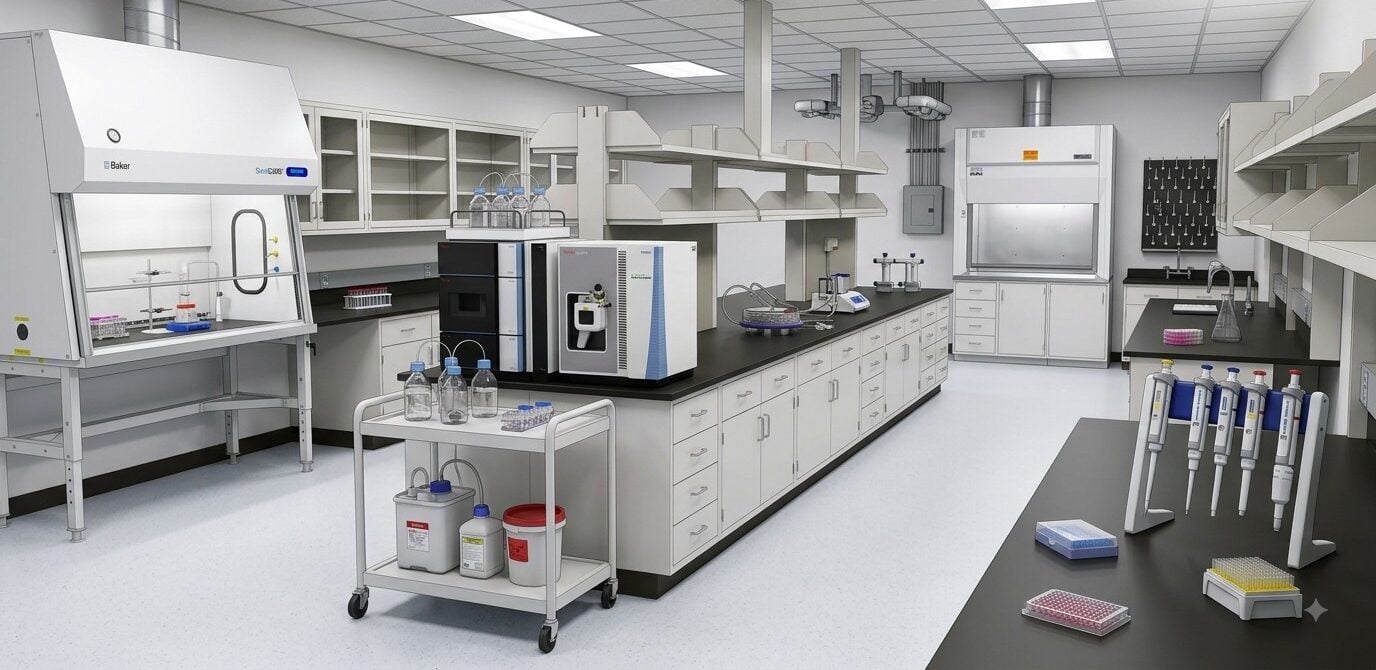
The physical layout of the laboratory is also evolving to meet the needs of multidisciplinary research. The HEMCO UniLine Modular Lab Furniture Systems represent a shift away from fixed, static laboratory designs toward flexible, reconfigurable spaces. Endocrinology is an inherently collaborative field, often intersecting with oncology, metabolism, and reproductive medicine.
Modular furniture allows labs to scale their operations or pivot their research focus without the need for extensive renovations. For instance, a lab focusing on thyroid biomarkers may need to integrate more automated liquid handlers or additional mass spectrometers as their sample volume grows. The ability to reconfigure base cabinets, wall units, and mobile workstations ensures that the laboratory remains an efficient engine of discovery rather than a bottleneck.
Market Data and Global Implications
The demand for these advanced tools is reflected in recent economic data. According to market research reports, the laboratory equipment market is seeing a compound annual growth rate (CAGR) of over 7%, with the highest growth occurring in the "precision instruments" segment.
| Technology Segment | Estimated Growth (2023-2028) | Primary Driver in Endocrinology |
|---|---|---|
| Mass Spectrometry | 8.2% | Demand for steroid and peptide sensitivity |
| Biosafety/Containment | 5.5% | Expansion of cell-based hormone research |
| Precision Pipetting | 4.1% | Standardization of clinical trial protocols |
| Modular Lab Furniture | 6.3% | Need for flexible, high-density research spaces |
This growth is also fueled by regulatory changes. Health authorities, such as the FDA in the United States and the EMA in Europe, are increasingly requiring more stringent validation of hormone-related data in clinical trials. As a result, pharmaceutical companies are investing heavily in the same high-end technologies used by academic researchers to ensure their drug candidates meet safety and efficacy standards.
Expert Perspectives and Future Outlook
While manufacturers provide the tools, the scientific community provides the context. Dr. Aris Teo, a lead researcher in metabolic health (simulated perspective), notes that "the transition from ‘measuring’ to ‘quantifying’ has been the defining trend of the last decade. We no longer just want to know if a hormone is present; we need to know its exact concentration relative to its precursors. These tools allow us to see the whole map of the endocrine system, not just a single point."
The implications of these technological advances extend far beyond the lab. In the clinical world, more accurate research leads to more accurate diagnostic ranges. For decades, many endocrine "normal ranges" were based on outdated technology that could not distinguish between active hormones and inactive metabolites. As researchers use tools like the TSQ Quantis Plus to refine these ranges, patients will receive more accurate diagnoses, fewer false positives, and more personalized treatment plans.
Looking ahead, the next frontier for endocrinology lab technology is the integration of Artificial Intelligence (AI) and Machine Learning (ML) with hardware. Future mass spectrometers are expected to use AI to optimize ion parameters in real-time, while "smart" biosafety cabinets will monitor filter life and airflow patterns with predictive analytics.
Conclusion
The advancement of endocrinology is inextricably linked to the tools that support it. From the foundational stability of HEMCO’s modular furniture to the molecular-level precision of Thermo Scientific’s mass spectrometers, each piece of equipment plays a vital role in the scientific process. As research continues to delve deeper into the complexities of human hormones, the synergy between innovative technology and rigorous methodology will remain the primary driver of medical breakthroughs. For the endocrinology researcher, these tools offer more than just efficiency; they offer the confidence that the data generated today will stand the test of time and ultimately improve the lives of patients worldwide.