







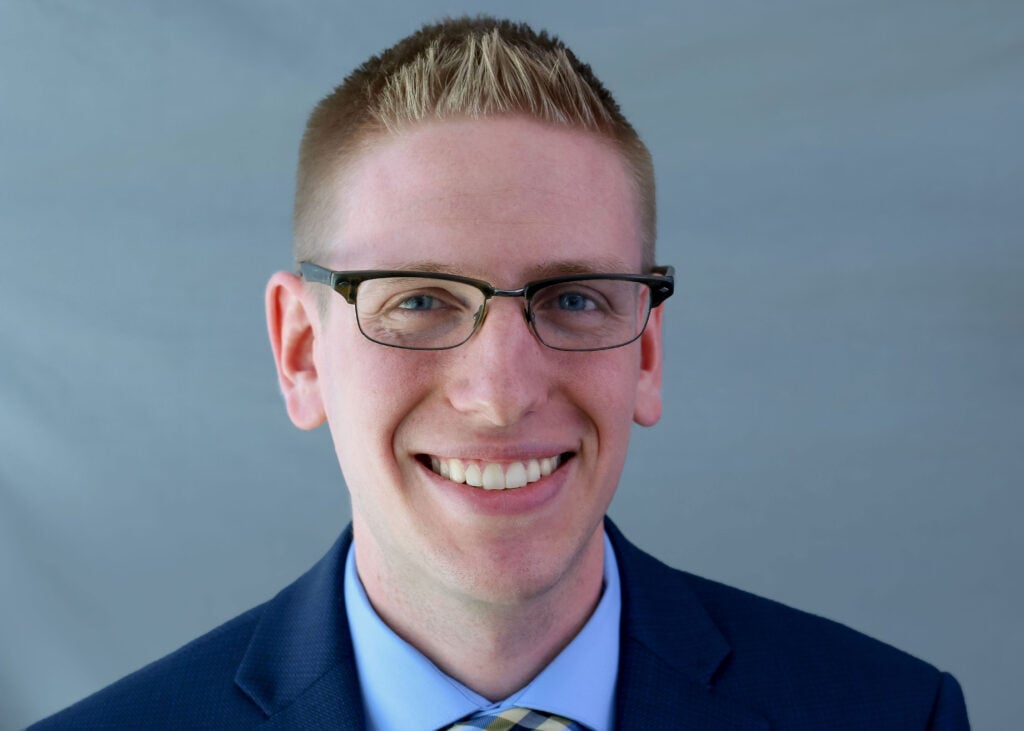
The annual meeting of the Endocrine Society, known as ENDO, remains the premier global gathering for professionals dedicated to the study of hormones and clinical endocrine practice. In June 2026, Chicago served as the backdrop for this high-stakes exchange of medical knowledge, where the Rising Star Power Talks once again emerged as a highlight of the conference program. This specific session, designed to spotlight the contributions of early-career investigators and trainees, underscores a shifting landscape in medical research: the need for rapid, high-impact communication of complex scientific data. Among the fifteen selected participants, Dillon Boulton, PhD, a postdoctoral fellow at the University of Colorado Anschutz Medical Campus, secured the top honor in the Translational Science category for his pioneering work on estrogen receptor-positive (ER+) breast cancer and the modulating effects of androgen receptors on the immune system.
The Evolution of Scientific Communication: The Blitz Format
The Rising Star Power Talks, formerly known as the "Knockout Rounds," represent a departure from the traditional hour-long academic lecture. The format is intentionally rigorous and fast-paced, reflecting the modern necessity for scientists to distill years of laboratory work into a concise narrative. Each participant is allotted exactly three minutes to present their findings, supported by a single, auto-advancing slide. This "blitz" style is followed by a two-minute window for questions from a panel of judges and a live audience.
Hosted by the Endocrine Society’s Trainee and Career Development Committee (TCDCC), the event aims to bridge the gap between rigorous academic inquiry and professional visibility. According to TCDCC co-chair Nichole Ehrhardt, MD, the co-medical director of the Seattle Clinical Research Center, the platform is essential for the next generation of researchers. Ehrhardt noted that for early investigators, the primary challenge is often not just the quality of the science, but the ability to build a community and establish collaborations that can sustain a long-term research career. By placing these scientists in the spotlight, ENDO 2026 provided a venue where visibility directly translates into professional opportunity.

Strategic Partnerships: A New Era of Judging
A notable shift in the 2026 proceedings was the composition of the judging panel. Traditionally dominated by academic stalwarts, this year’s panel featured a deliberate inclusion of experts from the private pharmaceutical and biotechnology sectors. Representatives from industry leaders such as Abbvie, Argenx, and Crinetics were invited to evaluate the presentations.
Christine Krieger, PhD, a science program manager at the National Institutes of Diabetes and Digestive and Kidney Diseases (NIDDK) and TCDCC co-chair, explained that the inclusion of industry partners was a strategic move to provide competitors with a "fresh perspective." This integration reflects a broader trend in the life sciences where the path from "bench to bedside" increasingly requires early and frequent collaboration between academic labs and commercial developers. For the participants, presenting in front of industry judges offered a unique chance to demonstrate the commercial and clinical viability of their research.
Translational Science Breakthrough: Addressing Resistance in ER+ Breast Cancer
The work of Dillon Boulton, PhD, stood out for its direct implications for one of the most prevalent forms of cancer. Estrogen receptor-positive (ER+) breast cancer accounts for approximately 80% of all breast cancer diagnoses. While current endocrine therapies—such as Tamoxifen, Fulvestrant, and various aromatase inhibitors—are effective for many, a significant subset of patients remains at risk. Statistics indicate that roughly 20% of patients with ER+ breast cancer will experience a relapse within ten years of their initial diagnosis, often presenting with metastatic disease that is currently considered incurable.
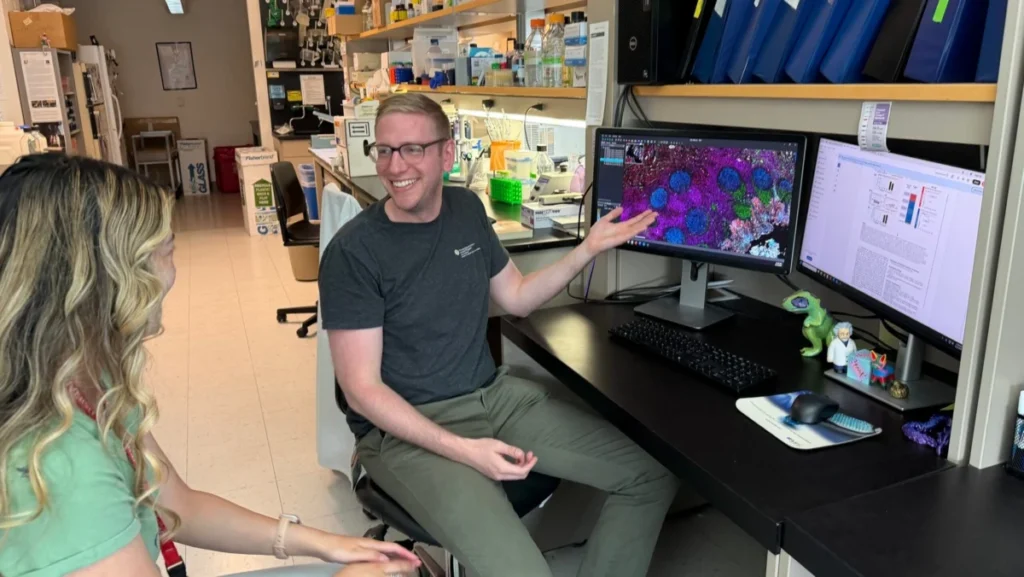
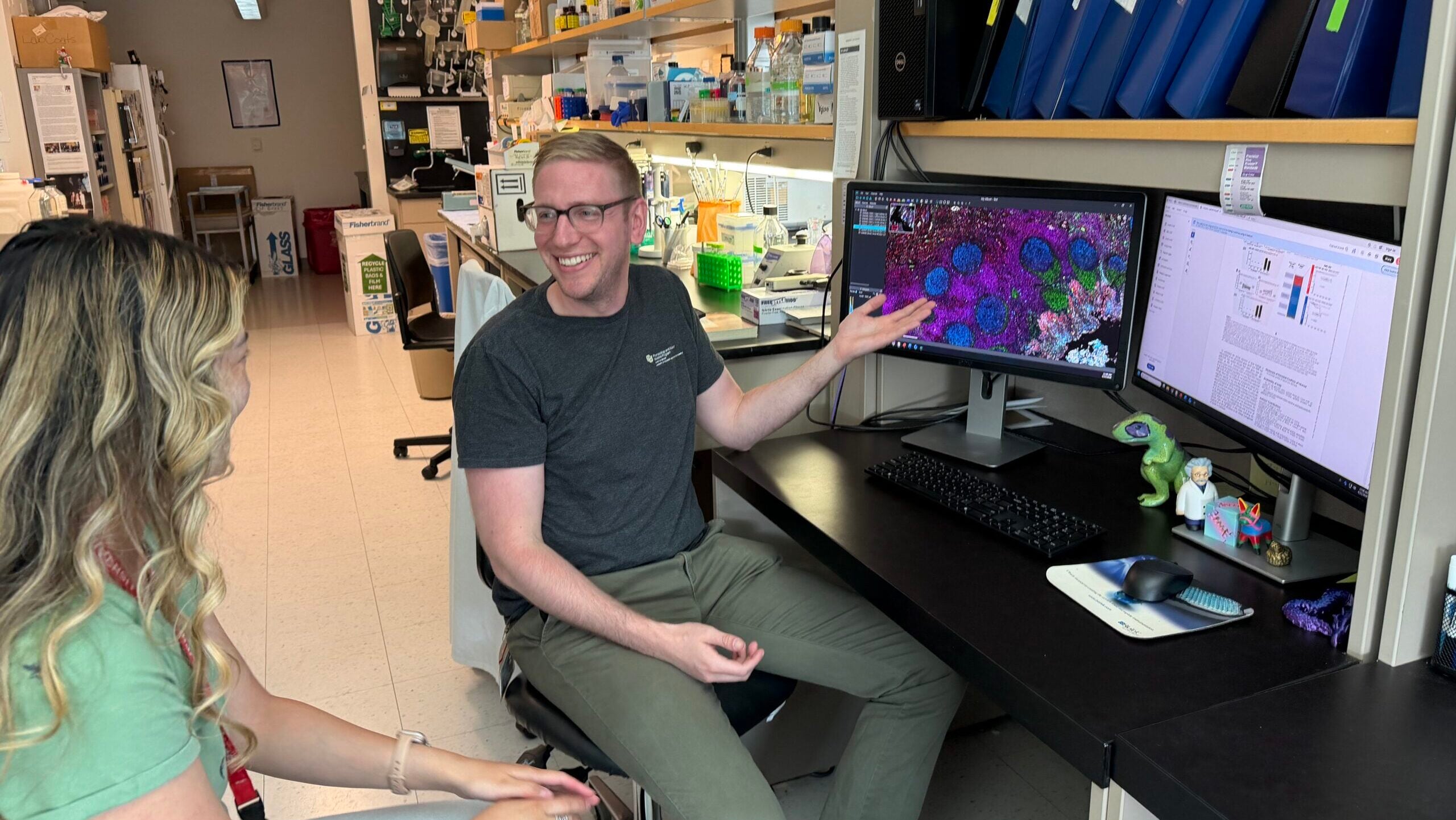
Boulton’s research, conducted within the Department of Pathology at the University of Colorado, focuses on the "Tumor Immune Microenvironment" (TIME). The central problem he addresses is that ER+ breast cancer has historically been unresponsive to existing immunotherapies, which have otherwise revolutionized the treatment of other cancers like melanoma or lung cancer.
Utilizing matched patient samples from a Phase II clinical trial, Boulton investigated how androgens and androgen receptors (AR) influence the immune system’s ability to fight tumors. His findings suggest that androgens can drive the TIME into an anti-inflammatory, pro-tumor state, effectively shielding the cancer from the patient’s immune system. By antagonizing the androgen receptor, Boulton demonstrated a "reinvigoration" of the immune environment. This process involves a decrease in inhibitory immune cells and an increase in tertiary lymphoid structures—organized clusters of immune cells that are often associated with better patient outcomes and improved responses to therapy.
The 2026 Awardees: A Diverse Field of Excellence
While Boulton claimed the Translational Science title, the Rising Star Power Talks celebrated excellence across the spectrum of endocrine research. The winners of the 2026 session included:
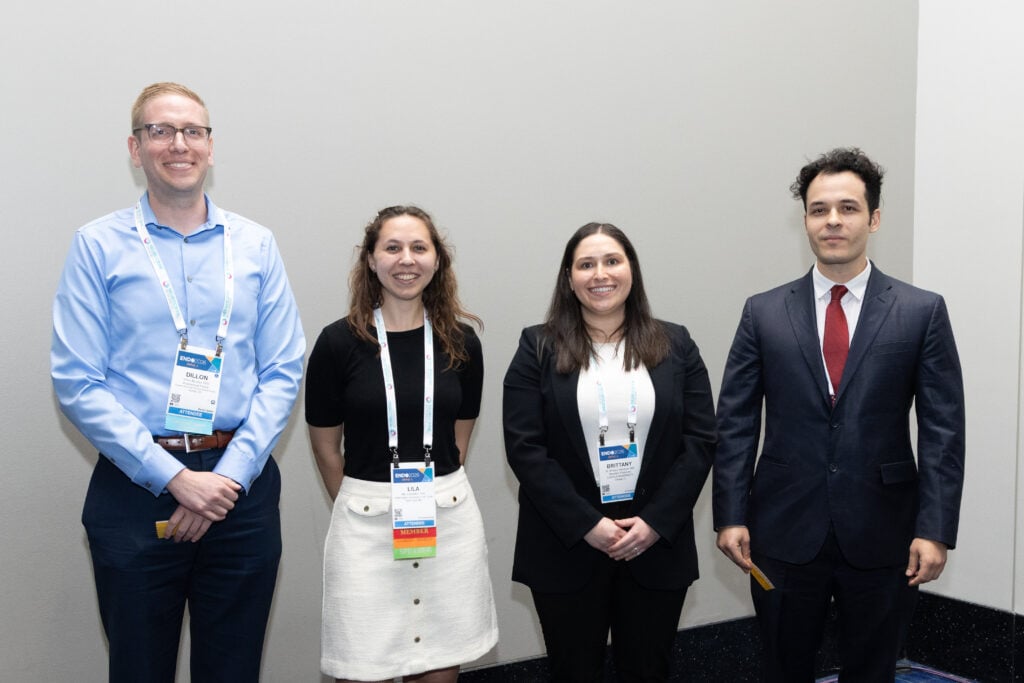
- Basic Science: Lila Dabill, a PhD student at Washington University in St. Louis, whose work delved into the fundamental biological mechanisms of endocrine function.
- Clinical Science: Brittany Weisbrot, an internal medicine resident at Loyola University Medical Center, who focused on the direct application of endocrine research in a hospital setting.
- Audience’s Choice: Konstantinos Stefanakis, MD, a cardiology and postdoctoral research fellow at Harvard Medical School’s Beth Israel Medical Center, who was recognized for his ability to engage the broader community of peers and mentors.
The diversity of these winners—ranging from PhD candidates to medical residents—highlights the Endocrine Society’s commitment to supporting the entire pipeline of medical professionals. The event showcased how different disciplines, from cardiology to pathology, intersect within the field of endocrinology.
Chronology of the Event and Future Implications
The path to the 2026 Rising Star Power Talks began months prior with a competitive abstract submission process. Hundreds of early-career members submitted their research for consideration, with the TCDCC selecting only the top fifteen to present in Chicago. For Boulton, the journey involved transitioning from his previous work on mitochondrial signaling in prostate cancer to his current focus on breast cancer pathology in the lab of Dr. Jennifer Richer.
The implications of Boulton’s research extend beyond the laboratory. By identifying the androgen receptor as a key player in immune suppression within breast tumors, his work opens the door for new combination therapies. Future clinical trials may explore the use of AR antagonists alongside traditional immunotherapies to see if the "cold" immune environment of ER+ breast cancer can be made "hot," or more receptive to treatment.
Boulton emphasized that the goal is to understand whether the response is a direct result of hormone receptors within immune cells or an indirect effect caused by factors derived from the tumor itself. Solving this puzzle is the next logical step in his research trajectory, which he plans to pursue at the University of Colorado.
Broader Impact on the Endocrine Community
The success of the Rising Star Power Talks at ENDO 2026 reflects the vital role of professional societies in fostering scientific advancement. For researchers like Boulton, the Endocrine Society provides more than just a stage; it provides a platform for publication and peer review. Boulton’s earlier contributions to the field were published in the journal Endocrinology, specifically regarding how androgen receptors promote resistance to certain types of cell death in breast cancer.
Furthermore, the Chicago meeting served as a catalyst for international collaboration. By engaging with experts from around the world, early-career scientists are able to refine their hypotheses and identify gaps in their research that might not be apparent in the isolation of their home institutions.
As the medical community continues to grapple with the complexities of metastatic cancer and hormone-driven diseases, events like the Rising Star Power Talks ensure that fresh ideas are given the attention they deserve. The 2026 session proved that even in just three minutes, a dedicated researcher can present a vision for the future of medicine that is both scientifically sound and profoundly hopeful for patients worldwide. The integration of industry perspectives, the focus on translational outcomes, and the rigorous standard of communication set in Chicago will likely serve as a model for future scientific congresses across all medical disciplines.