








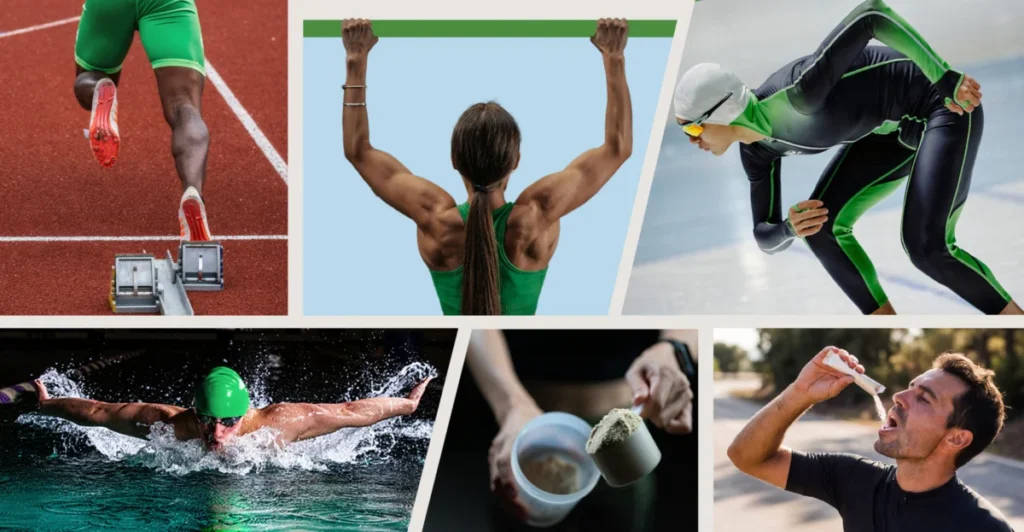
The landscape of athletic performance enhancement is undergoing a profound transformation, with the lines between elite sports nutrition and everyday wellness increasingly blurred. In 2025, the sports nutrition category experienced a remarkable 23% growth, significantly outpacing the overall supplement market’s 12% expansion. This surge is not attributable to a sudden influx of new athletes but rather to the widespread adoption and "democratization" of performance nutrition. Ingredients like protein, once exclusive to professional athletes, are now commonplace in the dietary regimens of individuals from all walks of life, seeking to optimize their physical and cognitive capabilities.
The current wave of innovation within the sports nutrition sector is largely focused on providing the cognitive advantages and heightened mental focus that elite athletes have long sought. This pursuit of enhanced mental acuity is now complemented by groundbreaking advancements in delivery formats and ingredient technology, propelling the category to unprecedented heights. The traditional image of athletes chugging chalky powders or swallowing handfuls of pills is rapidly becoming antiquated, as a new generation of convenient and effective supplementation solutions emerges.
On the forefront of this format revolution are waterless direct-to-mouth (DTM) supplements, oral strips, and innovative drink strips. These novel delivery systems are spearheading a significant departure from conventional pills and powders, offering consumers greater convenience, improved bioavailability, and more precise dosing. This shift reflects a growing demand for supplements that seamlessly integrate into busy lifestyles without compromising efficacy.

The ingredient science behind sports nutrition is also advancing at an accelerated pace. Key compounds are gaining prominence for their scientifically validated benefits. Creatine and L-citrulline are leading the charge for enhancing strength and power output, crucial for athletes across a multitude of disciplines. Simultaneously, beta-alanine and ashwagandha are demonstrating significant potential in accelerating recovery and promoting tissue repair, vital for mitigating the rigors of intense training. Beyond physical performance, L-theanine and lion’s mane mushroom are making substantial contributions to cognitive function and mental performance, addressing the increasing recognition of the mind-body connection in overall athletic success.
The recent International Society of Sports Nutrition (ISSN) conference, held in Fort Lauderdale, served as a critical nexus for unveiling these emerging trends. Senior Editorial Content Director Cassie Smith, a keen observer of the conference’s proceedings, noted that "the future of athletic performance revealed itself at this year’s ISSN conference in Fort Lauderdale, and it’s all in your head, from memory-boosting compounds to mental acuity research redefining what it means to be ‘fit.’" This sentiment underscores a paradigm shift towards a more holistic understanding of performance, where mental fortitude is recognized as an equally critical component as physical prowess.
The Clinical Case for Top-Selling Sports Nutrition Ingredients
The proliferation of scientifically backed ingredients in the sports nutrition market is a testament to the category’s maturation. Top-selling sports nutrition ingredients today are increasingly anchored by robust clinical research, validating their efficacy. Sara Lovelady, a prominent voice in the field, has detailed how the category’s growth is intrinsically linked to the scientific community’s ability to keep pace with market demands. Lovelady’s analysis highlights the journey of ingredients from niche athletic aids to mainstream wellness staples, emphasizing the rigorous scientific validation that underpins their widespread acceptance.
For instance, creatine, a well-established ergogenic aid, continues to be a cornerstone of muscle-building and strength enhancement. Decades of research have solidified its role in increasing phosphocreatine stores within muscles, leading to improved performance in high-intensity, short-duration activities. Its widespread availability and affordability have made it accessible to amateur athletes and fitness enthusiasts worldwide.
Similarly, L-citrulline has emerged as a significant player, primarily recognized for its role in the urea cycle and its ability to enhance nitric oxide production. This increased nitric oxide bioavailability can lead to improved blood flow, reduced muscle fatigue, and enhanced endurance. Studies have shown its efficacy in improving exercise performance and reducing post-exercise muscle soreness.
On the recovery front, beta-alanine has garnered considerable attention for its ability to increase muscle carnosine levels. Carnosine acts as an intracellular buffer, helping to mitigate the buildup of hydrogen ions during high-intensity exercise, thereby delaying the onset of fatigue. This makes beta-alanine particularly beneficial for athletes engaged in activities lasting between one and four minutes.
Ashwagandha, an adaptogenic herb with a long history in Ayurvedic medicine, is gaining traction for its potential to reduce stress and improve recovery. Research suggests that ashwagandha can lower cortisol levels, a primary stress hormone, and may also contribute to improved muscle strength and reduced exercise-induced muscle damage. Its dual action on stress reduction and physical recovery makes it an attractive option for individuals managing demanding training schedules.
The cognitive dimension of sports nutrition is being significantly shaped by L-theanine and lion’s mane. L-theanine, an amino acid found predominantly in tea leaves, is known for its ability to promote relaxation without causing drowsiness. It can improve focus, attention, and cognitive performance, often synergizing with caffeine to create a state of calm alertness. Lion’s mane mushroom, on the other hand, is being investigated for its potential to stimulate nerve growth factor (NGF) and brain-derived neurotrophic factor (BDNF), compounds that play crucial roles in learning, memory, and overall brain health.
What Athletes Actually Want from Supplement Format Innovation
The evolution of supplement delivery formats is not merely driven by novelty but by a genuine demand for enhanced functionality and convenience among athletes. Nick Collias, a seasoned commentator on sports nutrition trends, asserts that the new formats "aren’t just trendy, they’re functional." This sentiment highlights a critical shift in consumer expectations, moving beyond mere efficacy to encompass the user experience.
Waterless electrolyte sachets, for instance, offer a portable and precise way to rehydrate and replenish essential minerals lost during exercise. Unlike traditional electrolyte powders that require careful mixing with water, these sachets dissolve rapidly, providing immediate relief and convenience, especially during prolonged or intense physical activity.
Microencapsulated oral strips represent another significant leap forward. This technology allows for the precise delivery of active ingredients in a rapidly dissolving strip that can be placed on the tongue. Microencapsulation protects sensitive ingredients from degradation and can improve their absorption, offering a more efficient and targeted delivery mechanism. This is particularly beneficial for compounds that may be unstable in traditional formulations or require specific absorption pathways.
Drink strips, which incorporate functional ingredients directly into a thin, dissolvable strip, are also gaining traction. These can be added to water bottles, allowing for the convenient ingestion of significant amounts of nutrients, such as grams of creatine, without the bulk or texture associated with powders. This innovation addresses a key barrier for some consumers: the palatability and ease of consumption of traditional supplement forms.
Beyond Baking Soda: Is Bicarb Ready for the Masses?
A compelling example of an ingredient transitioning from elite circles to mainstream appeal is sodium bicarbonate, commonly known as baking soda. For decades, Olympic sprinters and professional cyclists have quietly relied on its buffering capacity to combat lactic acid buildup and achieve marginal performance gains. Nick Collias reports on the resurgence of baking soda, noting its increasing marketing towards everyday athletes who are striving to reach their personal records.
The science behind sodium bicarbonate’s efficacy is well-established. It acts as an extracellular buffer, helping to neutralize the excess hydrogen ions that accumulate in the bloodstream during high-intensity exercise. This buffering action can delay the onset of muscle fatigue and improve performance in anaerobic activities. However, its use is not without challenges, as it can cause gastrointestinal distress in some individuals.
Historically, the precise dosing and timing required for optimal results, coupled with the potential for side effects, limited its widespread adoption. However, advancements in formulation and education are making it more accessible. Companies are exploring new delivery methods, such as buffered forms or carefully controlled dosages, to mitigate the risk of discomfort. Furthermore, as the understanding of exercise physiology becomes more widespread, everyday athletes are increasingly seeking out scientifically validated methods to enhance their performance, making ingredients like sodium bicarbonate more appealing.
The Mind-Muscle Connection: Sports Nutrition is Getting Smarter
The integration of cognitive enhancement into sports nutrition signals a sophisticated evolution of the field. The ISSN conference highlighted a growing body of research focusing on the intricate relationship between mental state and physical performance. This includes not only memory-boosting compounds but also a deeper exploration of how mental acuity influences an athlete’s ability to train, compete, and recover.
This shift acknowledges that being "fit" encompasses more than just physical conditioning. It involves the capacity for sustained focus, effective decision-making under pressure, and the mental resilience to overcome challenges. Ingredients like L-theanine and lion’s mane are at the forefront of this movement, offering tangible benefits for cognitive function that can translate directly into improved athletic outcomes.
The implications of this trend are far-reaching. For athletes, it means a more comprehensive approach to performance optimization, addressing both the physical and mental aspects of their training. For the sports nutrition industry, it represents a significant opportunity for innovation and product development, catering to a growing demand for holistic performance solutions.
Broader Impact and Implications
The democratization of performance nutrition has several significant implications for both individuals and the broader health and wellness industry. Firstly, it empowers a wider population to take proactive steps towards improving their physical and mental well-being. As once-exclusive ingredients and formulations become more accessible, individuals can leverage these advancements to achieve their personal fitness goals, whether that be running a marathon, recovering from an injury, or simply maintaining an active lifestyle.
Secondly, this trend fuels further innovation and competition within the supplement market. As demand grows, companies are incentivized to invest more in research and development, leading to the discovery of new ingredients, more effective delivery systems, and personalized nutrition solutions. This competitive landscape ultimately benefits consumers through a wider array of high-quality, science-backed products.
However, this expansion also necessitates a greater emphasis on consumer education and responsible marketing. With the proliferation of new products and claims, it is crucial for consumers to be able to discern between scientifically validated supplements and those that lack evidence. Regulatory bodies and industry organizations play a vital role in ensuring product safety, accurate labeling, and ethical marketing practices.
The continued blurring of lines between elite athletic performance and everyday wellness suggests that the future of nutrition lies in a holistic approach. As our understanding of the body and mind deepens, sports nutrition will continue to evolve, offering increasingly sophisticated and accessible solutions for individuals seeking to optimize their health and performance across all aspects of life. The journey from the athlete’s training ground to the everyday consumer’s pantry is well underway, promising a future where enhanced performance and well-being are within reach for everyone.