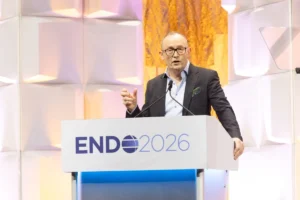









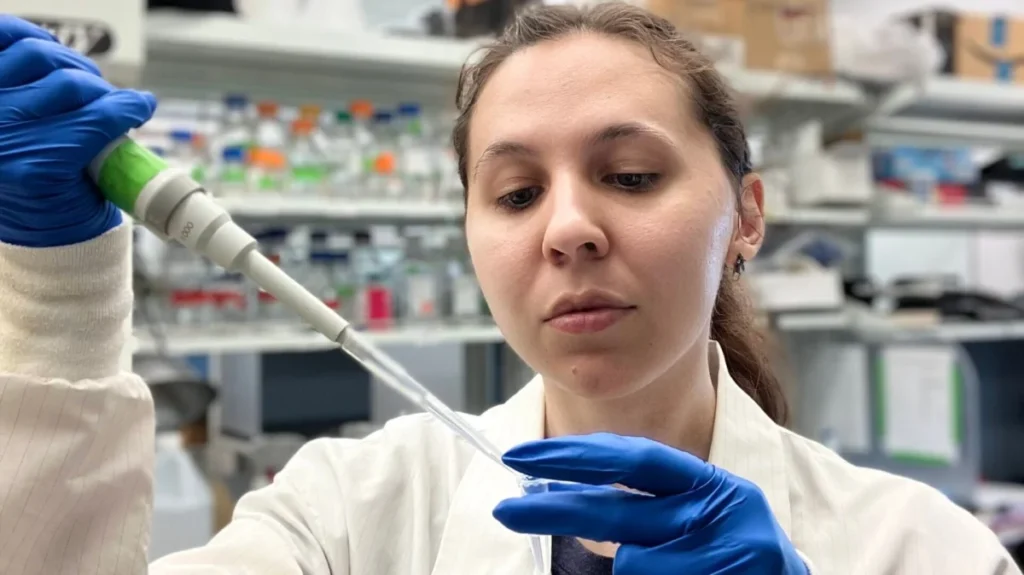
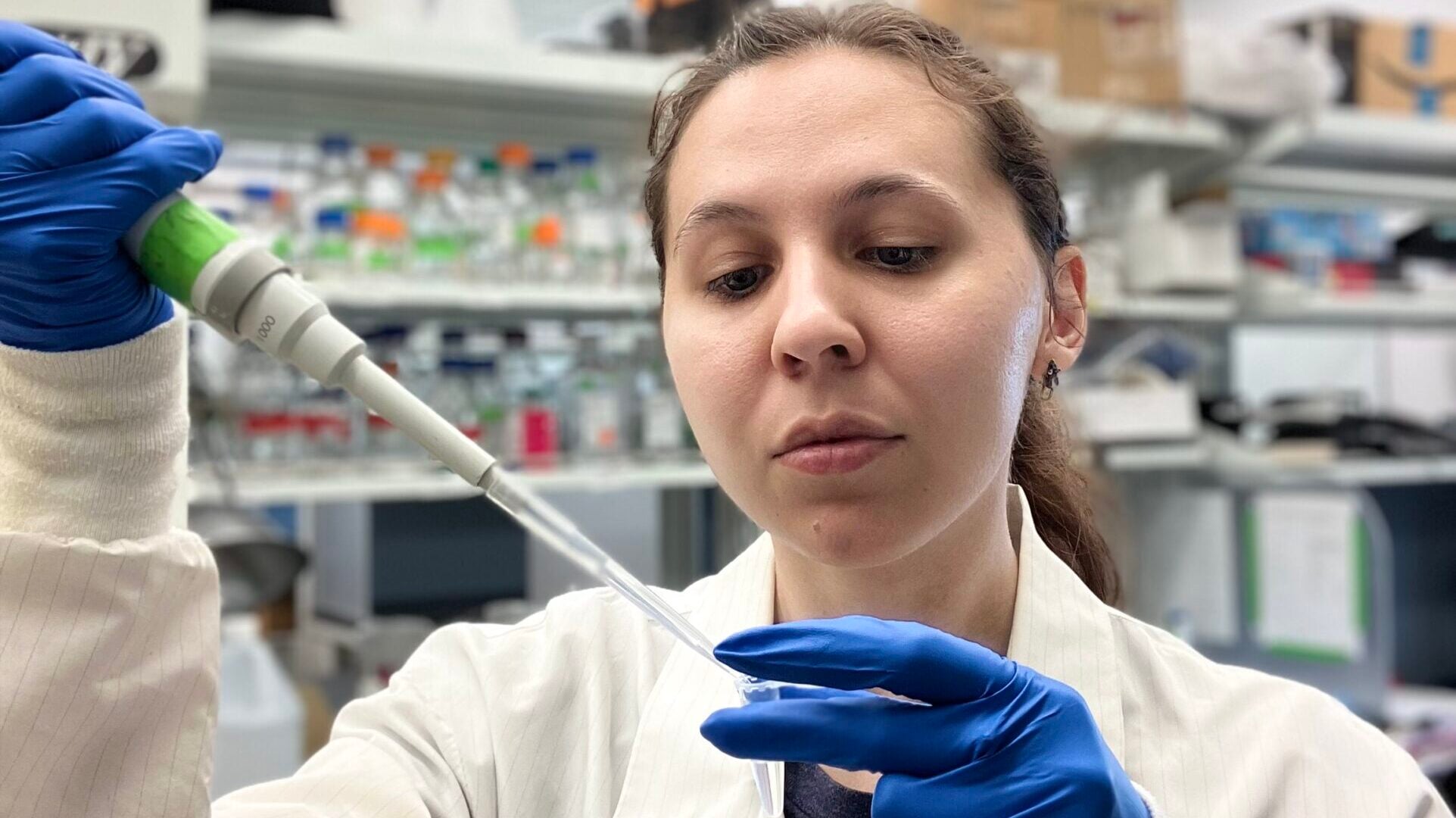
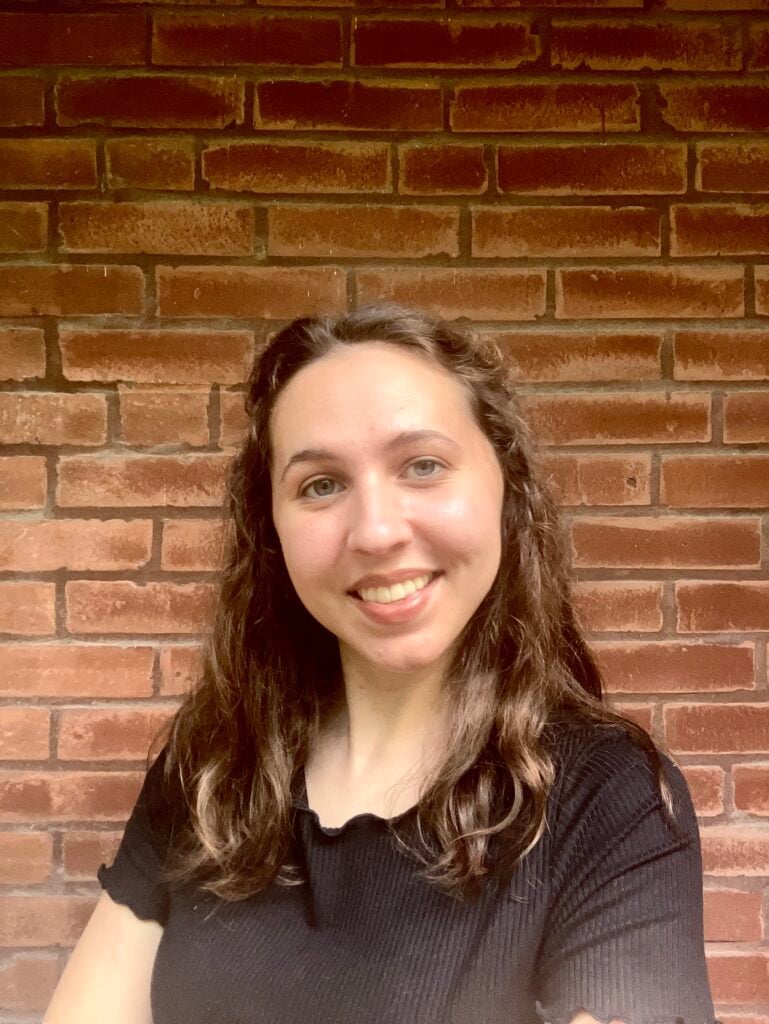
Lila Dabill, a doctoral candidate at Washington University in St. Louis, has been named the Basic Science winner of the 2026 Rising Star Power Talks, a premier research communication competition held during the Endocrine Society’s annual ENDO conference. Dabill’s research, conducted within the laboratory of Dr. Erica Scheller, investigates the pivotal role of the NADase enzyme Sarm1 in the nervous system and its unexpected influence on metabolic health, including obesity and insulin resistance. The award highlights a growing intersection between neurobiology and endocrinology, suggesting that targeting neural pathways may provide a novel therapeutic avenue for treating the global obesity epidemic.
The Rising Star Power Talks have become a cornerstone of the ENDO conference, designed to provide early-career scientists and in-training members with a high-visibility platform to present groundbreaking data. The 2026 iteration of the event, held in Chicago, Illinois, featured 15 selected scholars who participated in a "blitz-style" presentation format. This format requires researchers to distill complex longitudinal studies into concise, impactful "elevator pitches," challenging them to communicate the clinical and social relevance of their work to a diverse audience of peers, mentors, and industry experts.
A New Frontier in Metabolic Research: The Role of Sarm1
Dabill’s award-winning presentation focused on Sarm1 (Sterile Alpha and Toll/Interleukin-1 Receptor Motif-containing 1), an enzyme primarily recognized in the field of neuroscience as the "central executioner" of Wallerian axon degeneration. In the event of a nerve injury, Sarm1 triggers a rapid depletion of nicotinamide adenine dinucleotide (NAD+), leading to the breakdown of axons. While pharmaceutical companies have already begun developing Sarm1 inhibitors to treat peripheral neuropathy and neurodegenerative diseases like Amyotrophic Lateral Sclerosis (ALS), Dabill’s research uncovers a significant metabolic dimension to this pathway.

The study utilized murine models to examine the effects of a high-fat diet (HFD) on systemic health. Dabill and her team discovered that by "knocking out" Sarm1 specifically within the nervous system, the mice were effectively shielded from the traditional consequences of a high-fat diet. These protected mice did not develop obesity, insulin resistance, or liver steatosis (fatty liver disease), despite being fed the same calorie-dense diet as the control group.
To ensure the validity of these findings, the research team employed rigorous metabolic caging assessments and thermogenic testing. These assessments were crucial in determining whether the prevention of weight gain was simply the result of increased physical activity or higher energy expenditure. The data revealed that the resistance to weight gain was independent of activity levels, thermogenesis, or basal metabolic rates, leading the researchers to look toward the gastrointestinal tract and the gut-brain axis as the likely drivers of this metabolic protection.
Contextualizing the Obesity Crisis and Therapeutic Gaps
The significance of Dabill’s research is underscored by the current state of public health in the United States and globally. According to the Centers for Disease Control and Prevention (CDC), the prevalence of obesity in the U.S. reached approximately 42% between 2017 and 2020. This rise is inextricably linked to an increase in type 2 diabetes and non-alcoholic fatty liver disease (NAFLD), creating a massive economic and clinical burden on the healthcare system.
While the recent emergence of GLP-1 receptor agonists has revolutionized obesity treatment, these medications are not without limitations. Many patients experience gastrointestinal side effects, and long-term adherence can be challenging due to cost or the necessity of injections. Furthermore, these drugs primarily target appetite regulation and insulin secretion. Dabill’s work suggests that by inhibiting Sarm1, clinicians might eventually be able to treat the neural degeneration associated with diabetes (neuropathy) while simultaneously preventing the metabolic dysfunction that causes the disease to progress.
"Obesity and type 2 diabetes are a rising issue within the U.S., and there aren’t enough treatment methods available for these patients," Dabill noted during her presentation. She emphasized that exploring these issues from a neural angle offers a fresh perspective on how the body manages energy balance and organ health under metabolic stress.
Chronology of the 2026 Rising Star Power Talks
The selection process for the Rising Star Power Talks begins months before the ENDO conference, with a competitive abstract submission phase. From hundreds of applicants, the Endocrine Society selects 15 finalists based on the scientific merit, originality, and potential impact of their research.
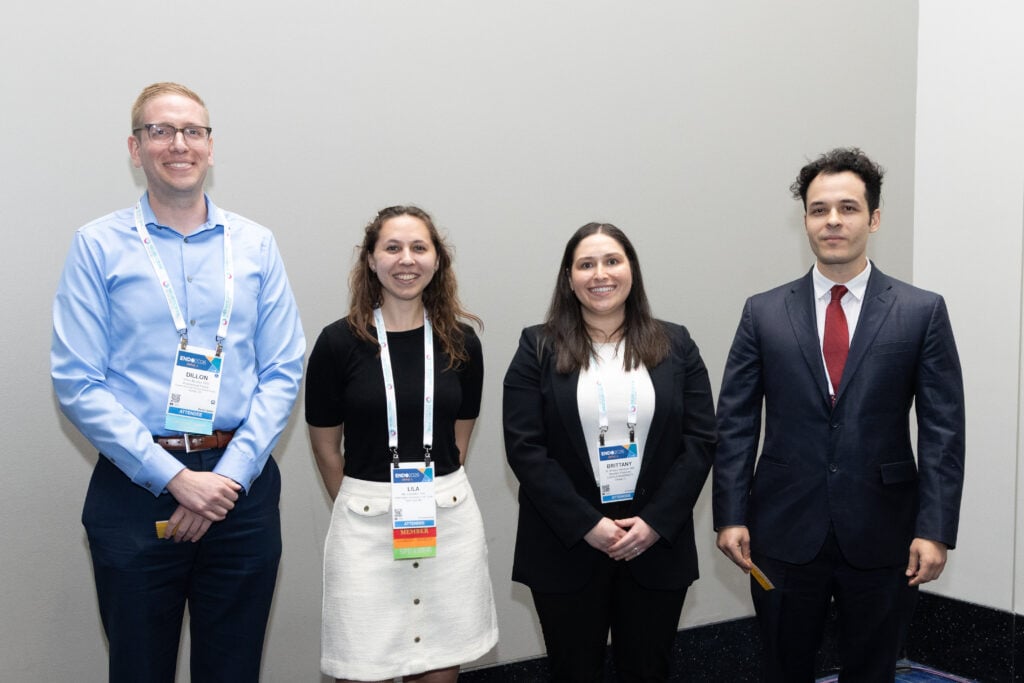
At the June event in Chicago, the competition was divided into three primary categories: Basic Science, Clinical Science, and Translational Science, alongside an Audience’s Choice award. The 2026 winners represented a broad spectrum of prestigious institutions:
- Basic Science: Lila Dabill, Washington University, St. Louis.
- Clinical Science: Brittany Weisbrot, internal medicine resident at Loyola University Medical Center.
- Translational Science: Dillon Boulton, PhD, a postdoctoral fellow at the University of Colorado Anschutz Medical Campus.
- Audience’s Choice: Konstantinos Stefanakis, MD, PhD (candidate), a cardiology and postdoctoral research fellow at Harvard Medical School’s Beth Israel Medical Center.
The atmosphere of the session was described by attendees as high-energy and intellectually rigorous. For early-career researchers like Dabill, the event serves as both a competition and a professional development milestone, forcing a level of clarity in communication that is often lost in traditional 45-minute seminars.
Future Directions: The Gut-Brain Axis and Enteric Neuropathy
With the Basic Science win secured, Dabill’s research is moving into its next critical phase. The Scheller Lab is now focusing on the "gut phenotype" of the Sarm1 neural knockout mice. The working hypothesis is that Sarm1 may play a role in high-fat diet-induced gut dysfunction and enteric neuropathy—the degradation of the nerves governing the digestive system.
Using wholemount imaging techniques and functional assays, Dabill aims to determine if protecting these enteric nerves prevents the dysregulated signaling that typically leads to weight gain and insulin resistance. If the gut-brain axis remains healthy due to Sarm1 inhibition, it could fundamentally change how the body processes nutrients and signals satiety or storage.
The potential for "multi-facet" treatment is the ultimate goal of this line of inquiry. A single pharmacological intervention—a Sarm1 inhibitor—could theoretically protect a patient’s vision and limb sensation (by preventing neuropathy) while also stabilizing their blood sugar and reducing liver fat. This holistic approach to metabolic syndrome represents a shift away from treating symptoms in isolation toward addressing a common underlying pathway of cellular and neural stress.
Professional Impact and the Role of the Endocrine Society
For Dabill, the Endocrine Society has functioned as a "home-base" for professional growth. The society’s emphasis on mentorship and collaborative research has provided her with the resources to pursue high-risk, high-reward questions in metabolism. The Rising Star Power Talks, in particular, offered a venue to practice the "elevator pitch" style of communication, which is increasingly vital for securing grants and engaging with the public.
"As scientists, it’s crucial that we practice the ability to pitch our work to a wide audience and convince them that our work is important for the benefit of the general public," Dabill said. This sentiment reflects a broader trend in the scientific community toward transparency and public engagement, ensuring that lab-bench discoveries are translated into understandable health solutions.
Dabill is currently on track to defend her PhD thesis in the spring of 2027. Following her graduation, she intends to pursue a postdoctoral fellowship with the long-term objective of establishing her own laboratory as a Principal Investigator (PI). Her career trajectory mirrors the goals of the Endocrine Society’s early-career programs: to cultivate the next generation of leaders who will tackle the most pressing hormonal and metabolic challenges of the 21st century.
Analysis of Implications for the Scientific Community
The recognition of Dabill’s work signals a pivot in how the scientific community views the nervous system’s role in obesity. Traditionally, obesity research focused heavily on adipose tissue (fat) and the endocrine functions of the pancreas. However, the success of neural-focused research suggests that the "software" of the body—the nervous system—may be just as important as the "hardware" of metabolic organs.
The involvement of the private sector in Sarm1 research further accelerates the timeline for potential human applications. Because Sarm1 inhibitors are already in the pipeline for other conditions, the safety profiles and delivery mechanisms are already being established. If Dabill’s findings in mice can be replicated in human clinical trials, the repositioning of these drugs for metabolic health could occur much faster than the development of a entirely new class of pharmaceuticals.
As ENDO 2026 concluded, the consensus among experts was that the Rising Star Power Talks continue to serve as a vital barometer for the future of the field. By elevating researchers like Lila Dabill, the Endocrine Society ensures that innovative, cross-disciplinary approaches to health remain at the forefront of medical science. The next chapter of this research will likely be a highlight of ENDO 2027, as the global endocrine community continues to monitor the progress of the Sarm1 pathway and its potential to reshape the treatment of metabolic disease.