









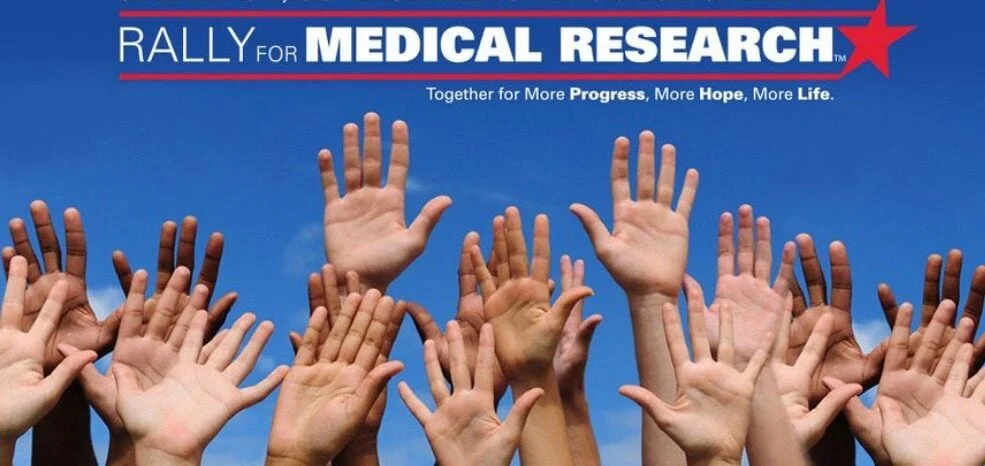
The Endocrine Society is intensifying its long-standing advocacy efforts by joining a broad coalition of the scientific community to call for a significant increase in federal investment for the National Institutes of Health (NIH). On September 17, a delegation of specialized researchers and physician-scientists from the Society will arrive in Washington, D.C., to participate in the 14th annual Rally for Medical Research Hill Day. This massive mobilization effort brings together hundreds of research organizations, professional societies, and patient advocacy groups to engage directly with lawmakers. The unified objective is to secure $51.3 billion in funding for the NIH in the final appropriations legislation for the upcoming fiscal year, a move seen as vital to maintaining the momentum of American biomedical innovation and addressing the growing burden of chronic endocrine disorders.
The Strategic Importance of the Rally for Medical Research
The Rally for Medical Research Hill Day has evolved into one of the most influential advocacy events in the scientific calendar. Since its inception more than a decade ago, the rally has played a pivotal role in shifting the narrative around federal science funding from a discretionary expense to a necessary investment in national health and economic stability. By presenting a single, unified request to Congress, the research community avoids the pitfalls of internal competition, instead demonstrating a collective front that emphasizes the interconnectedness of various medical disciplines.
This year’s request for $51.3 billion represents a calculated assessment of the resources required to keep pace with the rising costs of laboratory technology, the recruitment of early-career scientists, and the inflationary pressures impacting biomedical research. For the Endocrine Society, this funding is not merely a budgetary figure; it is the lifeblood of research into some of the most prevalent and costly health conditions facing the global population, including diabetes, obesity, thyroid diseases, osteoporosis, and hormone-related cancers.

Navigating the Legislative Calendar and the Continuing Resolution
The timing of the Hill Day is strategically aligned with the conclusion of the federal fiscal year on September 30. Under the United States Constitution and the Congressional Budget Act, Congress is required to pass 12 separate appropriations bills to fund the government. If these bills are not signed into law by October 1, the government faces a partial or total shutdown, which would immediately halt non-essential research activities and disrupt the administration of federal grants.
Currently, the legislative path is complicated by the political realities of an election year. Recognizing that a full consensus on all 12 appropriations bills is unlikely before the September 30 deadline, both the House of Representatives and the Senate have moved toward passing a Continuing Resolution (CR). A CR is a temporary measure that maintains government funding at current levels for a specified period—in this case, through December.
While a CR prevents a government shutdown, it presents its own set of challenges for the scientific community. Funding freezes at previous-year levels can delay the launch of new initiatives and prevent the NIH from adjusting grant amounts to meet current needs. The Endocrine Society and its partners are utilizing the Rally for Medical Research to urge Congress to use the upcoming "lame duck" session—the period in November and December following the midterm elections—to finalize a full-year appropriations bill that includes the requested increase, rather than relying on further short-term patches.
The Economic and Scientific Impact of NIH Funding
To understand the urgency behind the Endocrine Society’s advocacy, one must look at the historical data regarding the economic and scientific returns on NIH investment. The NIH is the largest public funder of biomedical research in the world. According to data from United for Medical Research (UMR), every $1 of NIH funding generates approximately $2.46 in local economic activity. In a single recent fiscal year, NIH-funded research supported more than 550,000 jobs across the United States and contributed over $95 billion to the national economic output.
Beyond the economic metrics, the scientific stakes are unprecedented. Endocrine-related research is currently at a threshold of major breakthroughs. For example, NIH-funded studies have been instrumental in the development of continuous glucose monitors (CGMs) and automated insulin delivery systems, which have revolutionized the management of Type 1 diabetes. In the realm of oncology, endocrine research has led to targeted hormone therapies that have significantly improved survival rates for breast and prostate cancer patients.
A funding level of $51.3 billion would allow the NIH to:
- Increase the number of R01 grants, which are the "gold standard" for independent research projects.
- Expand support for the Next Generation Researchers Initiative to ensure that the brightest minds stay in the field.
- Enhance cross-institute collaborations through the NIH Common Fund, targeting complex diseases that span multiple biological systems.
- Accelerate the development of precision medicine, tailoring endocrine treatments to the genetic profiles of individual patients.
Perspectives from the Research Community
The Endocrine Society’s leadership emphasizes that the voice of the individual researcher is a powerful tool in the halls of Congress. When scientists share stories of their work—whether it is a breakthrough in understanding how endocrine-disrupting chemicals affect fetal development or a new clinical trial for a rare pituitary disorder—it humanizes the data and demonstrates the tangible benefits of federal spending.
"The Rally for Medical Research gives us a timely opportunity to remind Congress about the value of the NIH funding, the need to pass a CR by September 30, and the importance of providing an increase," a Society spokesperson noted. "It is about ensuring that the next generation of scientists has the resources they need to solve the health challenges that will define the next century."
Other organizations participating in the rally, such as the American Association for Cancer Research (AACR) and various patient advocacy groups, echo these sentiments. They point out that medical research is one of the few areas of federal policy that historically enjoys bipartisan support. However, in an era of intense fiscal scrutiny, that support must be actively cultivated and reinforced through direct engagement.
Analysis: The Risk of Stagnation
A brief analysis of the current funding trajectory suggests that without the $51.3 billion increase, the U.S. risks a period of scientific stagnation. While the NIH has seen steady increases over the last several years, these gains are often eroded by the Biomedical Research and Development Price Index (BRDPI), which measures the inflation of costs specifically associated with laboratory research. If funding levels only track with general inflation, or worse, remain flat under a long-term CR, the "purchasing power" of the NIH actually declines.
Furthermore, the global landscape of medical research is becoming increasingly competitive. Nations in Europe and Asia are aggressively increasing their public investment in biotechnology and life sciences. To maintain its status as the world leader in medical innovation, the United States must commit to a predictable and robust funding growth curve. The Endocrine Society argues that failing to do so will result in a "brain drain," where talented researchers move to the private sector or abroad, leaving critical public health questions unanswered.
A Call to Action for the Broader Scientific Community
Recognizing that not every researcher or advocate can travel to Washington, D.C., the Endocrine Society has launched a comprehensive online advocacy campaign. This digital platform allows members and the general public to contact their respective Senators and Representatives with just a few clicks. The campaign provides pre-drafted templates that explain the importance of the $51.3 billion request and the specific impact of endocrine research on public health.
The Society encourages all U.S.-based members to visit their advocacy portal and participate in the Rally for Medical Research Campaign. This grassroots pressure is designed to complement the in-person meetings taking place on Hill Day, creating a "surround sound" effect that ensures the message reaches every corner of the Capitol.
Conclusion and Future Outlook
As the September 17 Hill Day approaches, the Endocrine Society remains focused on the dual necessity of short-term stability and long-term growth. The immediate goal is the passage of a Continuing Resolution to avoid a government shutdown, but the ultimate prize is a final appropriations bill that reflects the true value of medical research.
The 14th annual Rally for Medical Research serves as a reminder that scientific progress is not inevitable; it is the result of deliberate policy choices and sustained financial commitment. By bringing together the collective expertise of the endocrine community and the broader research ecosystem, the Society aims to secure a future where medical breakthroughs are limited only by the boundaries of human imagination, not by the constraints of a federal budget. The outcome of these discussions in September and the subsequent "lame duck" session will likely determine the pace of medical discovery for years to come, making this year’s rally a critical juncture for the health of the nation.