









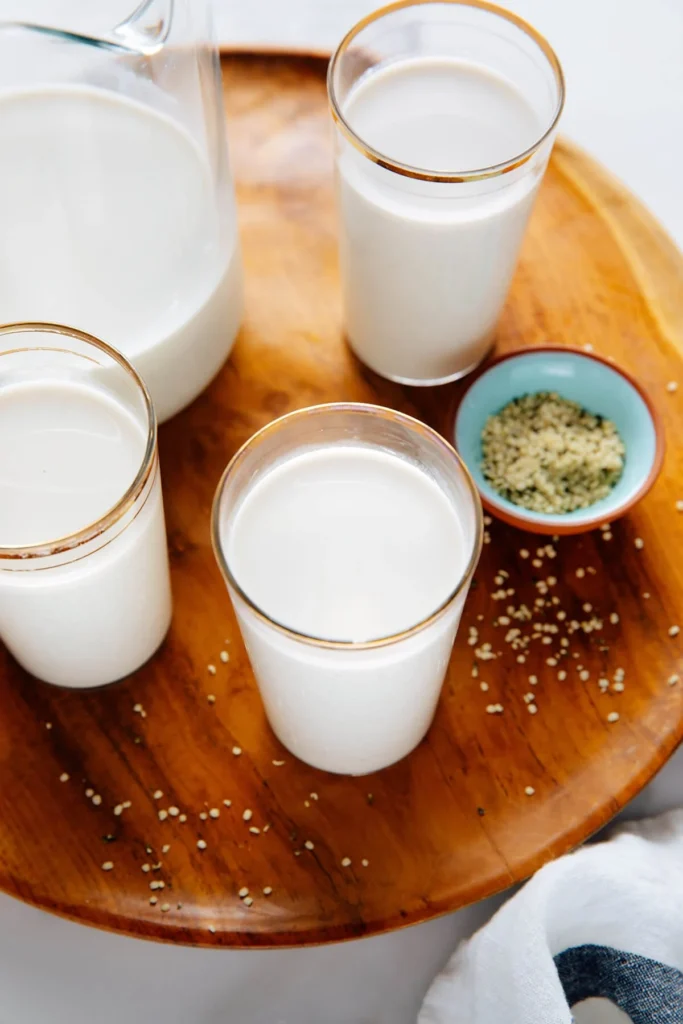
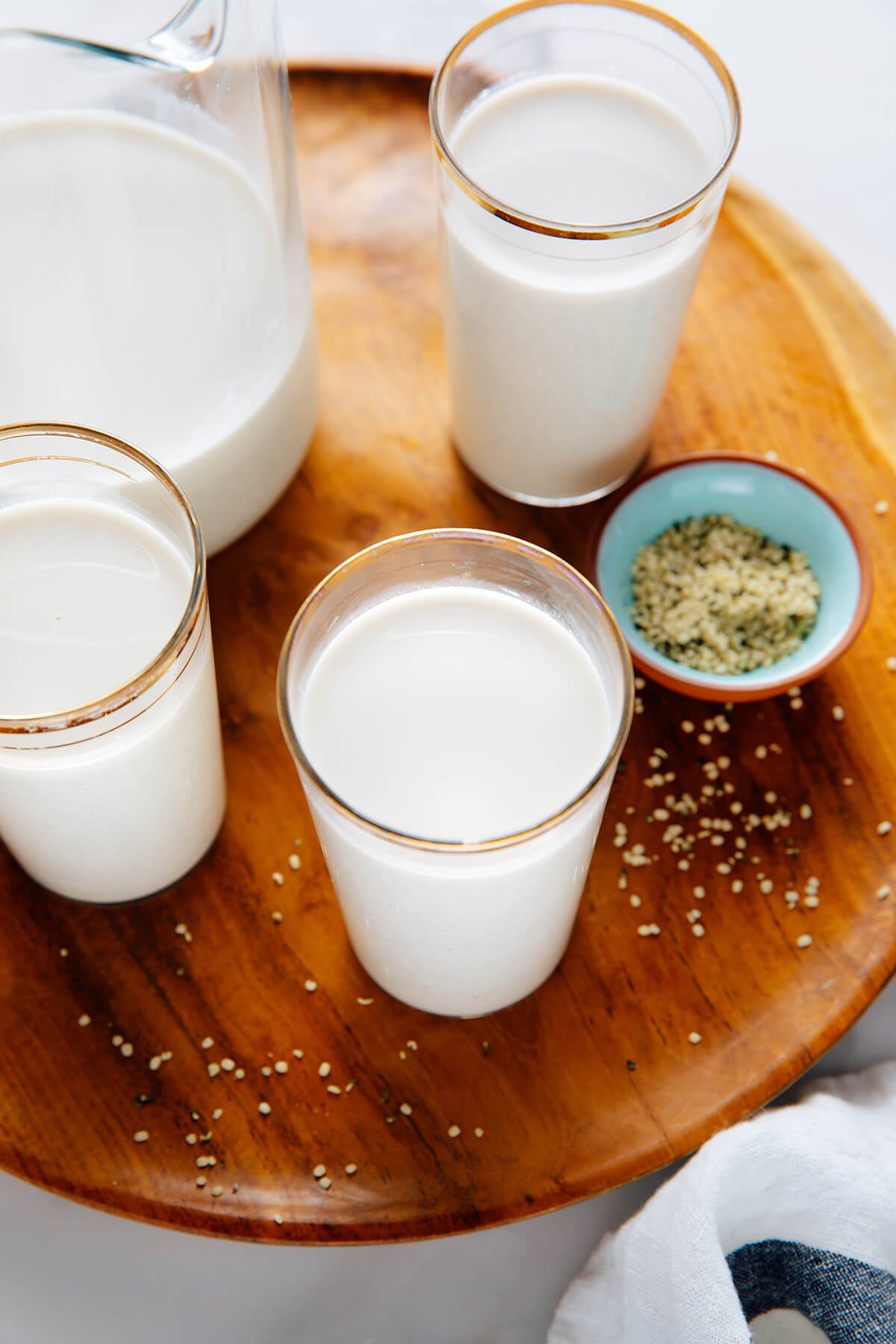
Hemp milk, a creamy and nutrient-dense plant-based alternative, is rapidly gaining traction in the global beverage market, distinguished by its impressive nutritional profile and sustainable cultivation practices. Derived from the seeds of the Cannabis sativa plant, specifically the low-THC industrial hemp variety, this dairy-free option offers a significant source of plant-based protein, essential fatty acids, and a range of vital micronutrients, positioning it as a formidable contender among almond, oat, soy, and cashew milks. Its ease of home preparation, often requiring no pre-soaking of seeds, further contributes to its appeal for health-conscious consumers seeking wholesome and convenient dietary choices.
Historical Context and the Resurgence of Hemp
The cultivation of hemp (Cannabis sativa) dates back millennia, with archaeological evidence suggesting its use as a fiber and food source in ancient China as early as 8,000 BCE. Throughout history, hemp seeds and oil have been consumed for their nutritional value across various cultures, from ancient Indian Ayurvedic practices to European peasant diets. However, in the 20th century, the plant faced significant regulatory hurdles, primarily due to its botanical relationship with marijuana. In the United States, the Marihuana Tax Act of 1937 effectively criminalized hemp, stifling its industrial and agricultural potential for decades.

A pivotal shift occurred with the passage of the 2014 Farm Bill, which allowed for pilot programs involving industrial hemp cultivation. This legislative change was further solidified by the 2018 Farm Bill, which federally legalized industrial hemp (defined as cannabis with less than 0.3% delta-9 tetrahydrocannabinol or THC, the psychoactive compound). This decriminalization opened the floodgates for research, cultivation, and the commercialization of hemp-derived products, including hemp seeds, hemp oil, CBD, and, notably, hemp milk. This legislative chronology has been instrumental in reintroducing hemp as a legitimate and valuable agricultural commodity, paving the way for its integration into mainstream food and beverage industries.
The Expanding Landscape of Plant-Based Milks
The rise of hemp milk is set against the backdrop of a booming plant-based milk market. Over the past two decades, consumer preferences have increasingly shifted away from traditional dairy, driven by a confluence of factors including rising rates of lactose intolerance, growing awareness of animal welfare, environmental concerns associated with dairy farming, and a general embrace of vegan and flexitarian diets. The global plant-based milk market was valued at approximately USD 22.6 billion in 2020 and is projected to reach USD 61.2 billion by 2029, exhibiting a compound annual growth rate (CAGR) of 11.7%. Almond milk currently dominates this sector, followed by soy and oat milk. However, emerging alternatives like hemp milk are carving out a significant niche due to their unique benefits.
Nutritionists and dietary experts have observed this trend, noting that consumers are increasingly sophisticated in their choices, looking beyond mere dairy substitutes to options that offer superior nutritional density and functional benefits. "The modern consumer is actively seeking out alternatives that align with their health goals and ethical values," states Dr. Anya Sharma, a food science researcher. "Hemp milk, with its complete protein profile and favorable omega fatty acid ratio, stands out as a compelling option for those prioritizing nutrient intake."
Unpacking the Nutritional Profile of Hemp Milk
What truly sets hemp milk apart is its remarkable nutritional density. A single serving (approximately 8 ounces or 240 ml) can provide nearly 10 grams of plant-based protein, a figure that rivals cow’s milk and significantly surpasses many other plant milks like almond (typically 1 gram per serving) and oat (around 3-4 grams per serving). This protein is considered "complete," meaning it contains all nine essential amino acids necessary for human health, which is a rare characteristic among plant-based proteins. This makes it particularly valuable for vegans and vegetarians looking to ensure adequate protein intake.
Beyond protein, hemp milk is an exceptional source of omega-3 and omega-6 fatty acids, crucial for brain health, reducing inflammation, and maintaining cardiovascular function. Importantly, hemp seeds offer these fatty acids in an optimal ratio, typically around 3:1 (omega-6 to omega-3), which is considered beneficial for human health, contrasting with the high omega-6 intake prevalent in many Western diets.
While it may not naturally boast the same calcium levels as fortified cow’s milk, commercial hemp milks are often fortified with calcium and vitamin D to address this gap, making them comparable to other fortified plant milks. Furthermore, hemp milk provides a wealth of other micronutrients, including magnesium, phosphorus, iron, zinc, and B vitamins, all of which play vital roles in metabolic processes, bone health, and immune function. The presence of these nutrients, which can sometimes be challenging to obtain from other sources, further solidifies hemp milk’s standing as a highly nutritious beverage.
Cultivation, Sustainability, and Environmental Impact
The environmental footprint of hemp cultivation is another significant factor contributing to its growing appeal. Hemp is renowned for its sustainable agricultural characteristics:
- Low Water Usage: Compared to almonds, which are notoriously water-intensive, hemp requires significantly less water. Almond farming often necessitates vast irrigation, especially in drought-prone regions.
- Soil Health: Hemp plants are excellent for soil remediation, capable of removing toxins and heavy metals from the soil (phytoremediation). They also require fewer pesticides and herbicides than many conventional crops, promoting healthier ecosystems.
- Carbon Sequestration: Hemp grows rapidly and has a high capacity for carbon dioxide absorption, acting as an effective carbon sink. This contributes to mitigating climate change, a critical concern for environmentally conscious consumers and producers.
- Versatility: Beyond its seeds for milk, the entire hemp plant can be utilized for various purposes, including fiber for textiles and construction materials, and hurd for animal bedding and biofuels, promoting a circular economy and minimizing waste.
These ecological advantages position hemp milk as a more environmentally friendly alternative to both dairy and certain other plant-based milks, resonating with consumers increasingly prioritizing sustainability in their purchasing decisions.
Production Methods and Key Flavor Tips

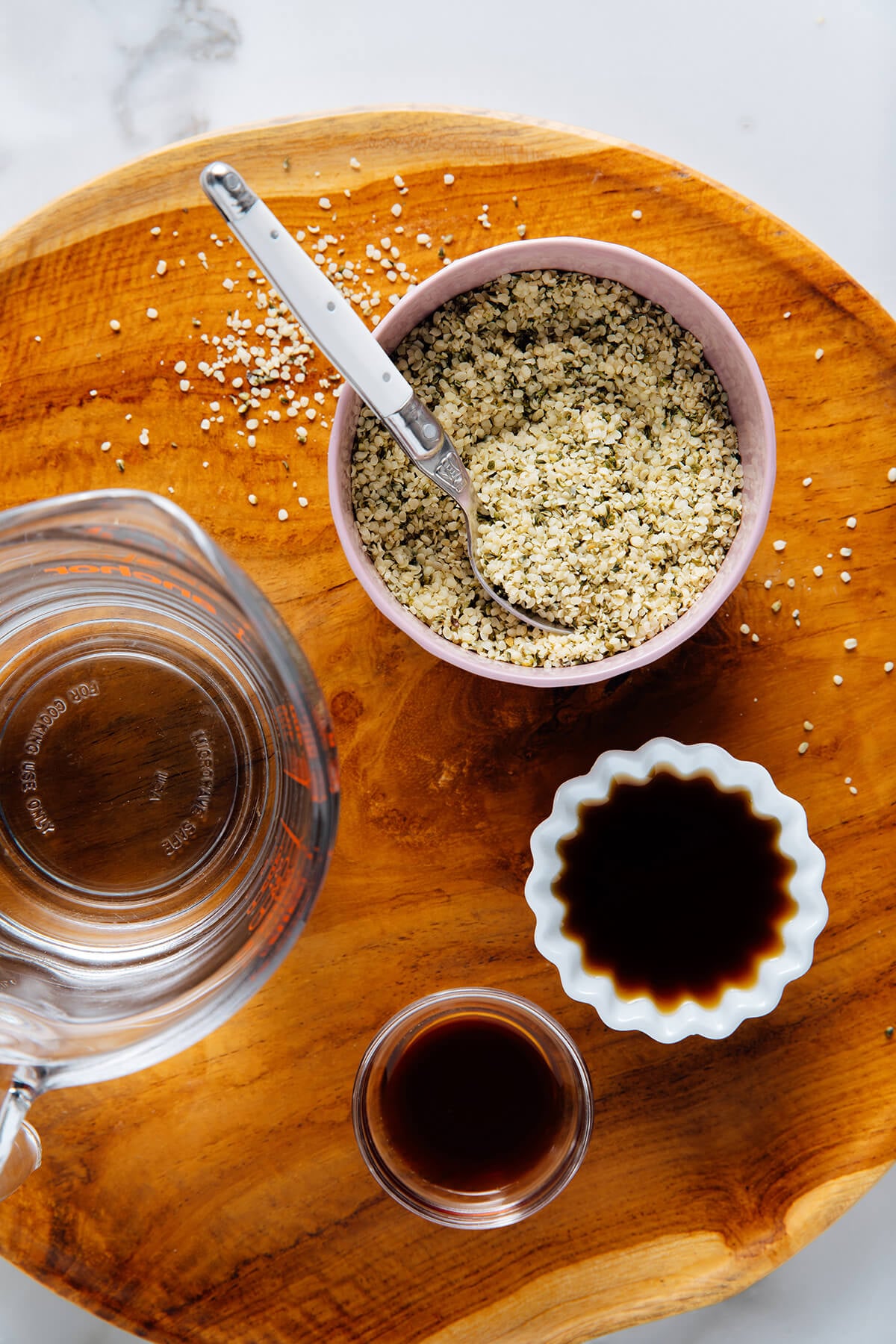
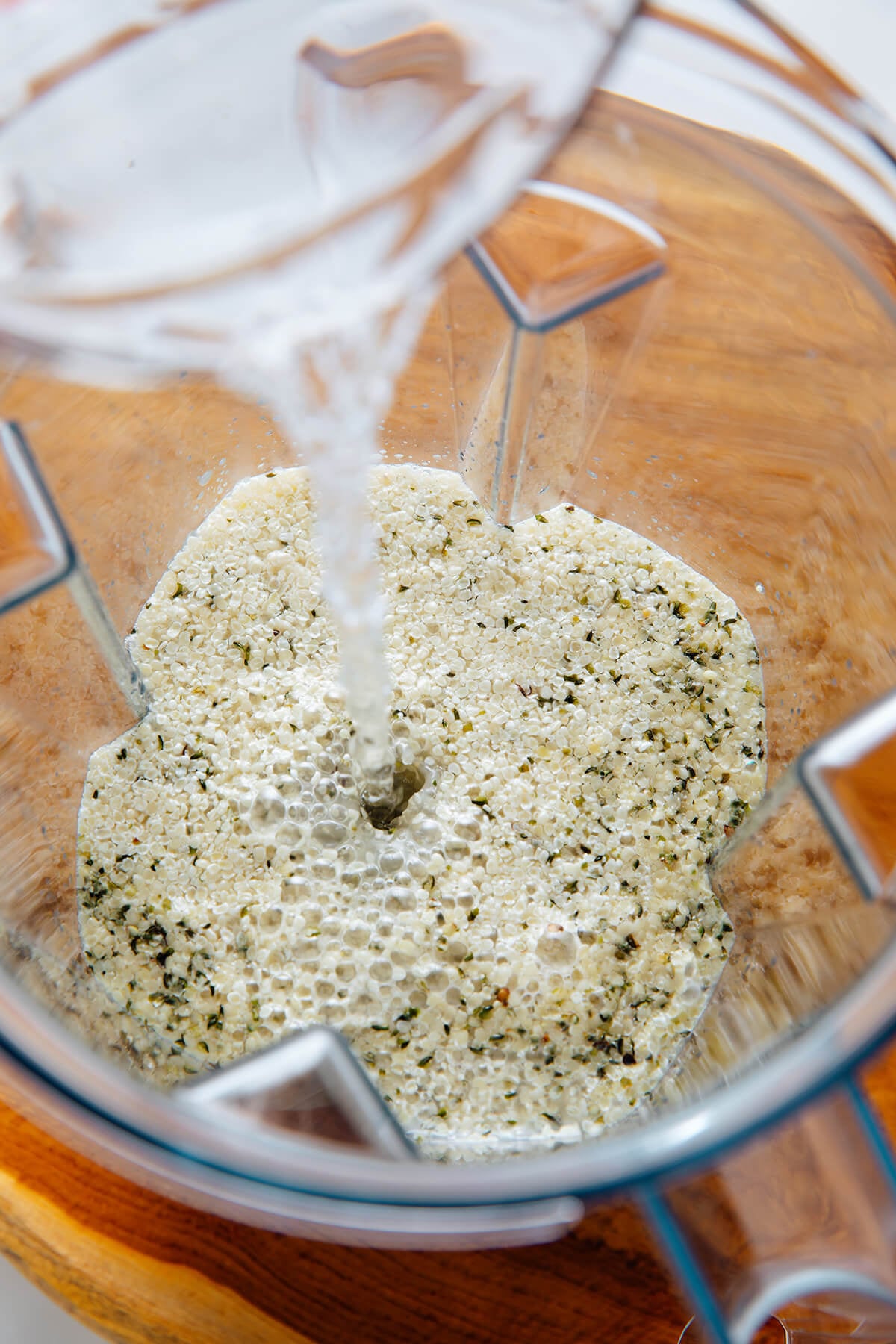
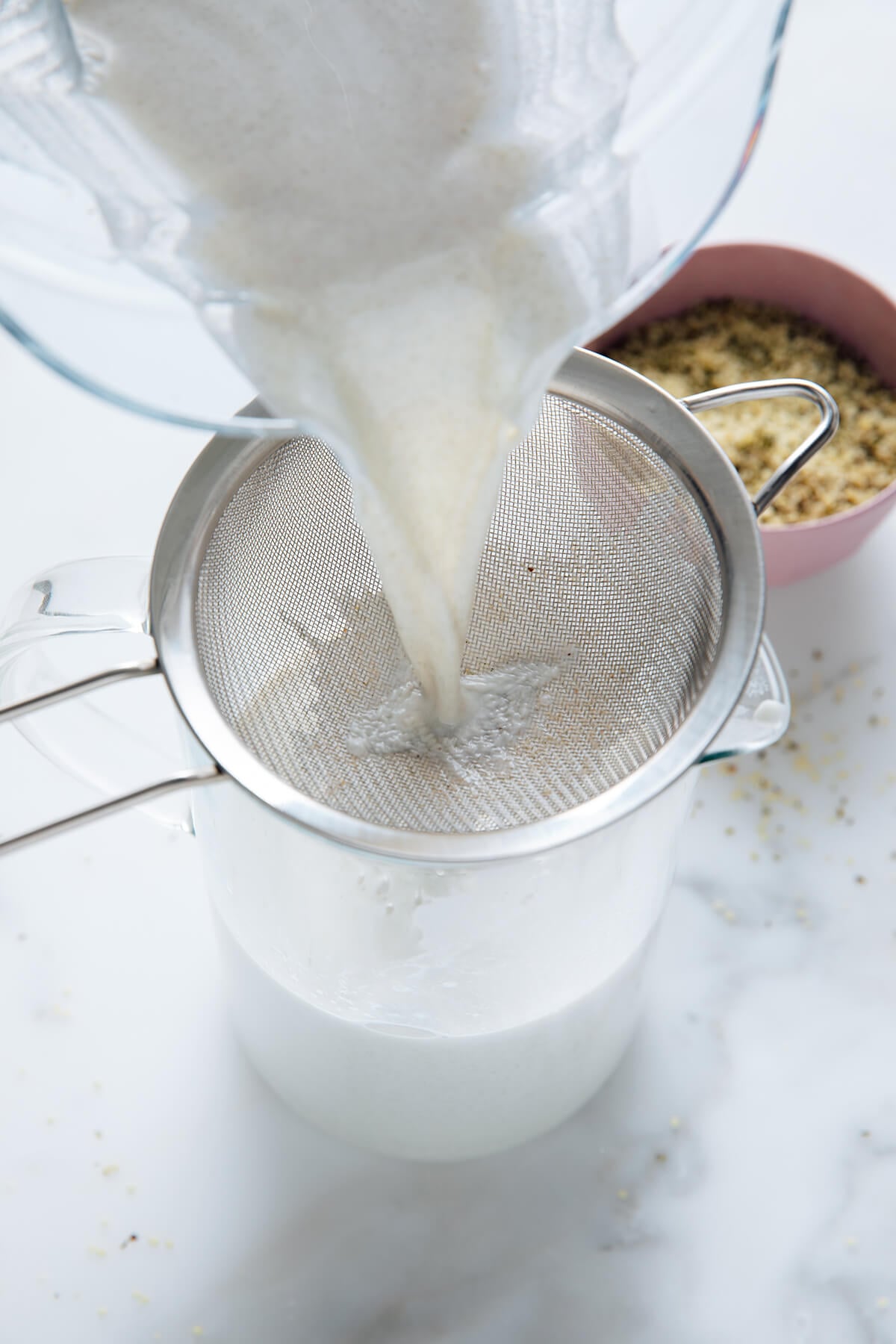
Commercial hemp milk production typically involves blending hulled hemp seeds with water, often with added sweeteners like maple syrup, vanilla extract, and fortifying agents. The process is relatively straightforward: hemp hearts (hulled seeds) are blended with water until smooth, then strained to remove any remaining pulp, resulting in a silky, creamy liquid. The lack of a soaking requirement, unlike some nut milks, simplifies both industrial and home preparation.
For consumers making hemp milk at home, quality control of the raw ingredients is paramount. "The freshness of hemp hearts significantly impacts the final taste," advises a spokesperson from a leading organic food co-op. "Always check the aroma of your hemp seeds; they should smell fresh and nutty, not stale or rancid." To enhance flavor, optional additions like maple syrup, vanilla, or a pinch of salt are common. Maple syrup is preferred by many for its neutral sweetness that blends seamlessly without imparting a distinct maple flavor, unlike honey, which can be more noticeable. Serving hemp milk chilled is also recommended to optimize its taste profile.
Flavor Variations and Culinary Versatility
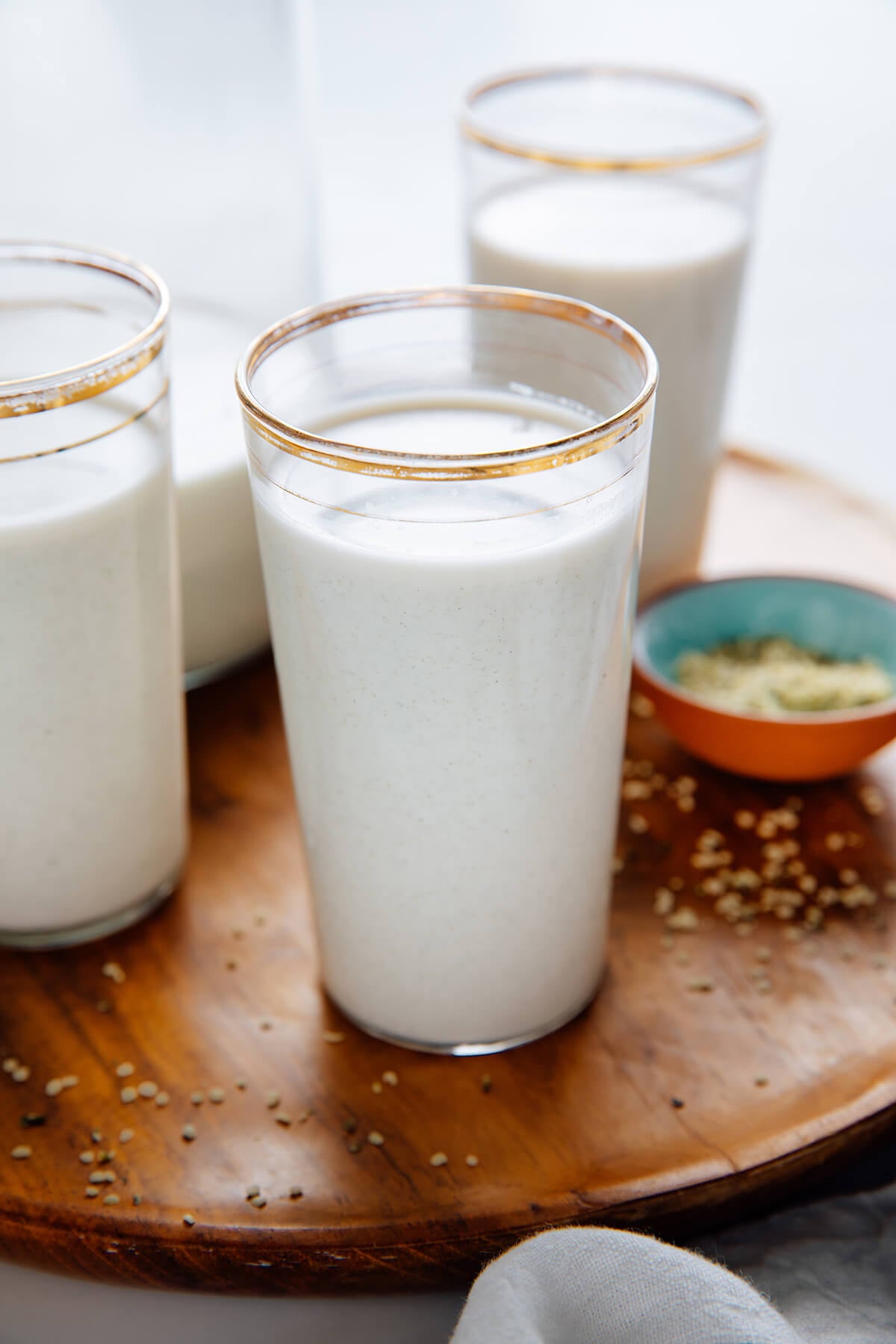
Hemp milk’s relatively mild, slightly earthy, and nutty flavor makes it a versatile base for various flavor enhancements and culinary applications. Producers and home cooks alike experiment with additions to tailor the taste to different palates:
- Chocolate: Cocoa powder combined with a sweetener creates a rich, appealing chocolate hemp milk, a favorite for children and adults alike.
- Vanilla: A touch of vanilla extract can round out the flavor and mask any subtle "grassy" notes some might detect from the hemp seeds.
- Cinnamon: Ground cinnamon adds warmth and spice, particularly suitable for lattes or seasonal beverages.
- Blends: Combining hemp seeds with other ingredients like shredded coconut or cashews can alter the texture and flavor profile, creating even creamier or more neutral-tasting milks. Cashews, in particular, are known for producing a very creamy, mild milk.
Beyond drinking, hemp milk finds extensive use in the kitchen. Its creamy texture and nutritional richness make it an excellent substitute for dairy milk in a myriad of recipes:
- Smoothies: A natural fit, providing protein and healthy fats.
- Coffee and Tea: Its creaminess can enrich hot beverages, though some users note it can separate if heated too rapidly.
- Cereal and Oatmeal: A direct dairy substitute.
- Baking: Used in muffins, pancakes, and quick breads for added moisture and nutritional value.
- Sauces and Dressings: Can add a creamy base to savory dishes.
- Soups: Contributes richness without dairy.
This wide range of applications underscores hemp milk’s potential to become a staple in both conventional and plant-based kitchens.
Challenges, Market Dynamics, and Future Outlook
Despite its advantages, hemp milk faces challenges in a highly competitive plant-based milk market. Brand recognition, taste preferences, and price points are significant factors. While its nutritional profile is strong, some consumers may initially find its flavor profile less universally appealing than the more established almond or oat milks. Market penetration also requires sustained marketing efforts and consumer education to differentiate it from other alternatives and to dispel any lingering misconceptions related to its cannabis origin.
However, industry analysts are optimistic about hemp milk’s trajectory. Innovations in processing are continually improving taste and texture, while increasing consumer demand for nutritious and sustainable options drives market growth. As more agricultural land is dedicated to hemp cultivation following favorable legislation, economies of scale are expected to bring down production costs, making hemp milk more accessible and competitive.

Regulatory bodies like the U.S. Food and Drug Administration (FDA) continue to monitor the hemp industry. While hemp seeds, hemp seed oil, and hemp protein are generally recognized as safe (GRAS), the broader regulatory framework for hemp-derived products is still evolving. Clear and consistent regulations will be crucial for the sustained growth and consumer confidence in the hemp milk sector.
In conclusion, hemp milk is emerging as a powerful force in the plant-based beverage industry, offering a compelling blend of superior nutrition, environmental sustainability, and culinary versatility. As consumers increasingly prioritize health, ethical sourcing, and ecological impact, hemp milk is poised to capture a significant share of the market, solidifying its role as a vital component of the evolving global food landscape. Its journey from ancient staple to modern health beverage exemplifies the dynamic shifts occurring in contemporary dietary patterns and food production.