








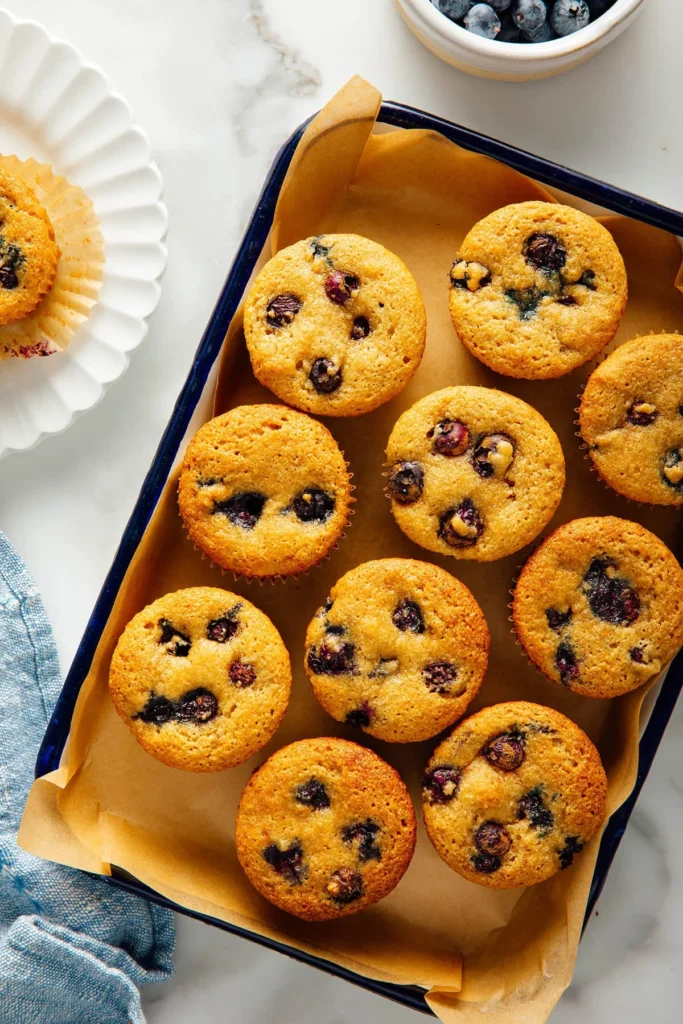
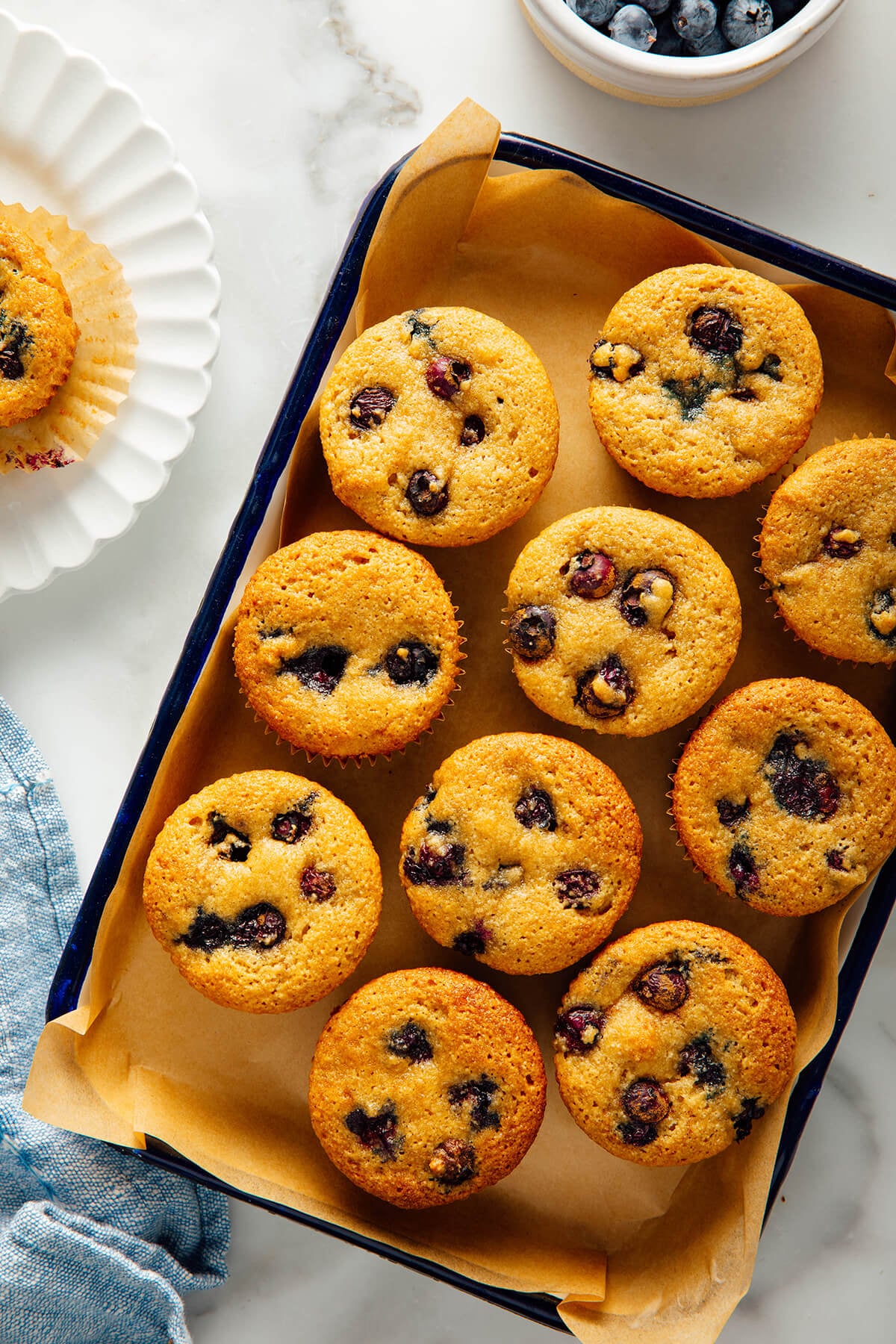
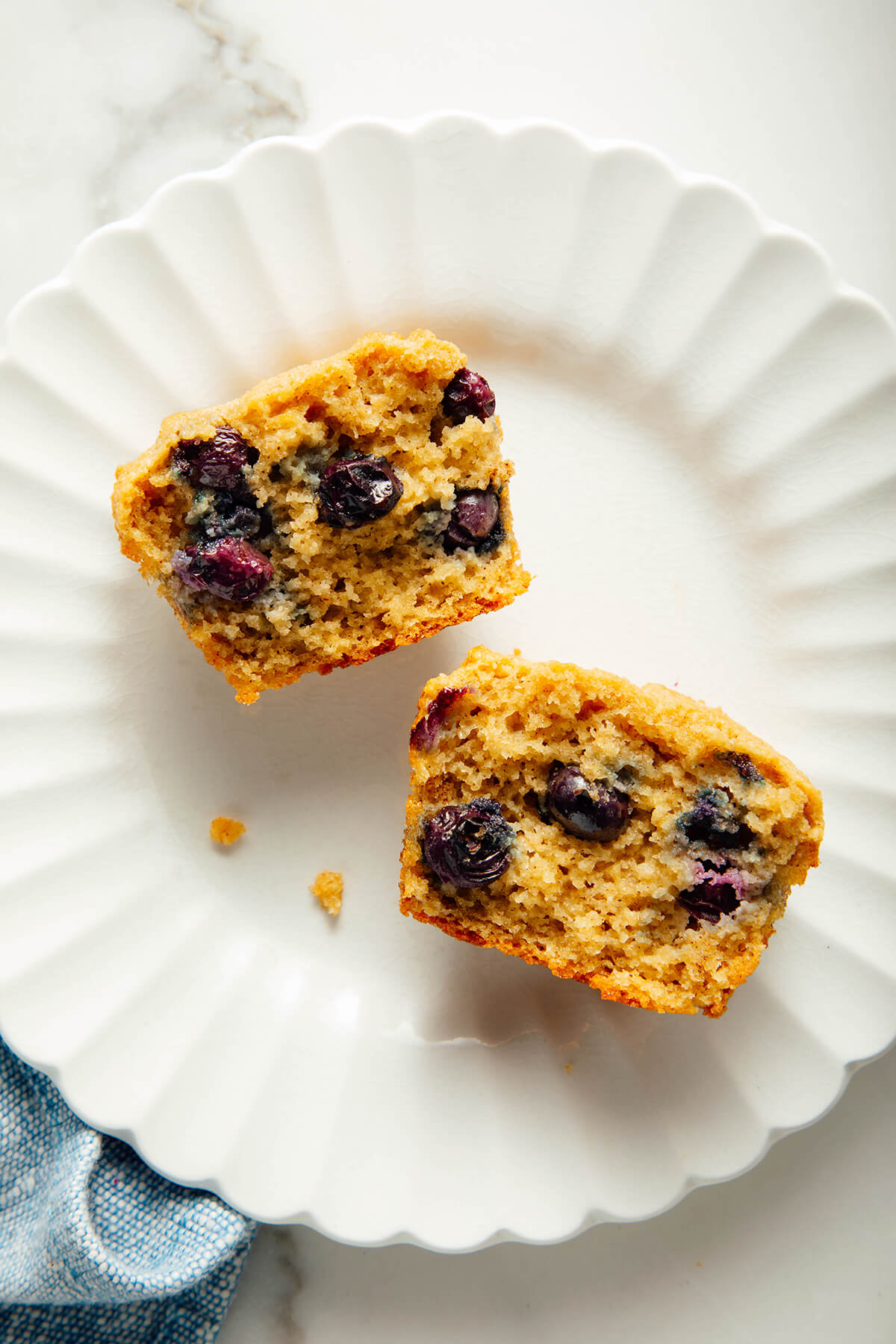
A groundbreaking recipe for gluten-free blueberry muffins, crafted primarily from almond flour, is setting new benchmarks in the realm of healthy and delicious baking. This innovative approach eschews the complex starch-based blends often found in gluten-free products, offering a simpler, more nutritious alternative that promises the classic muffin experience: a golden exterior, a fluffy interior, and pockets of jammy blueberries, all while maintaining a remarkably wholesome profile. The development of this recipe highlights the growing sophistication in gluten-free culinary techniques, demonstrating that dietary considerations need not compromise taste or texture.
The Evolution of Gluten-Free Baking: A Focus on Whole Ingredients
The journey to perfecting these almond flour blueberry muffins underscores a significant shift in gluten-free baking, moving away from multi-flour, starch-heavy compositions towards more singular, nutritionally dense ingredients. While traditional gluten-free baking often relies on a combination of rice flour, tapioca starch, potato starch, and xanthan gum to mimic wheat’s properties, this recipe boldly opts for blanched almond flour as its sole gluten-free base. This choice reflects a broader trend among health-conscious consumers and culinary innovators seeking cleaner labels and enhanced nutritional value in their baked goods.

The transition from conventional wheat-based flour to almond flour is far from straightforward. Almond flour, being inherently less absorbent and containing natural fats, requires precise adjustments to liquid and fat ratios in a recipe. Developers behind this particular muffin spent considerable effort, undertaking over ten iterative attempts, to achieve the desired fluffy, moist texture without the density or dryness often associated with gluten-free alternatives. This rigorous development process is indicative of the commitment within the culinary community to overcome the inherent challenges of gluten-free baking, ensuring that the end product not only meets dietary requirements but also excels in sensory appeal.
The Triple Advantage of Almond Flour in Contemporary Baking
Almond flour has emerged as a preferred ingredient for several compelling reasons, extending beyond its gluten-free status. Its increasing popularity is driven by a convergence of health trends, superior textural contributions, and user-friendliness in the kitchen.
Firstly, its inherent health benefits are significant. As a product of finely ground almonds, it offers a robust nutritional profile, rich in protein, dietary fiber, healthy monounsaturated fats, vitamin E, and magnesium. This stands in stark contrast to many gluten-free all-purpose blends, which frequently incorporate refined starches that provide minimal nutritional value and can contribute to higher glycemic loads. For carb-conscious bakers and consumers, almond flour allows for a reduction in added sweeteners, as its mild, slightly nutty flavor does not dull other ingredients, permitting the natural sweetness of fruits and other components to shine through more brightly. According to recent market analyses, the global almond flour market is projected to grow significantly, driven by rising health consciousness and the expanding demand for gluten-free and low-carb food options.
Secondly, the culinary characteristics of almond flour contribute to exceptionally delicious baked goods. It consistently yields products that are wonderfully golden on the outside, tender, and remarkably moist on the inside. Unlike some alternative flours that impart a strong, distinct flavor, almond flour tends to allow the primary flavors of a recipe, such as the vibrant sweetness of blueberries, to become more prominent. The challenge lies in mastering the correct proportions of wet and dry ingredients, a hurdle meticulously addressed in the development of this muffin recipe, resulting in a product that is both wholesome and genuinely indulgent.
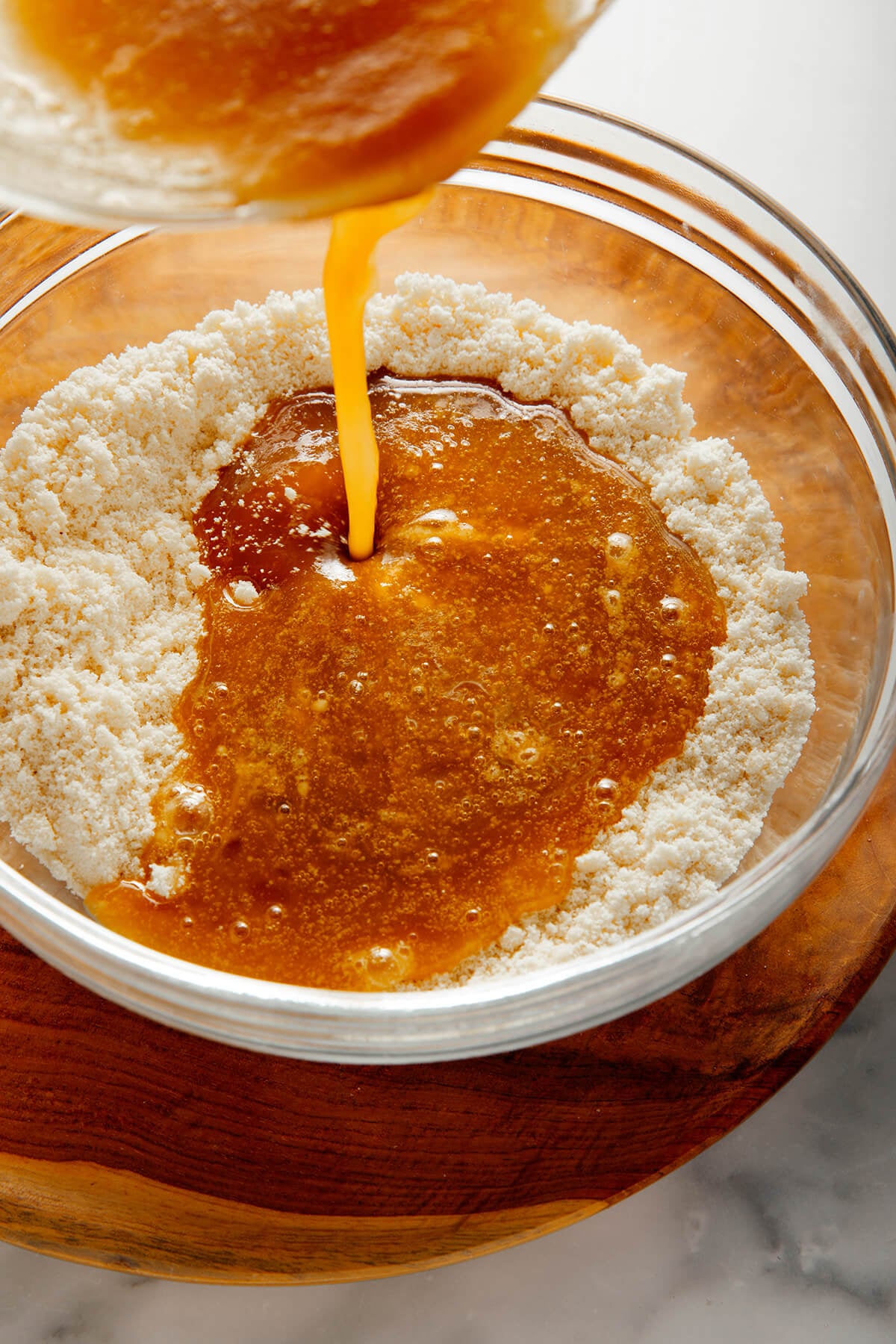
Finally, almond flour offers considerable ease of use, making it an attractive option for both experienced and novice bakers. A key advantage is the absence of gluten, which eliminates the risk of overmixing. In wheat-based baking, excessive stirring can develop gluten strands, leading to a tough, chewy texture. With almond flour, this concern is removed, allowing for a more relaxed and forgiving baking process, making it particularly suitable for collaborative baking, such as involving children. This accessibility further broadens its appeal, encouraging more individuals to explore gluten-free and healthier baking practices.
Key Ingredients and Innovative Techniques for Optimal Results
The success of these almond flour blueberry muffins hinges on a selection of simple, yet thoughtfully chosen, ingredients and specific preparation techniques.

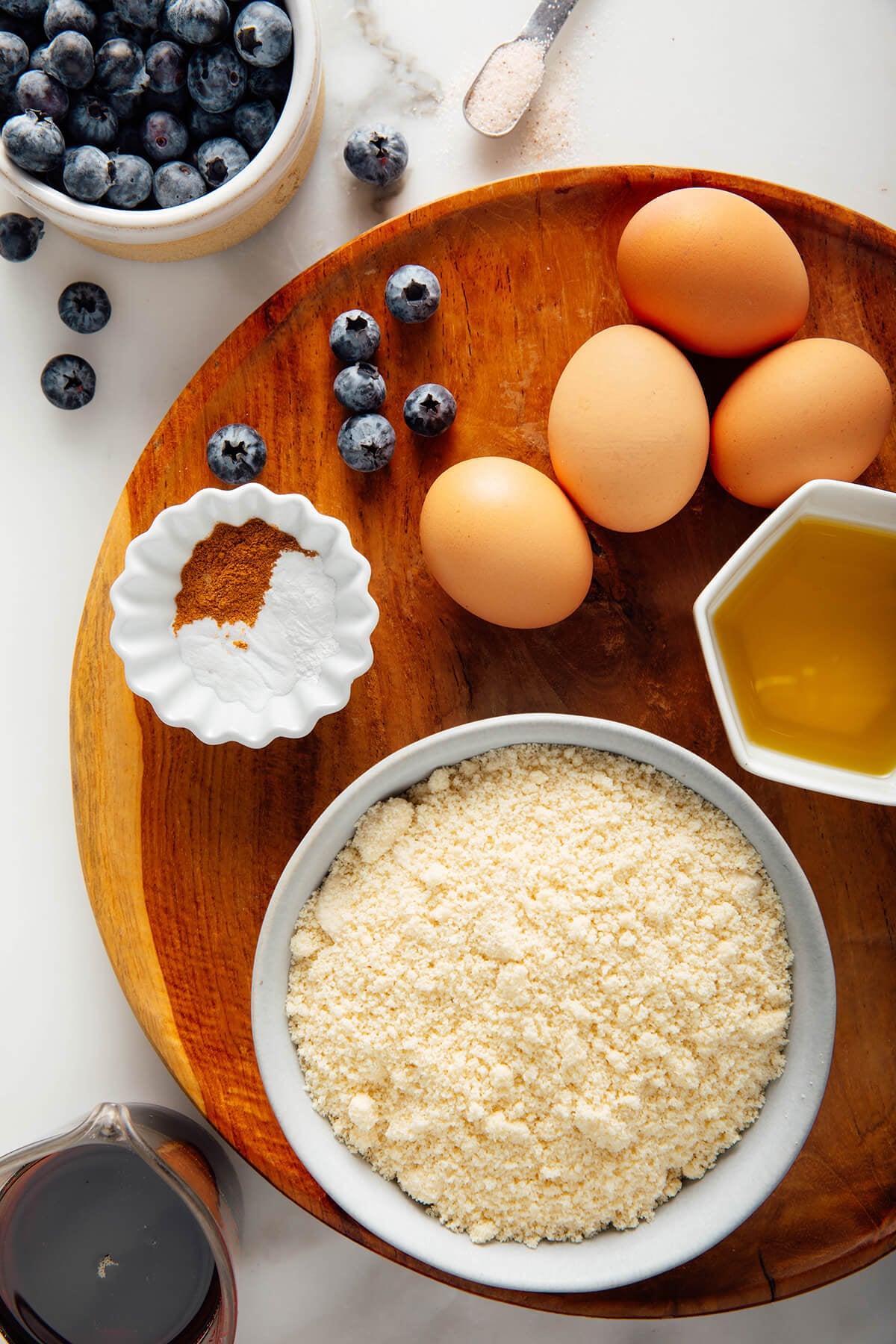
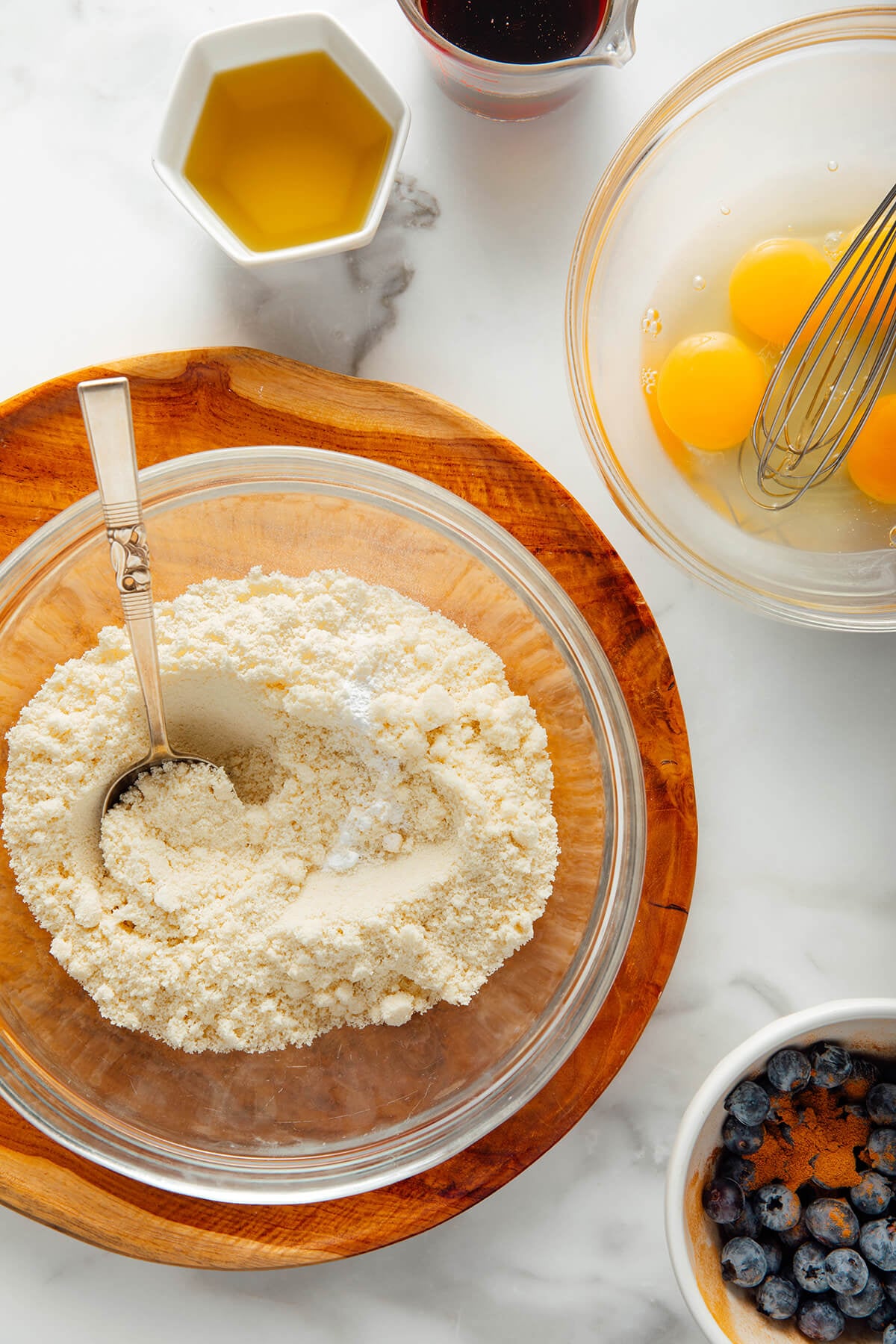
- Fine Blanched Almond Flour: The quality of almond flour is paramount. Recommendations often point to reputable brands like Bob’s Red Mill or Whole Foods 365’s 365 brand, known for their consistent super-fine blanched almond flour. Inconsistent particle size from other brands can lead to varied results in texture and moisture absorption. Proper measurement, using the "spooned and leveled" method rather than scooping, or employing a digital scale, is crucial for accuracy, given almond flour’s unique density compared to wheat flour.
- Sweeteners (Maple Syrup or Honey): The recipe offers flexibility between real maple syrup and honey. Maple syrup is often preferred for its subtle flavor, which allows the blueberries and other ingredients to take center stage. Honey, while providing a slightly more pronounced sweetness and distinct flavor, can also be used effectively. The choice allows bakers to tailor the sweetness and flavor profile to their preference.
- Fats (Olive Oil or Butter): The inclusion of olive oil, specifically a mild extra-virgin variety like California Olive Ranch, is noteworthy. When chosen carefully, it imparts no discernible flavor to the final product, contributing to moisture and tenderness. For those hesitant about olive oil in baking, melted butter serves as a suitable alternative, yielding comparable results in texture and taste.
- Lemon Juice: Beyond its role in brightening the overall flavor, lemon juice plays a critical chemical function. Its acidity counteracts the alkalinity of baking soda, preventing an undesirable greenish discoloration around the baked blueberries, ensuring they retain their vibrant appearance. This detail highlights the scientific precision applied in the recipe’s formulation.
- Eggs: The recipe calls for a relatively high number of eggs (four) compared to many conventional muffin recipes. This is not arbitrary; in gluten-free baking, eggs are vital for providing structural integrity and lift, compensating for the absence of gluten. Despite the quantity, the muffins are developed to ensure no eggy flavor permeates the final product.
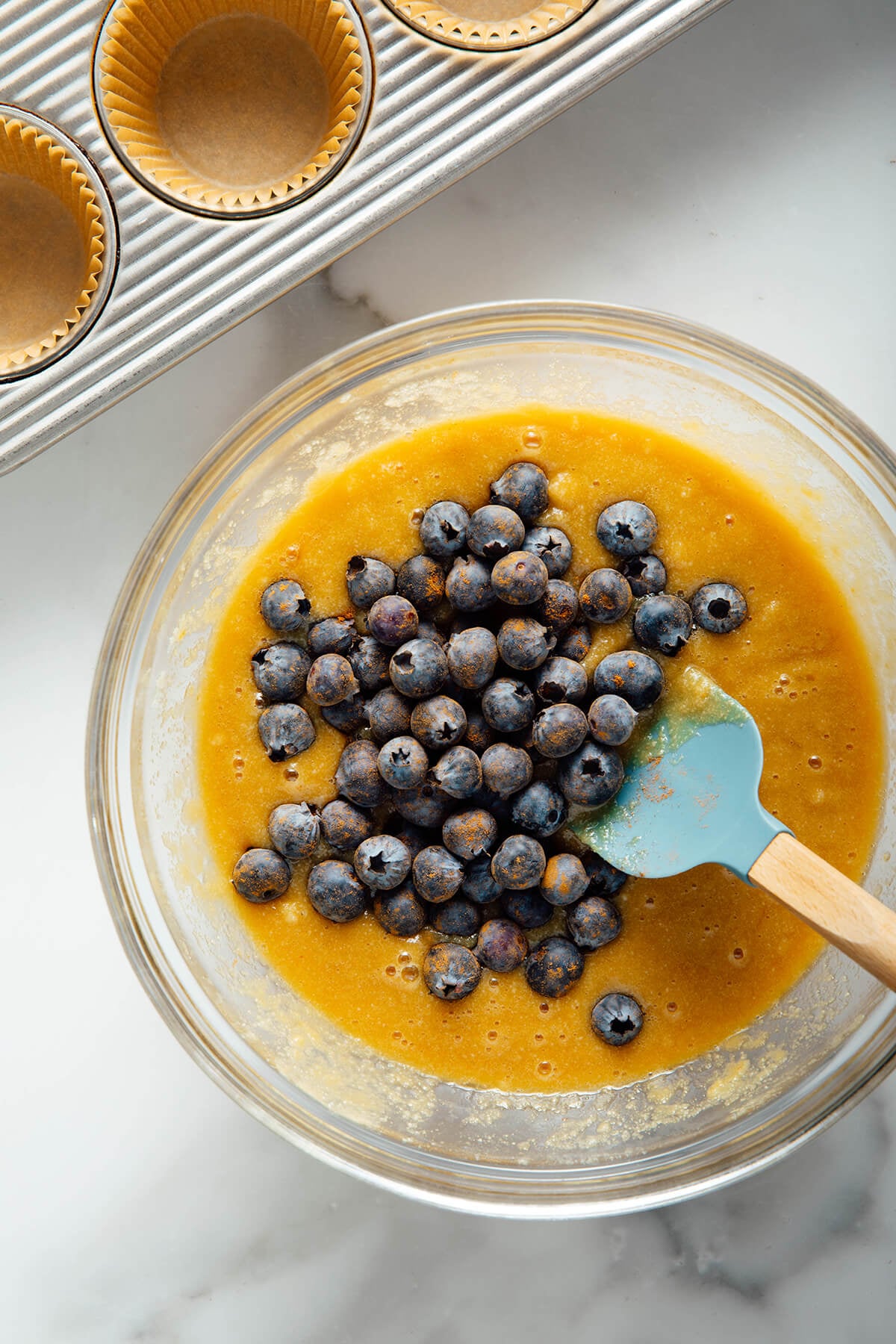
- Blueberries (Fresh or Frozen) with a Cinnamon Toss: A particularly ingenious technique developed for this recipe addresses a common muffin-baking challenge: blueberries sinking to the bottom. While tossing berries in flour is a traditional remedy, it proved ineffective in this almond flour context. The breakthrough came with tossing the blueberries in ground cinnamon. This not only prevents sinking but also adds a delightful, warm spice note that complements the blueberries beautifully. Both fresh and frozen blueberries can be used; fresh berries generally yield optimal results, but frozen (undeffrosted) berries are a viable alternative, though they may slightly tint the batter blue and require a few extra minutes of baking time.
Broader Implications and Market Impact
The success and methodology behind these almond flour blueberry muffins are indicative of several broader trends shaping the food industry and consumer preferences. The demand for gluten-free products continues its upward trajectory, driven by a combination of medically diagnosed conditions like celiac disease, gluten sensitivity, and a general consumer perception of gluten-free as a healthier lifestyle choice. Market research firms consistently report robust growth in the gluten-free sector, with consumers increasingly seeking products that are not only free from gluten but also nutritionally superior and made with recognizable, whole ingredients.

Recipes like this one, which prioritize simple, wholesome ingredients over complex, processed blends, resonate strongly with the "clean eating" movement. They demonstrate that dietary restrictions do not necessitate sacrificing culinary enjoyment or nutritional integrity. This approach also contributes to the diversification of baking ingredients, fostering innovation and expanding the repertoire of accessible, health-conscious options for home bakers and commercial producers alike.
The emphasis on single-ingredient flours like almond flour reflects a more sophisticated understanding of ingredient functionality within the gluten-free landscape. Rather than attempting to replicate wheat’s exact properties with a patchwork of starches, this method leverages the unique characteristics of almond flour—its fat content, protein, and fine texture—to create a distinct yet equally satisfying baking experience. This nuanced approach is likely to influence future product development in the gluten-free market, pushing for higher quality and more nutrient-dense offerings.
Expert Endorsements and Future Outlook
While specific official statements on this particular recipe are not available, the principles it embodies are widely endorsed by nutritionists and culinary experts. Dietitians frequently advocate for the use of whole-food-based ingredients like almond flour due to their superior nutritional profiles compared to refined grains or starch-heavy alternatives. The focus on reducing added sweeteners and incorporating healthy fats aligns with current dietary guidelines promoting balanced nutrition.

The ease of use and consistent results offered by such a meticulously developed recipe also make it a valuable contribution to the home baking community. It empowers individuals to confidently create delicious and healthy treats, reducing the intimidation often associated with gluten-free baking. This accessibility is crucial for fostering wider adoption of healthier baking practices.
In conclusion, the development of these gluten-free almond flour blueberry muffins represents more than just a new recipe; it symbolizes an evolution in gluten-free baking. By meticulously addressing the unique properties of almond flour and employing innovative techniques, this creation offers a benchmark for taste, texture, and nutritional value in the gluten-free domain. It stands as a testament to the ongoing innovation within the culinary world, demonstrating that wholesome, health-conscious choices can indeed be synonymous with exceptional flavor and enjoyment, thereby setting a new standard for delicious and accessible gluten-free baked goods.