


In a culinary landscape increasingly focused on health and wellness, the humble chocolate chia seed pudding is emerging as a significant contender in the realm of permissible indulgences. Far from the traditional, often calorie-laden desserts, this innovative treat offers a compelling combination of rich flavor, substantial nutritional benefits, and remarkable ease of preparation, establishing itself as a staple for health-conscious consumers and culinary enthusiasts alike. Its growing popularity underscores a broader shift in dietary preferences, where the demand for nutrient-dense, plant-based, and convenient food options is paramount.
This particular rendition of chocolate chia pudding stands out by skillfully balancing the decadent taste of chocolate with an impressive nutritional profile, effectively debunking the myth that healthy desserts must compromise on flavor. Unlike some "healthy" alternatives that incorporate ingredients like avocado or sweet potato, whose distinct tastes can sometimes betray their presence, this pudding delivers an authentic dessert experience. Boasting approximately 8 grams of fiber, 5 grams of protein, and a generous complement of healthy plant-based fats per serving, it offers satiety and sustained energy, making it an ideal choice for breakfast, a satisfying snack, or a guilt-free dessert. Its preparation requires no cooking, distinguishing it from traditional custard-based puddings that often demand meticulous attention and multiple steps, thus appealing to the modern consumer’s need for efficiency.
The Ancient Roots of a Modern Superfood: Chia Seeds
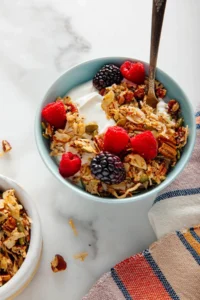
The journey of the chia seed, the cornerstone of this healthful pudding, spans millennia. Originating from Salvia hispanica, a desert plant native to central and southern Mexico and Guatemala, chia seeds were a dietary staple for ancient Aztec and Mayan civilizations. Revered for their incredible energy-boosting properties, they were often referred to as "runner’s food," providing sustained vigor for warriors and messengers. Historical accounts suggest chia seeds were not only consumed for sustenance but also held ceremonial and medicinal significance, underscoring their profound value in ancient societies.
Following the Spanish conquest, chia cultivation waned, overshadowed by European crops, and the seed largely faded from mainstream consciousness for centuries. However, the late 20th and early 21st centuries witnessed a dramatic resurgence of chia seeds, propelled by scientific research highlighting their exceptional nutritional composition. Modern studies confirm chia seeds as a powerhouse of omega-3 fatty acids, particularly alpha-linolenic acid (ALA), which is crucial for heart health and reducing inflammation. They are also an excellent source of dietary fiber, protein, calcium, phosphorus, and manganese. This rediscovery has cemented chia’s status as a "superfood," driving its integration into a wide array of contemporary health-focused recipes, with chia pudding leading the charge due to the seed’s unique hydrophilic property, allowing it to absorb up to 12 times its weight in liquid and form a gel-like consistency.
The Evolution of Dessert: From Indulgence to Wellness
The concept of dessert itself has undergone a significant transformation. Historically, desserts were often elaborate, sugar-laden concoctions, reserved for special occasions or as a luxurious end to a meal. Traditional puddings, often thickened with eggs or cornstarch and enriched with cream, epitomized this indulgent approach. While delicious, their nutritional profile typically contributed to excess caloric intake without significant micronutrient contribution.
The dawn of the 21st century, however, brought with it an intensified focus on personal health, preventative wellness, and the environmental impact of food choices. This societal shift spurred a demand for "clean label" products, reduced sugar content, and increased transparency regarding ingredients. Plant-based diets gained traction, and consumers began actively seeking alternatives that aligned with their health goals without sacrificing sensory pleasure. This cultural pivot created a fertile ground for innovative desserts like chocolate chia pudding. It represents a paradigm shift: a dessert is no longer merely an indulgence but can also be a functional food, contributing positively to one’s daily nutritional intake. This evolution reflects a broader culinary philosophy that seeks to integrate health and pleasure seamlessly, making foods like chia pudding not just acceptable, but desirable.
A Nutritional Powerhouse in Every Spoonful
Beyond its delicious taste and simple preparation, the chocolate chia pudding’s true appeal lies in its impressive nutritional density. Each serving is a testament to how simple, natural ingredients can combine to create a nutritionally robust food.
The 8 grams of fiber per serving are particularly noteworthy. Dietary fiber is crucial for digestive health, promoting regular bowel movements and preventing constipation. Beyond gut health, fiber plays a vital role in satiety, helping individuals feel fuller for longer and thus potentially aiding in weight management. It also assists in regulating blood sugar levels by slowing down the absorption of glucose, which is beneficial for managing conditions like type 2 diabetes and preventing energy crashes. Given that many adults fall short of the recommended daily fiber intake (typically 25-38 grams), a single serving of this pudding can significantly contribute to meeting these dietary guidelines.
The 5 grams of protein contribute to muscle repair and growth, making it an excellent post-workout snack or a satisfying component of breakfast. Protein also plays a role in hormone production, enzyme function, and immune health. For individuals following plant-based diets, finding diverse and complete protein sources can sometimes be a challenge, making this pudding a valuable addition.
Furthermore, the healthy plant-based fats, predominantly from the chia seeds, are rich in omega-3 fatty acids. These essential fats are vital for brain function, cardiovascular health, and reducing systemic inflammation. Unlike saturated or trans fats, plant-based fats are associated with numerous health benefits, contributing to overall well-being. The inclusion of cocoa powder adds another layer of health benefits, as it is packed with flavonoids, powerful antioxidants that can improve heart health, reduce blood pressure, and enhance mood. Maple syrup, while a sweetener, offers a more natural alternative to refined sugars, containing some minerals like manganese and zinc, and typically having a slightly lower glycemic index.
Effortless Preparation for the Modern Lifestyle
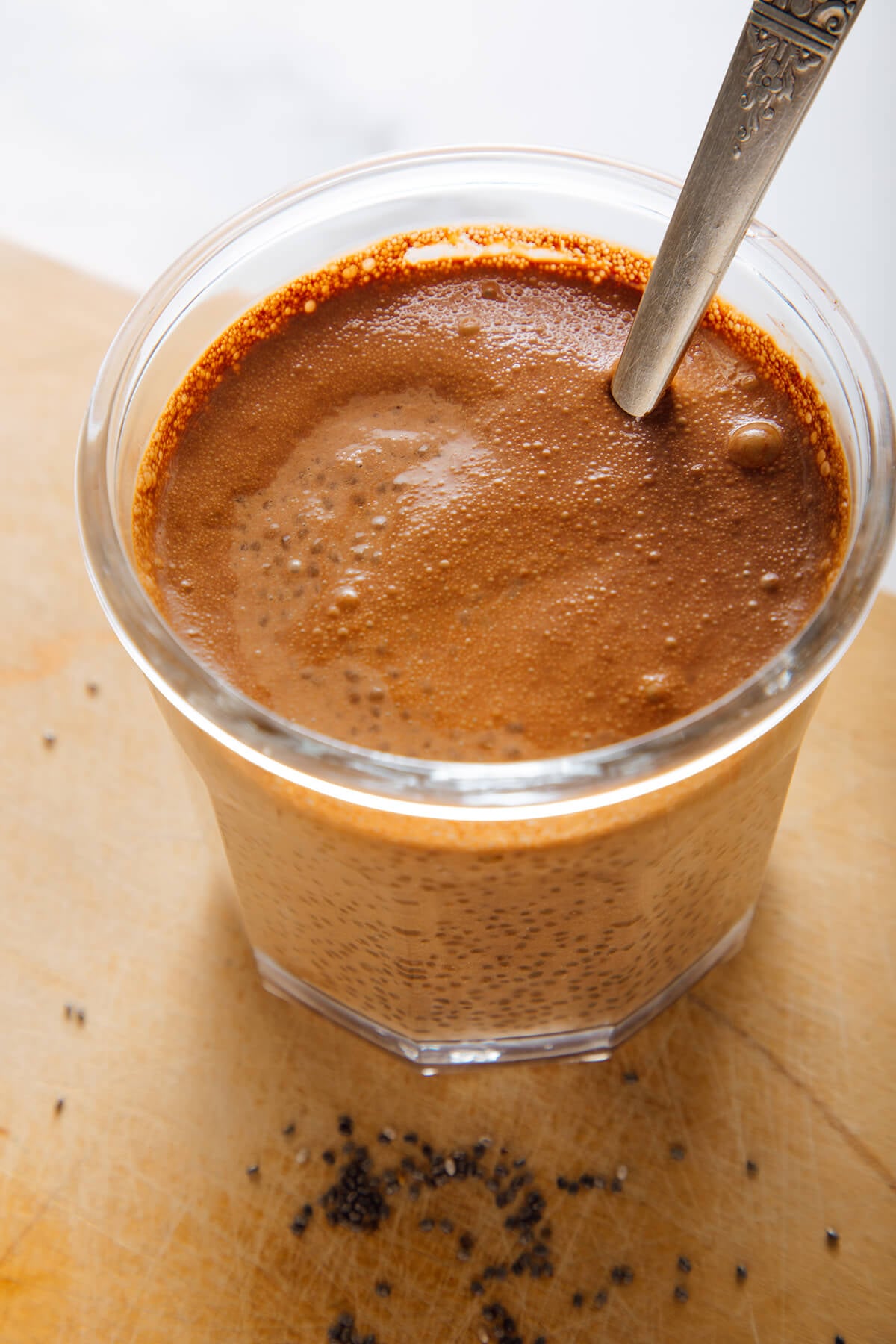
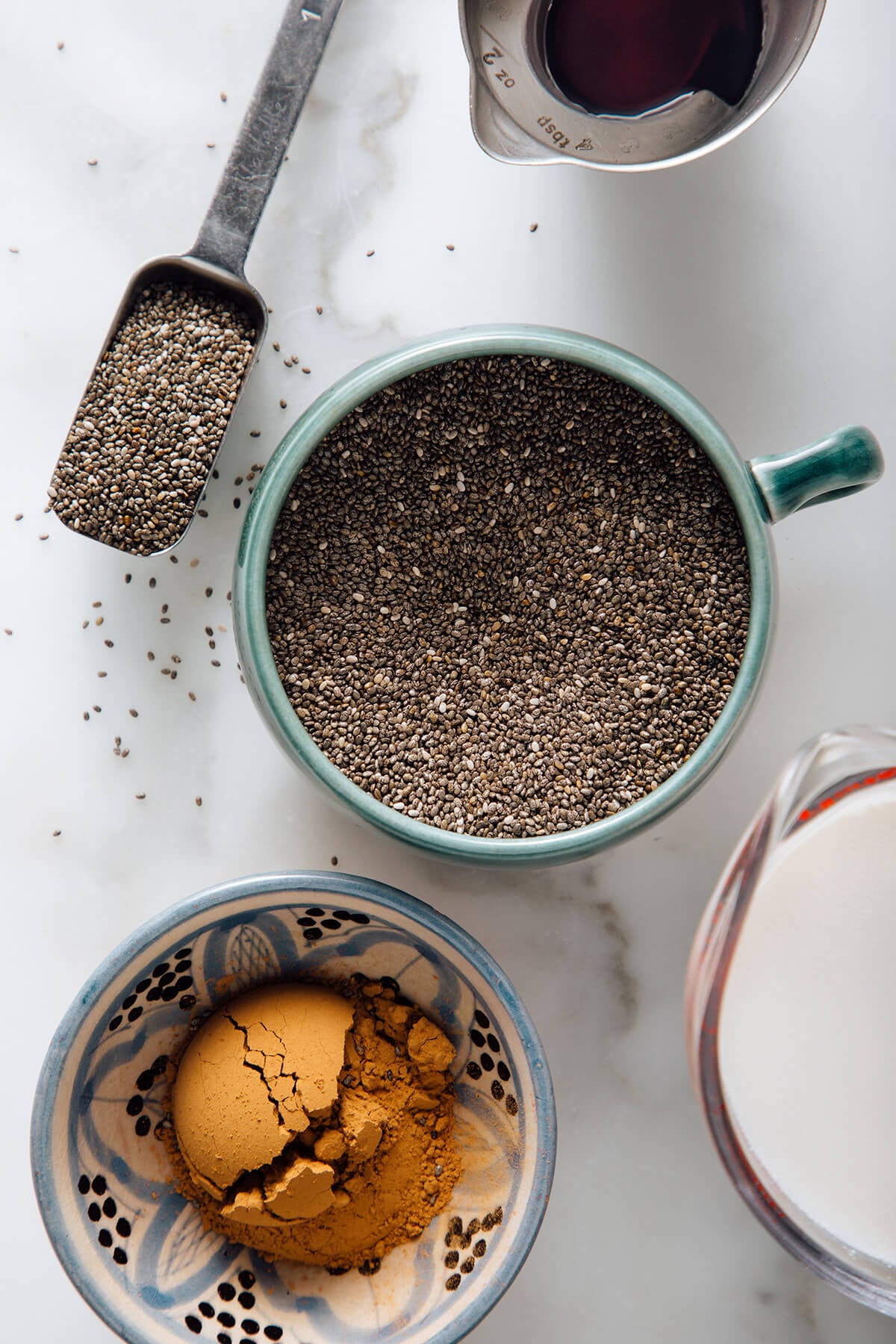
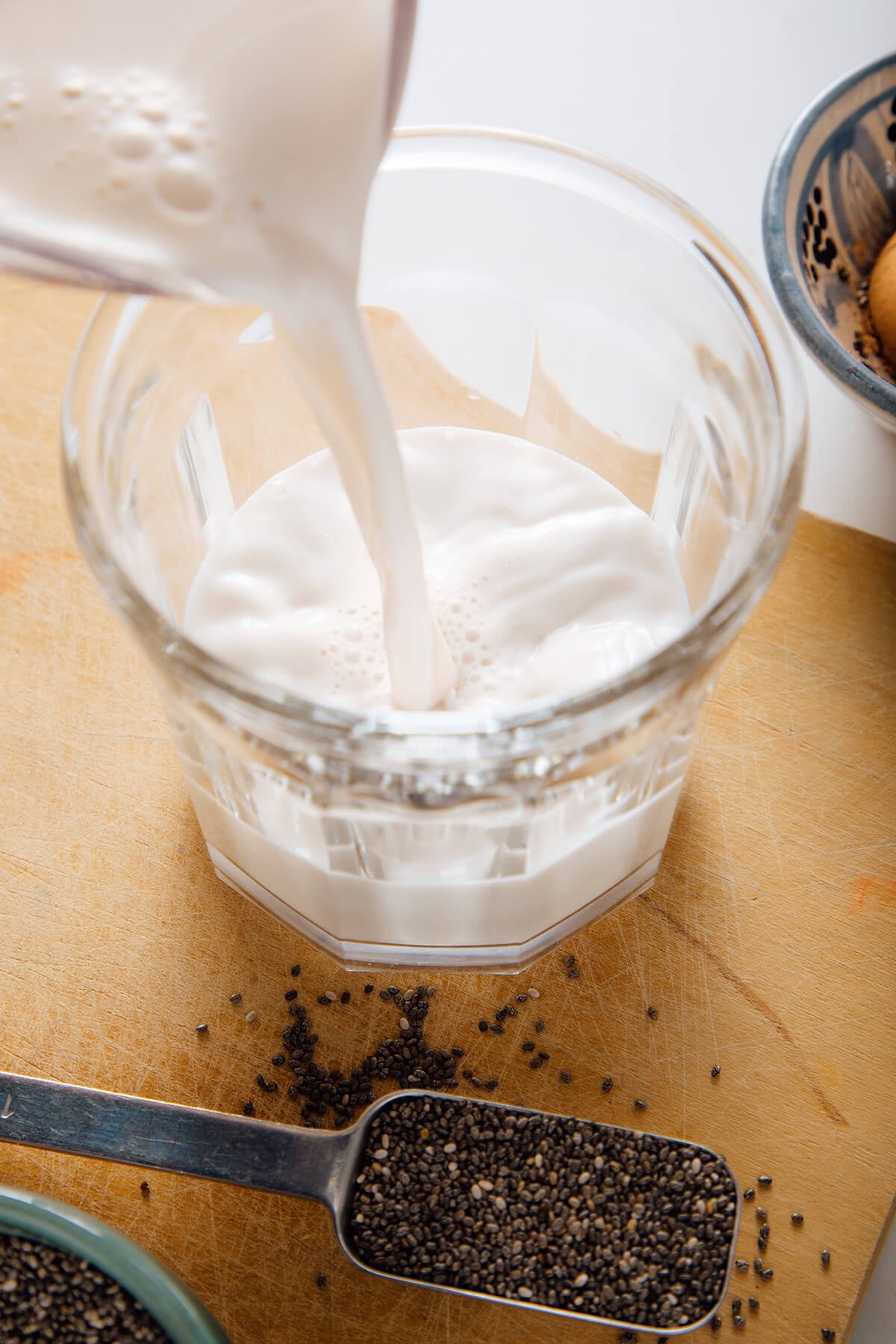
One of the most compelling aspects of this chocolate chia pudding is its remarkable simplicity, making it highly accessible to individuals of all culinary skill levels. The base recipe requires just four core ingredients: a milk of choice (such as cashew, almond, coconut, or cow’s milk), chia seeds, cocoa powder, and maple syrup. This minimalist ingredient list not only streamlines the shopping process but also underscores the pudding’s natural and wholesome character.
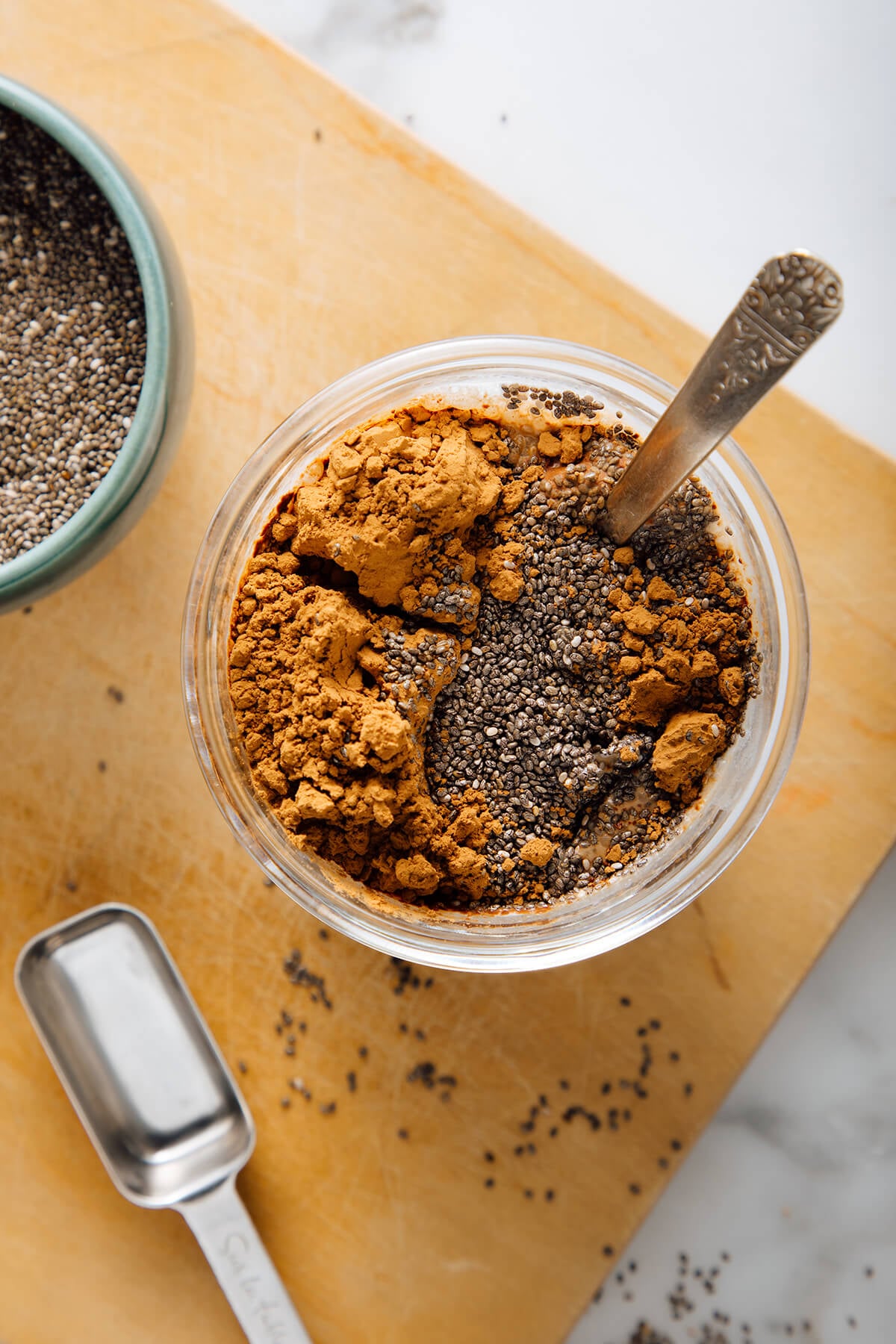
The preparation process is equally straightforward. The ingredients are merely combined and whisked together, then left to chill in the refrigerator for a minimum of two hours. During this resting period, the hydrophilic chia seeds work their "magic," absorbing the liquid and swelling to create a distinctive, subtle texture that is both creamy and satisfying. This no-cook, minimal-effort approach contrasts sharply with traditional custard puddings that often require tempering eggs, precise heating, and constant stirring to achieve the desired consistency. For busy professionals, parents, or anyone seeking to incorporate healthier options into their routine without extensive time commitment, this "set-and-forget" method is invaluable, lending itself perfectly to meal prepping for several days in advance.
Unleashing Creativity: Customization and Flavor Innovation
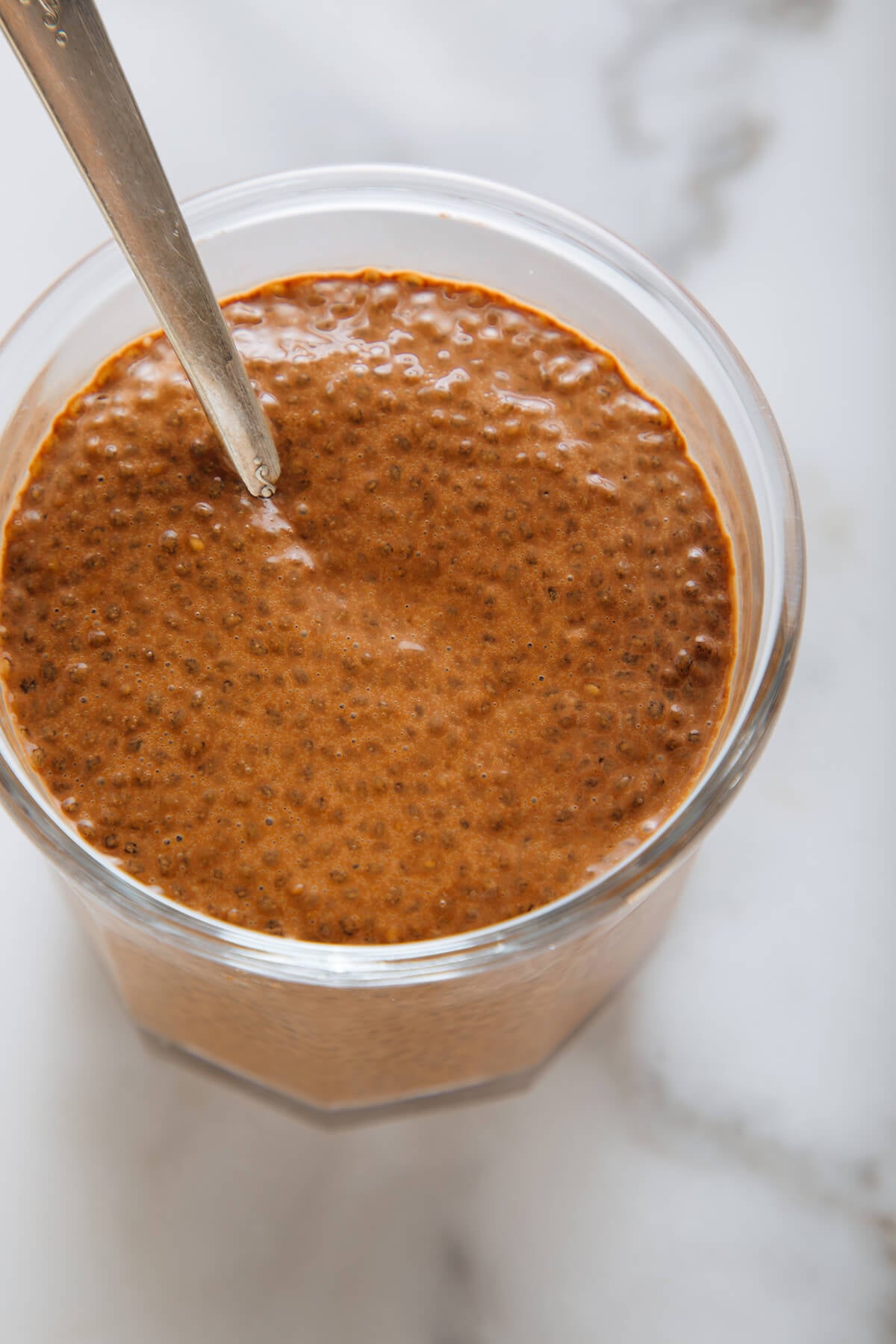
The fundamental simplicity of the chocolate chia pudding also serves as a canvas for endless culinary creativity, allowing for extensive customization to suit individual preferences and dietary needs. The recipe encourages experimentation with various flavor variations and toppings, ensuring that the pudding remains an exciting and adaptable treat.
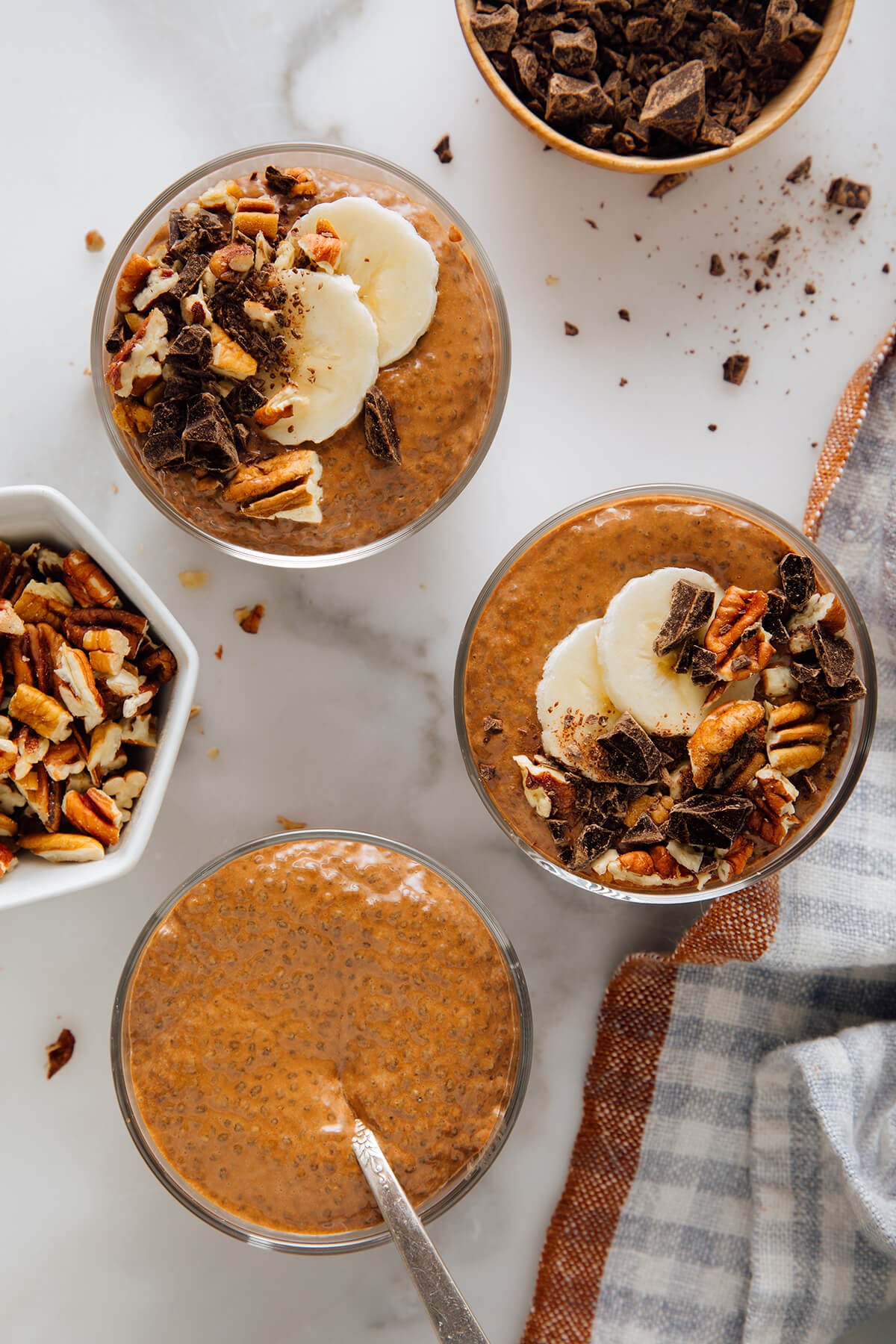
For those who prefer a milder chocolate experience, reducing the cocoa powder to a single tablespoon yields a lighter, milk chocolate flavor, which can be particularly appealing to younger palates. Conversely, for aficionados of intense chocolate, stirring in a teaspoon of chopped dark chocolate or mini chocolate chips enhances both the flavor depth and introduces an appealing textural contrast, further masking the unique texture of the chia seeds. The addition of nut butters, such as peanut or almond butter, transforms the pudding into a rich, protein-packed dessert reminiscent of popular candy bars. A slight adjustment of maple syrup may be desired to balance the savory notes of the nut butter. For individuals seeking an exceptionally smooth consistency, blending the set pudding on high speed until creamy offers a velvety texture, akin to a traditional mousse, without compromising its nutritional integrity.
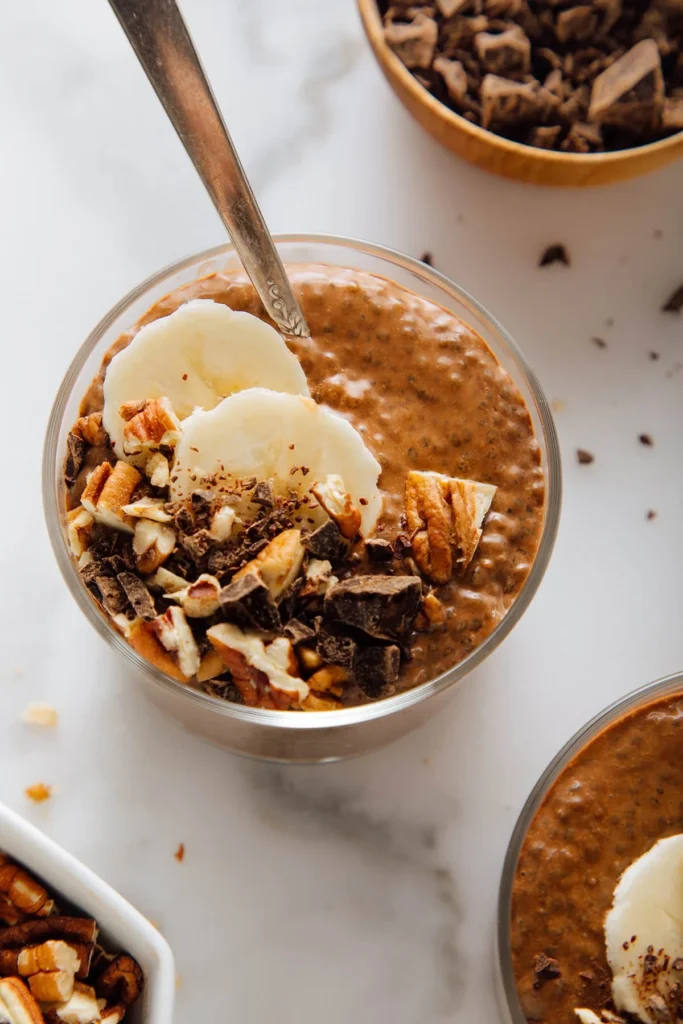
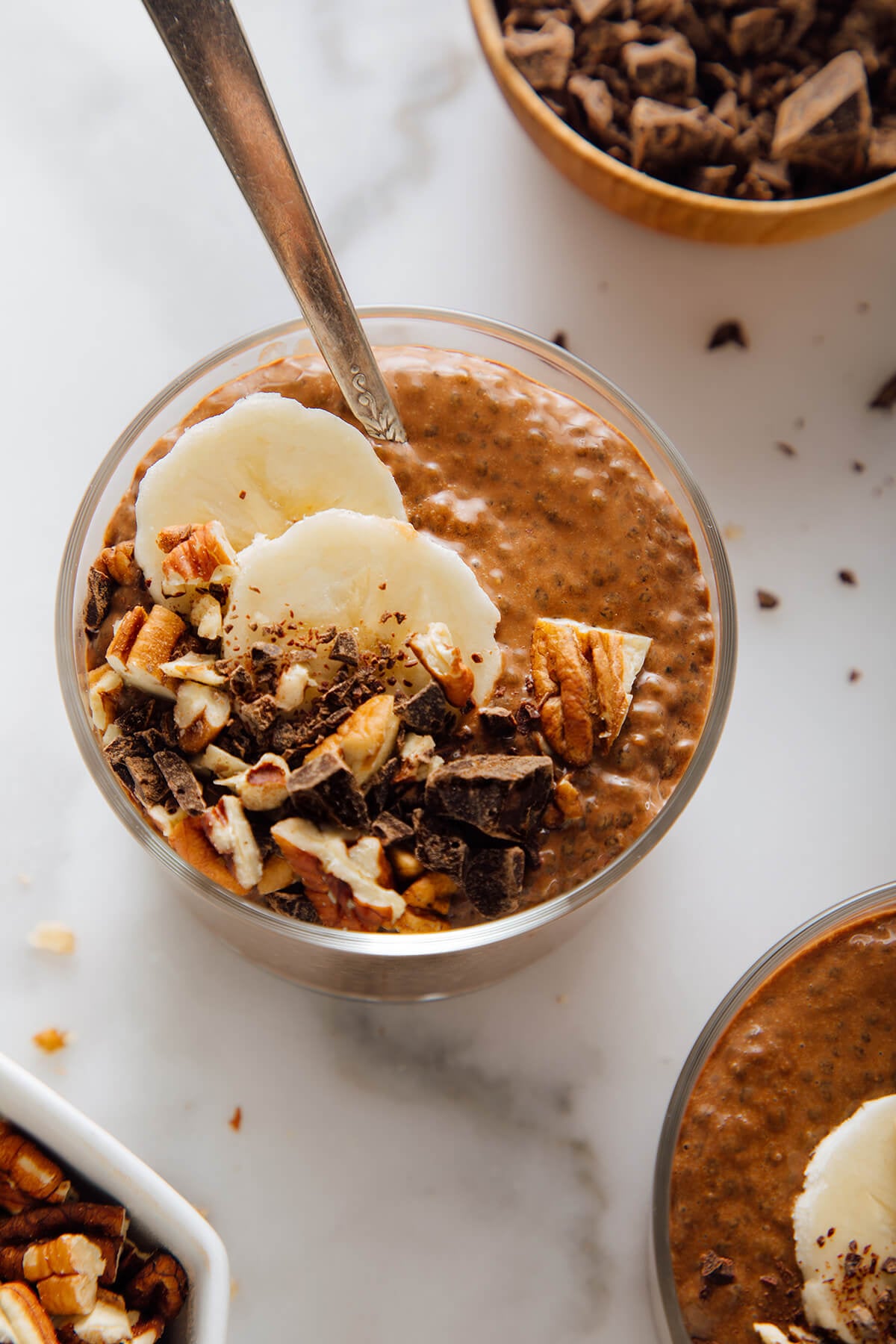
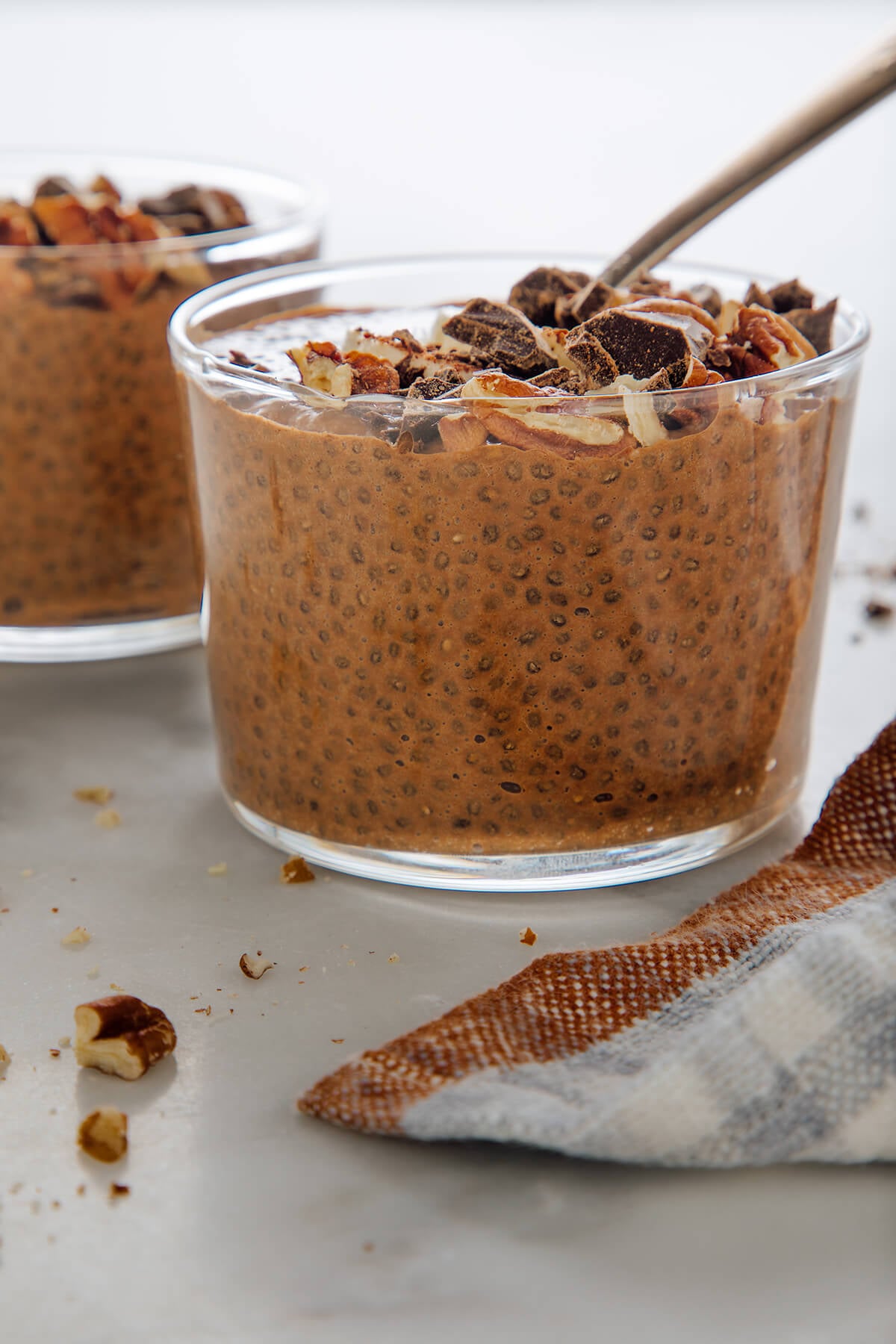
Toppings further elevate the experience, both aesthetically and nutritionally. Traditional choices like chopped dark chocolate and toasted pecans provide crunch and additional flavor complexity. Whipped cream offers a luxurious touch. For children, the pudding can be transformed into a playful "dirt pudding" by topping it with crushed cookies and gummy worms, making healthy eating an enjoyable adventure. Other popular topping suggestions include fresh berries (strawberries, raspberries, blueberries), sliced bananas, shredded coconut, granola for added crunch, or even a drizzle of extra maple syrup or a sprinkle of sea salt to enhance the chocolate notes. These myriad options ensure that the chocolate chia pudding can be tailored to virtually any taste, occasion, or dietary requirement.
Industry Insights and Expert Perspectives
The rise of recipes like chocolate chia pudding reflects a significant shift observed across the food industry. According to Dr. Elena Petrova, a leading nutritionist specializing in plant-based diets, "Chia pudding perfectly encapsulates the modern consumer’s desire for foods that are both indulgent and genuinely good for them. Its high fiber and protein content, combined with healthy fats, make it an ideal choice for satiety and sustained energy, addressing common dietary deficiencies while still satisfying cravings. This isn’t just a dessert; it’s a functional food that supports overall wellness."
Food industry analysts also acknowledge the pudding’s impact on market trends. "The convenience food sector is rapidly evolving, with a growing segment dedicated to healthy, grab-and-go options," states Mark Jensen, a senior food market analyst. "Products like pre-packaged chia puddings are gaining shelf space in supermarkets and cafes, indicating strong consumer demand for healthy alternatives that fit into busy lifestyles. This trend is also driving innovation in dairy-free and gluten-free product development, as manufacturers seek to capitalize on the versatility and broad appeal of ingredients like chia seeds." The economic implications are clear: a burgeoning market for chia seeds, alternative milks, and natural sweeteners, reflecting a sustained interest in wholesome ingredients.
The Broader Implications: A Shift in Culinary Philosophy
The widespread adoption of chocolate chia pudding and similar recipes signifies more than just a passing food trend; it represents a fundamental shift in culinary philosophy. It challenges the long-held notion that desserts must be inherently unhealthy or reserved for rare occasions. Instead, it promotes a more holistic approach to eating, where nutritional value and enjoyment are not mutually exclusive but intertwined.
This movement encourages greater mindfulness in food choices, prompting consumers to scrutinize ingredients and prioritize whole, unprocessed foods. It contributes significantly to the growth of plant-based eating, demonstrating how delicious and satisfying a diet free from animal products can be. Furthermore, the simplicity of preparing dishes like chia pudding fosters a renewed interest in home cooking. As consumers become more aware of the ingredients in their food, many are opting to prepare meals and snacks from scratch, gaining control over their dietary intake and often discovering a joy in the culinary process. This trend also has environmental implications, as plant-based diets generally have a smaller carbon footprint compared to diets heavy in animal products.

In conclusion, the chocolate chia seed pudding is more than just a recipe; it is a delicious emblem of contemporary dietary values. Its ancient origins, coupled with its modern application, highlight a journey from traditional staple to global superfood. By offering an accessible, customizable, and nutritionally rich option that delights the palate without compromise, it serves as a powerful testament to the ongoing revolution in healthy eating, proving that wholesome indulgence is not only possible but increasingly becoming the preferred standard.