









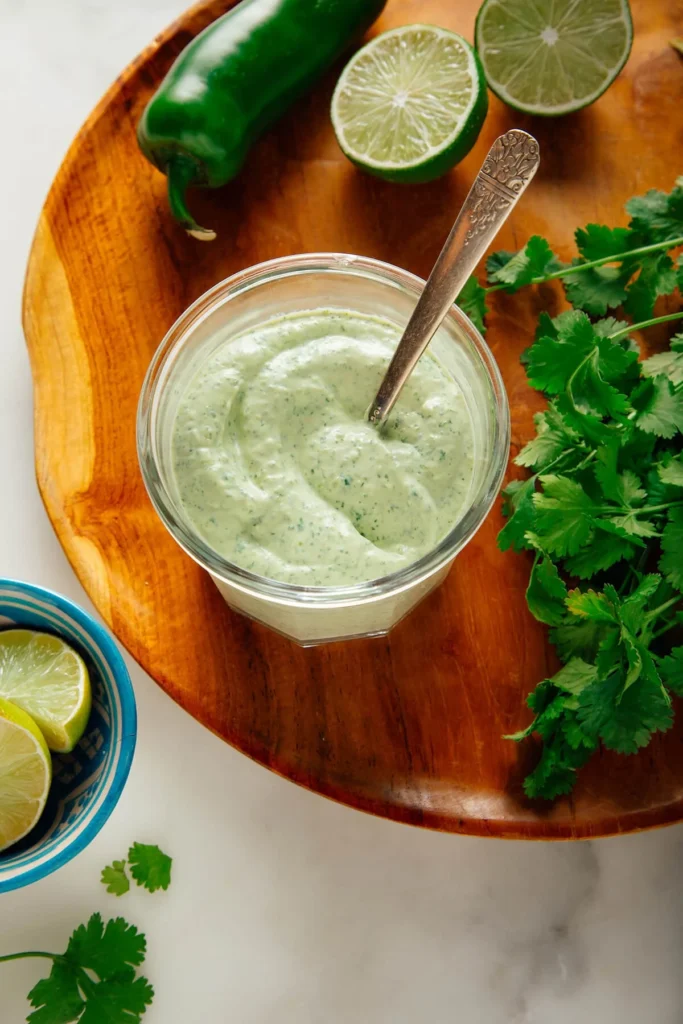
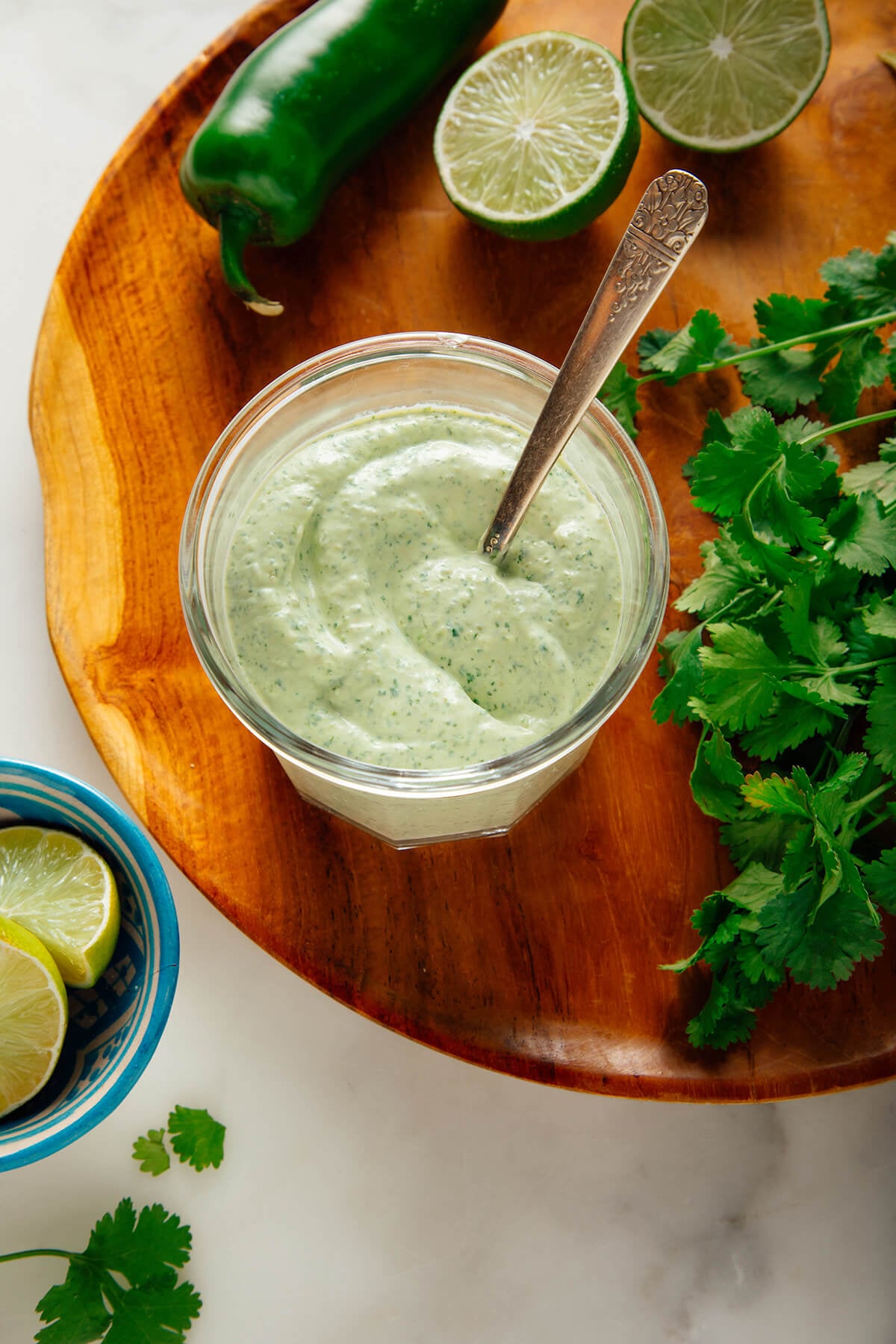
A recent culinary endeavor has successfully reverse-engineered Chipotle Mexican Grill’s highly acclaimed cilantro lime sauce, offering home cooks the opportunity to replicate its creamy, fresh, and subtly spicy profile. This initiative, undertaken by an experienced food blogger, involved meticulous analysis of Chipotle’s ingredient list and extensive taste-testing to achieve a near-identical, if not superior, homemade version. The development underscores a growing trend among consumers to recreate popular restaurant dishes at home, driven by desires for customization, cost efficiency, and fresh ingredient control.
Chipotle’s Culinary Footprint and the Allure of Signature Sauces
Chipotle Mexican Grill has long stood as a titan in the fast-casual dining sector, renowned for its commitment to "Food with Integrity" – sourcing high-quality ingredients and offering highly customizable menu options. Since its inception in 1993, Chipotle has revolutionized the perception of fast food by emphasizing fresh preparation, transparent ingredient sourcing, and a build-your-own meal format that empowers customers. This approach has not only garnered a loyal following but has also set a benchmark for quality and freshness in the industry.
Central to Chipotle’s appeal are its distinctive flavor components, particularly its sauces and salsas, which are crafted to enhance and unify the diverse ingredients of their burritos, bowls, and tacos. These condiments are more than mere accompaniments; they are integral to the Chipotle experience, providing the essential zest, creaminess, or heat that patrons have come to expect. The introduction of new items, such as the cilantro lime sauce, often generates significant consumer interest, leading to rapid integration into regular ordering habits. This particular sauce, characterized by its creamy texture, bright citrus notes, and a gentle spicy kick, has quickly become a favorite, often replacing traditional sour cream for those seeking an elevated flavor profile in their burrito bowls. The desire to reproduce such a signature item at home reflects both its popularity and the broader consumer interest in culinary self-sufficiency.
The Methodology of Reverse-Engineering: A Deep Dive into Flavor
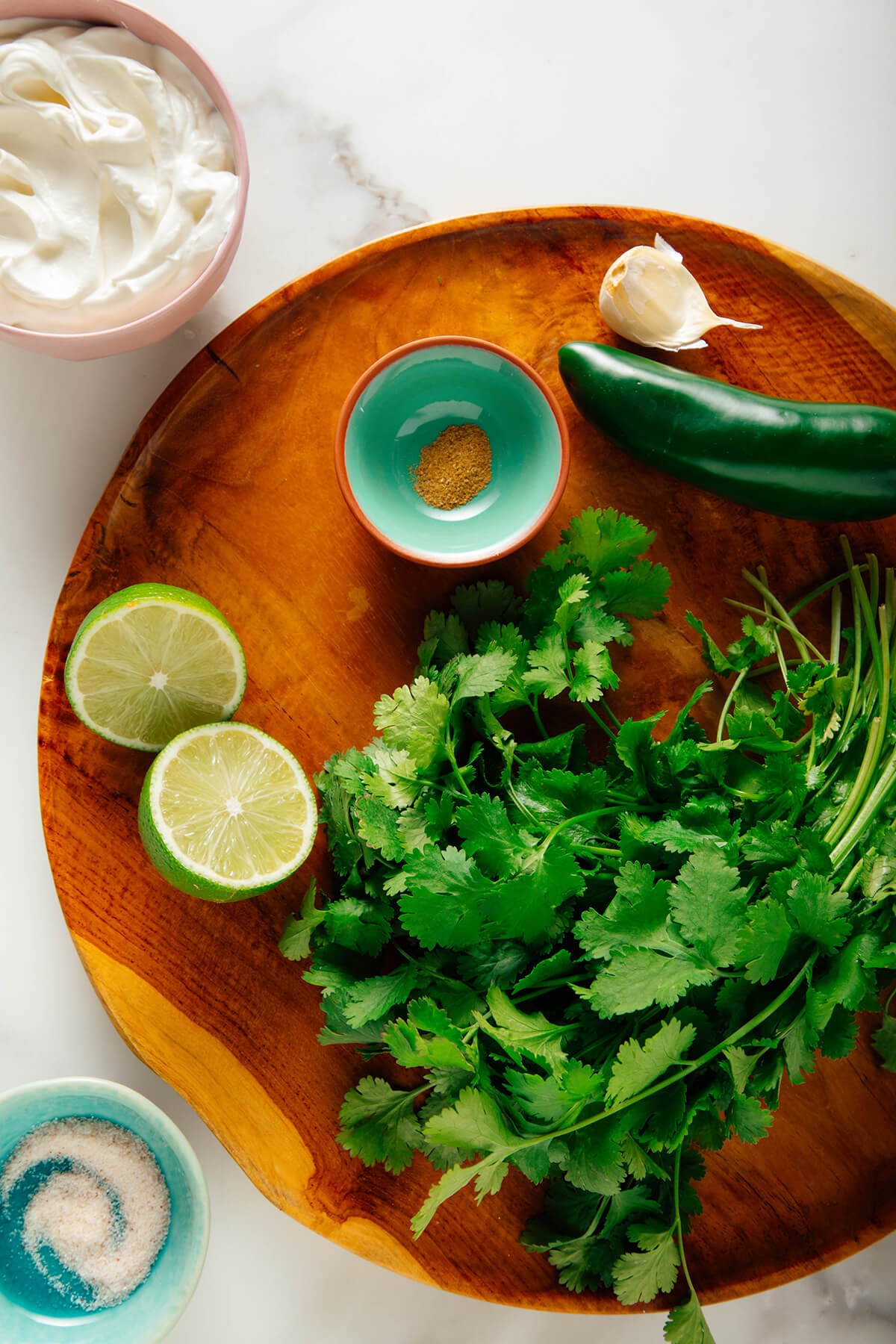
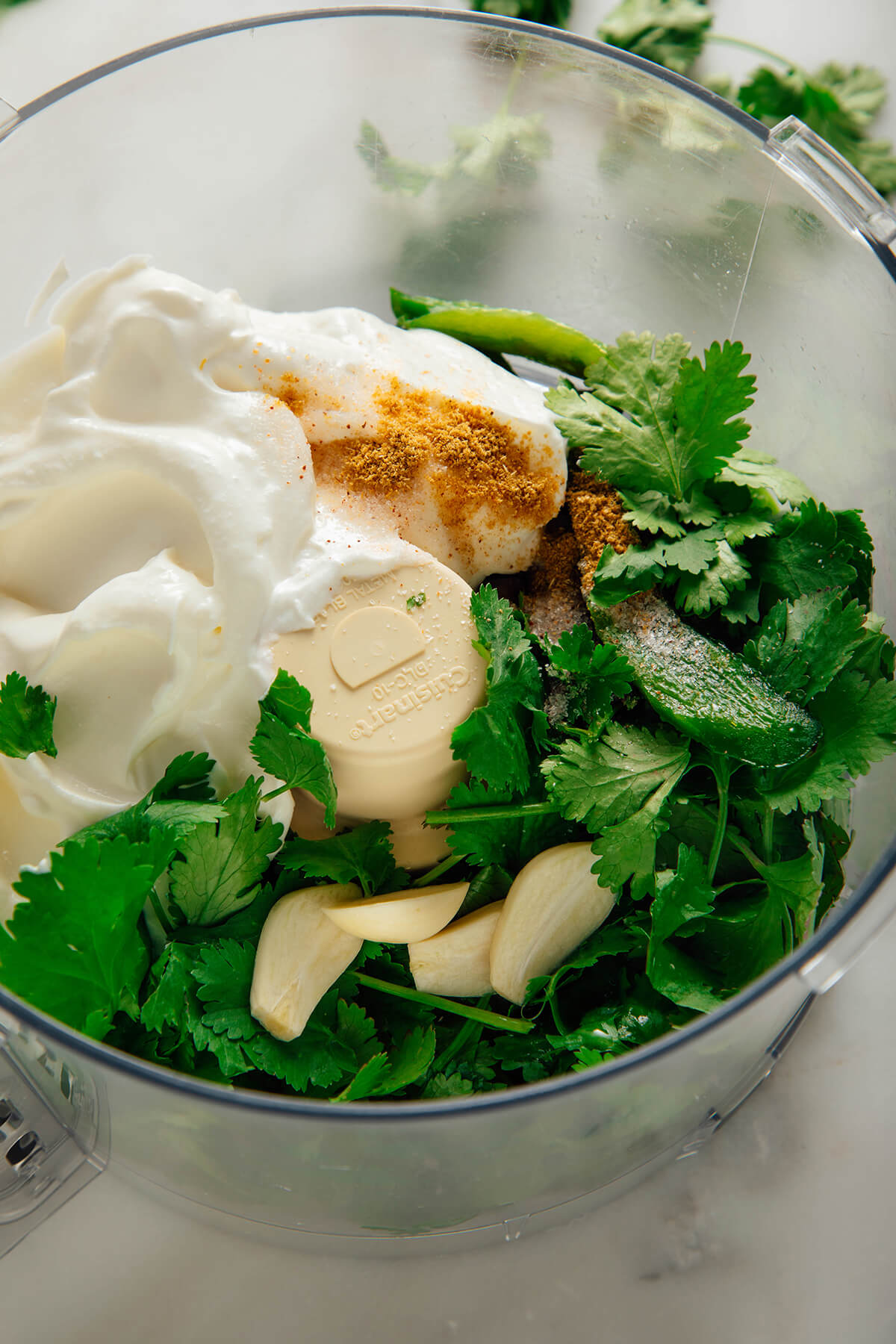
The process of reverse-engineering a restaurant recipe is a testament to culinary detective work, combining analytical rigor with sensory evaluation. For the cilantro lime sauce, the primary source of information was Chipotle’s publicly available ingredient list. This list, while comprehensive, does not typically provide proportions or specific preparation techniques, leaving a significant challenge for the home cook. The core components identified included cilantro, lime, "Mexican spices" (which the recipe developer distilled down to cumin for simplicity and authenticity), sour cream, and roasted jalapeños.
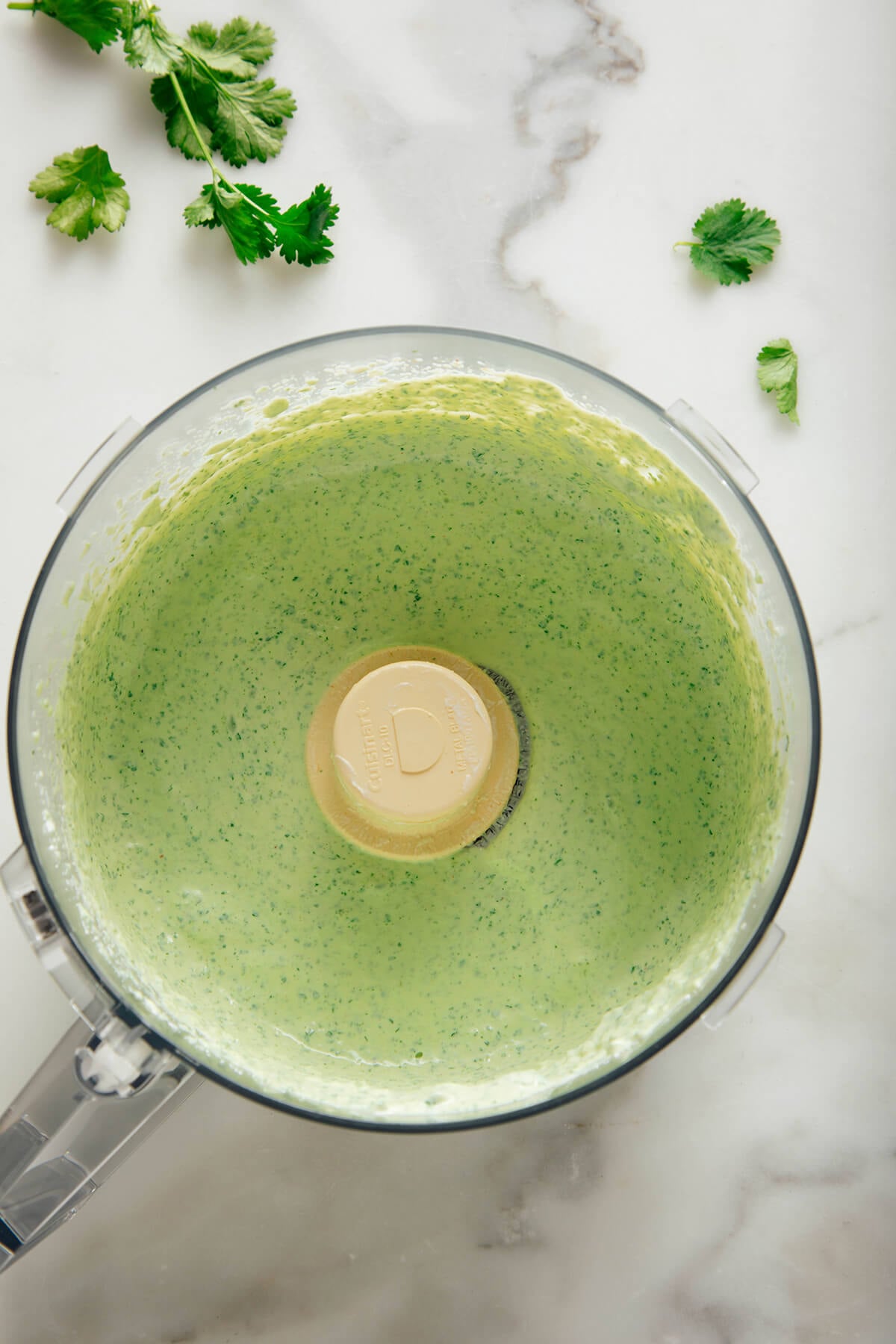
The crucial phase involved iterative experimentation with ingredient ratios. Starting with educated guesses based on common culinary practices and the perceived dominance of certain flavors in the original sauce, the developer systematically adjusted quantities of each ingredient. This iterative process, involving repeated mixing and tasting, is fundamental to achieving a balanced flavor profile that closely mimics the target. A key aspect of this development was direct comparison: tasting the homemade concoction side-by-side with the actual Chipotle sauce. This comparative analysis allowed for precise adjustments, fine-tuning the balance of acidity from the lime, the herbaceous notes of cilantro, the creaminess of the sour cream, the earthiness of cumin, and the nuanced heat from the jalapeño. The ultimate validation of the process was the developer’s assertion that the homemade version was not only indistinguishable to a significant degree but was, in personal preference, superior—a common outcome when home cooks can control the freshness and quality of each component.
This approach highlights a significant trend in contemporary food culture, where transparency in ingredient sourcing and preparation methods, often spurred by consumer demand, enables a more informed and participatory culinary experience at home. The ability to deconstruct and reconstruct complex flavors from commercial kitchens speaks to an empowered generation of home cooks.
Ingredient Deep Dive: The Symphony of Flavors
The success of the cilantro lime sauce hinges on the harmonious interplay of its core ingredients, each contributing distinct characteristics that build its signature flavor.
-
Cilantro: This herb, Coriandrum sativum, is a cornerstone of Mexican and many global cuisines. Its flavor profile is intensely aromatic, often described as fresh, citrusy, and slightly peppery. However, cilantro is famously polarizing; a genetic predisposition (OR6A2 gene) makes it taste like soap or dirt to approximately 4-14% of the population. For those who appreciate it, cilantro brings an unparalleled freshness and herbaceousness essential to the sauce’s character. Beyond flavor, cilantro is rich in antioxidants, vitamins A, C, and K, and dietary fiber, contributing a subtle nutritional boost.
-
Lime: The vibrant acidity of lime is indispensable. Citrus acids, primarily citric acid, brighten flavors, cut through richness, and act as a natural preservative. Lime juice also provides a tart counterpoint to the creaminess of the sour cream and balances the heat of the jalapeño. Nutritionally, limes are an excellent source of Vitamin C, a powerful antioxidant that supports immune function and skin health.
-
Sour Cream: As the base of the sauce, sour cream provides its characteristic creamy texture and tangy depth. Made by fermenting cream with lactic acid bacteria, sour cream offers a rich mouthfeel and a subtle tartness that complements the other ingredients. Its fat content helps to carry and distribute fat-soluble flavor compounds, enhancing the overall taste experience. For those with dietary restrictions or preferences, the recipe notes the feasibility of substituting with vegan sour cream, often made from cashews or other plant-based ingredients, which can offer a comparable texture and tang.
-
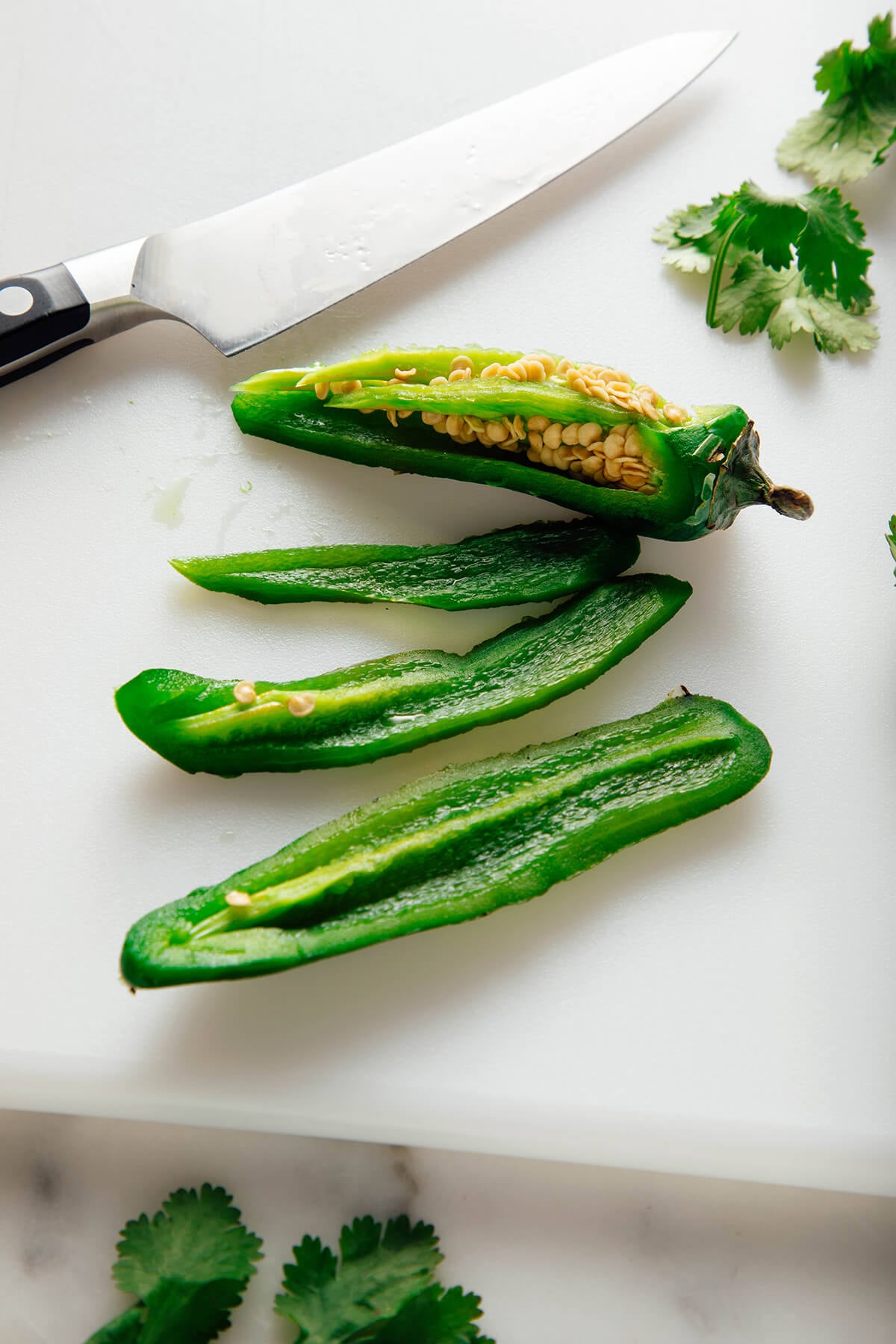
Jalapeño: This medium-sized chili pepper, Capsicum annuum, provides the sauce’s defining spicy element. Jalapeños typically register between 2,500 and 8,000 Scoville Heat Units (SHU), offering a noticeable but generally manageable level of heat. The capsaicinoids responsible for its pungency are concentrated in the white pith and seeds, allowing for precise control over spice level by adjusting their removal. Beyond heat, jalapeños contribute a fresh, slightly grassy, and earthy flavor that is crucial to the sauce’s Mexican-inspired profile.
-
Cumin: While Chipotle’s ingredient list generically refers to "Mexican spices," the recipe developer correctly identified cumin as a key contributor to the sauce’s authentic depth. Cumin, derived from the dried seed of the Cuminum cyminum plant, offers a warm, earthy, and slightly pungent flavor that is quintessential to many Mexican dishes. It adds a foundational layer of savory complexity that grounds the brighter notes of cilantro and lime.
The Art of the Charred Jalapeño: Flavor Transformation
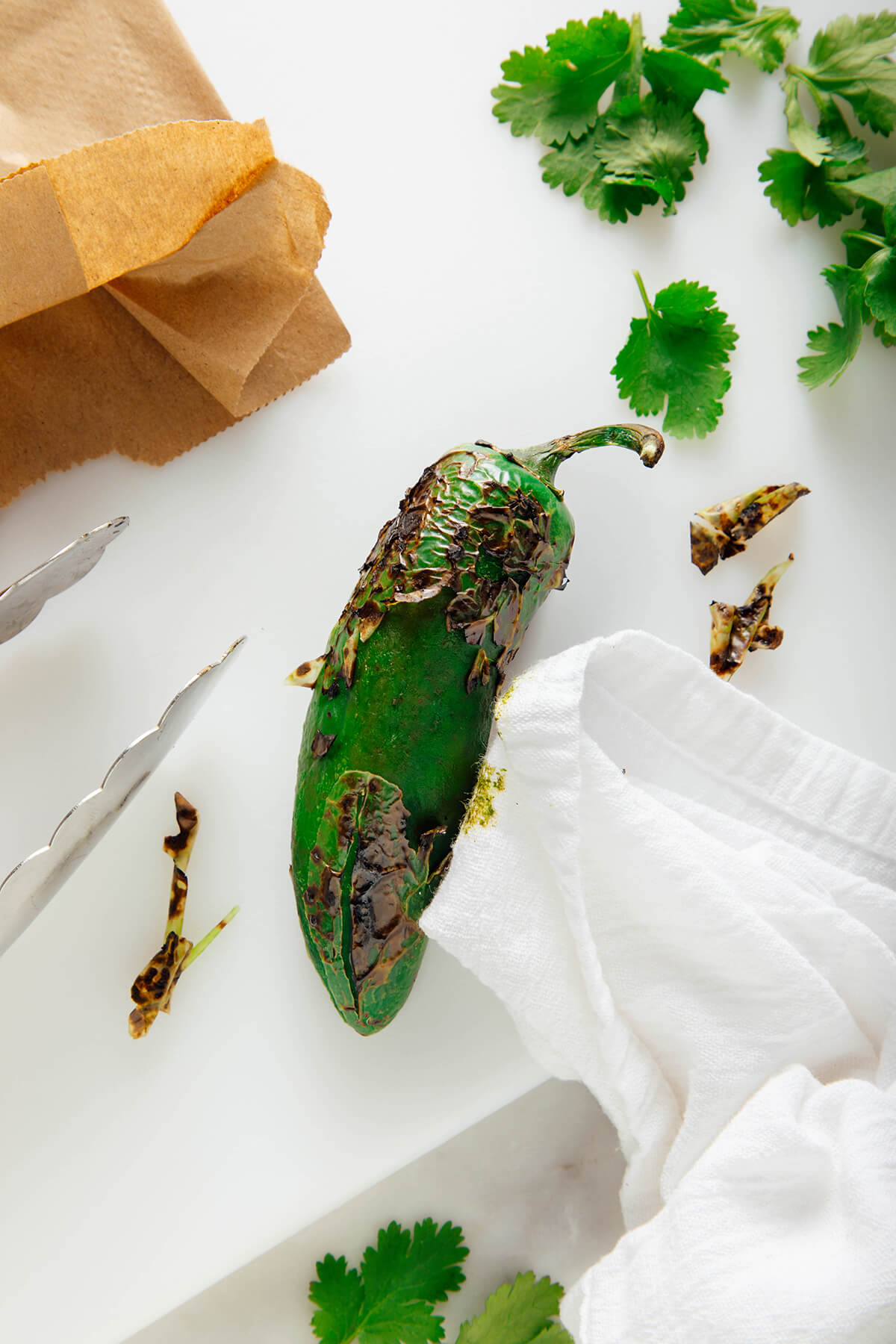
A critical element in replicating Chipotle’s sauce is the treatment of the jalapeño. The original sauce specifies "charred jalapeño," a technique that significantly alters the pepper’s flavor and texture compared to using it fresh. Charring involves exposing the jalapeño to high heat until its skin blisters and blackens, resulting in a transformative culinary effect.
- Flavor Complexity: Charring caramelizes the sugars in the pepper and induces a Maillard reaction, developing deeper, more complex, and often smoky flavors. This process mellows the raw pungency of the jalapeño, replacing it with a nuanced, roasted sweetness and a subtle smokiness that adds depth to the sauce.
- Texture and Smoothness: The intense heat softens the jalapeño’s flesh, making it easier to blend into a smooth sauce. The charred skin, once removed, contributes to a silkier final product, free from fibrous bits.
Methods for Charring:
- Over a Gas Flame: This method provides direct, intense heat. Using heat-safe tongs, the jalapeño is held a few inches directly over a medium gas flame. The goal is to achieve widespread blackening and blistering on all sides, typically taking 60 to 90 seconds per side. This method imparts a distinct smoky flavor.
- In a Skillet: For those without a gas stove, a cast iron or stainless steel skillet (non-stick is not recommended due to high heat requirements) can be used. The pepper is heated over medium-high heat until blistered and blackened on the bottom, then flipped to repeat the process on the other side. This method produces similar caramelization but generally less smokiness than direct flame.
Post-Charring Treatment: After charring, the jalapeño needs to be steamed to loosen its skin. This is typically achieved by placing the hot pepper in a small paper bag or a bowl covered with plastic wrap for about 10 minutes. The trapped steam facilitates easy removal of the charred outer layer, which is then wiped off with a clean tea towel. The green flesh is then sliced into smaller pieces, ready for blending.
Fresh vs. Charred Jalapeño: A Flavor Spectrum: While charring is authentic to Chipotle’s recipe, using fresh jalapeño is a viable alternative for those seeking convenience or a different flavor profile. Fresh jalapeño offers a bolder, brighter, and often spicier kick. Due to the potentially higher heat, it is advisable to start with half a pepper and gradually add more to taste, ensuring the desired spice level without overwhelming the palate. The choice between fresh and charred allows for significant customization, catering to varying preferences for heat and flavor complexity.
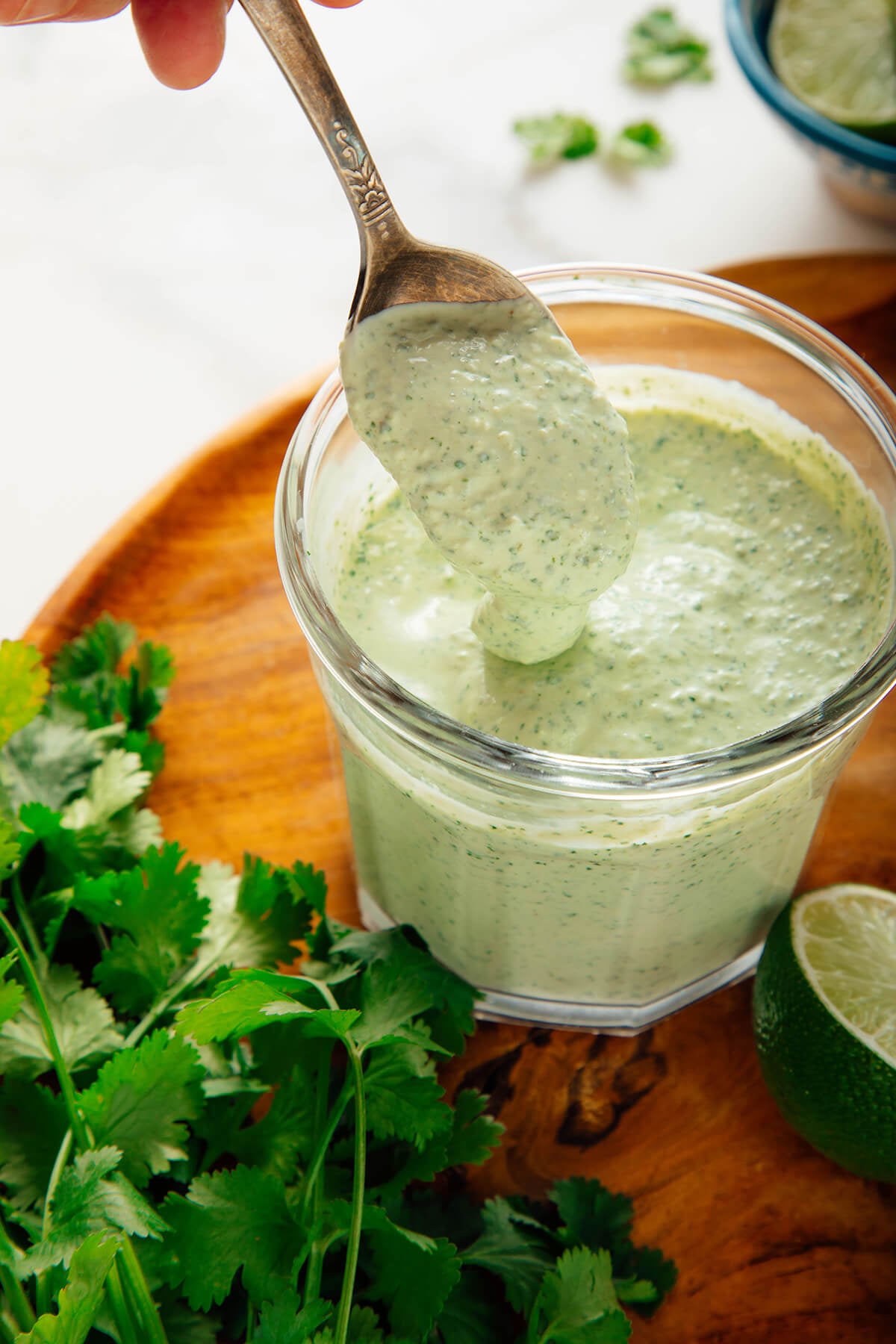
Customization and Dietary Adaptations: Catering to Every Palate
A significant advantage of homemade sauces is the ability to tailor them to individual preferences and dietary needs.
- Spice Level Control: The amount of jalapeño used directly determines the heat level of the sauce. For those sensitive to spice, starting with a minimal amount of jalapeño (e.g., half a fresh pepper or a small portion of a charred one) and gradually adding more after initial blending allows for precise control. While the jalapeño is a key flavor component, its quantity can be adjusted without compromising the sauce’s fundamental character.
- Dairy-Free and Vegan Options: The increasing demand for plant-based alternatives is easily accommodated. Substituting traditional sour cream with a high-quality vegan sour cream, often made from cashews, almonds, or tofu, allows the sauce to be enjoyed by individuals following dairy-free or vegan diets. The recipe developer specifically suggests using their own vegan sour cream recipe, indicating the feasibility and quality of such substitutions.
- Nutritional Transparency: While the article provides a nutrition estimate, it correctly emphasizes that such information is provided by online calculators and should not replace professional nutritionist advice. This disclaimer reflects a responsible approach to health information in culinary contexts, empowering individuals to make informed choices based on their specific dietary requirements.
Beyond the Bowl: Versatile Applications of Cilantro Lime Sauce
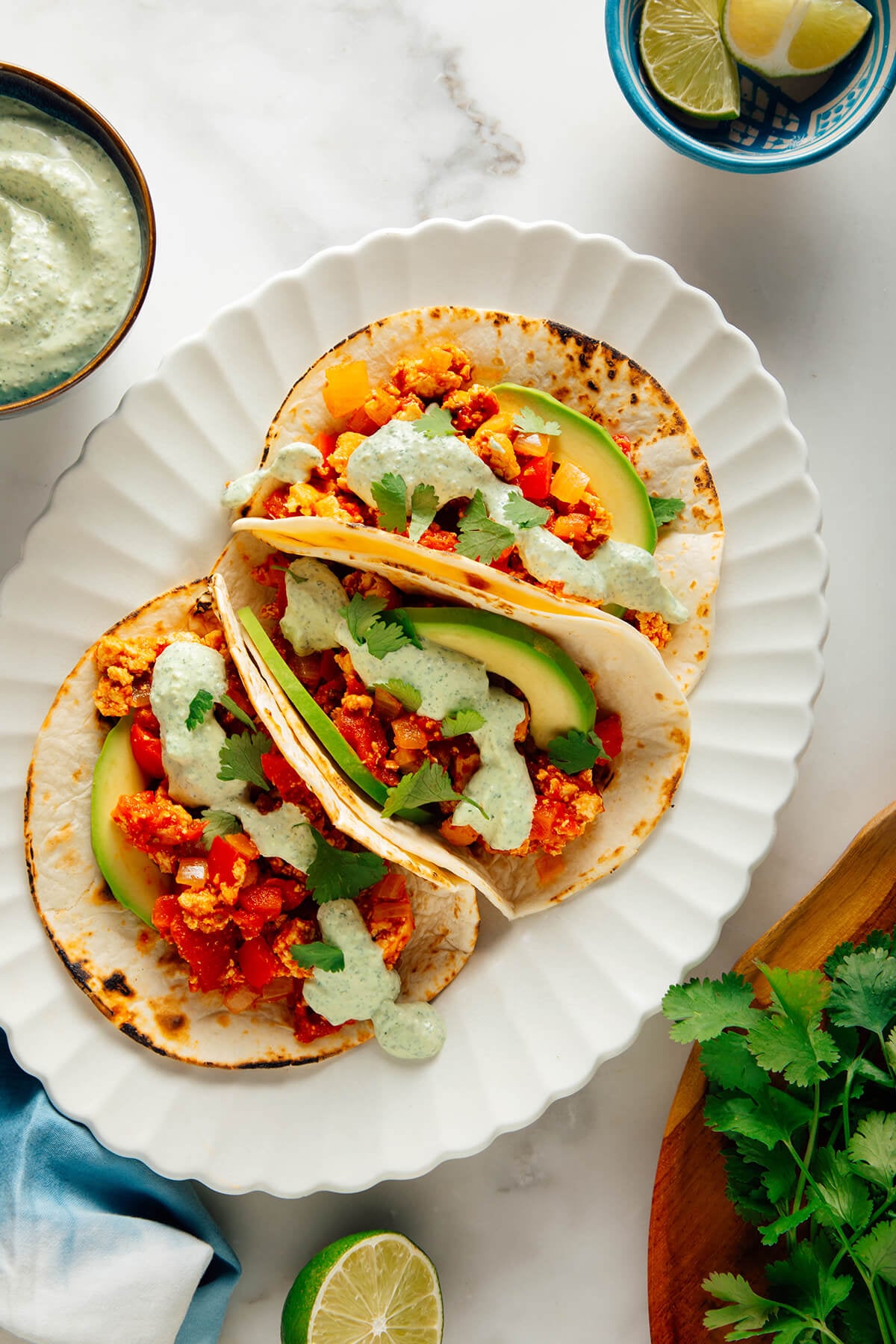
The utility of a well-crafted sauce extends far beyond its original inspiration. While perfect for enhancing burrito bowls, tacos, nachos, and quesadillas, the homemade cilantro lime sauce boasts remarkable versatility.
- Mexican Cuisine Enhancer: It serves as an exceptional condiment for virtually any Mexican-inspired dish, elevating the flavors of black bean tacos, chicken enchiladas, or even simple tortilla chips. Its creamy, tangy profile provides a refreshing counterpoint to richer, spicier dishes.
- Salad Dressing Transformation: By adding a dollop of mayonnaise (or vegan mayo for dairy-free versions), the sauce can be thinned into a vibrant and flavorful salad dressing, perfect for brightening up leafy greens or grain bowls.
- Marinade and Drizzle: Its robust flavor makes it an excellent candidate for a marinade for chicken, fish, or plant-based proteins, infusing them with zesty, herbaceous notes. As demonstrated by the author’s husband, it can also be treated akin to chimichurri, drizzled over grilled meats like steak, providing a fresh, herbaceous finish. Its versatility also extends to roasted vegetables, lending a bright counterpoint to their earthy flavors.
- Creative Pairings: The sauce’s balanced profile allows for creative pairings in unexpected culinary contexts. It could be incorporated into wraps, sandwiches, or even as a dip for crudités, showcasing its adaptability across various meal types.
The Broader Impact: Home Cooking, Culinary Empowerment, and the Food Blog Phenomenon
The success of a recipe like the homemade cilantro lime sauce speaks volumes about the current state of home cooking and the influential role of food blogs. In an era where consumers are increasingly health-conscious and budget-aware, cooking from scratch has seen a resurgence. Food blogs and online recipe platforms have become invaluable resources, offering detailed instructions, visual guides, and often, the personal insights of passionate cooks.

This phenomenon represents a democratization of culinary knowledge, empowering individuals to move beyond pre-packaged meals and explore the joys of creating fresh, flavorful dishes at home. The ability to recreate restaurant favorites not only offers economic benefits by reducing dining-out expenses but also provides a sense of accomplishment and creative fulfillment. Moreover, it allows for greater control over ingredients, enabling healthier choices and accommodating specific dietary restrictions or allergies. The collaborative nature of online food communities, where cooks share experiences and modifications, further enriches this culinary landscape.
In conclusion, the successful reverse-engineering of Chipotle’s cilantro lime sauce is more than just a recipe; it is a microcosm of broader culinary trends. It exemplifies the blend of analytical skill and sensory artistry required in recipe development, highlights the transformative power of specific cooking techniques like charring, and underscores the growing desire among consumers for customizable, fresh, and high-quality home-cooked meals. This development contributes significantly to the repertoire of home cooks, offering a versatile, delicious sauce that can elevate countless dishes and reinforces the ongoing empowerment of the home kitchen.