







The annual ENDO 2026 meeting in Chicago served as a premier stage for the next generation of endocrine researchers, highlighted by the highly anticipated Rising Star Power Talks. This year’s event, hosted by the Endocrine Society’s Trainee and Career Development Committee (TCDCC), showcased fifteen early-career and in-training members who presented high-impact research in a fast-paced, competitive format. Among the distinguished group of presenters, Dillon Boulton, PhD, a postdoctoral fellow at the University of Colorado – Anschutz Medical Campus, emerged as the winner in the Translational Science category. His research into the modulation of the tumor immune microenvironment in breast cancer represents a significant step forward in addressing therapeutic resistance in one of the world’s most prevalent diseases.
The Evolution and Intensity of the Rising Star Power Talks
The Rising Star Power Talks, formerly known as the "Knockout Rounds," have evolved into a cornerstone of the ENDO annual meeting. The competition is designed to test not only the scientific rigor of the participants’ research but also their ability to communicate complex data with precision and clarity. Each presenter is allotted exactly three minutes to deliver their findings, supported by a single projected slide that transitions automatically to keep the pace unrelenting. Following the presentation, a two-minute question-and-answer session allows judges and peers to probe the depth of the investigator’s knowledge.
This "blitz" style of communication is increasingly vital in a scientific landscape where the ability to synthesize data for diverse audiences—ranging from academic peers to industry investors—can determine the trajectory of a research project. The 2026 session in Chicago was characterized by its high energy and the inclusion of a revamped judging panel. For the first time, the TCDCC integrated perspectives from major industry partners, including representatives from Crinetics, Argenx, and Abbvie. This strategic inclusion aimed to bridge the gap between academic discovery and commercial development, ensuring that the presented science was evaluated for both its intellectual merit and its potential for clinical application.
Translational Science Spotlight: Dillon Boulton and ER+ Breast Cancer
Dr. Dillon Boulton’s victory in the Translational Science category underscores the critical need for new strategies in treating Estrogen Receptor-positive (ER+) breast cancer. ER+ breast cancer accounts for approximately 80% of all breast cancer diagnoses, making it the most common subtype worldwide. While current endocrine therapies, such as Tamoxifen, Fulvestrant, and aromatase inhibitors, are highly effective in the short term, the long-term prognosis remains a challenge for many.
Data suggests that at least 20% of patients—and significantly more in cases involving lymph node metastasis—will experience a relapse within ten years of their initial diagnosis. Once the disease reaches a metastatic stage, it is generally considered incurable. Dr. Boulton’s work, conducted within the Department of Pathology at the University of Colorado, seeks to dismantle the mechanisms that allow these tumors to persist and spread despite standard treatments.
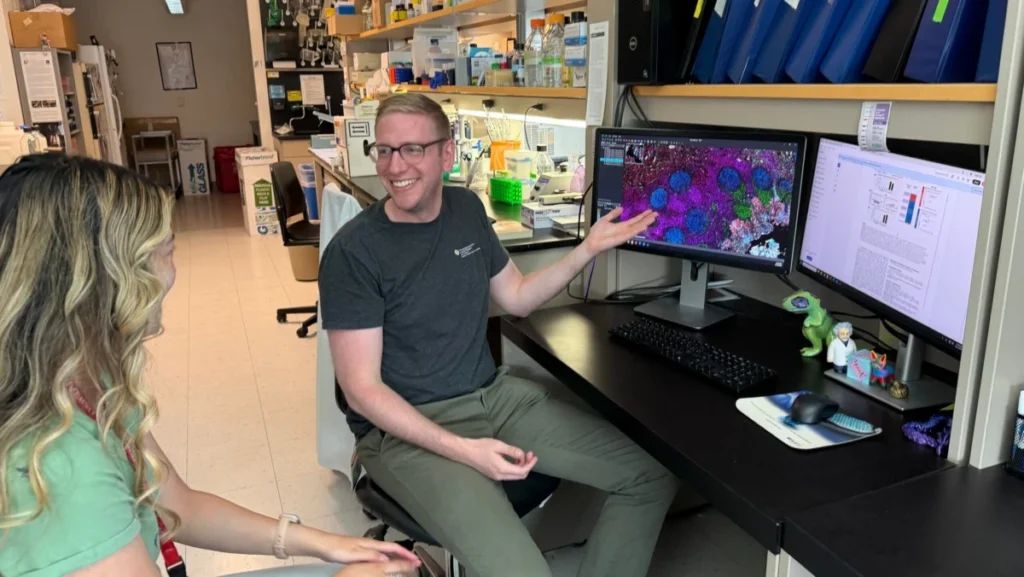
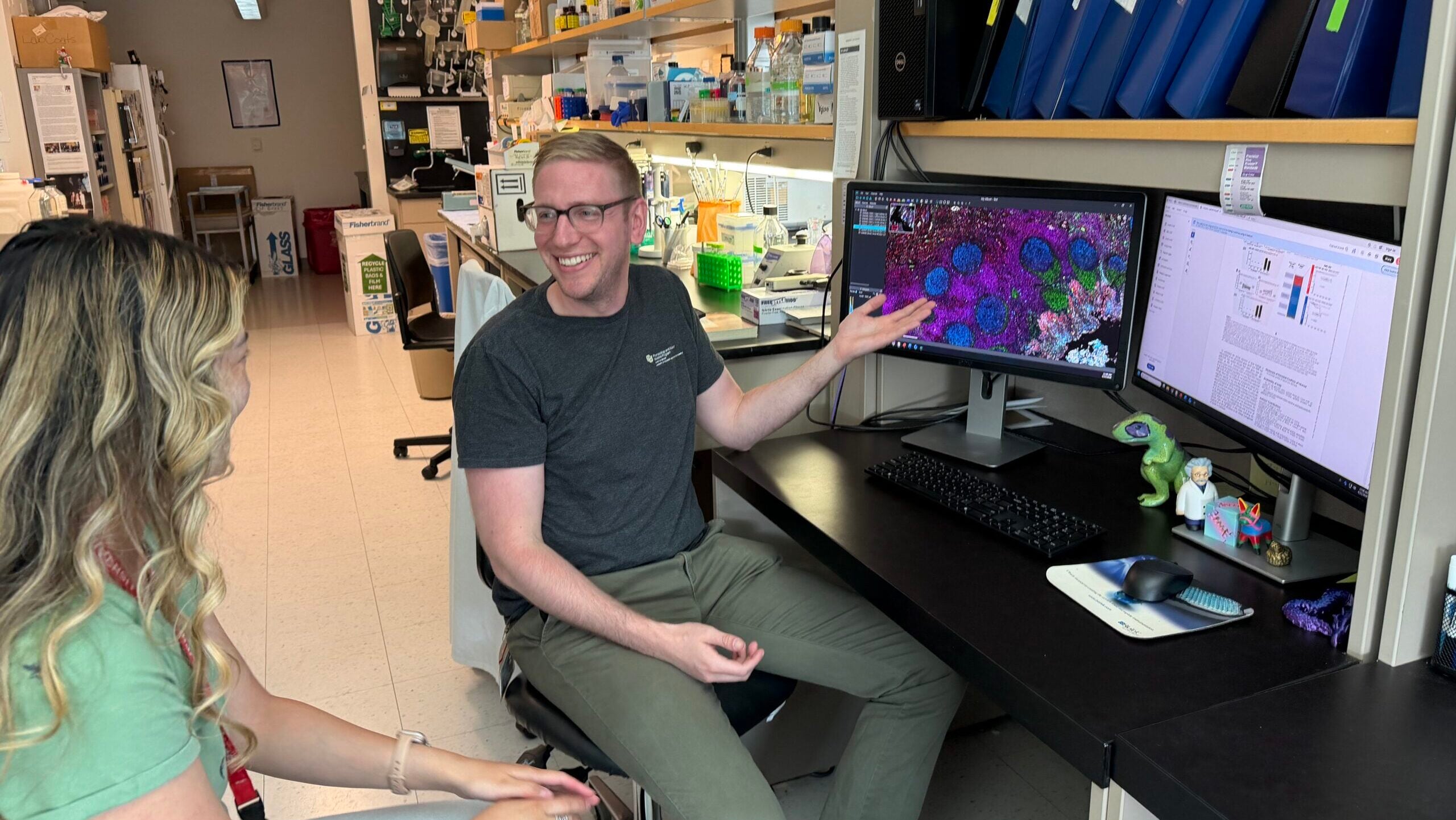
The core of Dr. Boulton’s research involves the Androgen Receptor (AR) and its influence on the Tumor Immune Microenvironment (TIME). While much of the historical focus in breast cancer research has remained on the estrogen receptor, the role of androgens has emerged as a complex and vital area of study. Dr. Boulton’s findings suggest that AR activity can modulate the immune environment surrounding a tumor, shifting it toward an anti-inflammatory, pro-tumor state that effectively "hides" the cancer from the body’s natural immune defenses.
Bridging the Gap in Immunotherapy
One of the most significant hurdles in modern oncology is the fact that ER+ breast cancer is largely non-responsive to existing immunotherapies, such as checkpoint inhibitors, which have revolutionized the treatment of melanoma and lung cancer. These tumors are often described as "cold," meaning they lack the immune cell infiltration necessary for immunotherapy to be effective.
Dr. Boulton’s research utilizes matched patient samples from a recently completed Phase II clinical trial to demonstrate how targeting the Androgen Receptor can "reinvigorate" the immune microenvironment. By antagonizing the AR, his team observed a decrease in inhibitory immune cells and an increase in tertiary lymphoid structures—organized aggregates of immune cells that are associated with better patient outcomes and enhanced anti-tumor activity.
"By understanding the fascinating interplay between hormones and their receptors in both cancer cells and the surrounding immune cells, we seek to open new treatment avenues for ER+ breast cancer," Boulton noted during the event. This translational approach is essential for moving discoveries from the laboratory bench to the patient’s bedside, potentially transforming "cold" tumors into "hot" ones that can be successfully targeted by the body’s immune system.
A Chronology of Scientific Achievement at ENDO 2026
The Rising Star Power Talks are the culmination of months of rigorous selection. The process begins with the submission of abstracts by early-career investigators from across the globe. From hundreds of submissions, the TCDCC selects the top fifteen candidates based on the innovation, methodology, and potential impact of their work.
The winners of the 2026 competition represented a diverse array of institutions and specialties:
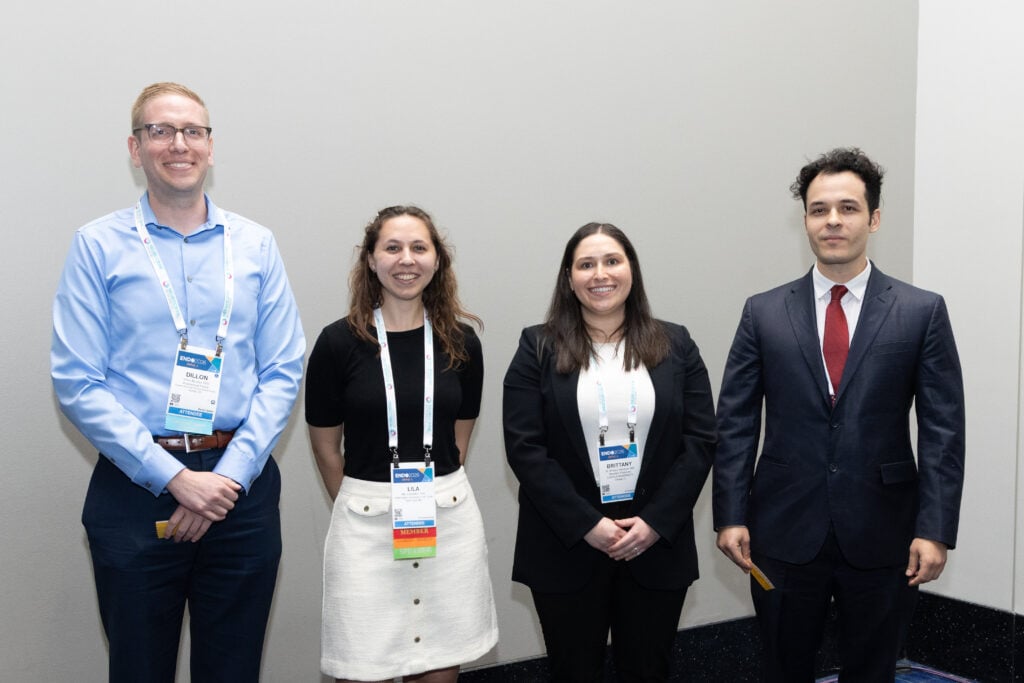
- Basic Science: Lila Dabill, a PhD student at Washington University in St. Louis.
- Clinical Science: Brittany Weisbrot, an internal medicine resident at Loyola University Medical Center.
- Translational Science: Dillon Boulton, PhD, University of Colorado – Anschutz Medical Campus.
- Audience’s Choice: Konstantinos Stefanakis, MD, PhD candidate and cardiology fellow at Harvard Medical School/Beth Israel Medical Center.
The inclusion of an "Audience’s Choice" award highlights the interactive nature of the event, allowing the broader endocrine community to weigh in on which research they found most compelling. This peer-driven recognition is a significant accolade for early-career scientists looking to establish their reputation in the field.
The Role of Industry and Institutional Support
The shift in the judging panel at ENDO 2026 to include industry experts like Christine Krieger, PhD, of the NIDDK, and representatives from pharmaceutical giants, signals a broader trend in the scientific community toward collaborative innovation. Nichole Ehrhardt, MD, co-medical director of the Seattle Clinical Research Center and TCDCC co-chair, emphasized that visibility and community are the primary drivers of success for emerging investigators.
"For early investigators, visibility matters—but so do connection and community," Ehrhardt stated. The Rising Star platform allows researchers to showcase their work to potential collaborators and mentors who can provide the resources necessary for large-scale clinical trials. For Dr. Boulton, the Endocrine Society has provided a consistent platform for this dissemination, including the publication of his previous work on AR-mutant breast cancer in the journal Endocrinology.
Broader Implications for the Field of Endocrinology
The research presented at the Rising Star Power Talks has implications far beyond the immediate findings of each individual study. In the case of Dr. Boulton’s work, the focus on "hormonal crosstalk"—how different receptors like ER and AR interact—could lead to a paradigm shift in how clinicians approach hormone-driven cancers. It suggests that a more holistic understanding of the endocrine system is required to overcome drug resistance.
Furthermore, the success of the Rising Star format demonstrates the importance of soft skills in the scientific profession. The ability to defend one’s research under pressure and to communicate its value in a concise manner is a skill set that the Endocrine Society continues to prioritize through its Trainee and Career Development Committee.
As the scientific community looks toward the future, the findings shared at ENDO 2026 provide a roadmap for the next decade of endocrine research. For patients with ER+ breast cancer, the work of researchers like Dr. Boulton offers a glimmer of hope that the next generation of therapies will be more durable, more effective, and more personalized.
Looking Ahead: The Future of Translational Discovery
Following his win in Chicago, Dr. Boulton plans to continue his investigation into the mechanisms by which the Androgen Receptor suppresses immune responses. The next phase of his research will focus on determining whether the pro-tumor effects of AR are a result of direct action within immune cells or indirect signaling from the tumor itself through immunosuppressive factors.
The ultimate goal remains the optimization of treatment regimens to increase the effectiveness of immunotherapies in breast cancer. As these "Rising Stars" continue to advance in their careers, the foundations laid during the Power Talks at ENDO 2026 will likely serve as the catalyst for the medical breakthroughs of tomorrow. The event stands as a testament to the Endocrine Society’s commitment to fostering talent and ensuring that high-quality science receives the national platform it deserves.