


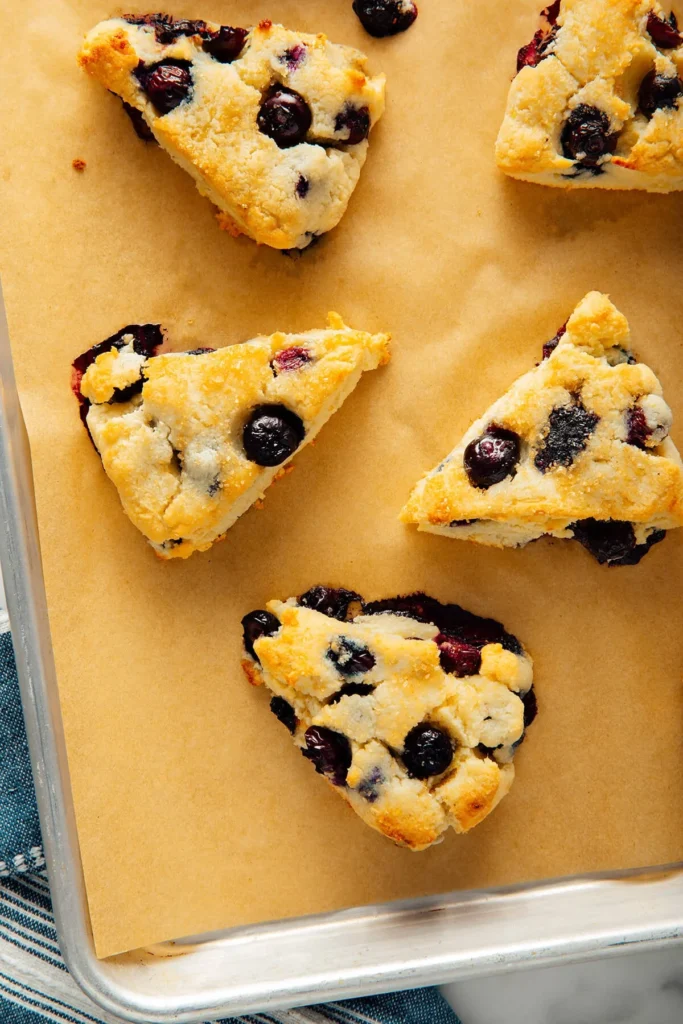
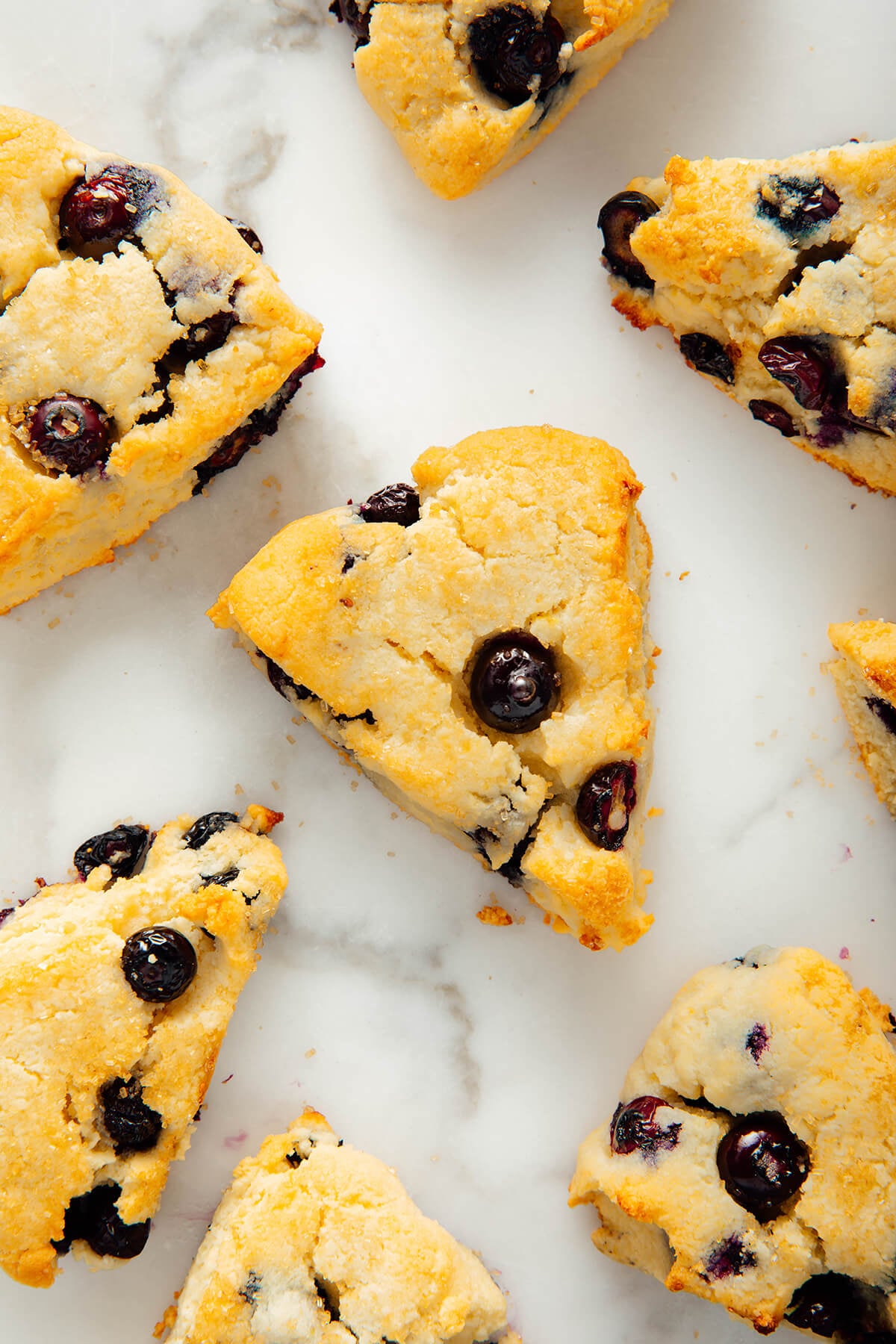
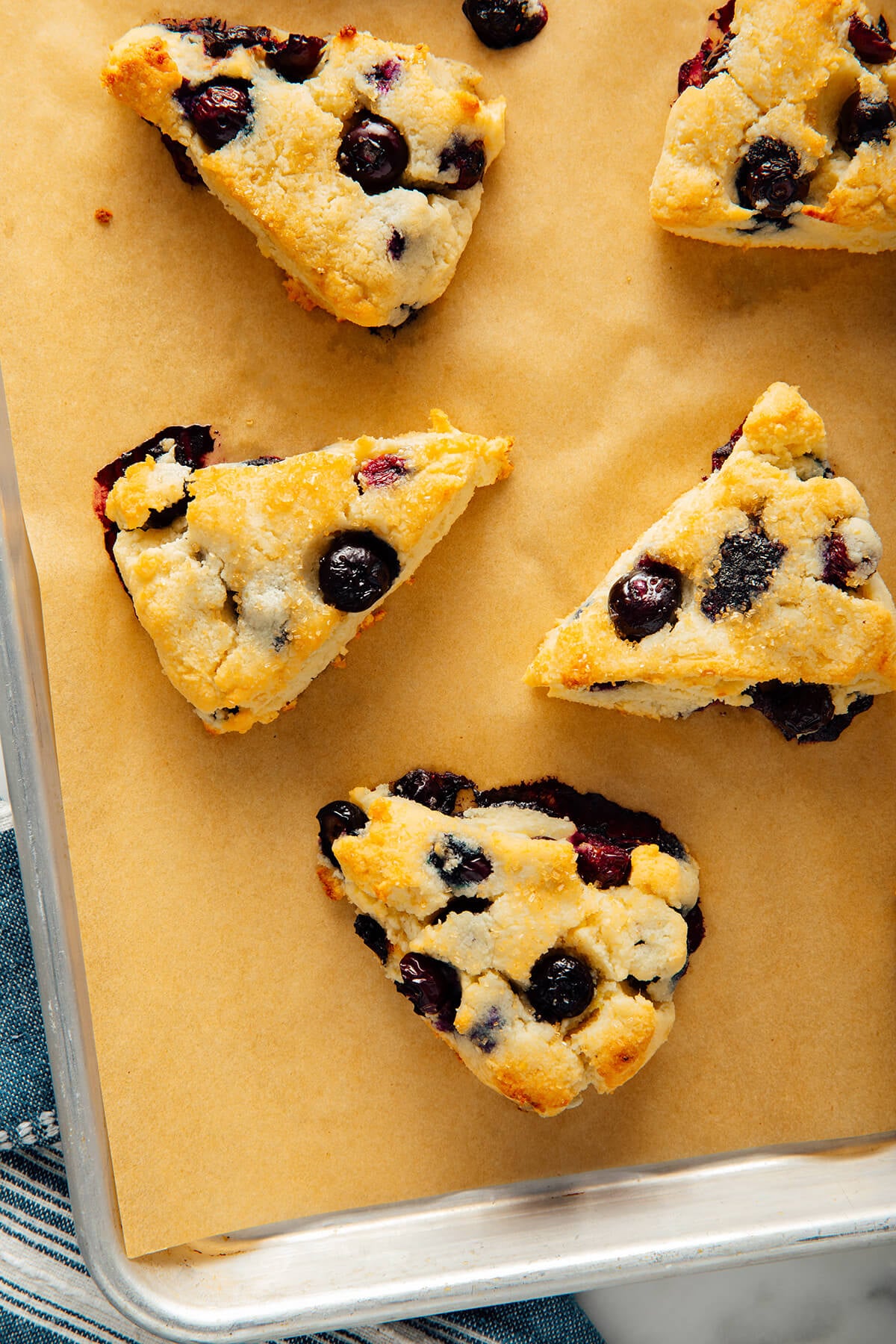
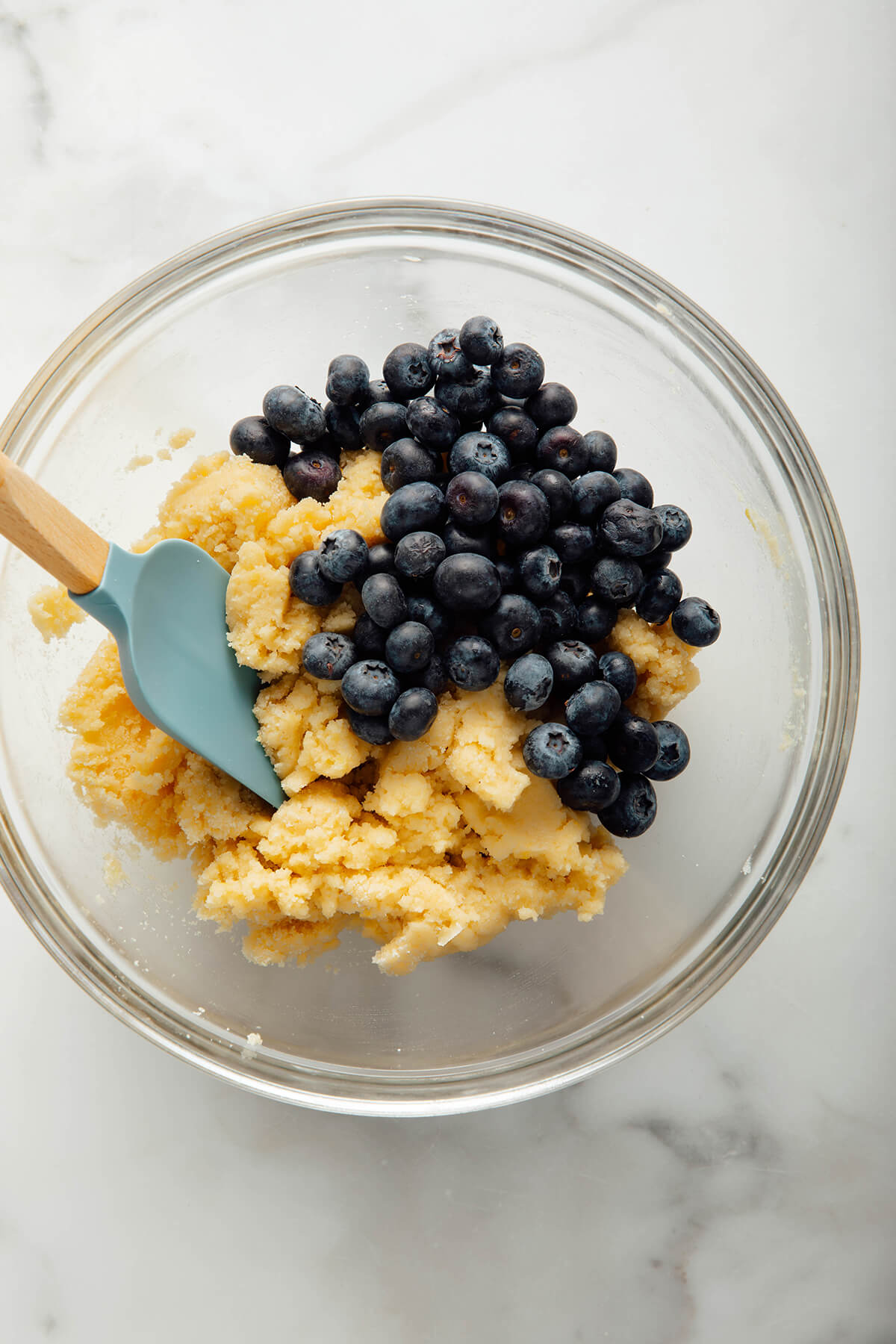
A significant development in the realm of gluten-free baking has emerged with the introduction of a meticulously crafted almond flour scone recipe, poised to elevate the standards for texture and flavor in alternative baking. This new formulation promises a culinary experience on par with, if not superior to, traditional wheat-based scones, distinguishing itself through perfectly tender interiors and golden, lightly crisp exteriors. Infused with jammy blueberries, bright lemon zest, and a delicate sprinkle of raw sugar, these scones are presented as a compelling choice for all consumers, regardless of dietary restrictions. The recipe not only caters to the growing demand for gluten-free options but also appeals to a wider audience seeking wholesome, lower-carbohydrate baked goods without compromising on taste or quality.
The Evolving Landscape of Gluten-Free Baking
The global market for gluten-free products has witnessed substantial growth over the past decade, driven by increased diagnoses of celiac disease, a rise in gluten sensitivity, and a broader consumer interest in health-conscious eating. According to market research, the global gluten-free products market size was valued at approximately USD 6.5 billion in 2023 and is projected to expand at a compound annual growth rate (CAGR) of over 9% from 2024 to 2030. This expansion underscores a persistent challenge for home bakers and professional chefs alike: replicating the familiar textures and structural integrity of wheat-based goods without gluten, the protein network responsible for elasticity and chewiness. Many early gluten-free alternatives often fell short, resulting in products that were dry, crumbly, or dense.

Against this backdrop, the development of a superior almond flour scone represents a notable stride. Almond flour, derived from finely ground blanched almonds, has rapidly gained popularity as a preferred gluten-free alternative due offering a mild flavor, a fine texture, and a nutritional profile rich in healthy fats, protein, and fiber, while being low in carbohydrates. However, its unique properties – lacking gluten and possessing a higher fat content – require significant reformulation when substituting it for conventional wheat flour in recipes.
A Rigorous Development Process: Seven Iterations to Perfection
The genesis of this innovative almond flour scone recipe was not spontaneous but rather a response to direct consumer demand. Following the successful publication of a traditional blueberry scone recipe, which utilized either whole wheat or all-purpose flour, the creator, a prominent voice in healthy and vegetarian cooking, received numerous inquiries regarding a viable almond flour adaptation. This feedback highlighted a clear market need for a gluten-free scone that did not compromise on the beloved characteristics of its conventional counterpart.
The journey to perfection was rigorous, spanning an intensive period of experimentation that involved seven distinct attempts. This iterative process is characteristic of meticulous culinary development, where ingredients, ratios, and techniques are systematically adjusted and tested. Initial trials likely encountered common challenges associated with almond flour baking, such as excessive moisture, insufficient binding, or an undesirable dense crumb. Each attempt served as a learning opportunity, providing critical insights into how almond flour behaves differently under various conditions compared to traditional flours.
Interestingly, one of the early attempts, while not yielding the desired scone, serendipitously produced an excellent topping for a peach cobbler. This exemplifies the nature of culinary innovation, where setbacks can often lead to new discoveries and expanded recipe repertoires. The creator’s commitment to refining the recipe, despite multiple trials, ultimately culminated in a formulation that achieves the coveted balance of tender crumb, structural integrity, and exquisite flavor.
Technical Adjustments and Ingredient Synergy
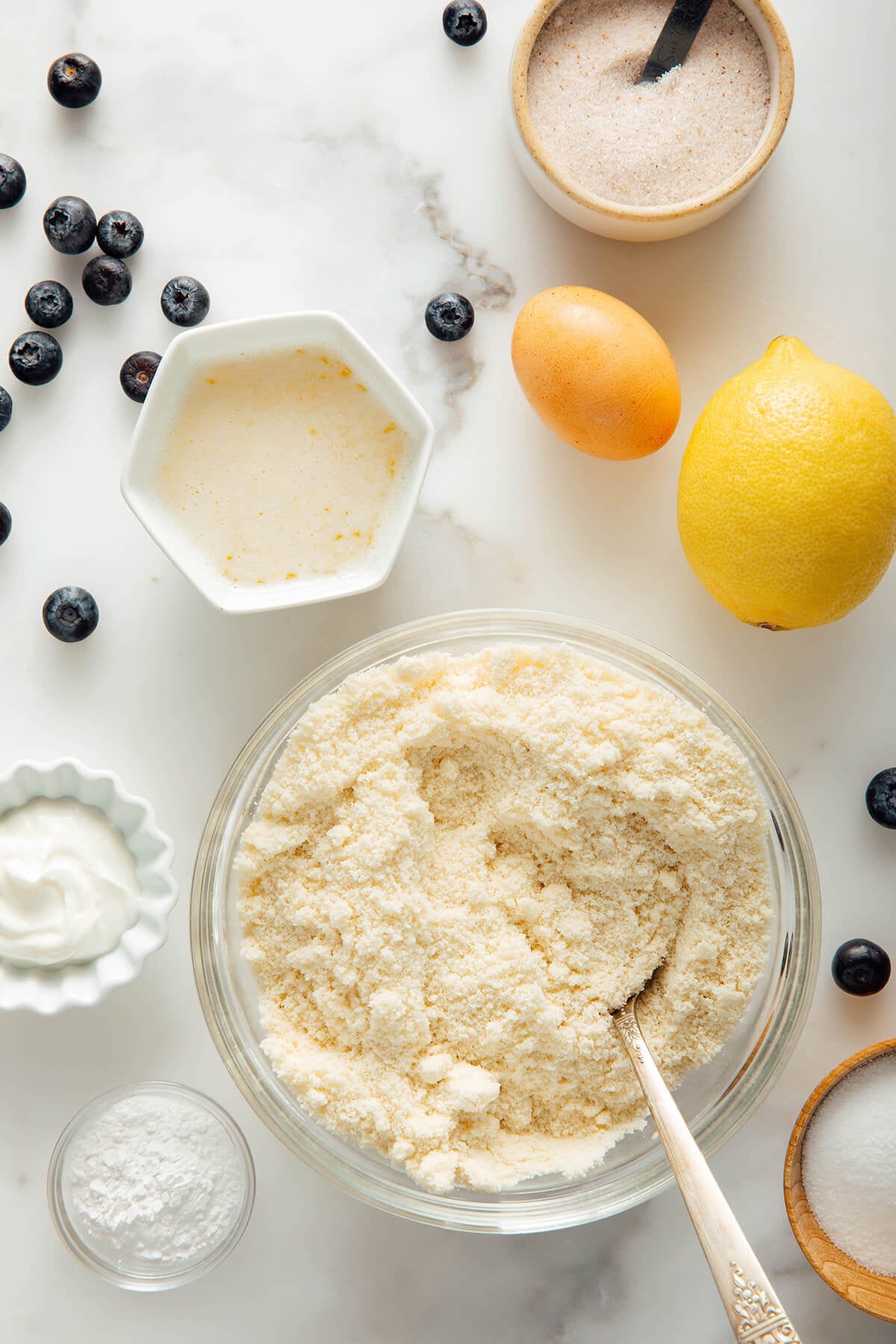
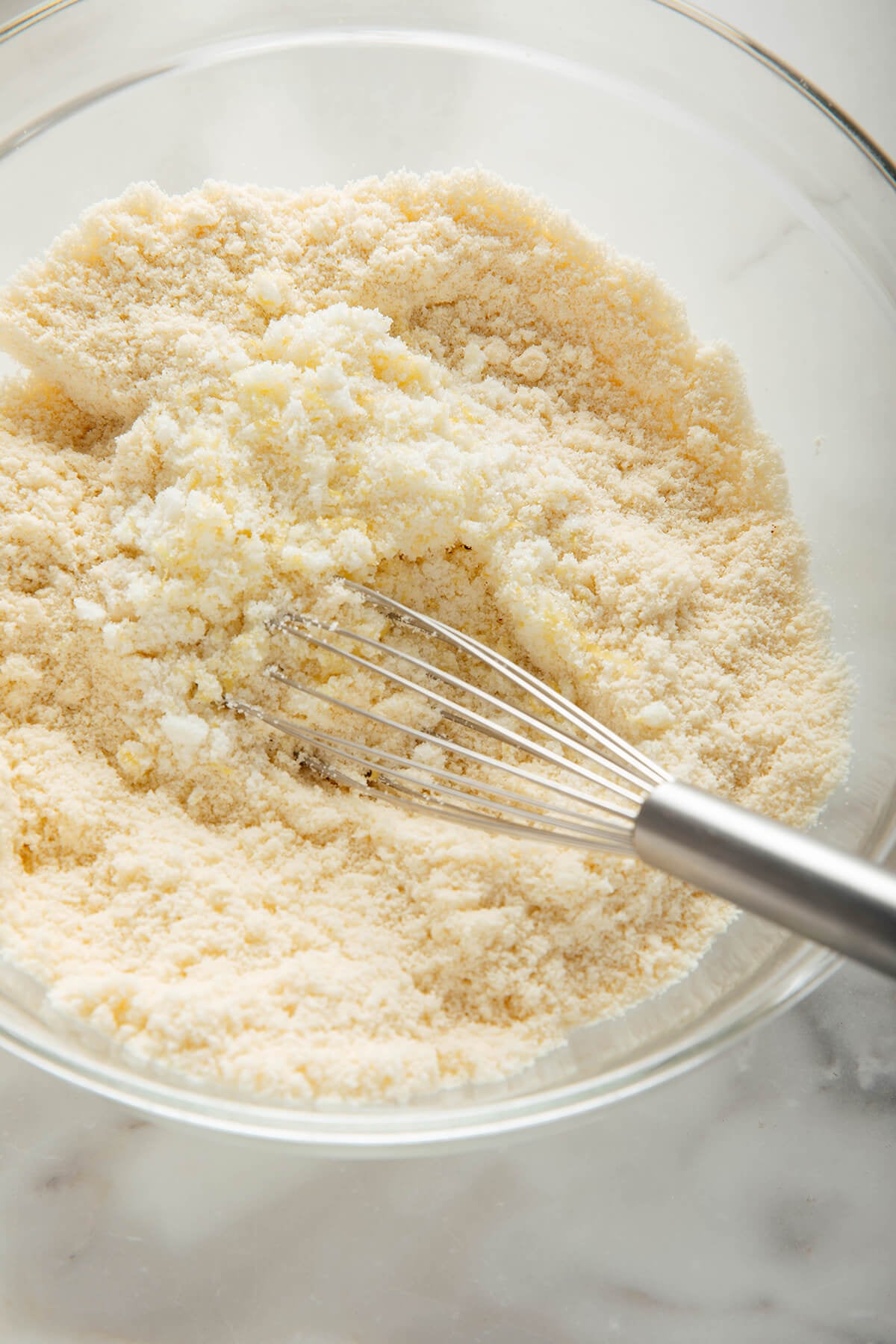
The successful transition from a wheat-based scone to an almond flour variant necessitated more than a simple one-to-one flour substitution. While the overall volume of flour was kept consistent, significant adjustments were made to other components to compensate for almond flour’s unique characteristics. The absence of gluten means that alternative binding agents and structural supports are crucial. Ingredients like eggs, dairy (such as yogurt or buttermilk), and precise leavening agents (baking powder and baking soda) would have been carefully balanced to ensure the proper rise and crumb structure.
Almond flour, being denser and higher in fat than wheat flour, absorbs liquids differently. This likely required adjustments to the amount of butter and liquid to prevent a dry or overly greasy product. The fat content in almond flour contributes to moisture and tenderness, but too much can lead to a crumbly texture, while too little can result in a dry scone. Furthermore, the protein content of almond flour, while beneficial nutritionally, does not form a gluten network, thus requiring careful handling to prevent overmixing, which can toughen the dough even in gluten-free contexts.
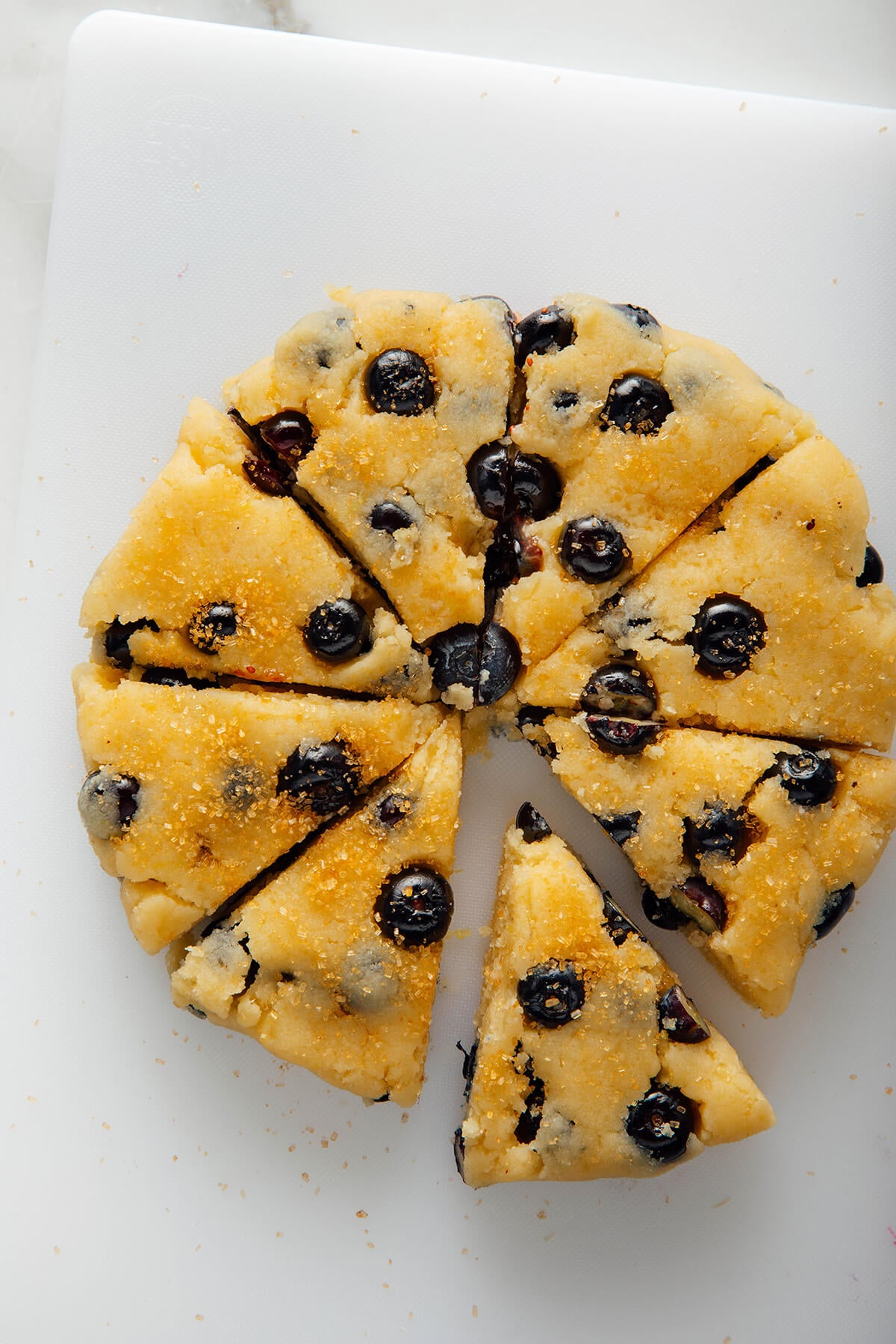
Specific varieties of almond flour were also tested to ensure optimal results. The creator reported successful outcomes with both Bob’s Red Mill’s super-fine almond flour and Whole Foods 365’s almond flour. This detail is crucial for home bakers, as not all almond flours are created equal; variations in grind size and moisture content between brands can significantly impact the final product. Using a super-fine grind typically yields a lighter, more delicate texture, ideal for scones. The recipe’s success hinges on a deep understanding of these ingredient properties and their synergistic interaction.
Sensory Profile and Culinary Impact
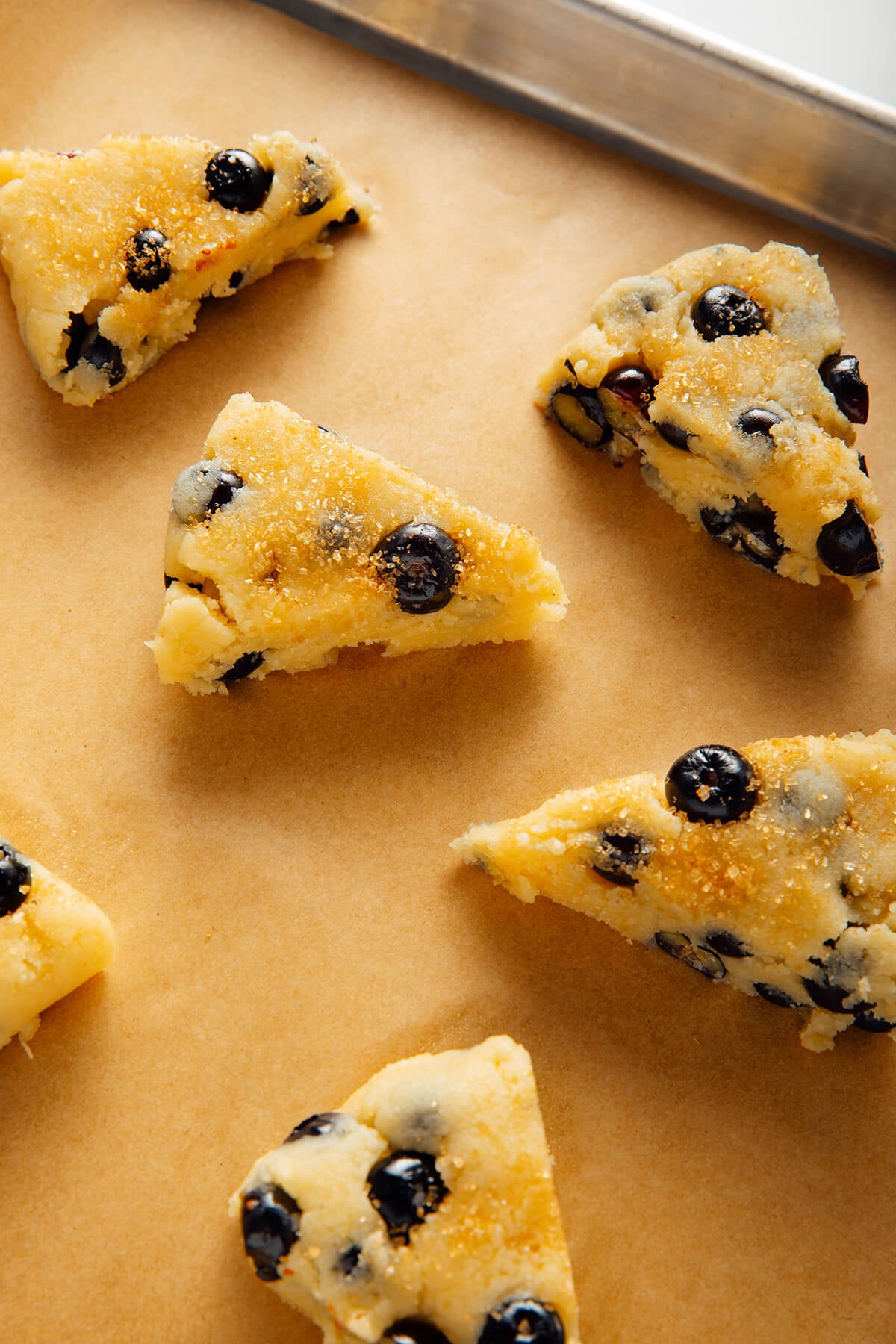
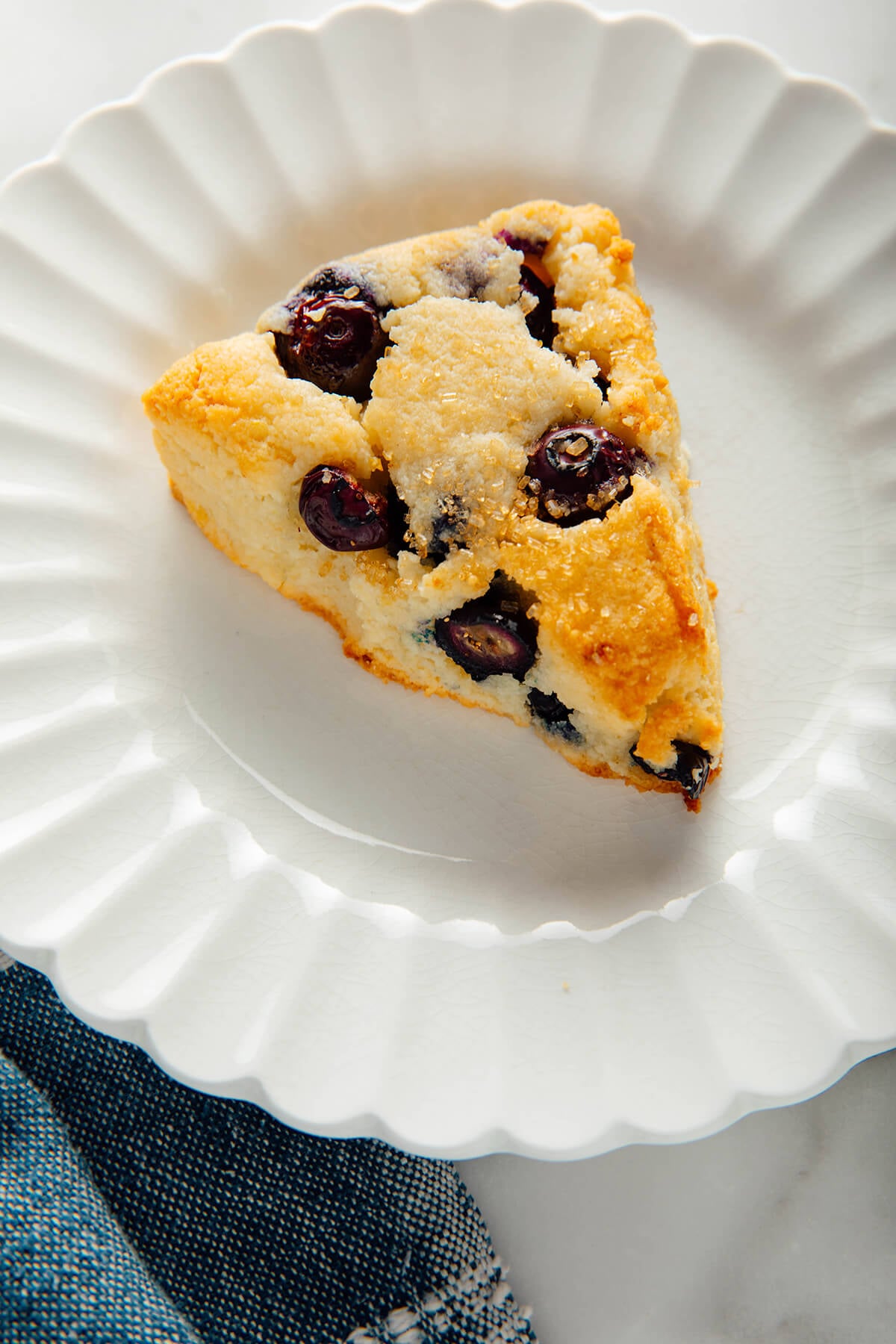
The resulting almond flour scones are described as achieving a perfect sensory balance. The "perfectly tender insides" speak to the careful balance of fat and moisture, preventing the dryness often associated with gluten-free baked goods. The "golden exteriors that offer a light crunch along the edges" indicate optimal baking temperatures and hydration, leading to a desirable Maillard reaction on the surface. Importantly, the scones are noted to "not taste overtly of almond," a critical attribute for broad appeal. This suggests that the almond flour functions primarily as a structural base, allowing the complementary flavors of jammy blueberries and bright lemon zest to shine through. The subtle sweetness from a light sprinkle of raw sugar further enhances the overall flavor profile without overwhelming the natural fruit notes.
This development holds significant implications for the gluten-free baking community. By demonstrating that almond flour can produce a scone that rivals or surpasses its wheat-based predecessors, the recipe raises the bar for what consumers can expect from gluten-free alternatives. It empowers individuals with dietary restrictions to enjoy classic baked goods without feeling deprived or settling for inferior products. Moreover, its wholesome, lower-carbohydrate ingredient list aligns with current dietary trends emphasizing nutrient-dense foods, making it attractive to a wider demographic interested in healthier eating.
Expanding Culinary Horizons: Versatile Flavor Variations
A hallmark of a truly robust base recipe is its adaptability, and this almond flour scone formulation proves exceptionally versatile. The creator has already explored and shared several compelling flavor variations, showcasing the potential for diverse culinary applications.

- Berry Scones: Beyond blueberries, the recipe can accommodate other berries such as raspberries, blackberries (halved if large), or sliced strawberries. This allows for seasonal variations and personal preference, with the option to switch from lemon zest to orange zest for a different citrus note.
- Cherry Scones: Halved and pitted cherries offer a delightful alternative. To further enhance the flavor profile, the lemon zest can be omitted in favor of ½ teaspoon of almond extract, a classic pairing that deepens the inherent almond notes and complements the cherries beautifully.
- Chocolate Chip Scones: For those with a sweet tooth, the fruit and zest can be replaced with up to ¾ cup of chocolate chips. A particularly lauded combination involved ½ cup semi-sweet chocolate chips and ½ cup toasted chopped pecans, adding both sweetness and a textural crunch.
- Savory Cheddar Scones: Perhaps the most radical and intriguing variation is the savory cheddar scone. By omitting the fruit and zest and significantly reducing the sugar to just 1 teaspoon, the base transforms into a savory delight. Stirring in ¾ cup shredded sharp cheddar cheese, and optionally 3 tablespoons of chopped green onion, creates a profoundly satisfying snack. This savory adaptation highlights the inherent strength and neutrality of the almond flour base, demonstrating its capacity to carry diverse flavor profiles beyond traditional sweet applications. This savory scone has been cited as a new favorite, indicative of its broad appeal.
The ability to seamlessly transition from sweet fruit-and-citrus combinations to rich, savory cheese and onion profiles underscores the exceptional foundational quality of this almond flour scone recipe. This versatility not only provides numerous options for home bakers but also positions the recipe as a significant contribution to the broader culinary landscape, potentially inspiring further innovation in gluten-free baking.
In conclusion, the meticulous development and introduction of this almond flour scone recipe represent a notable achievement in modern baking. It addresses a critical need within the gluten-free community for high-quality, delicious alternatives, while simultaneously offering a healthier, lower-carbohydrate option for all consumers. Through rigorous testing, precise adjustments, and a deep understanding of ingredient properties, the creator has successfully redefined expectations for gluten-free scones, offering a product that is not only dietary-friendly but also unequivocally delightful. This culinary innovation stands as a testament to the power of consumer-driven development and dedicated craftsmanship in advancing the art and science of baking.