

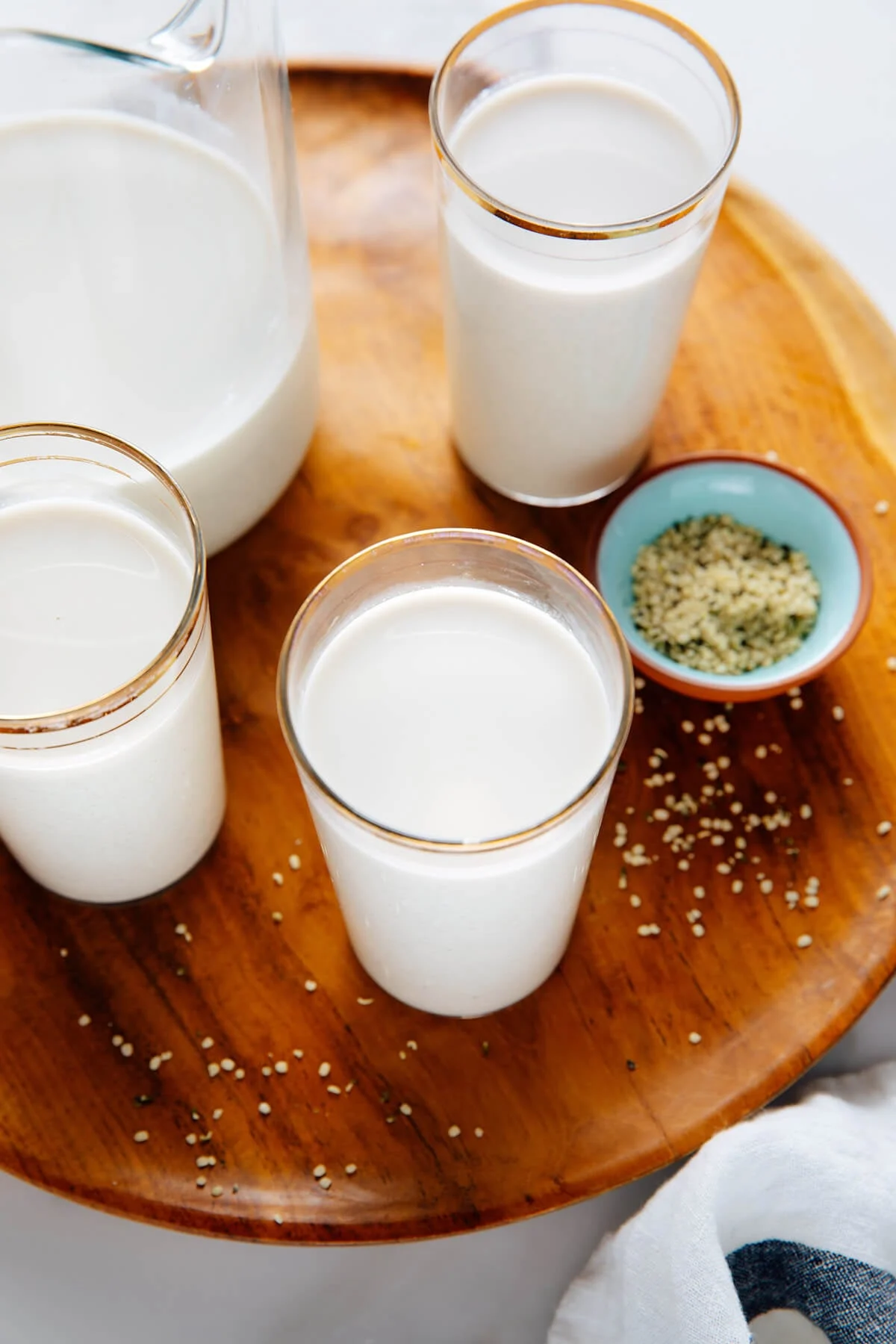
The burgeoning market for plant-based dairy alternatives continues to expand, with homemade hemp milk gaining considerable traction among health-conscious consumers and those seeking versatile, nutritious options. This increasingly popular beverage distinguishes itself through its remarkably simple preparation, requiring no pre-soaking of ingredients, and yielding a consistently silky-smooth and creamy texture. Beyond its ease of creation, homemade hemp milk boasts one of the most robust nutritional profiles among alternative milks, delivering nearly 10 grams of plant-based protein per serving, alongside a diverse array of other essential nutrients. While it may not naturally rival cow’s milk in calcium content, its comprehensive nutrient spectrum offers distinct advantages for a variety of dietary needs.
The Expanding Landscape of Plant-Based Milks
The global shift towards plant-based diets has significantly reshaped consumer preferences in the dairy aisle. Driven by factors such as lactose intolerance, ethical considerations regarding animal welfare, environmental sustainability concerns, and a growing awareness of health benefits, the plant-based milk market has witnessed exponential growth. Projections indicate this market will continue to expand, with analysts forecasting a compound annual growth rate (CAGR) of over 10% in the coming years, potentially reaching tens of billions of dollars globally by the end of the decade. Almond milk and oat milk have historically dominated this segment, but a diverse range of alternatives, including soy, rice, cashew, and now hemp milk, are increasingly capturing market share. Homemade versions of these milks offer consumers greater control over ingredients, sweetness levels, and the avoidance of common additives like thickeners, stabilizers, and emulsifiers often found in commercial products. This transparency and customization are key drivers for the DIY trend.
Hemp: A Historical Perspective and Modern Revival
The journey of hemp from a historically significant crop to a modern dietary staple is a tale of shifting perceptions and evolving legislation. Hemp, derived from the Cannabis sativa plant, has been cultivated for thousands of years for its fibers, seeds, and medicinal properties. Ancient civilizations utilized hemp for textiles, paper, and food, recognizing its versatility and nutritional value. However, in the 20th century, due to its botanical relationship with marijuana, industrial hemp was largely prohibited in many parts of the world, including the United States, under anti-drug legislation. This blanket prohibition severely curtailed research, cultivation, and the commercial development of hemp-derived products.
A significant turning point arrived with the passage of the 2018 Farm Bill in the United States. This landmark legislation federally legalized industrial hemp, defining it as Cannabis sativa plants containing no more than 0.3% delta-9 tetrahydrocannabinol (THC), the psychoactive compound found in marijuana. This distinction effectively removed industrial hemp from the Controlled Substances Act, paving the way for its widespread cultivation and the development of a burgeoning market for hemp-based products, including hemp hearts (shelled hemp seeds), hemp oil, CBD products, and, of course, hemp milk. This legislative change provided the necessary legal framework and supply chain infrastructure for hemp hearts to become readily available in grocery stores, empowering consumers to explore new dietary applications like homemade hemp milk.
Unpacking the Nutritional Powerhouse: Hemp Milk’s Profile
The appeal of hemp milk extends far beyond its ease of preparation, rooted deeply in its impressive nutritional composition. A single serving of homemade hemp milk typically provides close to 10 grams of complete plant-based protein, meaning it contains all nine essential amino acids necessary for human health. This makes it an excellent protein source for vegans, vegetarians, and anyone looking to increase their plant-based protein intake. In comparison, almond milk often contains only 1 gram of protein per serving, while oat milk usually offers 2-3 grams. Even cow’s milk, while higher in protein (around 8 grams per cup), lacks the unique omega fatty acid profile of hemp.
Hemp hearts are particularly rich in omega-3 (alpha-linolenic acid – ALA) and omega-6 (linoleic acid – LA) essential fatty acids, typically in an optimal ratio of 3:1 or 2:1, which is considered beneficial for cardiovascular health, brain function, and reducing inflammation. These essential fats are crucial for overall well-being and are often lacking in modern diets. Furthermore, hemp milk delivers an array of vital micronutrients, including magnesium, phosphorus, iron, zinc, and B vitamins. While naturally lower in calcium than fortified commercial plant milks or dairy milk, consumers can easily supplement their calcium intake through other dietary sources or by opting for commercially fortified hemp milk if preferred. The absence of common allergens like nuts, soy, and gluten also makes hemp milk an inclusive choice for individuals with various dietary restrictions and allergies, aligning with the growing demand for allergen-friendly food options.
The Allure of Homemade: Convenience and Customization
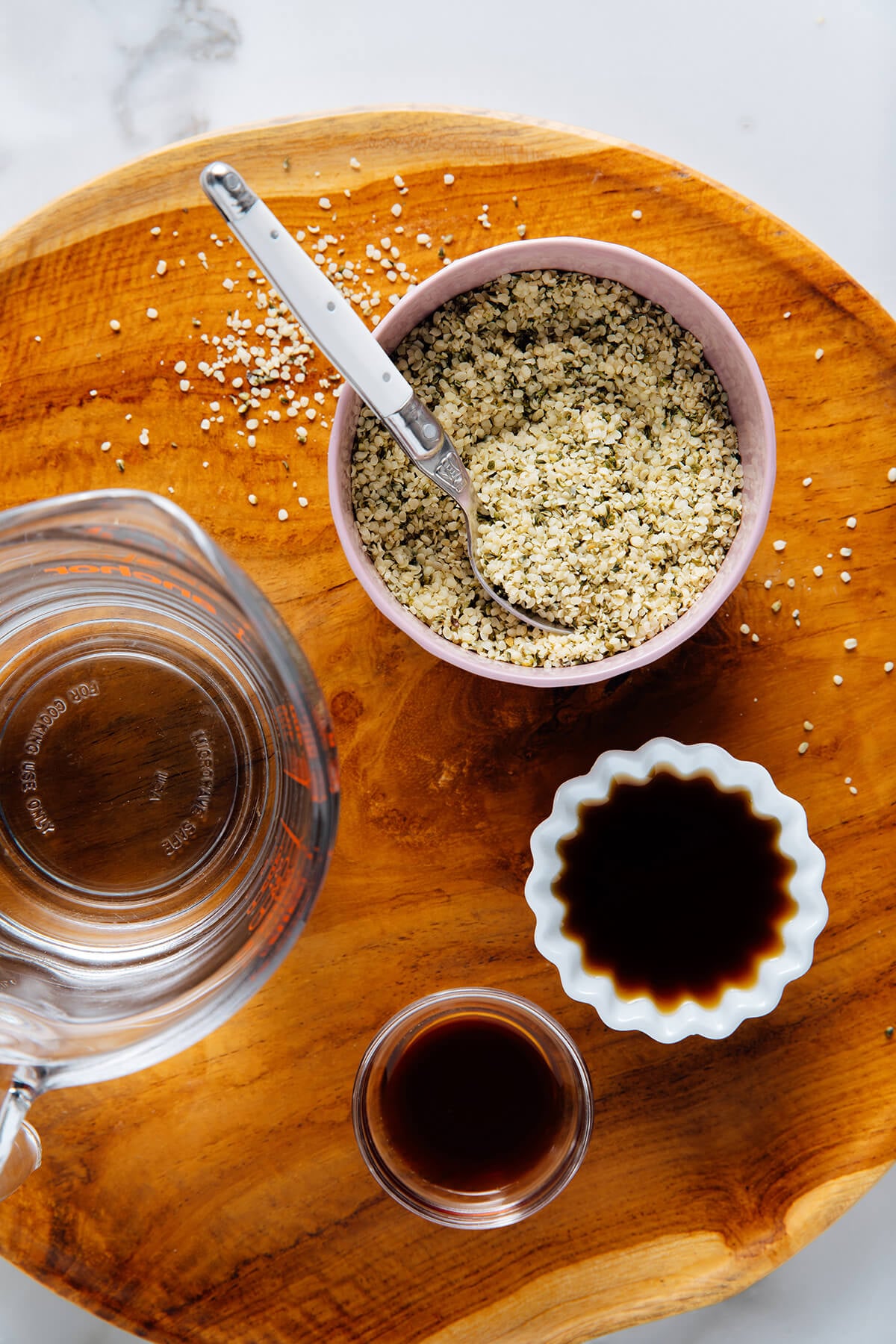
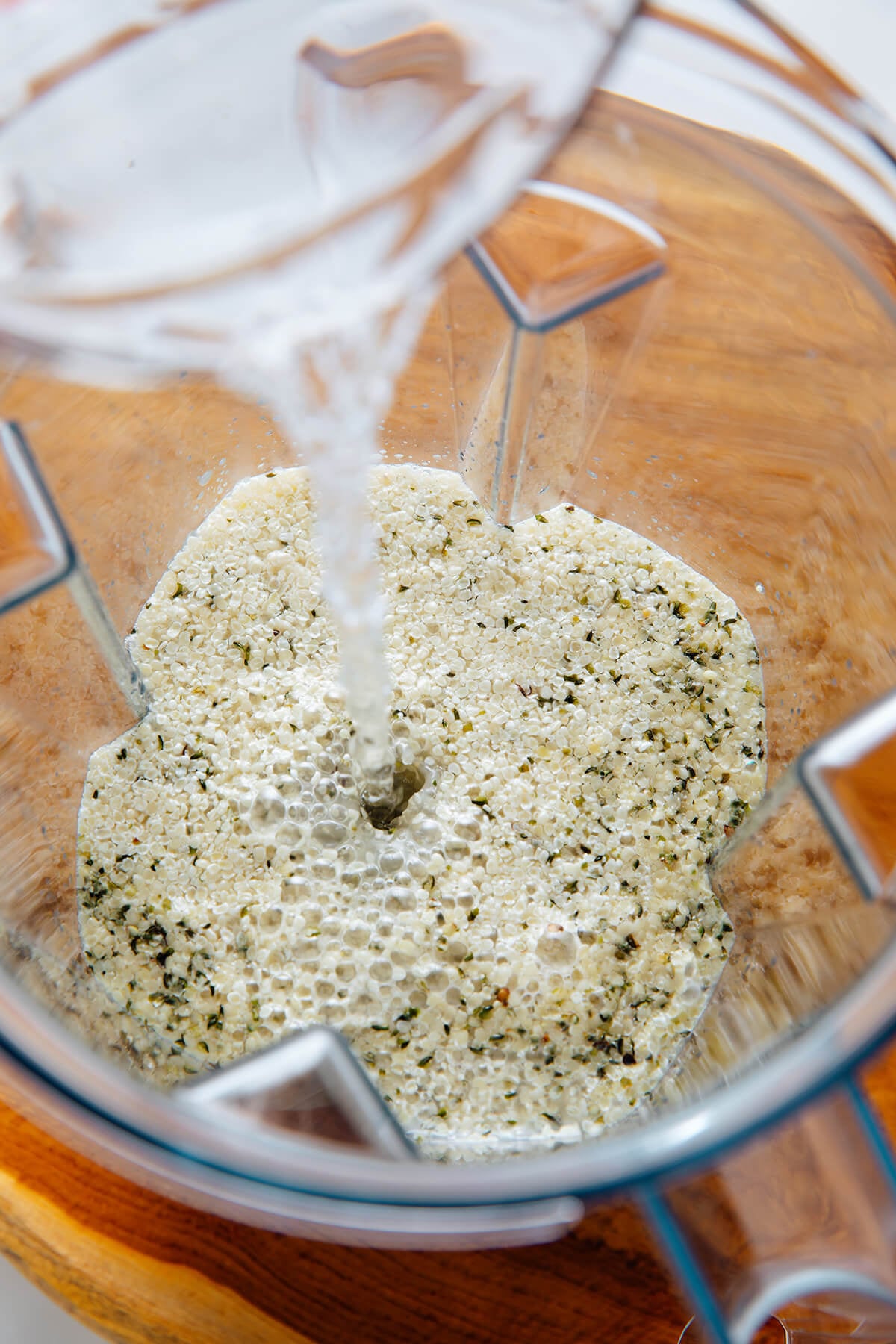
The process of making hemp milk at home is remarkably straightforward, distinguishing it from many other homemade plant milks. Unlike almonds or cashews, hemp hearts do not require pre-soaking, which significantly reduces preparation time and complexity. This allows for spontaneous milk production, making it a convenient option for busy households. The basic recipe typically involves blending hemp hearts with water, often with a touch of sweetener and vanilla for enhanced flavor, and then straining the mixture to achieve a smooth consistency.
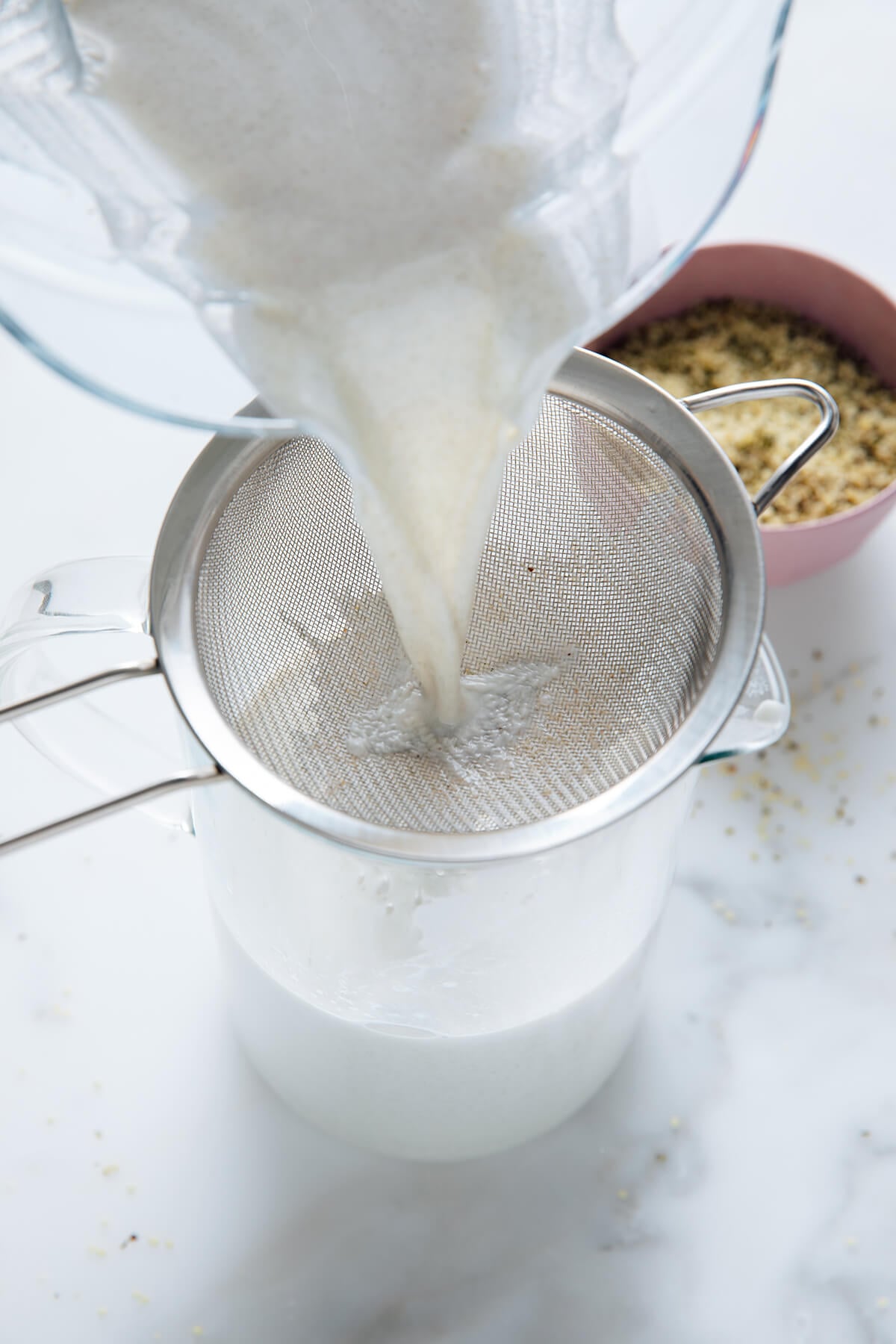
The control over ingredients is another significant draw. Commercial plant milks, while convenient, frequently contain added sugars, carrageenan (a thickener that some studies suggest may cause digestive issues), gums, and other artificial ingredients. By making hemp milk at home, consumers can dictate the type and amount of sweetener, such as maple syrup, honey, agave nectar, or even a pitted Medjool date, ensuring a product free from unwanted additives. Maple syrup is a popular choice due to its neutral flavor profile and easy integration, providing a subtle sweetness that balances the naturally earthy or slightly grassy notes of hemp. Vanilla extract is also frequently recommended to complement the flavor and further mask any undesirable "grassy" undertones, resulting in a more palatable and versatile beverage.
Culinary Versatility and Flavor Adaptations
Homemade hemp milk’s creamy texture and mild flavor make it an exceptionally versatile ingredient in the kitchen. It seamlessly integrates into a wide range of culinary applications, from breakfast staples to more complex dishes. It can be enjoyed simply as a refreshing drink, poured over cereal, or blended into smoothies, where its protein content provides an extra nutritional boost. Its creaminess makes it an excellent addition to coffee and tea, providing a dairy-free creamer alternative without curdling, a common issue with some other plant milks.
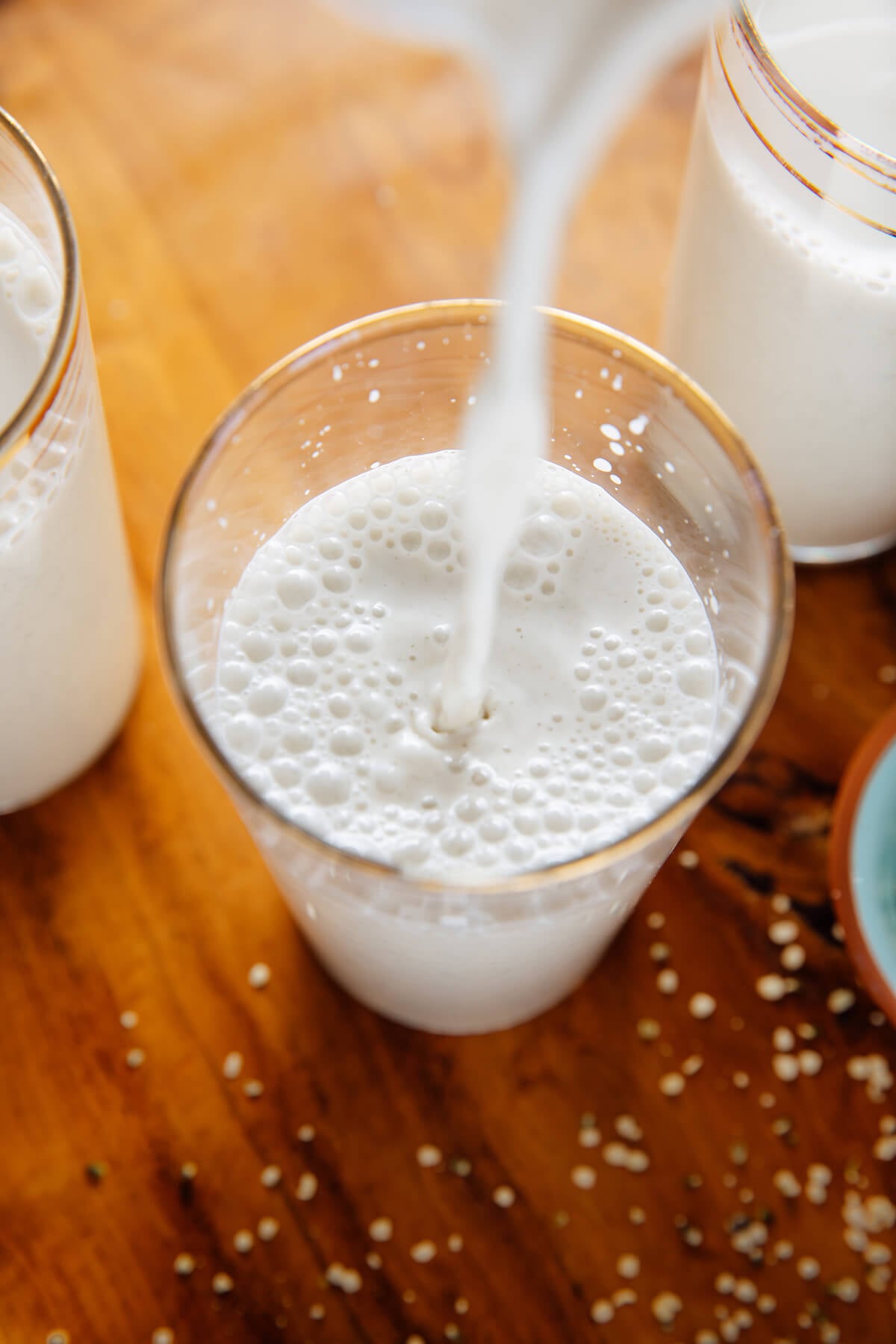
Beyond beverages, hemp milk is a valuable asset in baking, adding moisture and richness to cakes, muffins, and pancakes. It can also be used in savory contexts, such as in creamy soups, sauces, or mashed potatoes, offering a delicate, nutty flavor that complements many dishes.
The ability to customize flavor profiles further enhances its appeal. Simple additions can transform basic hemp milk into a gourmet experience:
- Chocolate Hemp Milk: Blending in cocoa powder and adjusting sweetener levels creates a rich, indulgent beverage, often a hit with children and adults alike.
- Cinnamon-Spiced Hemp Milk: A dash of ground cinnamon (Ceylon cinnamon is often preferred for its milder, sweeter notes) introduces warmth and aromatic complexity.
- Coconut Hemp Milk: Substituting a portion of hemp hearts with unsweetened shredded coconut or adding a splash of coconut extract imparts a tropical twist.
- Cashew-Hemp Blend: Incorporating cashews alongside hemp hearts can result in an even creamier, more neutral-tasting milk, leveraging the best characteristics of both ingredients.
Considerations and Best Practices
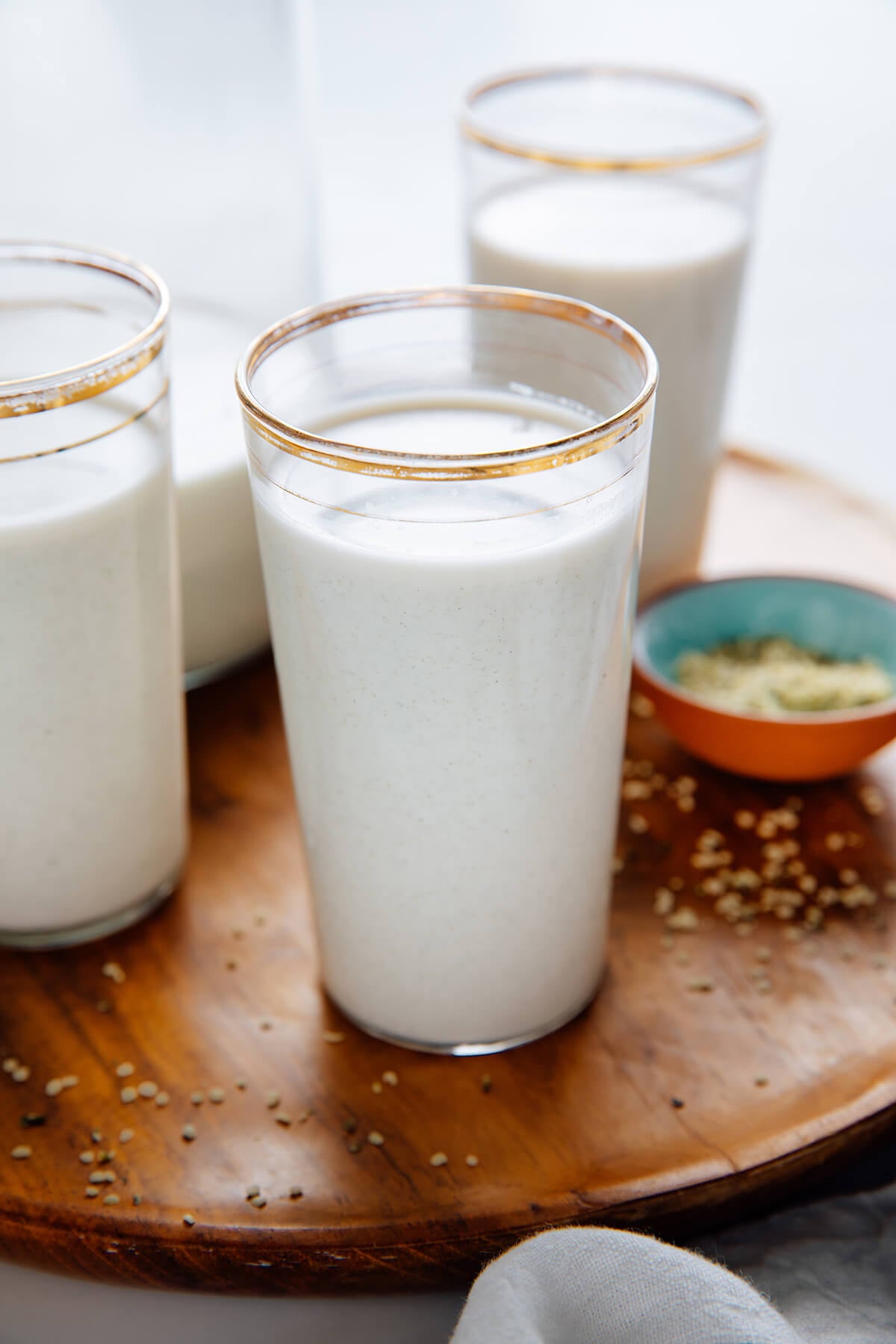
While homemade hemp milk offers numerous advantages, there are a few practical considerations for optimal enjoyment. The freshness of hemp hearts is paramount; consumers are advised to sniff their hemp seeds before use, ensuring they have a fresh, slightly nutty aroma rather than any stale or rancid notes, which can negatively impact the final milk’s flavor. For the best sensory experience, hemp milk should always be served very cold, as chilling significantly enhances its taste and minimizes any potential grassy undertones.
The shelf life of homemade hemp milk is typically shorter than its commercial counterparts, usually lasting 3-5 days when stored in an airtight container in the refrigerator. This encourages more frequent, smaller batch production, ensuring maximum freshness and nutrient retention. For individuals concerned about calcium intake, pairing homemade hemp milk with other calcium-rich foods like dark leafy greens, fortified cereals, or tofu is advisable.
Environmental and Economic Implications
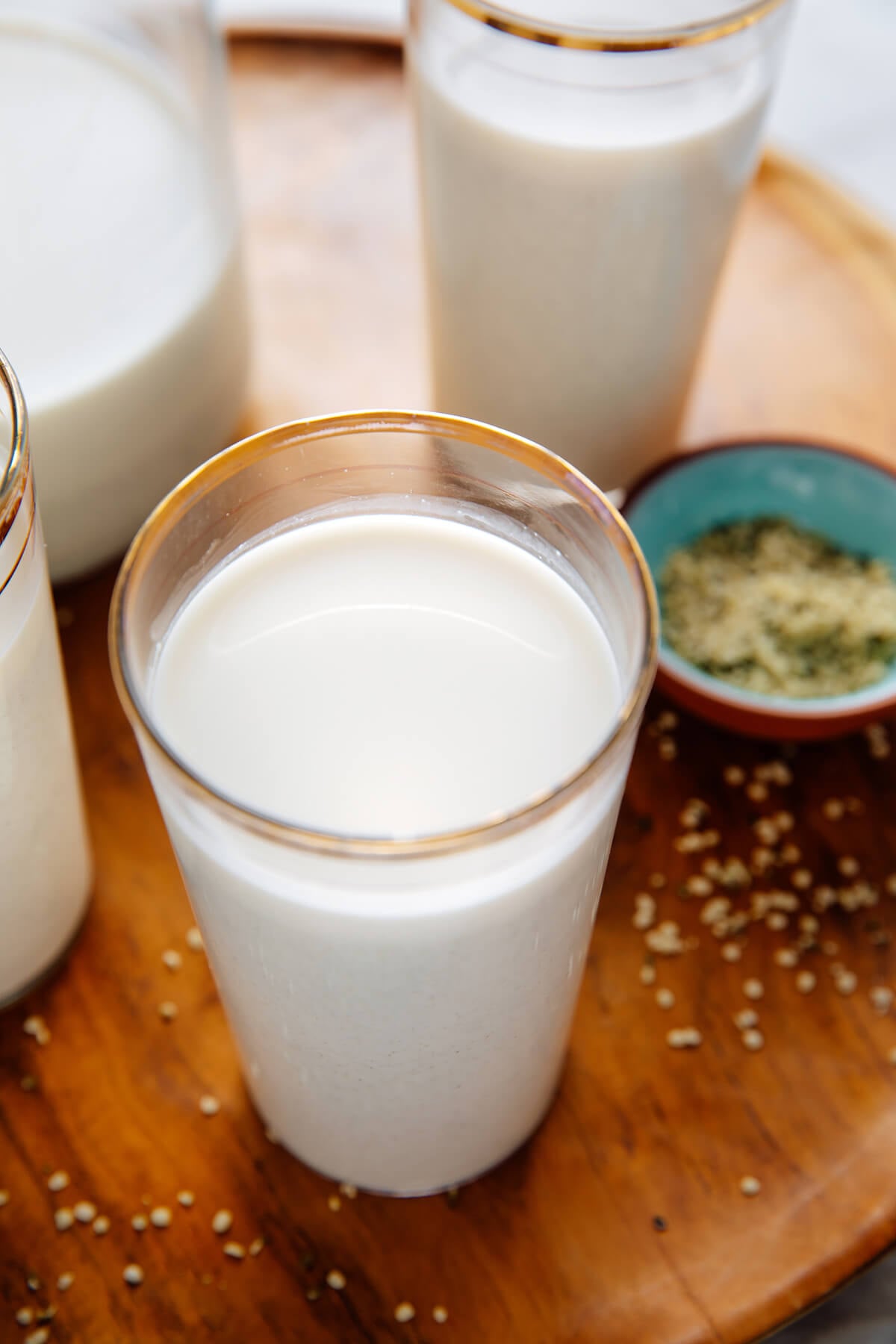
Beyond personal health benefits, the rise of hemp milk also carries positive environmental implications. Hemp is renowned as a highly sustainable crop. It requires significantly less water than almonds, which are often criticized for their water-intensive cultivation. Hemp plants also grow rapidly, can thrive in diverse climates, and require minimal pesticides or herbicides. Furthermore, hemp is known for its ability to enrich soil health by drawing out toxins and preventing erosion, making it a beneficial rotation crop. From an economic perspective, making hemp milk at home can be more cost-effective than consistently purchasing premium store-bought plant milks, offering savings over time, especially for frequent consumers.
A Growing Trend with Lasting Impact
The increasing popularity of homemade hemp milk underscores a broader societal trend towards greater dietary autonomy, health consciousness, and environmental responsibility. Its exceptional nutritional density, straightforward preparation, and adaptability make it a formidable contender in the evolving landscape of plant-based dairy alternatives. As consumers continue to seek wholesome, sustainable, and customizable food options, homemade hemp milk is poised to remain a significant and cherished component of modern dietary practices, contributing to both individual well-being and a more sustainable food system. Its journey from a historically overlooked crop to a celebrated superfood ingredient in the home kitchen reflects a profound shift in how we approach nutrition and culinary choices.
