

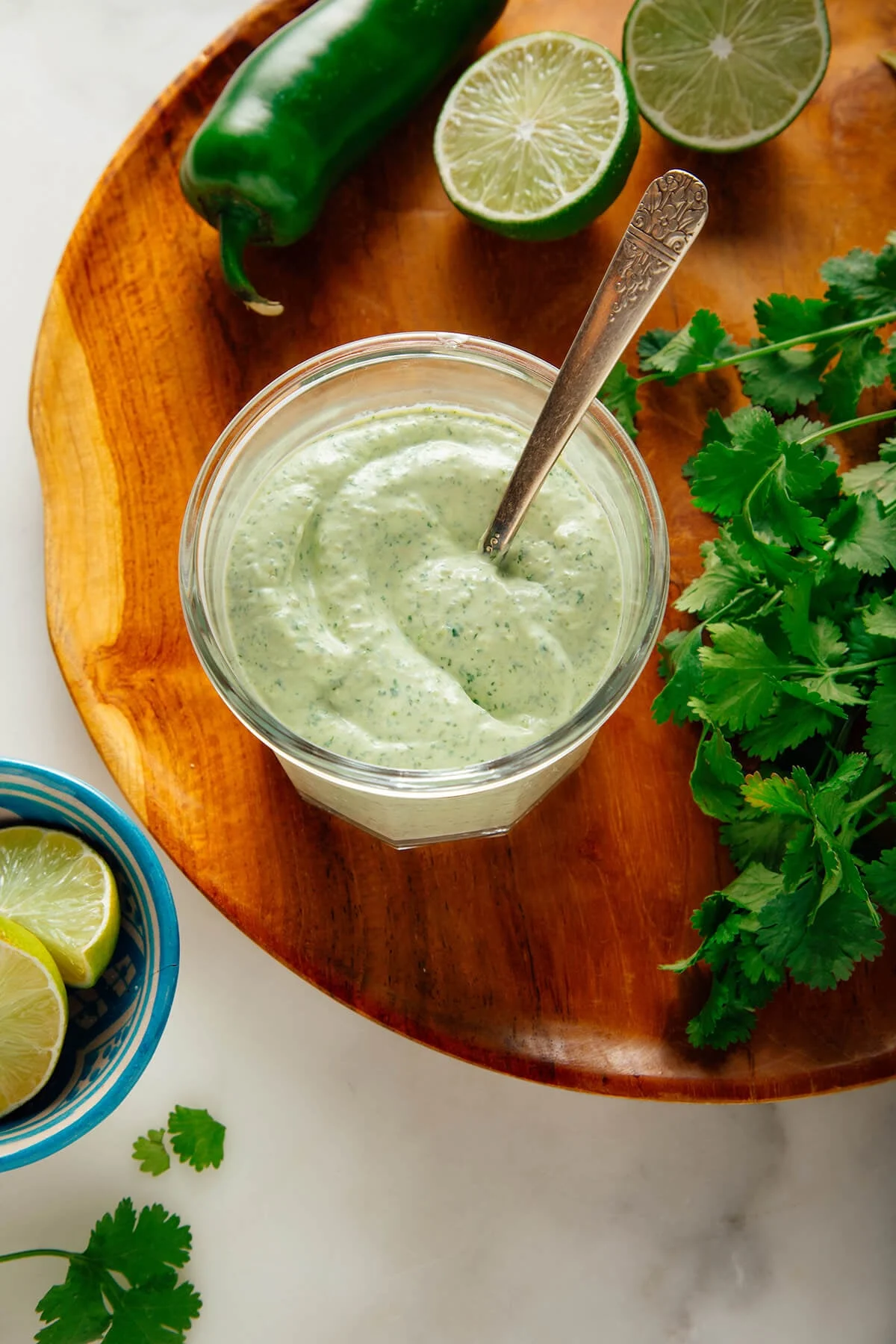
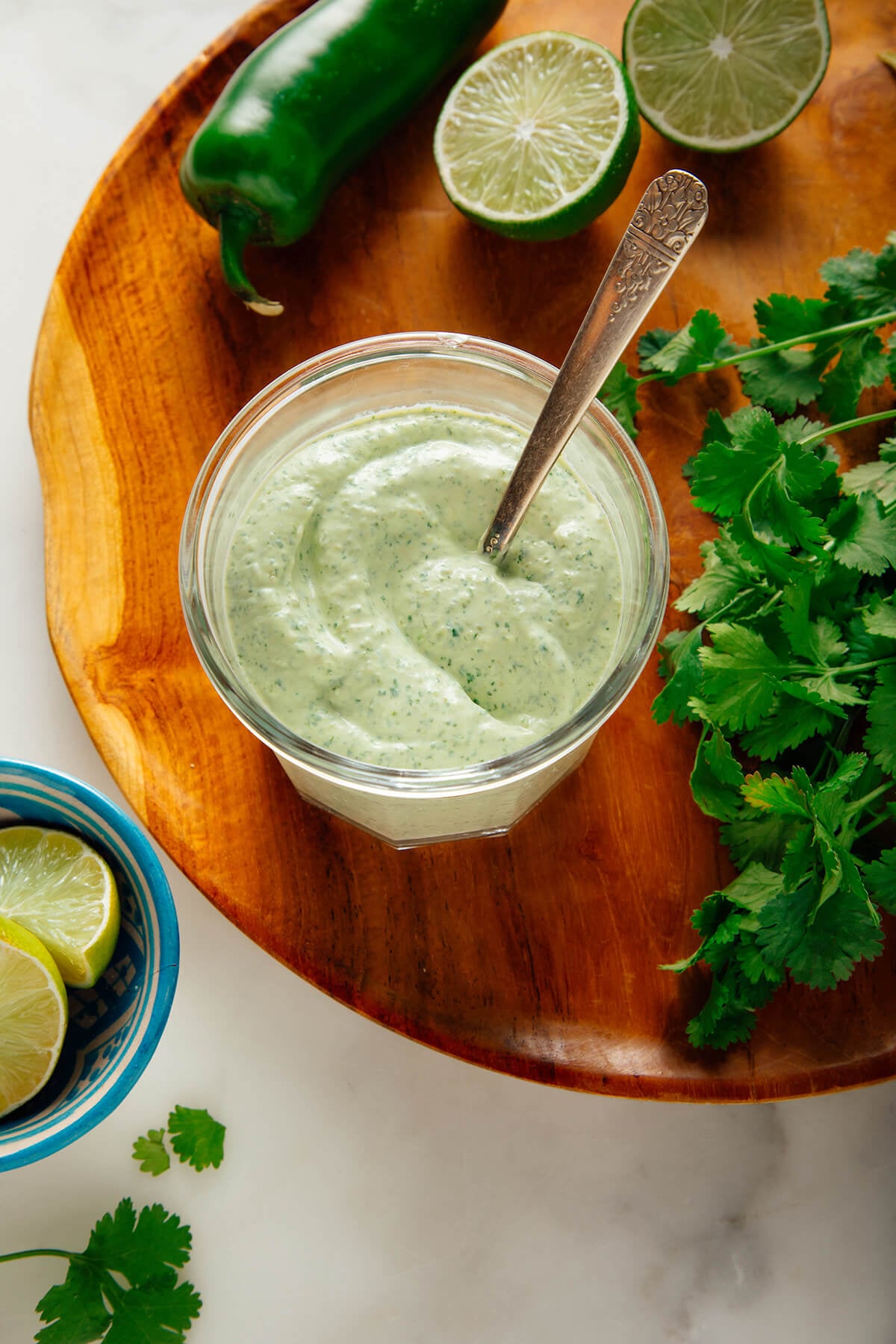
The culinary landscape is consistently shaped by the interplay between innovative restaurant offerings and the burgeoning home cooking movement. A recent development highlighting this dynamic is the successful reverse-engineering of Chipotle Mexican Grill’s popular new cilantro lime sauce by prominent food blog "Cookie and Kate." This initiative not only provides home enthusiasts with a detailed recipe to replicate a beloved fast-casual condiment but also underscores a broader trend of consumers seeking to bring restaurant-quality flavors into their own kitchens.
Chipotle Mexican Grill, a leader in the fast-casual dining sector, has built its brand on a commitment to fresh, customizable ingredients and distinctive flavor profiles. The introduction of their cilantro lime sauce, described by many patrons as creamy, vibrant, and possessing a subtle spicy kick, quickly resonated with its customer base. It offers an appealing alternative to traditional sour cream, enhancing the overall experience of burrito bowls, tacos, and other menu items by adding an extra layer of complexity and freshness. The sauce’s immediate popularity prompted interest among dedicated food bloggers and home cooks keen to unravel its secrets.
The Anatomy of a Signature Sauce: Deconstructing Chipotle’s Flavor
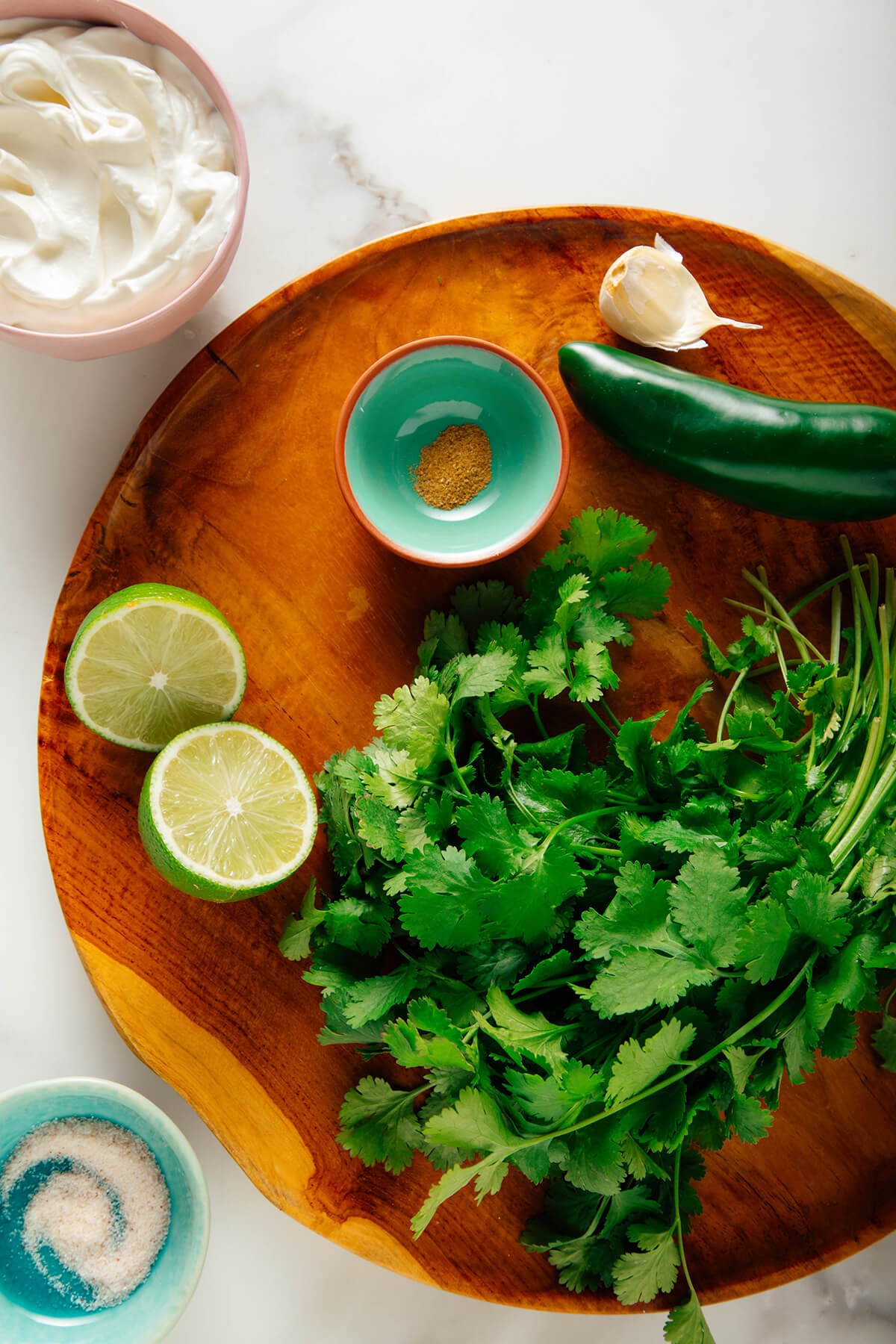
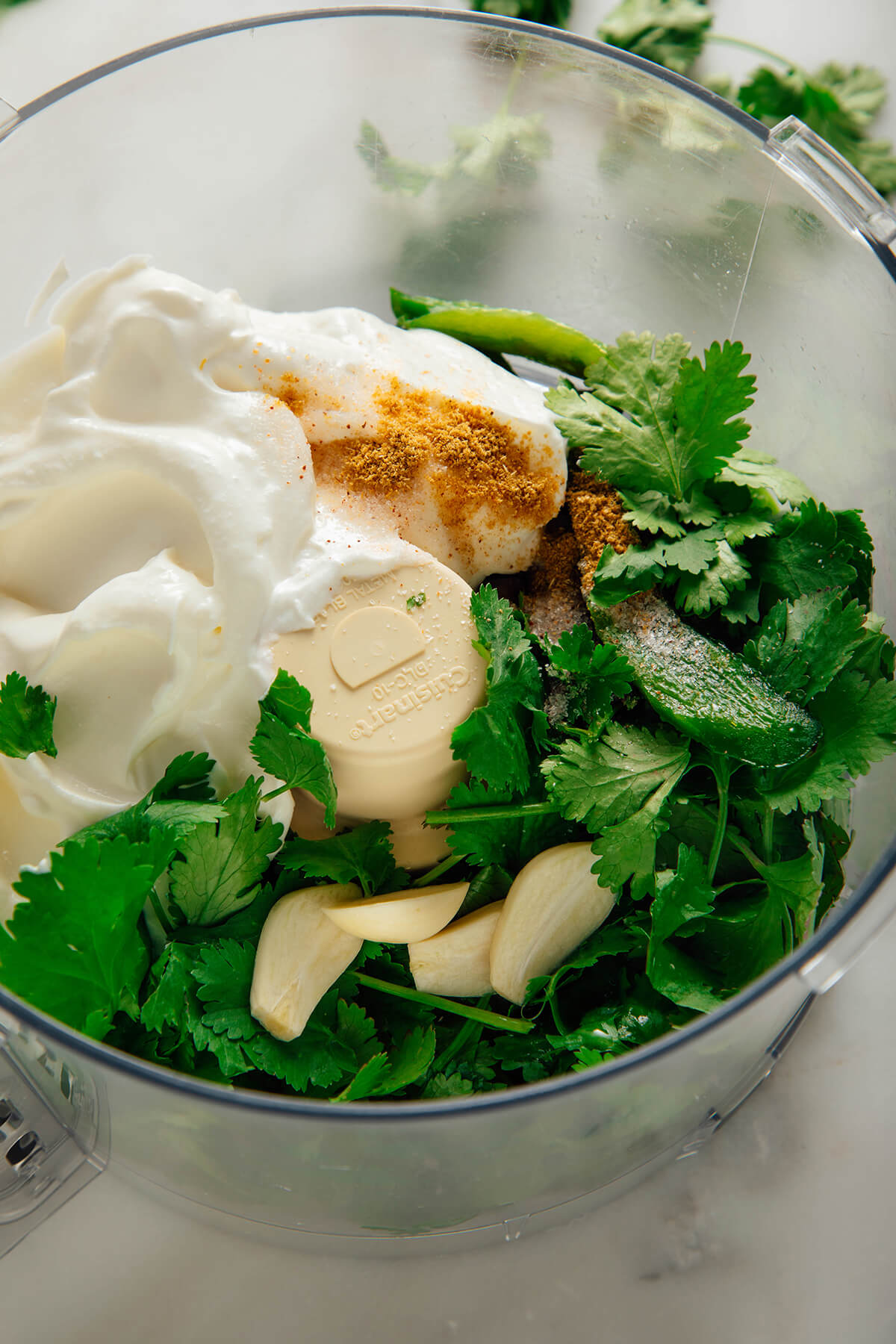
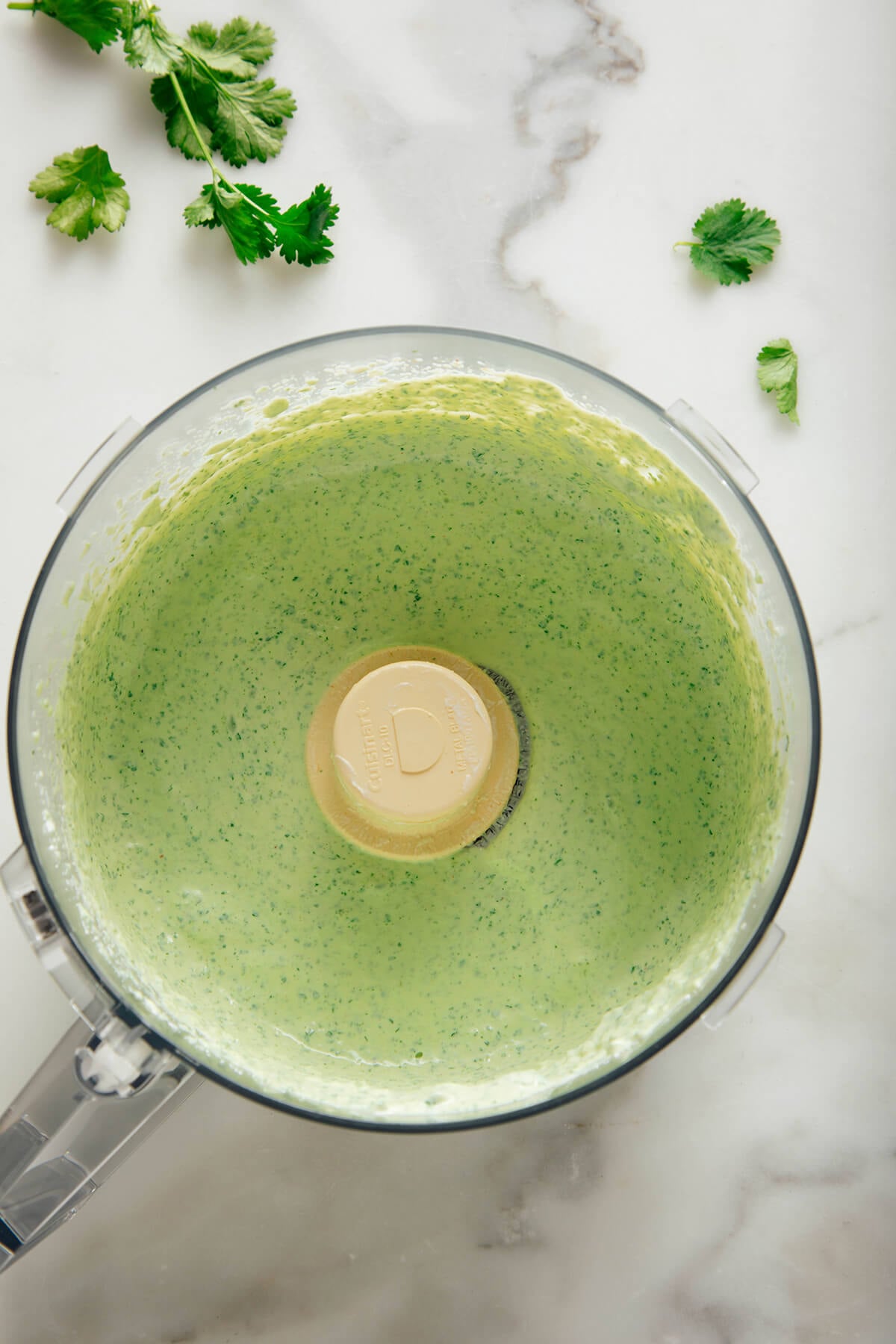
The reverse-engineering process, as detailed by "Cookie and Kate," involved a meticulous examination of Chipotle’s publicly available ingredient list, followed by iterative experimentation to achieve the correct proportions and flavor balance. The core components identified include fresh cilantro, zesty lime, Mexican spices—with cumin noted as a key contributor—creamy sour cream, and distinctively, roasted jalapeños. This blend of ingredients speaks to a consumer preference for bold, authentic, and fresh flavors in modern cuisine.
Cilantro, a herb central to Mexican and Latin American cooking, provides a bright, herbaceous note that is both refreshing and aromatic. Lime juice introduces a crucial acidic element, brightening the overall flavor profile and cutting through the richness of other ingredients. Cumin, a staple in many Mexican spice blends, offers an earthy warmth that grounds the fresher components. The sour cream provides a creamy texture and a tangy counterpoint, creating a harmonious balance. The inclusion of jalapeños, particularly roasted ones, adds a layer of heat and depth, contributing to the sauce’s nuanced spiciness without overwhelming the palate.
The process of deconstructing such a sauce is akin to forensic culinary science. It involves not just identifying ingredients but understanding how they interact, their precise ratios, and the specific preparation methods that contribute to the final sensory experience. For instance, the distinction between roasted and fresh jalapeños is critical to the sauce’s character, a detail thoroughly explored in the recipe’s development.
The Art of Charring: Unlocking Jalapeño’s Potential
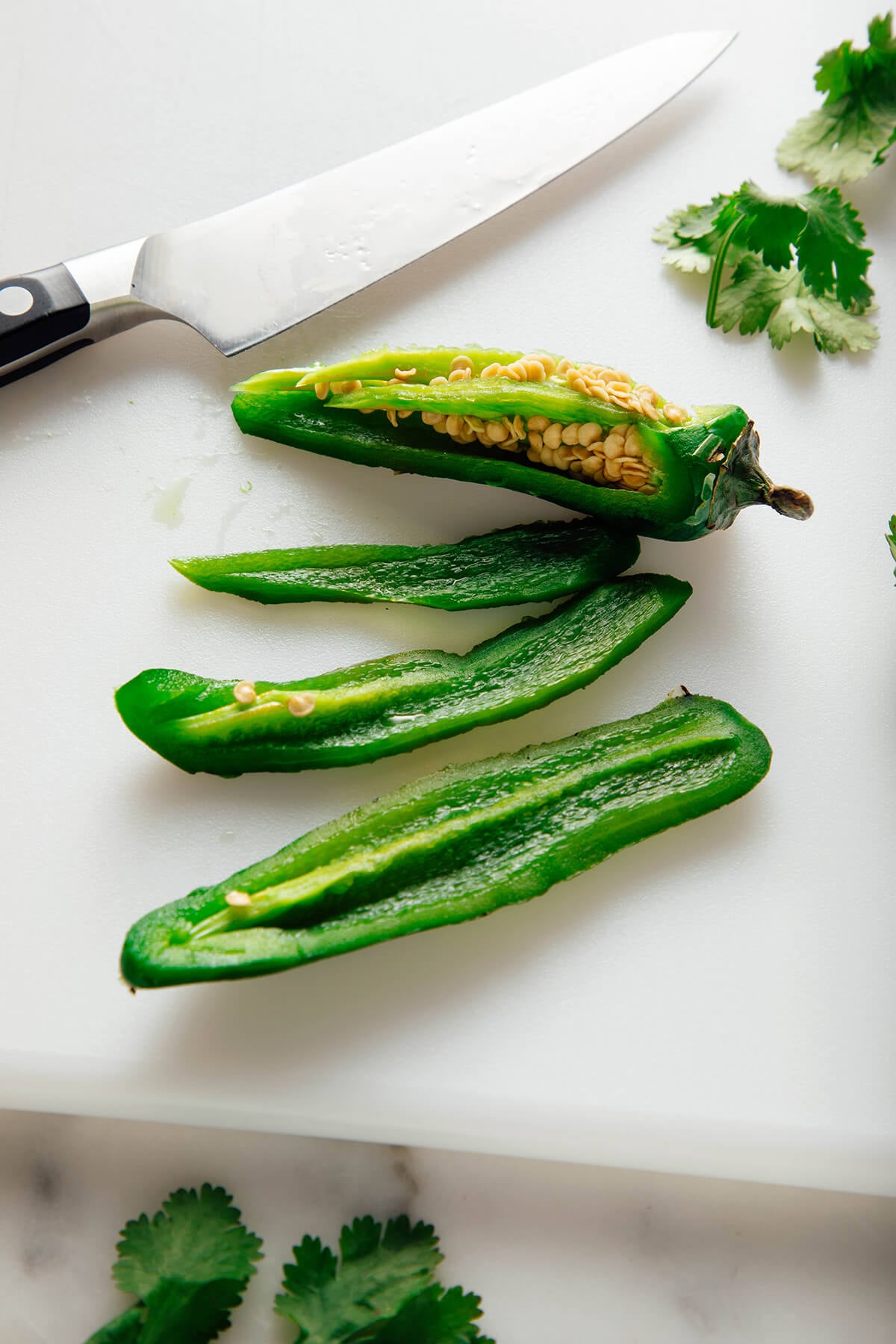
A pivotal element in the sauce’s authentic flavor, mirroring Chipotle’s version, is the inclusion of charred jalapeños. This technique is not merely for aesthetics; it fundamentally alters the pepper’s characteristics. Charring the jalapeño mellows its inherent heat, transforming the sharp spiciness into a more integrated warmth. Concurrently, the process develops a deeper, more complex smoky flavor profile, adding an essential layer of savory richness to the sauce. Furthermore, charring softens the jalapeño’s skin, contributing to a smoother, more refined texture in the final blended product.
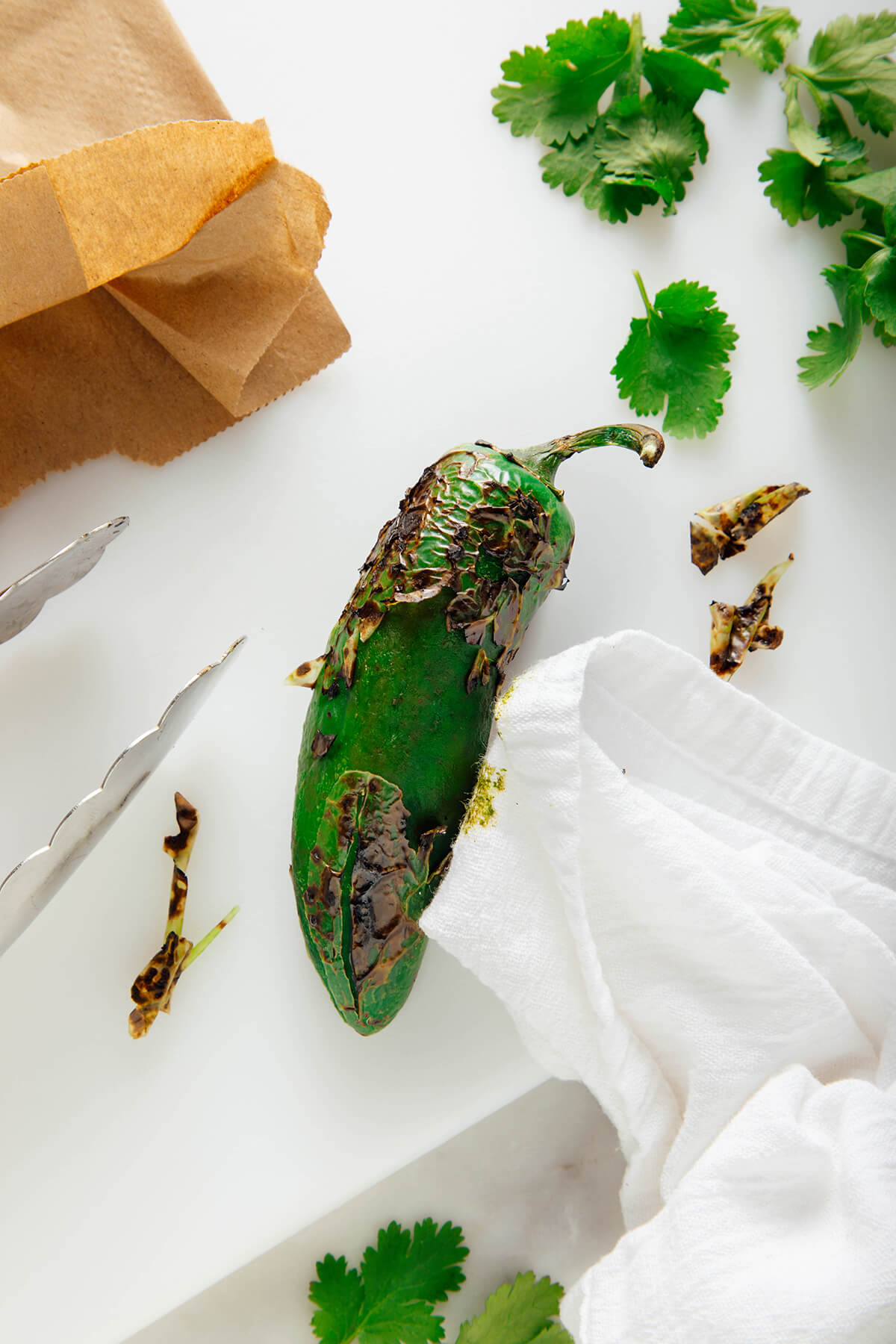
For home cooks, there are several practical methods to achieve this charring effect. A common approach involves holding the jalapeño directly over a medium gas flame using heat-safe tongs, rotating it for 60 to 90 seconds per side until the skin is mostly blackened. Alternatively, for those without gas stovetops, a cast iron or stainless steel skillet can be used. Heating the pepper in the skillet over medium-high heat until it blisters on all sides offers a similar result. The key is to achieve significant blistering and blackening without incinerating the pepper entirely.
Following the charring process, a crucial step is to allow the jalapeño to steam. This is typically done by placing the hot pepper in a small paper bag or a bowl covered tightly with plastic wrap for approximately 10 minutes. The trapped steam facilitates the loosening of the charred outer layer, making it significantly easier to remove. After steaming, the blackened skin can be gently wiped away with a clean tea towel, revealing the softened, flavorful green flesh beneath. This prepared jalapeño can then be sliced into smaller pieces, ready for incorporation into the sauce.
While the charred jalapeño is integral to replicating Chipotle’s specific flavor, the recipe also acknowledges the practicality of using fresh jalapeño as an alternative. Using fresh pepper offers a bolder and often spicier kick, presenting a different, yet equally appealing, flavor profile. For those opting for fresh jalapeño, a recommendation is to start with a smaller quantity, such as half of a pepper, and gradually add more to achieve the desired level of heat and flavor intensity. This flexibility ensures the recipe is adaptable to varying preferences for spice.
The Rise of DIY Culinary Culture: More Than Just a Recipe
The success of "Cookie and Kate" in reverse-engineering this sauce is indicative of a wider cultural phenomenon: the growing DIY (Do-It-Yourself) culinary movement. This trend is driven by several factors, including a desire for greater control over ingredients, an interest in healthier eating options, the economic benefits of cooking at home, and a burgeoning curiosity about culinary techniques. Food blogs, social media platforms, and online recipe communities have become central to this movement, serving as repositories of shared knowledge and inspiration.
According to a 2023 report by Mintel, a leading market intelligence agency, over 60% of consumers express a preference for cooking at home more often, citing health and cost savings as primary motivators. This statistic underscores the fertile ground for content creators who offer practical, accessible recipes for popular restaurant dishes. The ability to recreate a signature sauce from a beloved chain like Chipotle provides a tangible benefit to these consumers, allowing them to enjoy familiar flavors without the associated restaurant cost or the need to frequently order takeout.
Furthermore, this trend fosters a deeper engagement with food. Home cooks are not just following instructions; they are learning about flavor balance, ingredient synergy, and cooking techniques. The meticulous steps involved in charring a jalapeño, for instance, educate the cook about how different preparation methods can profoundly impact taste and texture. This educational aspect transforms cooking from a mere chore into an enriching hobby.
Broader Implications for the Food Industry and Consumers
The emergence of successful copycat recipes, particularly for distinctive menu items like Chipotle’s cilantro lime sauce, carries several implications for both the food industry and consumers.
For Restaurants and Fast-Casual Chains:
- Validation of Flavor Profiles: The demand for copycat recipes validates the success and appeal of a restaurant’s signature flavors. It signals that certain menu items have achieved iconic status in the public consciousness.
- Brand Buzz: While seemingly a threat, reverse-engineered recipes can paradoxically generate additional buzz for the original brand. Discussions around "Chipotle-style" recipes often lead back to the authentic experience, potentially driving new and repeat customers to try the original.
- Innovation Imperative: The ease with which recipes can be deconstructed encourages restaurants to continually innovate and refine their offerings, ensuring their unique selling propositions remain compelling and difficult to perfectly replicate.
- Potential for Retail Products: High demand for signature sauces might prompt chains to consider bottling and selling their condiments directly to consumers, tapping into a new revenue stream and expanding brand presence beyond their physical locations. This has been observed with other popular restaurant sauces, such as salad dressings and BBQ sauces.
For Home Cooks and Consumers:
- Empowerment and Customization: Consumers gain the power to customize their favorite flavors, adjusting spice levels, fat content, or even exploring dairy-free or vegan alternatives (as suggested in the "Cookie and Kate" recipe with vegan sour cream).
- Cost Savings: Recreating restaurant dishes at home is often significantly more cost-effective than frequent takeout orders, aligning with current economic pressures faced by many households.
- Culinary Skill Development: Engaging with such recipes encourages the development of diverse culinary skills, from understanding ingredient roles to mastering specific preparation techniques.
- Health and Dietary Control: Preparing meals from scratch allows individuals to meticulously control the quality and source of ingredients, as well as nutritional content, catering to specific dietary needs or health goals.
Versatility and Culinary Applications
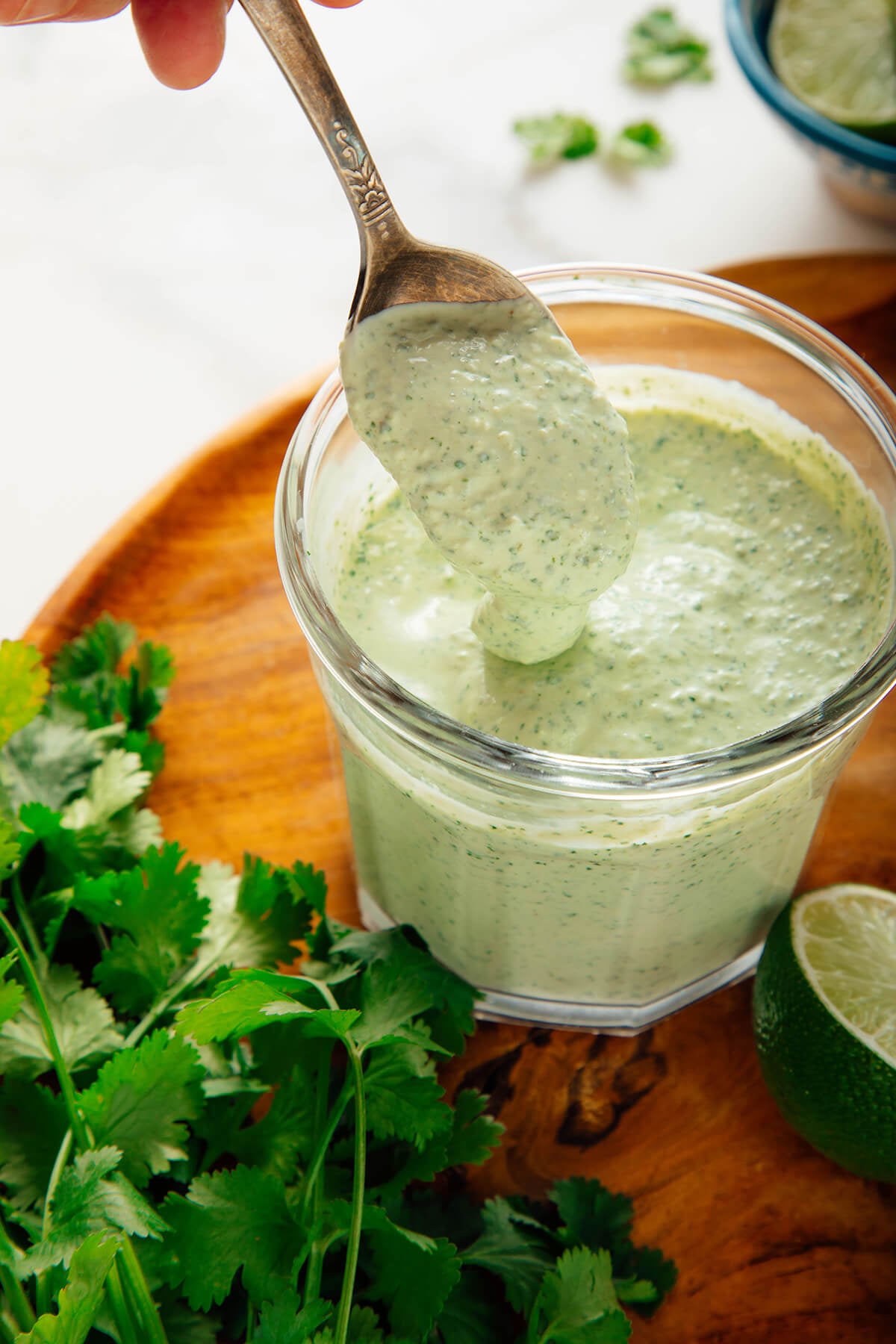
A hallmark of a truly successful sauce is its versatility, and the cilantro lime sauce proves to be exceptionally adaptable across a range of culinary applications. Beyond its intended use in burrito bowls, it elevates popular Mexican-inspired dishes such as nachos, quesadillas, and tacos, offering a fresh, zesty counterpoint to richer ingredients. Its creamy texture and vibrant flavor also make it an excellent accompaniment to grilled meats like steak, where it can be drizzled liberally, much like a chimichurri.
For lighter fare, the sauce can be easily transformed into a distinctive salad dressing with the addition of a dollop of mayonnaise or a touch more lime juice and olive oil to achieve a thinner consistency. It also serves as an outstanding dip for tortilla chips, crudités, or as a flavorful spread for sandwiches and wraps. The "Cookie and Kate" article further illustrates its use with plant-based options like sofritas, avocado, and cilantro, demonstrating its broad appeal across various dietary preferences.
The emergence of this meticulously reverse-engineered cilantro lime sauce recipe highlights a significant moment in contemporary culinary culture. It is a testament to the power of online communities, the ingenuity of home cooks, and the enduring appeal of delicious, well-crafted flavors. As consumers increasingly seek to merge the convenience and taste of restaurant dining with the comfort and control of home cooking, the role of food blogs and recipe developers in bridging this gap becomes ever more critical. This particular sauce, inspired by Chipotle, is poised to become a staple in many home kitchens, serving as a vibrant example of how culinary inspiration can transcend its original setting and enrich the broader gastronomic landscape. The collaborative spirit of sharing such recipes ensures that beloved flavors are not just enjoyed, but also understood, replicated, and celebrated by a wider audience, fostering a more engaged and empowered community of eaters and creators.
