

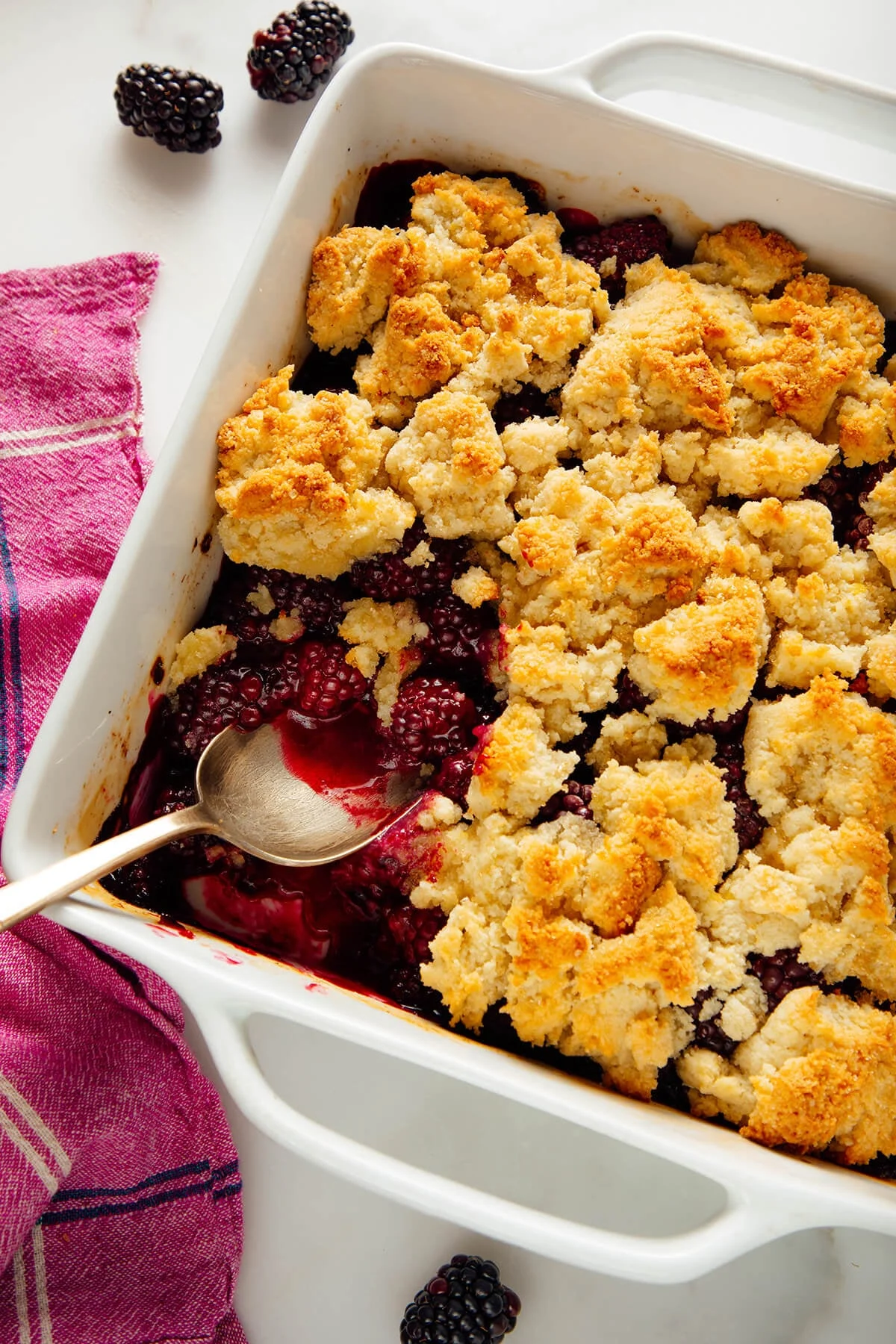
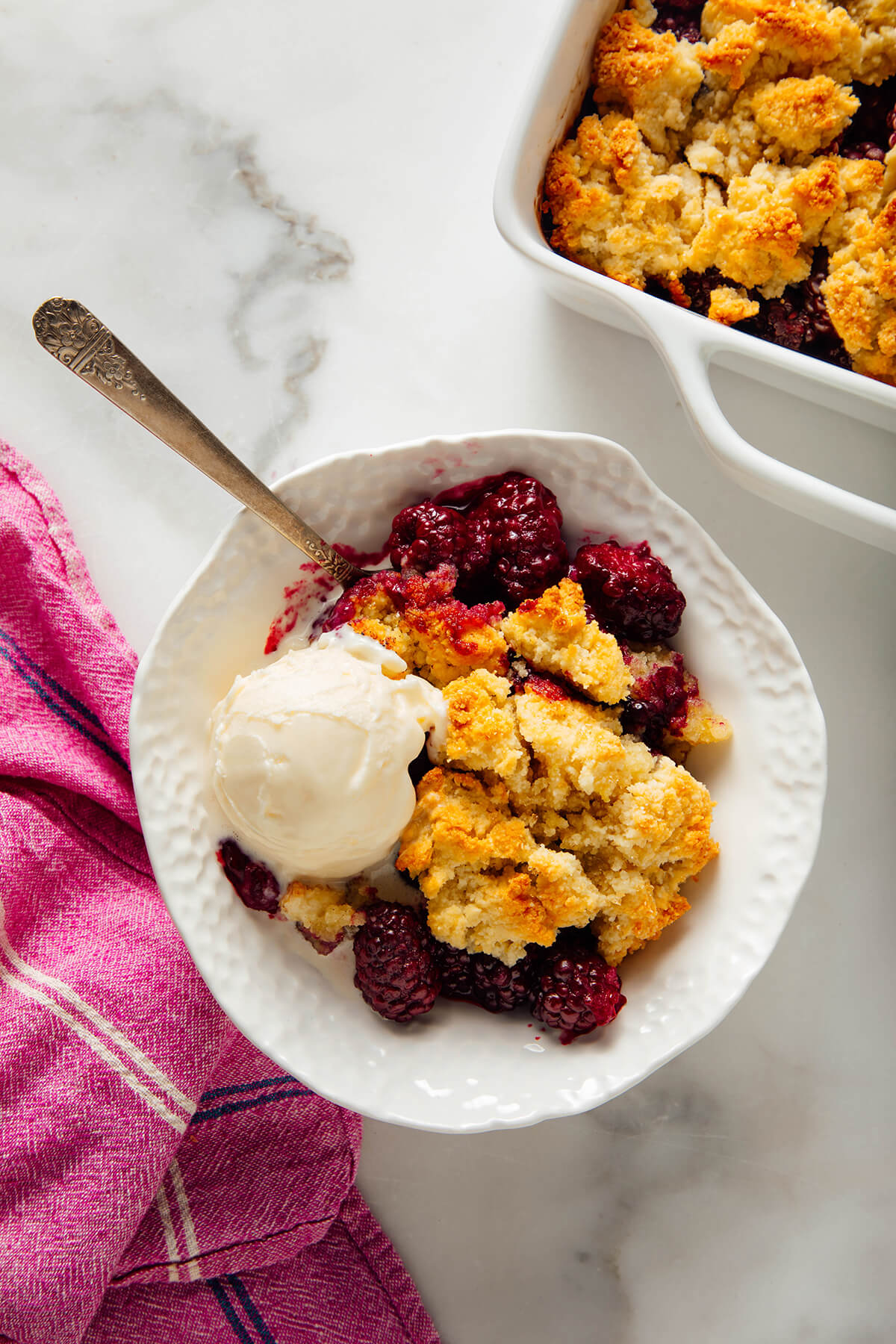
The acclaimed food blog, Cookie and Kate, has unveiled a new gluten-free blackberry cobbler recipe, poised to become a quintessential summer dessert. Crafted by bestselling cookbook author Kathryne Taylor, this iteration features a vibrant, jammy blackberry filling beneath a tender, golden scone-like topping made from almond flour. The recipe is being lauded by home bakers and culinary enthusiasts for its accessibility, innovative use of ingredients, and exceptional flavor profile, marking a significant contribution to the growing repertoire of health-conscious and seasonal baking.
This latest offering from Taylor’s kitchen arrives at a time when home baking continues to experience a robust resurgence, driven by a confluence of factors including increased interest in culinary wellness, a desire for comforting homemade goods, and the exploration of diverse dietary alternatives. The blackberry cobbler, with its emphasis on fresh, seasonal fruit and a gluten-free crust, perfectly encapsulates these contemporary culinary currents, providing a refined yet simple dessert solution for a broad audience. Its unique combination of lemon zest, a hint of cinnamon, and the subtle tang of Greek yogurt in the topping elevates it beyond a mere fruit dessert, prompting many to inquire into the secret behind its distinctive allure.
The Resurgence of Home Baking and the Gluten-Free Movement
The past decade has witnessed a sustained elevation of home baking from a domestic chore to a celebrated pastime and even a form of self-care. This trend intensified during global lockdowns, when individuals sought solace and productivity in their kitchens, leading to a dramatic increase in sales of baking ingredients and equipment. Even as life normalized, the passion for homemade goods has largely persisted, transforming temporary habits into lasting lifestyle choices. Online platforms, particularly food blogs like Cookie and Kate, have played an instrumental role in this revival, democratizing complex culinary techniques and inspiring millions with approachable, high-quality recipes.
Concurrently, the demand for gluten-free options has surged, transitioning from a niche requirement for those with celiac disease or gluten sensitivity to a mainstream preference for many seeking perceived health benefits or simply diverse dietary experiences. The global gluten-free market was valued at over $6 billion in 2023 and is projected to grow significantly, indicating a sustained consumer shift towards specialized dietary products. This growth is not merely about avoidance but about innovation, as bakers and food developers increasingly experiment with alternative flours to create products that rival their traditional counterparts in taste and texture. Almond flour, derived from finely ground blanched almonds, has emerged as a leading alternative, prized for its subtle nutty flavor, moist texture, and nutritional profile, which includes healthy fats, protein, and fiber. Its versatility has made it a staple in gluten-free baking, demonstrating its efficacy in a wide range of applications from cakes and cookies to pie crusts and, notably, cobbler toppings.
Kathryne Taylor’s previous successful ventures into gluten-free fruit cobblers, including her popular peach and blueberry variations, underscore her expertise in harnessing almond flour’s unique properties. These earlier recipes established a precedent for delicious, tender, and perfectly golden toppings that have garnered widespread approval, paving the way for the anticipation surrounding this new blackberry rendition.
A Chronology of Culinary Innovation: From Humble Origins to Modern Adaptations
The cobbler, a dessert deeply rooted in American culinary tradition, traces its origins back to early European settlers who adapted traditional steamed puddings to the ingredients and cooking methods available in the New World. Lacking proper ovens and sometimes scarce flour, they would "cobble" together a fruit filling with dollops of biscuit-like dough on top, baking it over an open fire or in a Dutch oven. This rustic approach gave the dessert its characteristic "cobbled" appearance, distinguishing it from pies or crisps.
Over centuries, the cobbler evolved, with regional variations emerging across the United States. Southern cobblers often feature a more cake-like topping, while other regions might lean towards a biscuit or scone-like consistency. The choice of fruit has always been dictated by seasonality, with peaches, apples, berries, and cherries being perennial favorites.
In the modern culinary landscape, the cobbler has continued to adapt, reflecting contemporary dietary preferences and ingredient availability. The late 20th and early 21st centuries saw an increased focus on lighter preparations, less sugar, and the incorporation of diverse flours. The rise of culinary blogs and online recipe sharing platforms, which began to gain significant traction in the early 2010s, provided a new avenue for home cooks and professional chefs alike to share innovative takes on classic dishes. Kathryne Taylor launched Cookie and Kate in 2010, quickly establishing it as a go-to resource for wholesome, vegetarian recipes with a strong emphasis on fresh produce. Her consistent exploration of gluten-free alternatives, beginning with her earlier cobbler recipes, represents a significant chapter in this ongoing evolution, culminating in the precise and flavorful blackberry cobbler recipe released in the current season. This timeline illustrates a clear progression from necessity-driven culinary invention to a deliberate, health-conscious refinement of a beloved classic.
The Allure of Blackberries: Seasonal Gem and Culinary Catalyst
Blackberries, quintessential summer fruit, are celebrated not only for their deep, sweet-tart flavor but also for their impressive nutritional profile. Rich in antioxidants, vitamins C and K, and dietary fiber, they offer both a delightful sensory experience and tangible health benefits. Their peak season, typically from June through August in many regions, makes them a prime candidate for seasonal desserts, aligning perfectly with the growing consumer preference for fresh, locally sourced produce.
The unique quality of blackberries, as noted by culinary experts, is their transformative nature under heat. When baked, the fruit’s natural sugars caramelize, and its complex floral undertones intensify, creating a "jammy" consistency that is both comforting and sophisticated. This characteristic makes them particularly well-suited for cobblers, where the warmth of the oven coaxes out their deepest flavors, creating a rich, bubbling filling that perfectly complements the tender topping.
The market for blackberries, both fresh and frozen, has seen steady growth. Data from agricultural agencies indicate a consistent demand, with consumers increasingly incorporating berries into their diets for breakfast, snacks, and desserts. The versatility of blackberries, which can be used fresh, frozen, or in preserves, ensures their availability and appeal throughout the year, though fresh, in-season berries remain the gold standard for recipes like this cobbler. The ability to use frozen berries, as highlighted in the recipe notes, further extends its seasonal utility, allowing home bakers to enjoy this dessert even outside the peak summer months, provided proper defrosting techniques are employed.
Distinctive Elements and the Art of the Two-Step Bake
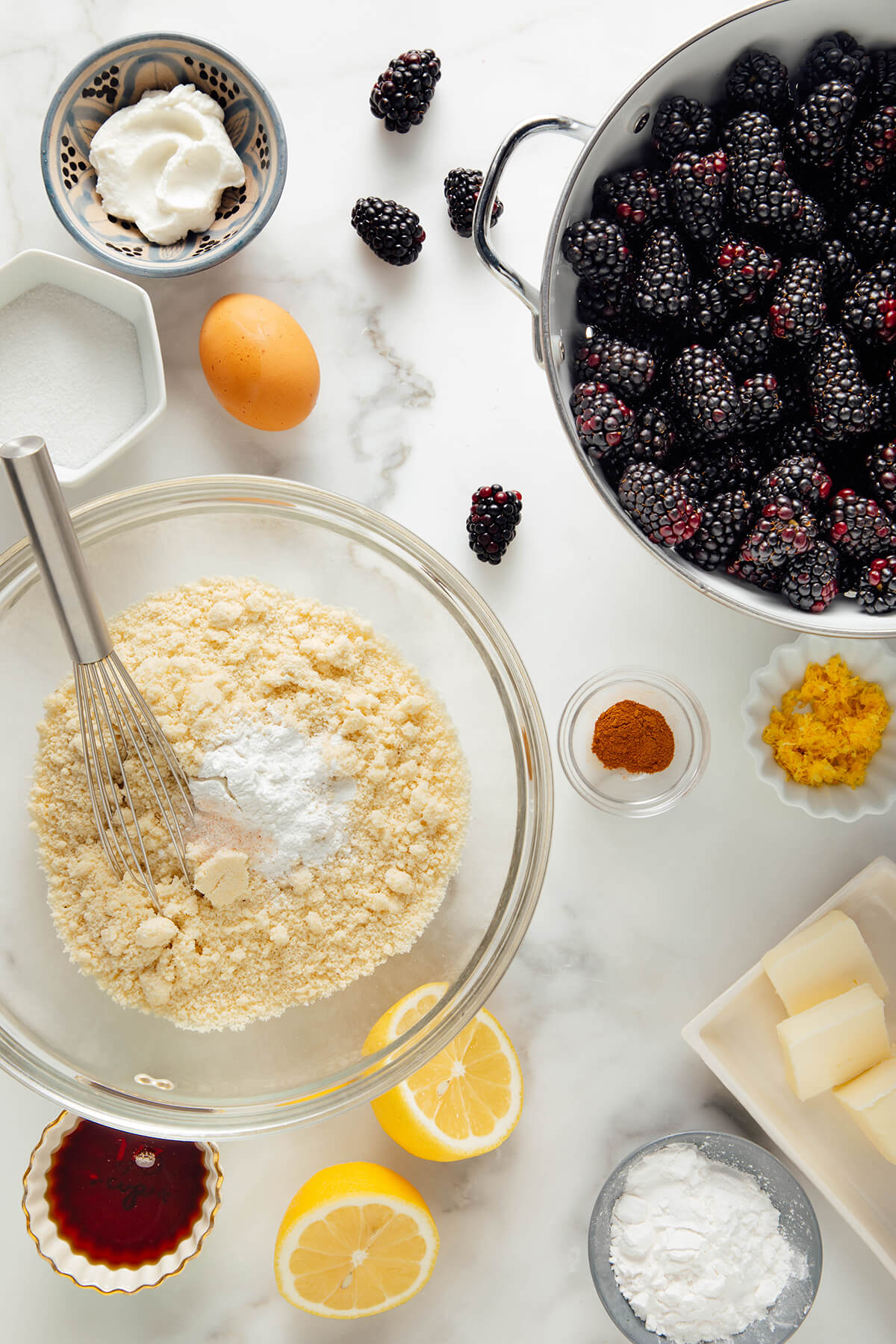
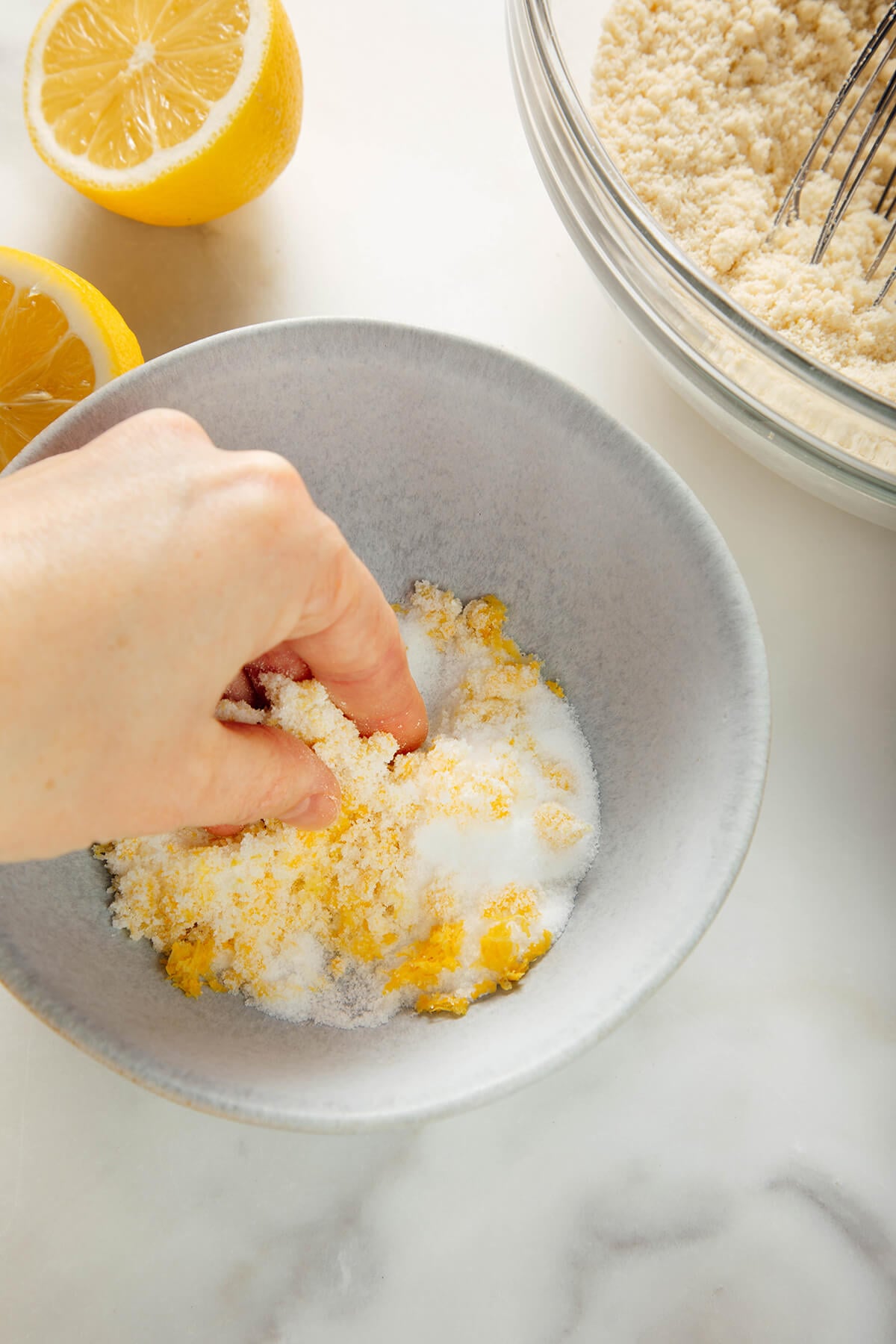
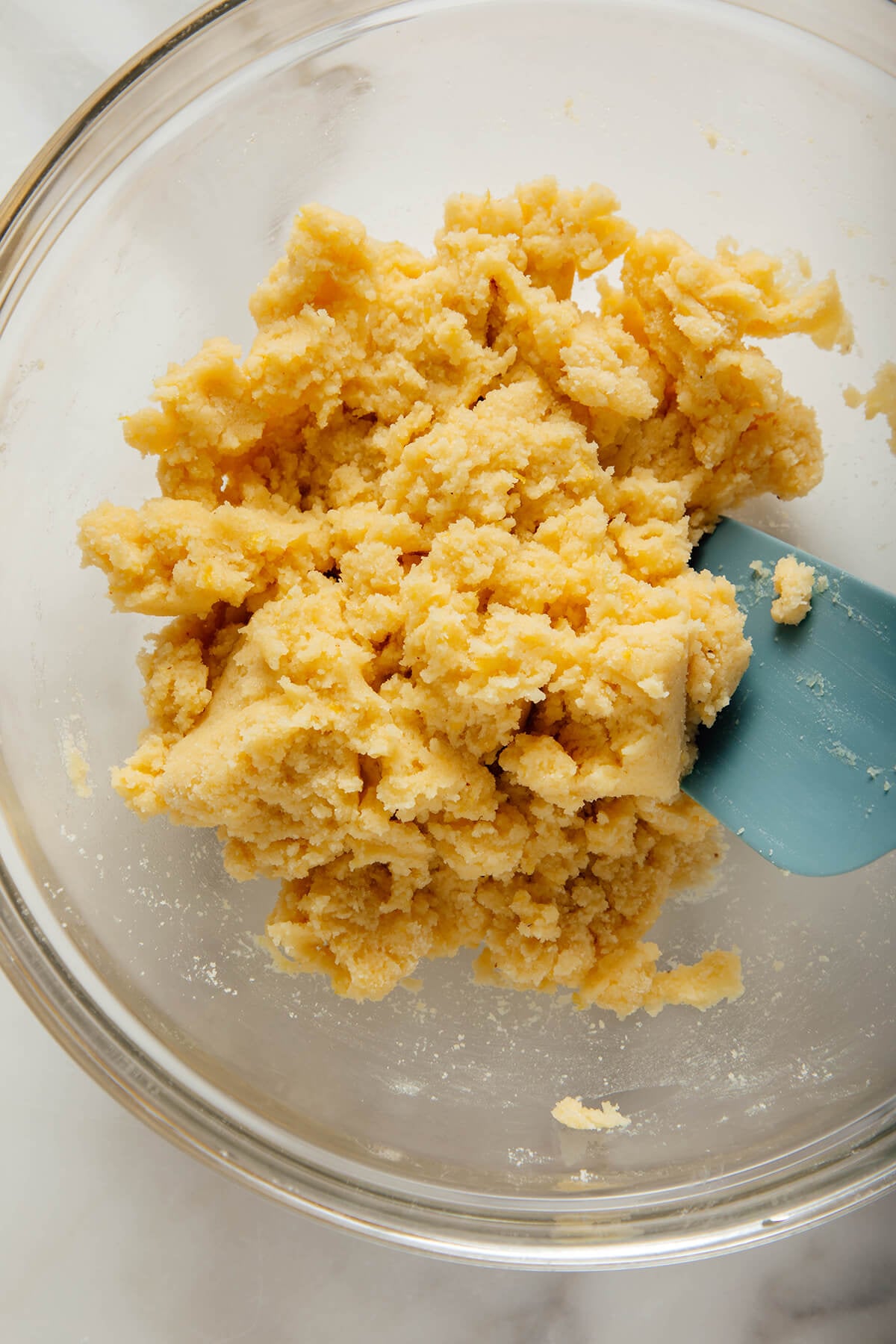
The Cookie and Kate blackberry cobbler distinguishes itself through several thoughtful inclusions and a meticulously designed baking process. The subtle addition of lemon zest brightens the overall flavor profile, providing a counterpoint to the sweetness of the berries and preventing the dessert from becoming cloying. A touch of cinnamon introduces a warm, aromatic note that harmonizes beautifully with the fruit, while Greek yogurt in the almond flour topping contributes a delicate tang and moisture, resulting in a more tender and flavorful crust compared to conventional recipes. These elements, though seemingly minor, collectively enhance the complexity and depth of the dessert, fulfilling the promise of a truly "special" taste experience.
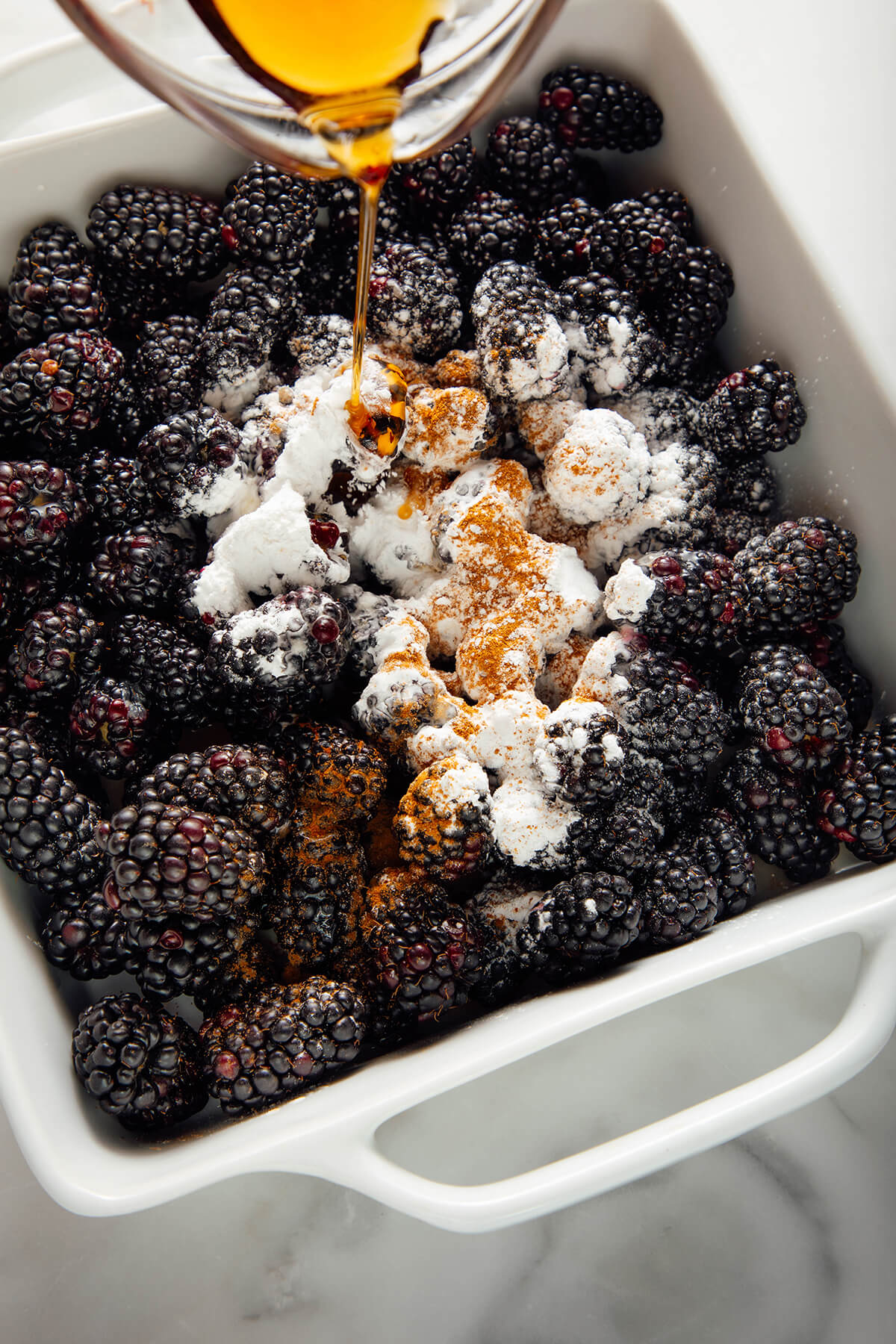
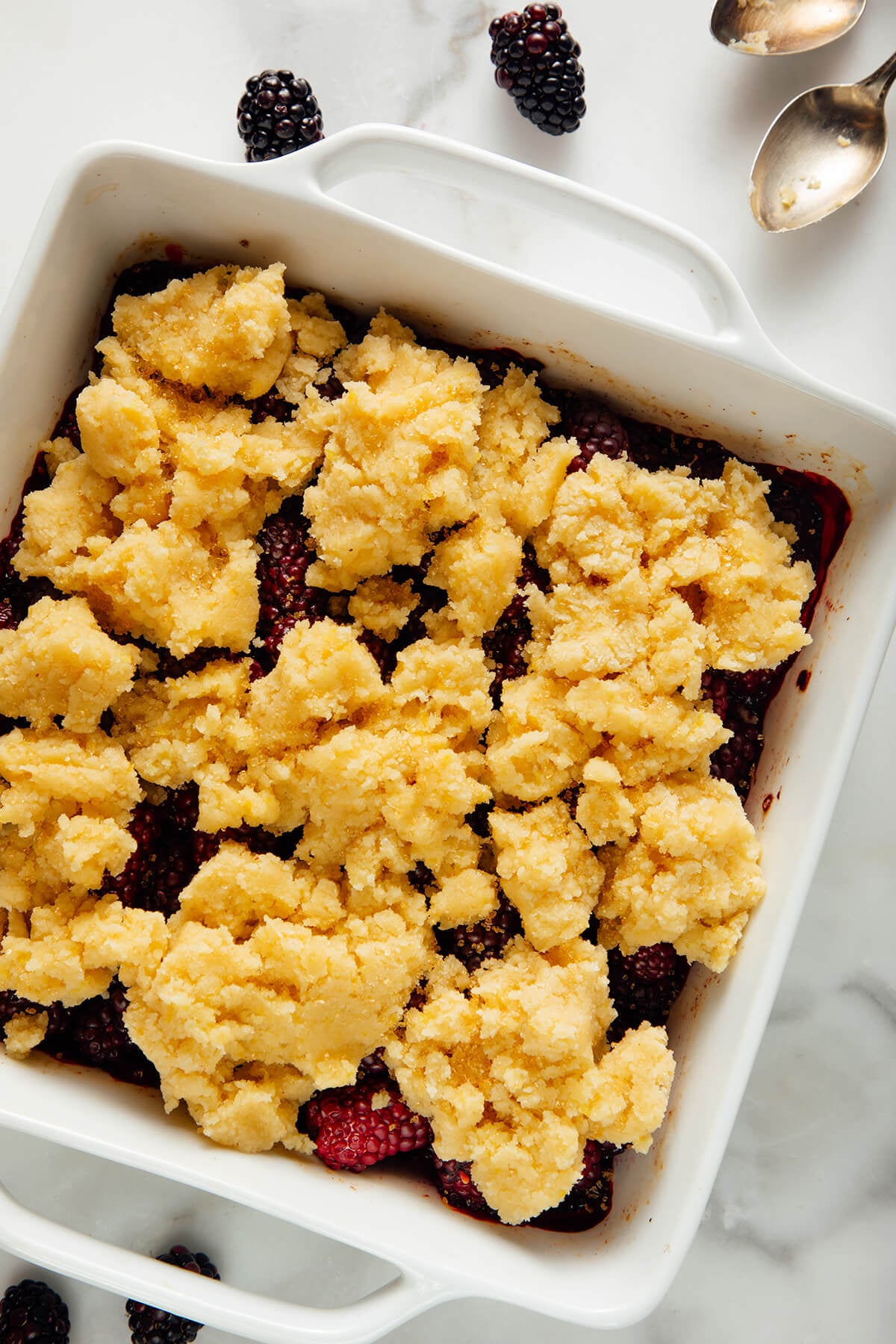
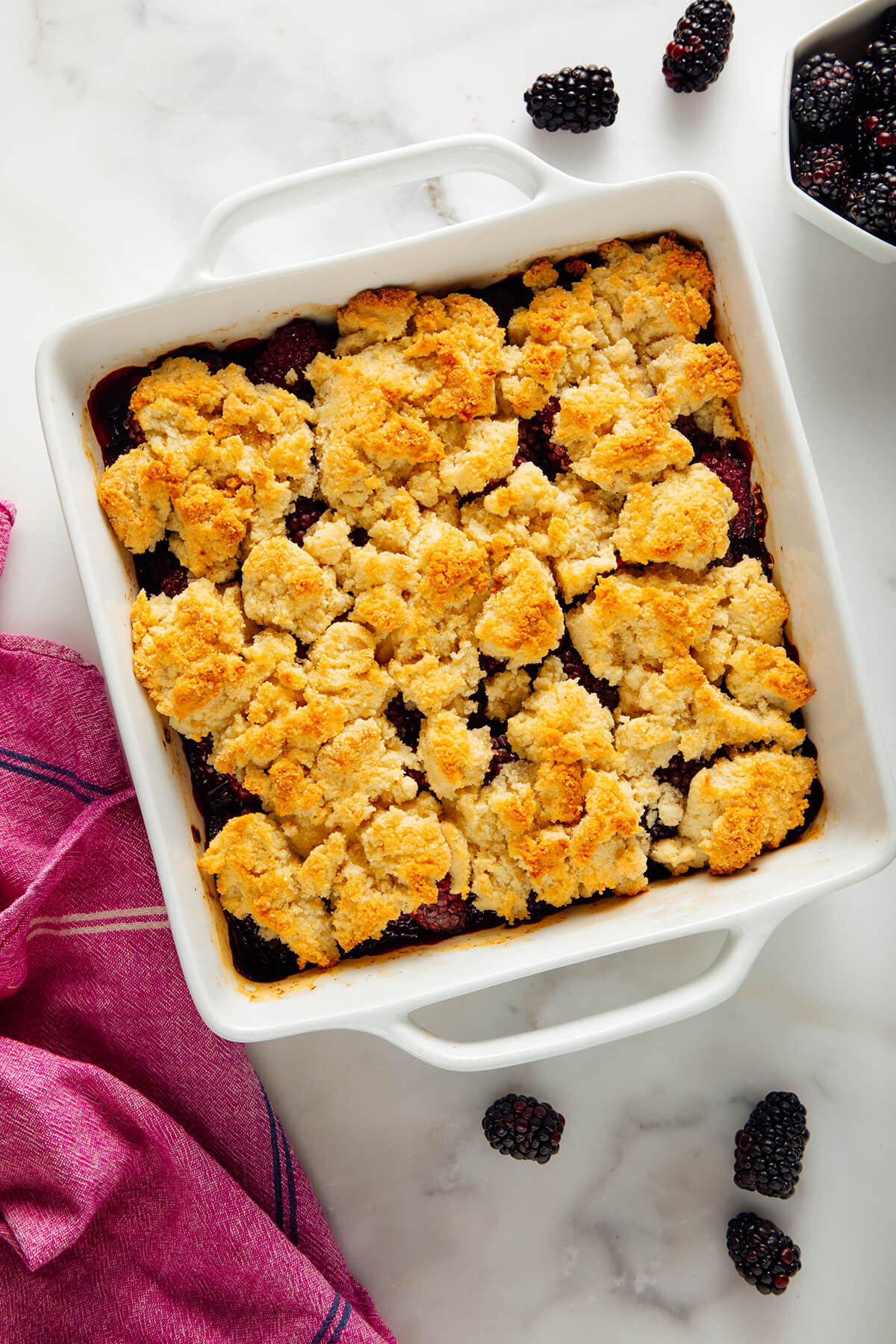
Crucially, the recipe employs a two-step baking process, a technique that has garnered attention for its effectiveness in achieving optimal results. Initially, the blackberry filling is baked alone for a period, allowing the fruit to soften, release its juices, and condense into a rich, bubbly base. This preliminary bake ensures the filling reaches the desired consistency and temperature before the topping is added. Subsequently, the scone-like almond flour topping is carefully placed over the partially cooked fruit and baked until golden brown and cooked through. This sequential approach prevents the topping from over-browning or drying out while the fruit beneath is still cooking, a common pitfall in single-stage cobbler recipes. Culinary science dictates that different components of a dish require different cooking times and conditions to achieve their ideal texture and flavor, and this two-step method elegantly addresses that principle, yielding a perfectly balanced dessert where both the filling and the topping reach their peak simultaneously.
Industry Reactions and Consumer Reception
Initial reactions from culinary experts and early testers suggest that Kathryne Taylor’s gluten-free blackberry cobbler is likely to be a significant success. Food critics are expected to commend its thoughtful balance of flavors and textures, particularly the nuanced interplay between the fruit and the almond flour topping. "This recipe demonstrates a sophisticated understanding of both gluten-free baking and fruit desserts," stated Dr. Eleanor Vance, a prominent food historian and culinary commentator. "It respects the tradition of the cobbler while innovating for contemporary palates and dietary needs."
Dietitians and nutritionists are anticipated to praise the recipe for its healthier profile. "The use of almond flour not only makes it gluten-free but also adds a beneficial dose of protein and healthy fats, making it a more satiating dessert option," commented Registered Dietitian Maria Rodriguez. "It’s an excellent example of how indulgent treats can be crafted with mindful ingredients."
The home baking community, a loyal following for Cookie and Kate, is already showing signs of enthusiasm. Online forums and social media channels dedicated to baking are buzzing with discussions about the recipe’s introduction, with many expressing eagerness to try it. The clear, concise instructions and helpful tips, including guidance on using frozen blackberries and specific almond flour recommendations, are expected to foster high rates of success among home bakers of all skill levels, further cementing the recipe’s popularity.
Economic and Health Implications
The widespread adoption of this blackberry cobbler recipe could have several notable implications. Economically, it may contribute to a sustained demand for fresh and frozen blackberries during their respective seasons, benefiting fruit growers and suppliers. Similarly, the specific endorsement and successful application of almond flour in a popular recipe could lead to an uptick in its sales, impacting the market for alternative flours. Manufacturers of kitchen essentials, such as 9-inch square bakers, might also observe increased interest.
From a public health perspective, the recipe’s prominence reinforces the value of seasonal eating and the incorporation of nutrient-rich fruits into one’s diet. By offering a delicious and accessible gluten-free option, it supports individuals with dietary restrictions, enabling them to enjoy classic desserts without compromise. Furthermore, it continues to educate the broader public on the viability and deliciousness of alternative ingredients, potentially encouraging more diverse and inclusive culinary practices in homes and commercial kitchens. The emphasis on homemade desserts, as opposed to highly processed store-bought alternatives, also aligns with broader wellness trends encouraging greater control over ingredients and preparation methods.
Future Outlook and Broader Trends
The introduction of this gluten-free blackberry cobbler serves as a micro-indicator of larger trends shaping the culinary world. The ongoing quest for recipes that balance indulgence with health consciousness, the celebration of seasonal produce, and the continuous innovation in alternative ingredients are not fleeting fads but fundamental shifts. Kathryne Taylor’s latest recipe positions itself squarely within these developments, offering a timely and compelling example of how traditional comfort foods can be reimagined for a modern audience without sacrificing flavor or appeal. As consumers increasingly seek transparent, wholesome, and adaptable culinary experiences, recipes like this cobbler are not just desserts; they are statements on the evolving landscape of food and lifestyle choices, promising a future where deliciousness and dietary needs harmoniously coexist.
