

A significant patent dispute surrounding ubiquinol, the reduced form of Coenzyme Q10 (CoQ10), has taken a dramatic turn, with a federal court invalidating key claims in a patent held by Kaneka Corporation. This decision, issued on September 2, 2024, by the U.S. District Court for the Eastern District of New York, has prompted Kaneka to announce its intention to appeal, signaling a prolonged legal battle with competitor Cocrystal Technology. This development underscores the ongoing complexities and high stakes within the supplement industry’s intellectual property landscape, while simultaneously, emerging scientific research continues to illuminate the potential of various dietary compounds.
Kaneka’s Ubiquinol Patent Faces Legal Challenge, Appeal Planned
The legal proceedings originated in 2023 when Kaneka Corporation, a prominent Japanese chemical company, accused Cocrystal Technology of infringing upon its patent concerning the stabilization of reduced CoQ10, widely known as ubiquinol. Ubiquinol is a highly bioavailable form of CoQ10, an essential antioxidant produced naturally in the body and crucial for cellular energy production. Its stability has been a significant focus for manufacturers aiming to deliver effective CoQ10 supplements to consumers.
However, the U.S. District Court for the Eastern District of New York delivered a significant blow to Kaneka’s claims, ruling that two specific claims within its patent (U.S. Patent No. 7,829,080 B2) were invalid due to a lack of enablement. This means the court determined that the patent did not adequately describe how to practice the invention, rendering those claims unenforceable. The court’s dismissal of Kaneka’s lawsuit against Cocrystal Technology marks a pivotal moment in this intellectual property conflict.
This recent ruling stands in contrast to a previous judgment in February 2024 from the U.S. District Court for the District of Delaware. In that instance, Kaneka had filed a separate lawsuit in 2021 against Designs for Health and American River Nutrition, and the Delaware court had ruled in Kaneka’s favor, finding infringement of its patent. This discrepancy in judicial outcomes highlights the nuanced nature of patent law and the potential for differing interpretations of evidence and claims.
In response to the New York ruling, Kaneka issued a firm statement asserting its continued belief in the validity of its intellectual property. "The New York ruling should not be interpreted as permission for third parties to disregard Kaneka’s intellectual property rights," the company stated on its website. Kaneka emphasized its commitment to protecting its innovations, adding, "Kaneka reserves all rights and will continue to monitor the market and take appropriate legal action against parties that infringe those rights." The company has confirmed its intention to file an immediate appeal with the U.S. Court of Appeals for the Federal Circuit, a court specializing in patent law.
Cocrystal Technology, meanwhile, views the New York court’s decision as a significant victory and plans to proceed with marketing its reduced CoQ10 ingredient, which was previously trademarked as Crystal QH and will now be branded as CrysQnol in the U.S. market. Xuefeng Mei, founder of Cocrystal, expressed his satisfaction with the court’s decision, stating, "Our focus has never been on following an established path, but on solving difficult scientific problems through our own research and technology. The ruling marks not an endpoint, but an opportunity to bring our technology to more customers and continue innovating in the U.S. market." This sentiment underscores the competitive drive within the ingredient supplier space, where technological advancement and intellectual property rights are often intertwined.
Implications of the Kaneka v. Cocrystal Ruling

The invalidation of patent claims by the Eastern District of New York has significant implications for the ubiquinol market. Kaneka has long been a dominant player in the CoQ10 and ubiquinol market, with its patent serving as a protective barrier for its stabilized ubiquinol technology. The invalidation of these claims could potentially open the door for increased competition and innovation from other companies looking to enter or expand their presence in the ubiquinol ingredient sector.
For consumers, this could translate into a broader range of ubiquinol product offerings and potentially more competitive pricing. However, the ongoing appeal process means the legal landscape remains unsettled. The U.S. Court of Appeals for the Federal Circuit will now have the opportunity to review the district court’s decision. The outcome of this appeal could have a lasting impact on how ubiquinol-related patents are interpreted and enforced in the future. The history of patent disputes in the supplement industry often involves complex scientific and legal arguments, and this case is unlikely to be an exception. The "enablement" standard in patent law requires that the patent sufficiently describe the invention so that a person skilled in the relevant art can make and use it without undue experimentation. The court’s finding of a lack of enablement suggests that Kaneka’s patent may not have met this threshold for the invalidated claims.
Emerging Scientific Frontiers: Niacin, Chicken Peptides, and Saffron
Beyond the legal arena, the scientific community continues to explore the multifaceted benefits of various compounds relevant to the dietary supplement industry. Recent research highlights promising findings related to niacin, chicken peptides, and saffron, offering new avenues for product development and consumer health benefits.
Niacin’s Evolving Role in Cardiovascular Health
New science reports are continually refining our understanding of niacin (Vitamin B3), particularly its role in cardiovascular health. While niacin has long been recognized for its ability to improve cholesterol profiles, particularly by increasing HDL ("good") cholesterol and lowering LDL ("bad") cholesterol and triglycerides, recent studies are delving deeper into its mechanisms and potential therapeutic applications. Beyond its well-established lipid-modifying effects, research is investigating niacin’s impact on inflammation and endothelial function, key components of cardiovascular disease.
For instance, studies are exploring how niacin’s metabolic pathways might influence inflammatory markers in the bloodstream, potentially offering a dual benefit for heart health. Furthermore, investigations into its effects on the endothelium, the inner lining of blood vessels, are examining how niacin might improve vasodilation and reduce the risk of plaque buildup. While prescription-strength niacin has been used for decades, the ongoing research aims to better understand optimal dosages, formulations, and specific patient populations who might benefit most from supplementation, whether through dietary sources or fortified products. The challenge remains in mitigating some of niacin’s known side effects, such as the "niacin flush," through improved delivery systems and controlled-release formulations, which are areas of active research and product development within the supplement industry.
Chicken Pectoral Muscle Peptides: A Novel Source of Bioactive Compounds
Chicken pectoral muscle peptides are emerging as a novel source of bioactive compounds with potential health benefits. Derived from chicken breast muscle through enzymatic hydrolysis, these peptides are small chains of amino acids that can be more easily absorbed and utilized by the body compared to intact proteins. Emerging research suggests these peptides may possess a range of physiological effects, including potential benefits for muscle health, immune function, and even stress reduction.
Early studies have indicated that these peptides may play a role in promoting muscle protein synthesis, which is crucial for muscle repair and growth, particularly in athletes or older adults experiencing sarcopenia. Additionally, some research points towards immunomodulatory properties, suggesting that chicken peptides could help support a balanced immune response. The stress-reducing potential is another area of growing interest, with preliminary findings suggesting a possible influence on neurotransmitter activity. The supplement industry is exploring ways to incorporate these peptides into functional foods, beverages, and dietary supplements, capitalizing on their perceived benefits and the consumer appeal of protein-derived ingredients. Further clinical trials are needed to substantiate these preliminary findings and define optimal applications.
Saffron: Unveiling its Potential in Mood Support and Cognitive Function
Saffron, the crimson threads derived from the Crocus sativus flower, has a long history of use in traditional medicine and culinary applications. In recent years, scientific research has begun to validate some of its purported benefits, particularly in the areas of mood support and cognitive function. Studies suggest that active compounds in saffron, such as crocin and safranal, may interact with neurotransmitter systems in the brain, including serotonin, dopamine, and norepinephrine, which are critical for mood regulation.
Several clinical trials have investigated saffron’s efficacy as an adjunct therapy for mild to moderate depression, with some studies demonstrating significant improvements in mood scores compared to placebo. The proposed mechanisms of action involve saffron’s antioxidant and anti-inflammatory properties, which may contribute to neuroprotection and improved brain health. Beyond mood, research is also exploring saffron’s potential to enhance cognitive functions such as memory and learning. The bioavailability and standardized extraction of key compounds are critical factors in developing effective saffron-based supplements. As research continues to shed light on saffron’s complex pharmacology, its application in supplements targeting mental well-being and cognitive performance is expected to grow.
Innovative Delivery Method for Sulforaphane
In the realm of finished product innovation, a notable development has emerged regarding the delivery of sulforaphane. Sulforaphane, a potent antioxidant and anti-inflammatory compound found abundantly in cruciferous vegetables like broccoli, is known for its significant health benefits, including its potential role in detoxification pathways and cancer prevention. However, its bioavailability and stability can be challenging to optimize in supplement form.
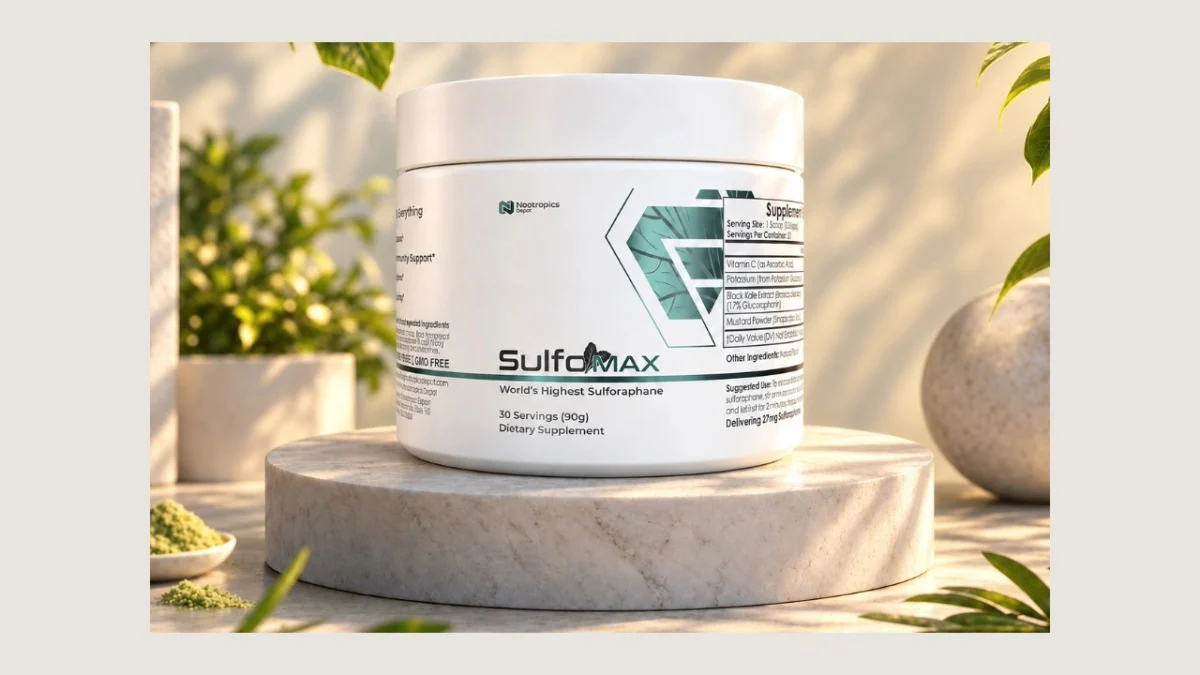
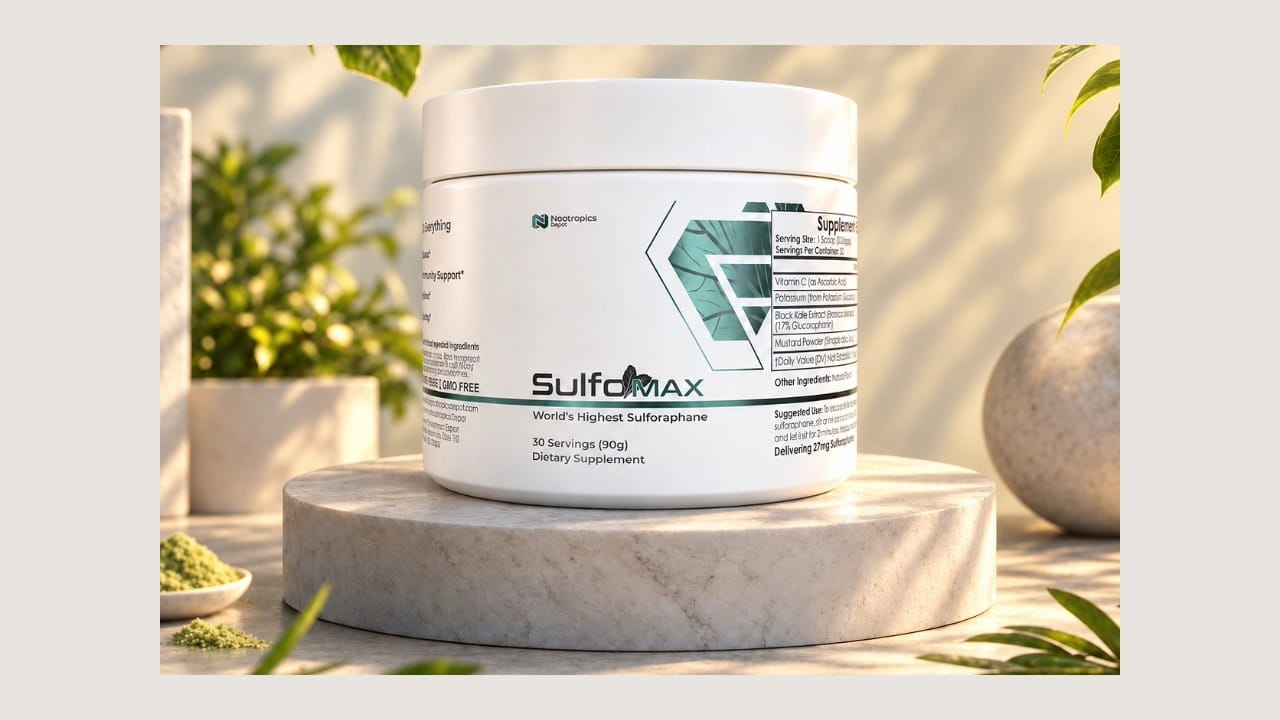
Nootropics Depot has introduced a new dietary supplement, SulfoMax, which utilizes an innovative delivery method for sulforaphane. This product combines black kale and mustard, key sources of glucosinolates and the enzyme myrosinase, which are necessary for the in-situ formation of sulforaphane when the powder is mixed with water. This "activated" delivery system aims to enhance the stability and bioavailability of sulforaphane by facilitating its conversion in the digestive tract immediately prior to absorption. This approach represents a significant advancement in harnessing the full potential of sulforaphane, addressing previous limitations associated with its delivery and efficacy in dietary supplements. The product’s design allows consumers to mix the powder with water, initiating the enzymatic reaction that produces the active compound, thereby maximizing its therapeutic potential. This innovation highlights the ongoing quest within the supplement industry to develop sophisticated delivery systems that improve the efficacy and consumer experience of beneficial compounds.
The supplement industry is a dynamic landscape where scientific discovery, regulatory challenges, and market innovation constantly intersect. The ongoing legal battles over intellectual property, coupled with the continuous emergence of new scientific data and sophisticated product development, underscore the sector’s complexity and its crucial role in supporting global health and wellness. As research progresses and legal precedents are set, the industry will continue to adapt, offering consumers an ever-expanding array of evidence-backed nutritional solutions.
