

The dietary supplement industry is currently navigating a dynamic landscape marked by significant shifts in brand ownership, emerging preclinical research, and the strategic launch of new products incorporating trending ingredients like creatine, Nicotinamide Mononucleotide (NMN), and saffron. This period of intense activity reflects a maturing market that is simultaneously consolidating, exploring novel scientific avenues, and responding to consumer demand for scientifically backed and innovative wellness solutions.
cbdMD’s Acquisition of Twinlab Brands Signals Continued Consolidation Trend
The announcement on September 2nd that cbdMD, a prominent player in the CBD and hemp sector, has entered into a definitive agreement to acquire the venerable Twinlab brands marks the latest significant transaction in a series of high-profile acquisitions reshaping the supplement industry. This move follows closely on the heels of other major deals, including Procter & Gamble’s agreement to purchase Thorne, a move that signaled a major consumer packaged goods (CPG) giant’s strategic investment in the science-backed supplement space. Earlier, Kirin Holdings had announced its intention to acquire Jamieson Wellness, a Canadian supplement company with a long-standing reputation. Furthermore, Nestlé recently divested its Holistic Health platform for a reported $1 billion, indicating a strategic refocusing by large corporations.
The cbdMD acquisition is particularly noteworthy as it represents a significant expansion for a company primarily known for its CBD and hemp-derived products into the legacy supplement market. The acquisition encompasses a portfolio of established brands including Twinlab, Reserveage, Metabolife, and Alvita Tea. This strategic integration is projected to boost cbdMD’s revenue by an impressive 40%, underscoring the financial potential of combining emerging wellness categories with established consumer trust.
Ronan Kennedy, CEO of cbdMD, emphasized the strategic rationale behind the acquisition, stating, "Twinlab is the kind of brand equity that companies spend decades trying to build. The brands, distribution channels, and team are highly complementary to what we already operate, and this transaction gives these brands the stability and support they need for their next chapter." This sentiment highlights the enduring value of established brand recognition and distribution networks in a competitive market.
Anthony Zolezzi, CEO of Twinlab, echoed this enthusiasm, viewing the acquisition as a positive step for the acquired brands. "cbdMD is the right home for these brands," he remarked. "Together, we will bring a uniquely complete wellness portfolio spanning foundational vitamins, minerals and nutrition through botanicals, beauty, longevity, functional mushrooms, cannabinoids and the emerging breakthroughs defining where this industry is headed." This statement points towards a future vision of a comprehensive wellness offering that leverages both traditional supplements and cutting-edge ingredients.
The wave of consolidation is not confined to finished product brands. In a move that solidifies its position in the ingredient supply chain, BIO-CAT, a leading supplier of enzymes and microbial ingredients, announced on July 31st that Lallemand, a global leader in yeast and bacteria, had completed its acquisition of the company. Antoine Chagnon, CEO of Lallemand, stated that this acquisition significantly expands the company’s American footprint and enhances its presence within the dietary supplement market. This integration is expected to foster greater innovation in probiotic and enzyme-based supplements, a rapidly growing segment driven by consumer interest in gut health and digestive wellness.
Broader Market Dynamics and Implications of Consolidation
These acquisition trends are indicative of several key dynamics within the dietary supplement industry. Firstly, larger corporations are increasingly recognizing the significant growth potential and profitability of the wellness sector, prompting strategic investments through acquisitions. This is particularly true for companies with strong research and development capabilities and established scientific credibility, such as Thorne.

Secondly, companies with a strong foothold in emerging categories, like cbdMD with its expertise in cannabinoids, are looking to diversify and expand their market reach by acquiring established brands with existing consumer bases and distribution channels. This strategy allows them to leverage their existing infrastructure and gain immediate access to new market segments.
Thirdly, the divestment of non-core assets by large CPG companies, as seen with Nestlé, suggests a strategic reallocation of resources towards areas perceived to have higher growth or strategic importance. This creates opportunities for specialized companies to acquire established brands and integrate them into their own growth strategies.
The implications of this consolidation are multifaceted. For consumers, it could lead to a more streamlined market with fewer, larger players. This might result in increased brand recognition and potentially greater accessibility to certain products. However, it also raises questions about market competition and the potential for reduced consumer choice in the long term. For smaller, innovative companies, the increasing dominance of larger entities could present challenges in terms of market entry and scaling. Conversely, it may also spur innovation as companies strive to differentiate themselves in a more competitive environment.
The integration of diverse product portfolios, as envisioned by Zolezzi for the Twinlab brands under cbdMD, suggests a future where consumers can access a wider spectrum of wellness solutions from a single provider, spanning everything from foundational vitamins to advanced longevity ingredients and cannabinoids.
Clinical Currents and Scientific Advancements
Beyond the corporate landscape, the scientific underpinnings of the supplement industry continue to evolve, driving innovation and product development. While specific details on new preclinical research were not extensively elaborated in the provided text, the mention of a "botanical nutricosmetic" suggests a growing interest in ingredients that bridge the gap between internal health and external appearance. This area of research often focuses on compounds derived from plants that offer antioxidant, anti-inflammatory, or collagen-supporting benefits, appealing to a consumer base increasingly interested in holistic approaches to beauty and aging.
The emphasis on scientific validation is crucial in the supplement industry, where consumer trust is paramount. As research into the efficacy and safety of various ingredients continues, companies are increasingly leveraging scientific data to support their product claims and differentiate themselves in the market. This includes a growing focus on ingredients with robust clinical trial data, particularly for those targeting specific health outcomes such as cognitive function, immune support, and athletic performance.
Dietary Supplement Finished Product News: Innovation on Shelves
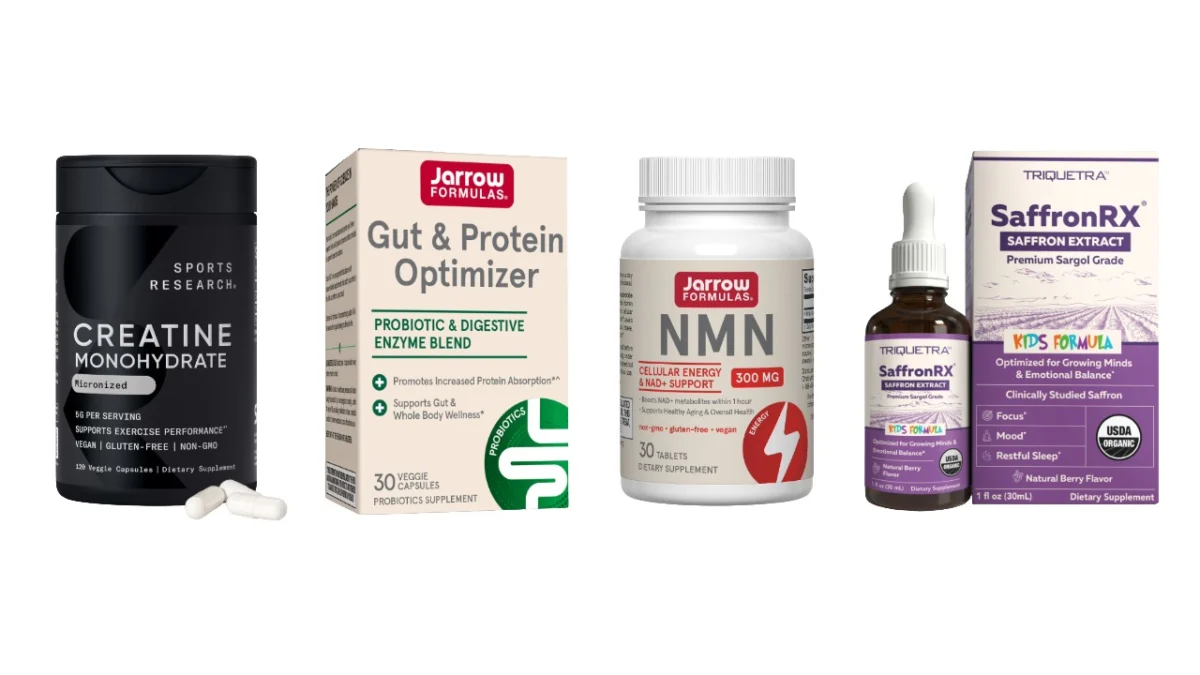
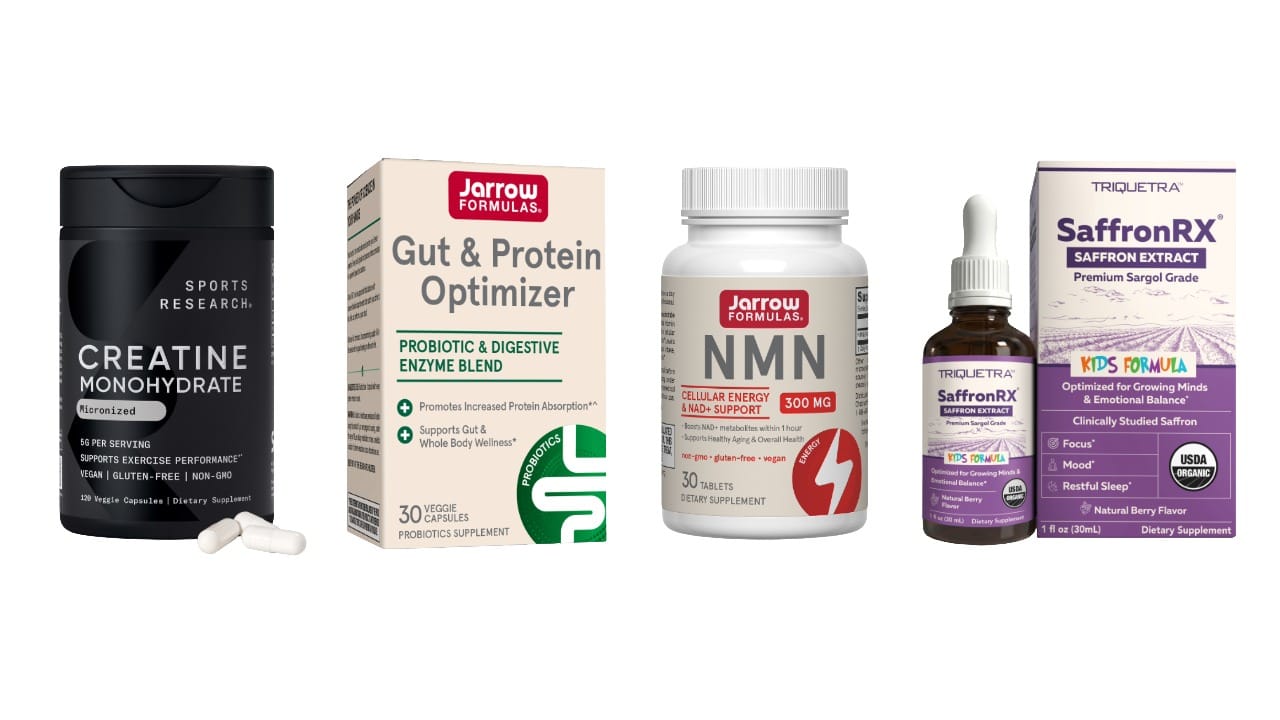
The latest wave of product launches reflects a keen awareness of emerging scientific trends and consumer demands. The inclusion of creatine, NMN, and saffron in new formulations highlights the industry’s responsiveness to scientifically supported ingredients with demonstrated benefits.
-
Creatine: This well-researched amino acid derivative is a staple in sports nutrition, known for its role in energy production and muscle strength. New product launches featuring creatine likely aim to expand its application beyond traditional bodybuilding, potentially targeting general fitness enthusiasts, older adults seeking to maintain muscle mass, or even exploring its cognitive benefits. The global creatine market is substantial and continues to grow, driven by increasing awareness of its performance-enhancing and health-promoting properties. Market research indicates a compound annual growth rate (CAGR) of approximately 6-7% for the creatine market, with projections suggesting it will reach several billion dollars in value in the coming years.
-
Nicotinamide Mononucleotide (NMN): NMN has garnered significant attention for its role as a precursor to NAD+ (nicotinamide adenine dinucleotide), a coenzyme vital for cellular energy production, DNA repair, and metabolic processes. As research into aging and cellular health progresses, NMN has emerged as a key ingredient in the longevity and anti-aging supplement space. Numerous studies, both preclinical and early-stage human trials, have explored NMN’s potential to improve metabolic function, enhance mitochondrial health, and combat age-related decline. The NMN market is experiencing rapid expansion, with projections indicating a CAGR exceeding 10-15% as consumer interest in cellular health and longevity solutions continues to rise.
-
Saffron: Known for its culinary and medicinal uses for centuries, saffron is gaining renewed interest in the supplement market for its potential mood-supporting and cognitive benefits. Emerging research suggests that specific compounds in saffron, such as crocin and safranal, may interact with neurotransmitter systems in the brain, offering a natural approach to managing mild to moderate mood disturbances and potentially improving cognitive function. The global saffron market, while smaller than creatine or NMN, is experiencing growth within the health and wellness sector, driven by its natural origin and perceived benefits for mental well-being.
The introduction of these ingredients into new product lines signifies a strategic move by manufacturers to capitalize on scientifically validated benefits and growing consumer interest. These launches underscore the industry’s commitment to providing consumers with innovative solutions that align with current research and evolving wellness priorities.
Company and Organization Updates: A Call for Innovation
The industry’s ongoing evolution is further underscored by the continuous pursuit of new scientific discoveries and product innovations. SupplySide Supplement Journal actively encourages companies to share their advancements, whether it involves the launch of novel ingredients, the publication of new clinical trials, or significant business announcements. This collaborative approach to information sharing is vital for fostering a dynamic and forward-thinking nutraceutical community. The journal’s invitation for companies to reach out highlights its role as a central platform for disseminating critical industry news and fostering a spirit of knowledge exchange.
Expert Insights and Future Outlook
Devon Gholam, Ph.D., an editor at SupplySide Supplement Journal, brings nearly two decades of experience in the functional food and nutraceutical industry. Her background in product development, innovation, technical sales, and technical writing provides valuable perspective on the industry’s trajectory. Gholam’s expressed passion for women’s health and her keen interest in the impact of GLP-1 medication on the food, beverage, and supplement industries reflect emerging areas of focus within the broader wellness landscape. The growing discussion around GLP-1 medications, while primarily pharmaceutical, has significant implications for the food and supplement sectors, potentially influencing appetite regulation, metabolic health, and dietary choices. This highlights the interconnectedness of health trends and the need for the supplement industry to adapt and innovate in response.
The current period of robust activity in the dietary supplement market—characterized by strategic acquisitions, burgeoning scientific research, and the introduction of innovative products—signals a maturing yet dynamic industry. The ongoing consolidation suggests a drive towards greater efficiency and market influence, while the focus on scientifically backed ingredients like creatine, NMN, and saffron demonstrates a commitment to meeting evolving consumer demands for evidence-based wellness solutions. As the industry continues to navigate these shifts, the interplay between corporate strategy, scientific advancement, and consumer interest will undoubtedly shape its future trajectory.
