

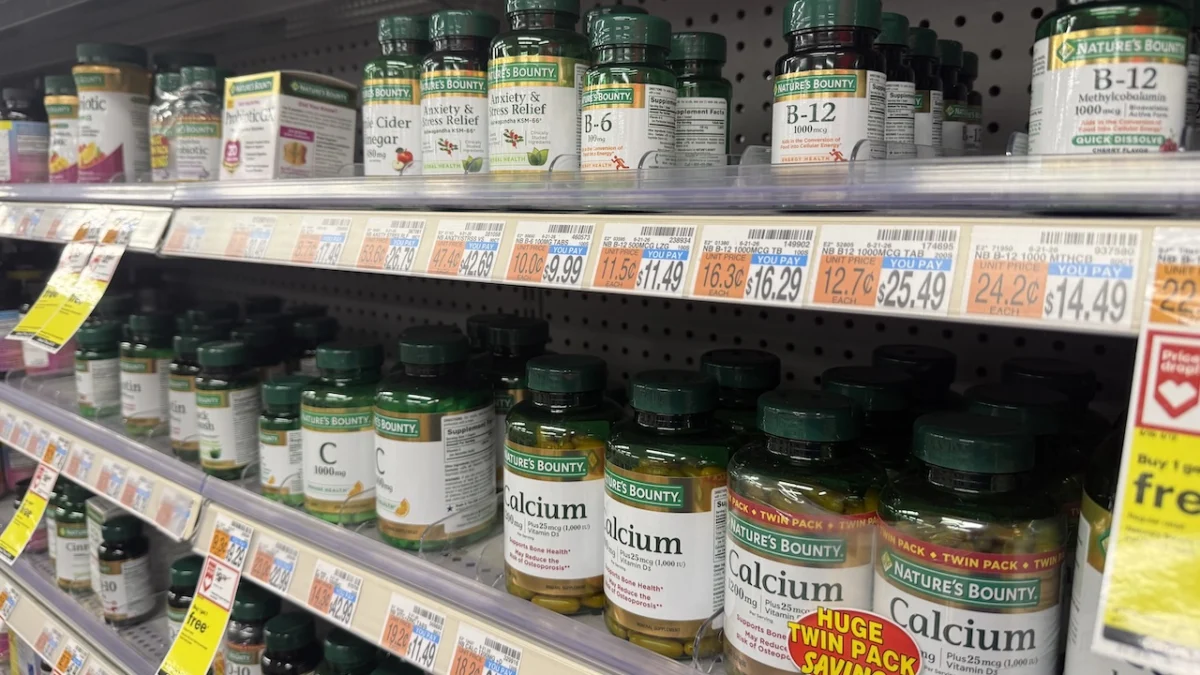
Nestle has announced a significant strategic realignment of its health and wellness portfolio, agreeing to divest its Holistic Health platform, encompassing a suite of leading vitamins, minerals, and supplements (VMS) brands, to private equity firm Yellow Wood Partners for $1 billion. The transaction, revealed on September 1, marks a substantial shift for the global food and beverage giant, signaling a reprioritization of its investments within the rapidly evolving health and nutrition sector. This divestiture includes prominent brands such as Nature’s Bounty, Osteo Bi-Flex, Ester-C, Gard, Nuun, Puritan’s Pride, and Sisu, all of which will transition to new ownership under Yellow Wood Partners.
This move represents a significant strategic pivot from Nestle’s aggressive expansion into the VMS market just five years prior. In a landmark deal valued at $5.75 billion, Nestle acquired core brands from The Bountiful Company, a transaction that integrated Nature’s Bounty, Solgar, Osteo Bi-Flex, and Puritan’s Pride into its burgeoning health sciences division. The acquisition was then heralded as a strategic move to capitalize on the growing consumer demand for scientifically backed health solutions. However, the subsequent divestment suggests a recalibration of Nestle’s long-term strategy, focusing on specific areas of strength within the broader health and nutrition landscape.
Nestle’s strategic rationale behind the divestment centers on refining its focus and enhancing its competitive advantage in the VMS market. Philipp Navratil, Nestle CEO, articulated this strategic shift in a press release, stating, "This is another important step in the strategic transformation of our portfolio." He further elaborated that the company is strategically concentrating on its core competencies and areas where it possesses a distinct competitive edge. Nestle will retain ownership of other significant VMS brands, including Solgar and its prior acquisition, Garden of Life. This indicates a targeted approach, aiming to bolster its presence in the premium, science-led VMS segment where brands like Solgar and Pure Encapsulations are reportedly demonstrating strong performance. Navratil emphasized that the mainstream VMS business, while substantial, operates within a dynamic category that necessitates a distinct strategic approach and potentially dedicated ownership to thrive. This suggests that while Nestle remains committed to the broader health and wellness space, its operational and investment priorities are being redefined to align with market evolution and its internal strategic objectives.
The divestment underscores a broader trend within large consumer packaged goods (CPG) conglomerates to streamline portfolios and divest non-core assets. The VMS market, while experiencing robust growth, is also characterized by intense competition, rapid product innovation, and evolving consumer preferences. For a diversified company like Nestle, managing a broad spectrum of VMS brands across different market segments may present operational complexities and capital allocation challenges. By divesting the Holistic Health platform, Nestle can free up resources and management bandwidth to concentrate on its high-growth, high-margin segments, while also potentially reducing exposure to market segments that require a different operational or marketing approach.
Yellow Wood Partners’ Strategic Expansion into the Wellness Sector
Yellow Wood Partners, a private equity firm renowned for its expertise in acquiring and growing consumer brands, views this $1 billion transaction as a significant strategic expansion into the burgeoning wellness category. The firm’s existing portfolio boasts a diverse array of well-established personal care brands, including Suave, St. Ives, Q-Tip, ChapStick, Noxzema, Ponds, and Dr. Scholl’s. These acquisitions have often been sourced from major global CPG companies, such as Haleon and Unilever, demonstrating Yellow Wood’s proven ability to identify and integrate established brands into its operational framework.
The acquisition of Nestle’s Holistic Health platform represents a substantial investment and a strategic deepening of Yellow Wood’s commitment to the health and wellness market. Dana Schmaltz, a partner at Yellow Wood, expressed optimism about the strategic fit and growth potential of the acquired brands. "Holistic Health is an excellent platform of trusted brands with deep retailer relationships providing significant opportunities for continued growth," Schmaltz stated. He further highlighted the portfolio’s strength in various high-growth sectors within the VMS market, including hydration, gut health, and immunity. The firm’s strategy involves operating Holistic Health as a standalone entity, allowing for a focused approach to leverage the individual strengths of each brand. This operational independence is expected to accelerate growth, enhance innovation pipelines, and fortify market positions with both consumers and retail partners.
Tad Yanagi, another partner at Yellow Wood, echoed Schmaltz’s enthusiasm, underscoring the alignment of the acquired portfolio with the firm’s core investment philosophy and operational expertise. "This exciting portfolio is deeply aligned with our focus, expertise and functional operations approach, and we are thrilled to add each of these brands to the Yellow Wood umbrella," Yanagi commented. He further noted the increasing consumer adoption of VMS products and the expanding demand for specialized, benefit-driven solutions. Yanagi perceives a significant runway for organic growth across the platform, driven by these macro trends. Yellow Wood’s strategy typically involves a hands-on approach, leveraging its operational expertise to drive efficiency, innovation, and market penetration for its acquired brands. Their track record suggests a focus on identifying opportunities for brand revitalization and expansion through strategic investments in marketing, product development, and channel optimization.
Chronology of Nestle’s VMS Investments and Divestitures
Nestle’s engagement with the VMS market has been marked by significant strategic maneuvers over the past decade. The pivotal moment was the 2017 acquisition of The Bountiful Company’s core brands for $5.75 billion. This acquisition was a bold statement of intent, positioning Nestle as a major player in the global VMS landscape. The integration of brands like Nature’s Bounty, a household name synonymous with vitamins, and Osteo Bi-Flex, a leader in joint health supplements, significantly bolstered Nestle’s health sciences portfolio. At the time, this move was seen as a strategic diversification into a high-growth, high-margin sector, driven by increasing consumer awareness of preventative health and wellness.
Following this substantial investment, Nestle continued to build its health sciences division through organic growth and smaller acquisitions, including the prominent acquisition of Garden of Life. This brand, known for its focus on organic, plant-based supplements, further diversified Nestle’s VMS offerings and appealed to a growing segment of health-conscious consumers.
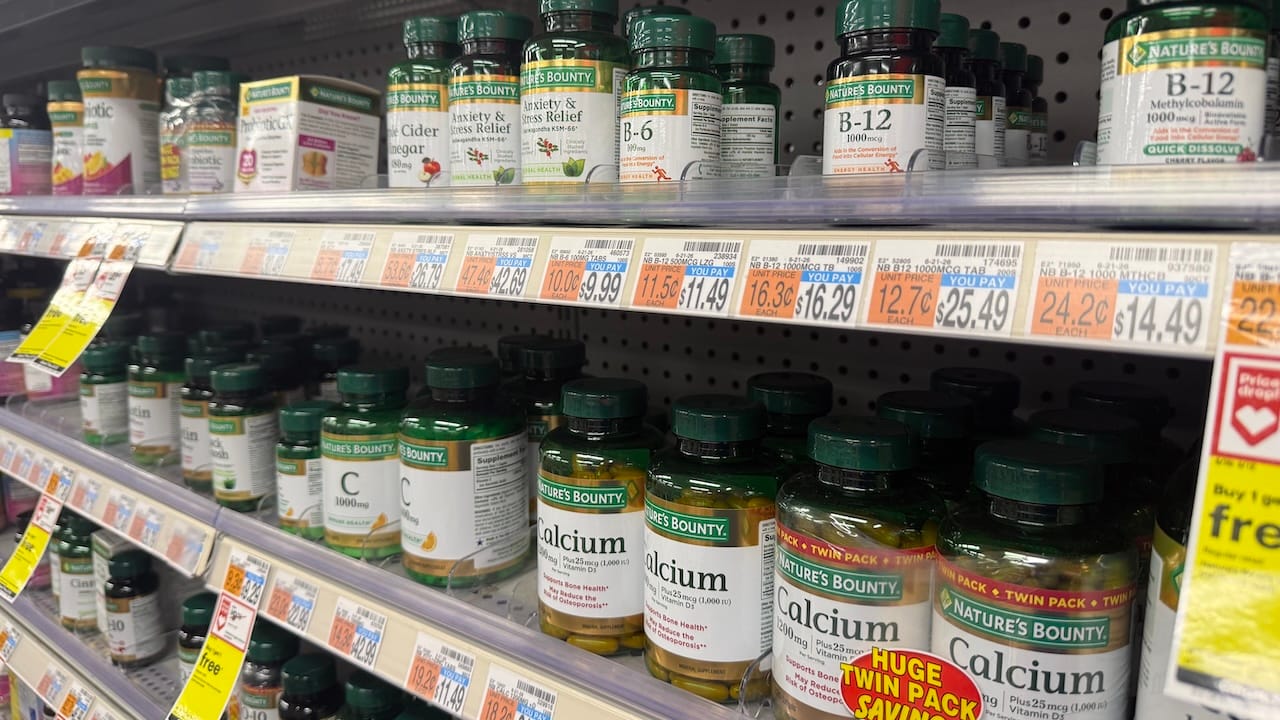
The announcement of the divestment of the Holistic Health platform to Yellow Wood Partners on September 1 marks a significant reversal of the earlier expansion strategy. The sale price of $1 billion is considerably lower than the $5.75 billion paid for a subset of these brands five years prior. This disparity in valuation could be attributed to several factors, including market dynamics, the performance of specific brands within the platform, and the strategic priorities of both Nestle and Yellow Wood.
The expected closing of the deal in the first half of 2027, pending regulatory approvals, indicates a structured transition process. This timeframe allows for thorough due diligence, regulatory review, and the orderly transfer of operations and intellectual property. During this period, Nestle will continue to manage the Holistic Health platform, while Yellow Wood prepares for its integration into its portfolio.
Market Context and Implications
The global vitamins, minerals, and supplements market is a dynamic and rapidly expanding sector. According to various market research reports, the global VMS market size was valued at approximately USD 150 billion in 2022 and is projected to grow at a compound annual growth rate (CAGR) of around 7-9% in the coming years. This growth is fueled by several key drivers, including an aging global population, increasing consumer awareness of health and wellness, rising disposable incomes in emerging markets, and a growing preference for preventative healthcare solutions. The COVID-19 pandemic further accelerated this trend, as consumers became more proactive in managing their immune health and overall well-being.
However, the market is also characterized by intense competition, with a fragmented landscape of global players, regional manufacturers, and emerging direct-to-consumer brands. Regulatory scrutiny, product innovation cycles, and evolving scientific understanding of nutrient efficacy also play significant roles in shaping the market. For a company like Nestle, navigating this complex environment requires a clear strategic focus.
Nestle’s decision to divest the Holistic Health platform can be analyzed within the context of its broader corporate strategy. The company has been actively reshaping its portfolio to focus on high-growth areas such as coffee, pet care, and water, while also streamlining its food and beverage offerings. The VMS market, while attractive, may no longer align with Nestle’s most strategic priorities or offer the same growth potential as other segments of its business. The divestment allows Nestle to redeploy capital and management resources towards areas where it believes it can achieve greater returns and market leadership.
For Yellow Wood Partners, this acquisition represents a significant expansion into a resilient and growing consumer category. The firm’s strategy of acquiring established brands and revitalizing them through operational improvements and strategic investments has proven successful in the past. The VMS market offers substantial opportunities for growth, particularly for brands that can effectively communicate their value proposition and cater to evolving consumer needs for personalized and scientifically supported health solutions. The integration of Nature’s Bounty, Osteo Bi-Flex, and other acquired brands into Yellow Wood’s portfolio could lead to increased investment in product innovation, marketing, and distribution, potentially strengthening their market positions and expanding their reach.
The implications of this deal extend to consumers, retailers, and competitors. Consumers may experience changes in product availability, marketing strategies, and potentially new product introductions under Yellow Wood’s stewardship. Retailers will see a shift in their supplier relationships, and competitors will face a reconfigured competitive landscape. The success of Yellow Wood in managing and growing these brands will be closely watched as a barometer of private equity’s ability to drive value in the VMS sector.
The divestment also raises questions about the future of the broader VMS market. As large CPG companies strategically adjust their portfolios, it may create opportunities for smaller, more agile players to gain market share. The ongoing consolidation and strategic realignments within the industry suggest a maturing market where differentiation, innovation, and a deep understanding of consumer needs will be critical for sustained success. Nestle’s strategic refocusing on premium, science-led VMS brands like Solgar and Pure Encapsulations also signals a potential emphasis on higher-value segments within the market, possibly at the expense of mass-market offerings.
The transaction, expected to close in 2027, will ultimately redefine the ownership and strategic direction of some of the most recognized brands in the health and wellness industry. The success of this transition will hinge on Yellow Wood Partners’ ability to execute its growth strategy and on the continued resonance of these brands with consumers seeking to enhance their health and well-being.
