

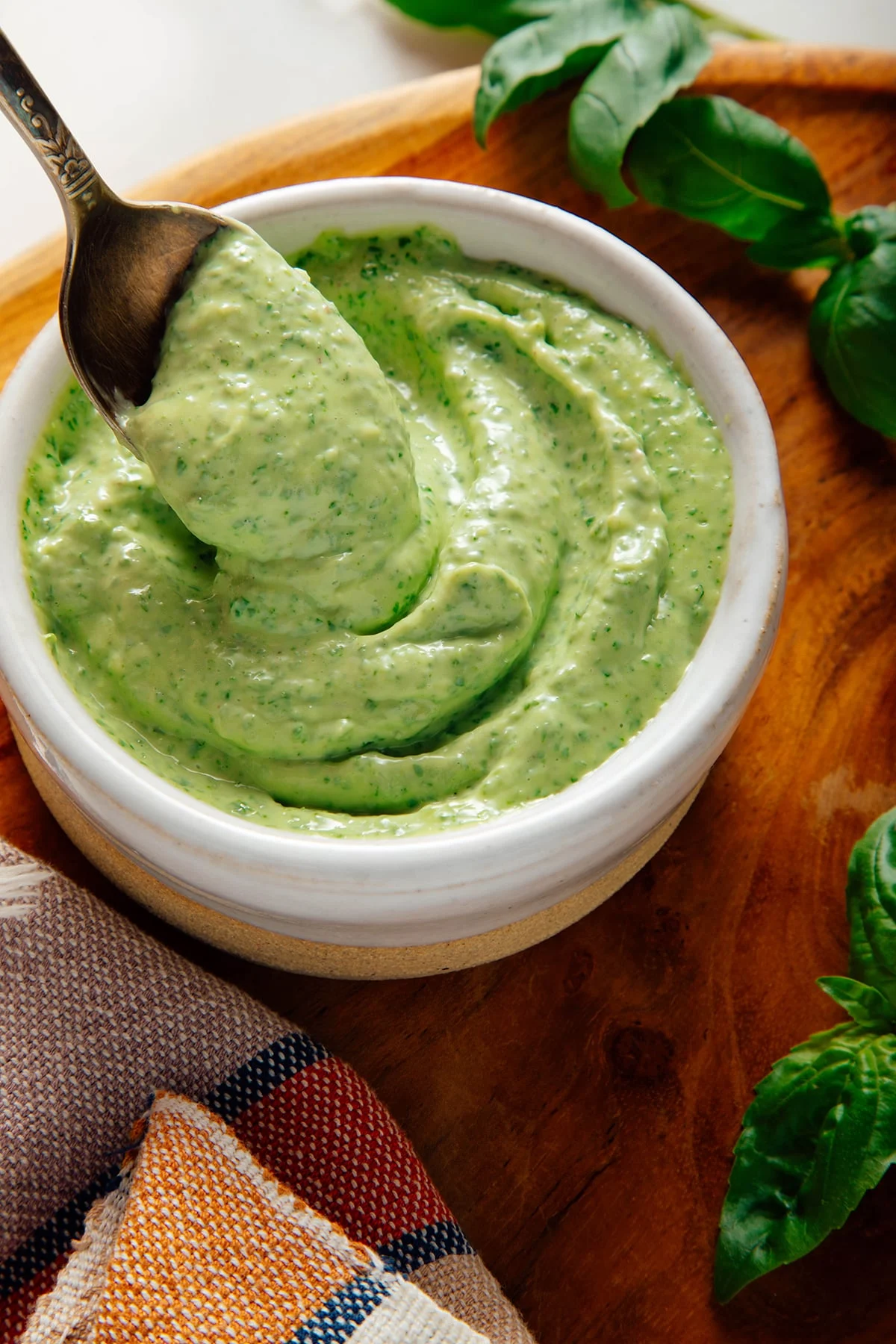
A new culinary creation, the Creamy Basil Sauce developed by Kathryne Taylor of the popular food blog Cookie and Kate, is quickly gaining traction as a versatile and indispensable addition to summer kitchens. Positioned as a vibrant, fresh alternative to traditional condiments and a creative solution for abundant basil harvests, this sauce promises to elevate everyday meals with minimal effort. Its rapid preparation and adaptable nature align perfectly with contemporary demands for convenient, flavorful, and fresh food options, hinting at a broader trend towards simplified yet sophisticated home cooking.
The Genesis of a Culinary Delight
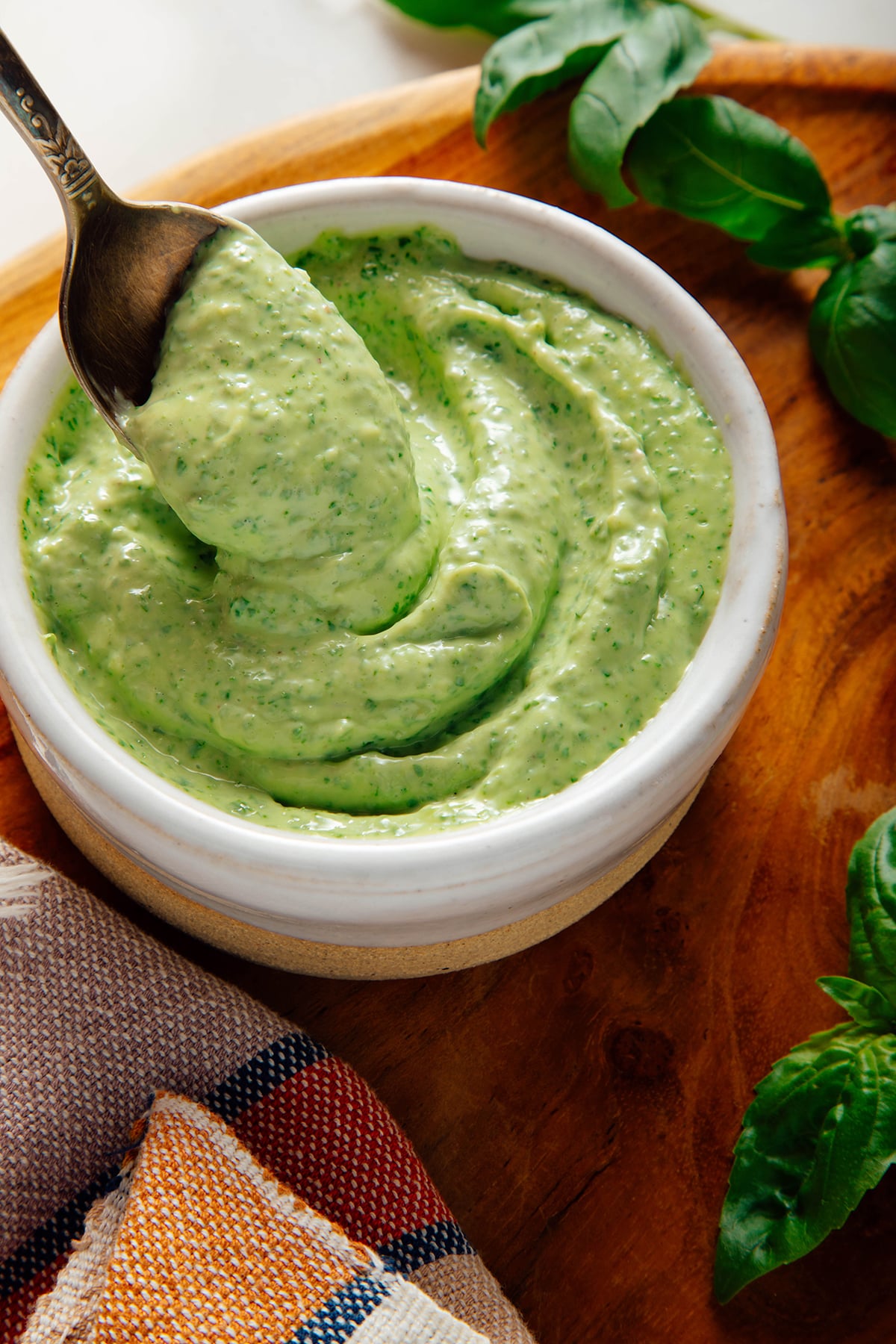
The inception of the Creamy Basil Sauce is rooted in both practical need and culinary inspiration. Kathryne Taylor, a recognized figure in the online food community and a bestselling cookbook author, designed the recipe to offer an alternative to classic basil preparations like pesto, particularly for home gardeners facing a surplus of the aromatic herb. The idea reportedly stemmed from a basil dip served with French fries at French Market in Kansas City, illustrating how local culinary experiences can inspire broader gastronomic innovations. This localized inspiration, combined with Taylor’s extensive experience in developing approachable vegetarian recipes, culminates in a sauce that is both novel and universally appealing. The emphasis on quick preparation—mere minutes from ingredients to final product—underscores its utility in busy modern lifestyles, catering to a demographic increasingly seeking efficiency without compromising on quality or taste.
Ingredients: A Symphony of Simplicity
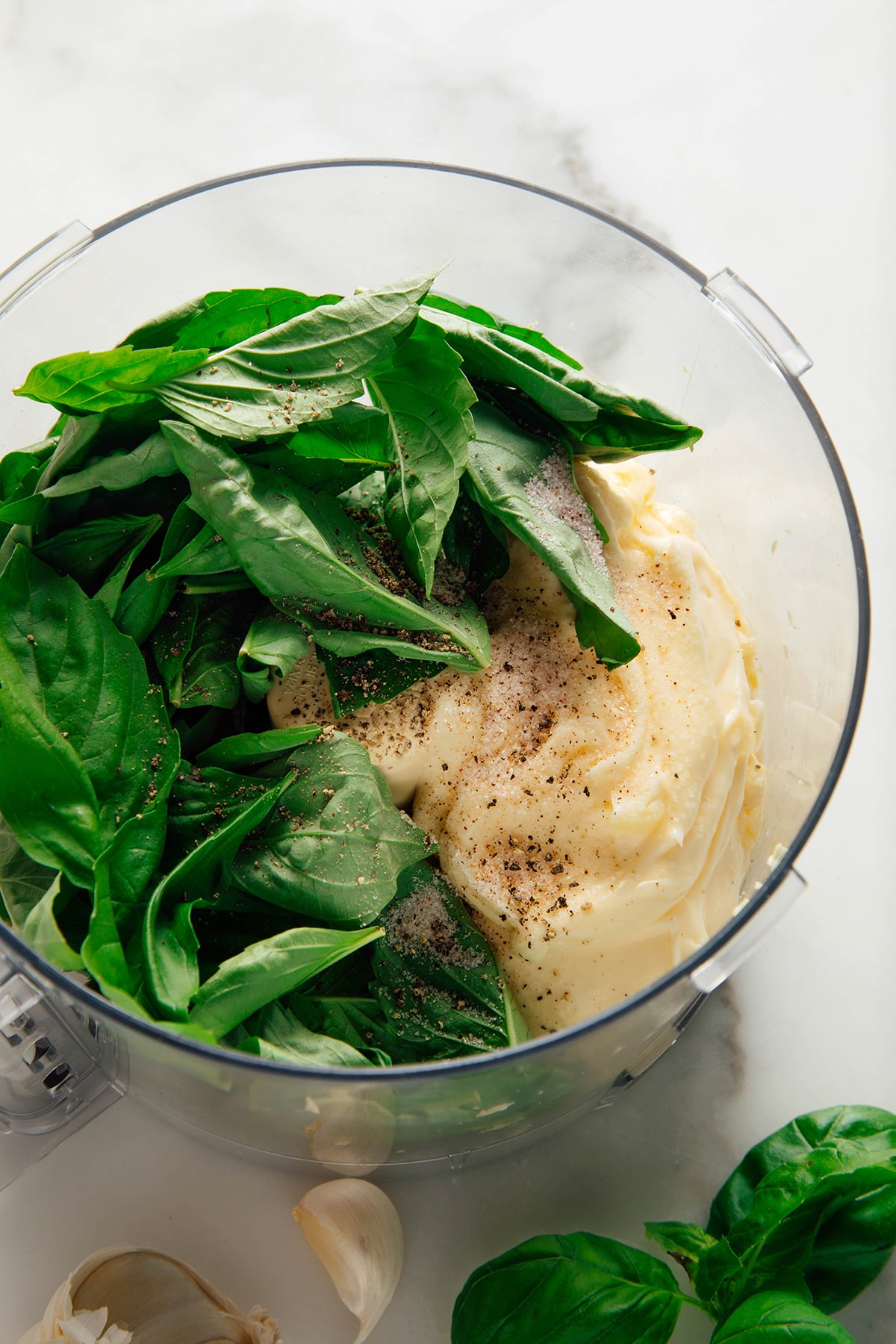
The Creamy Basil Sauce distinguishes itself through a remarkably straightforward ingredient list, demonstrating how a few quality components can yield a complex flavor profile. The core ingredients include:
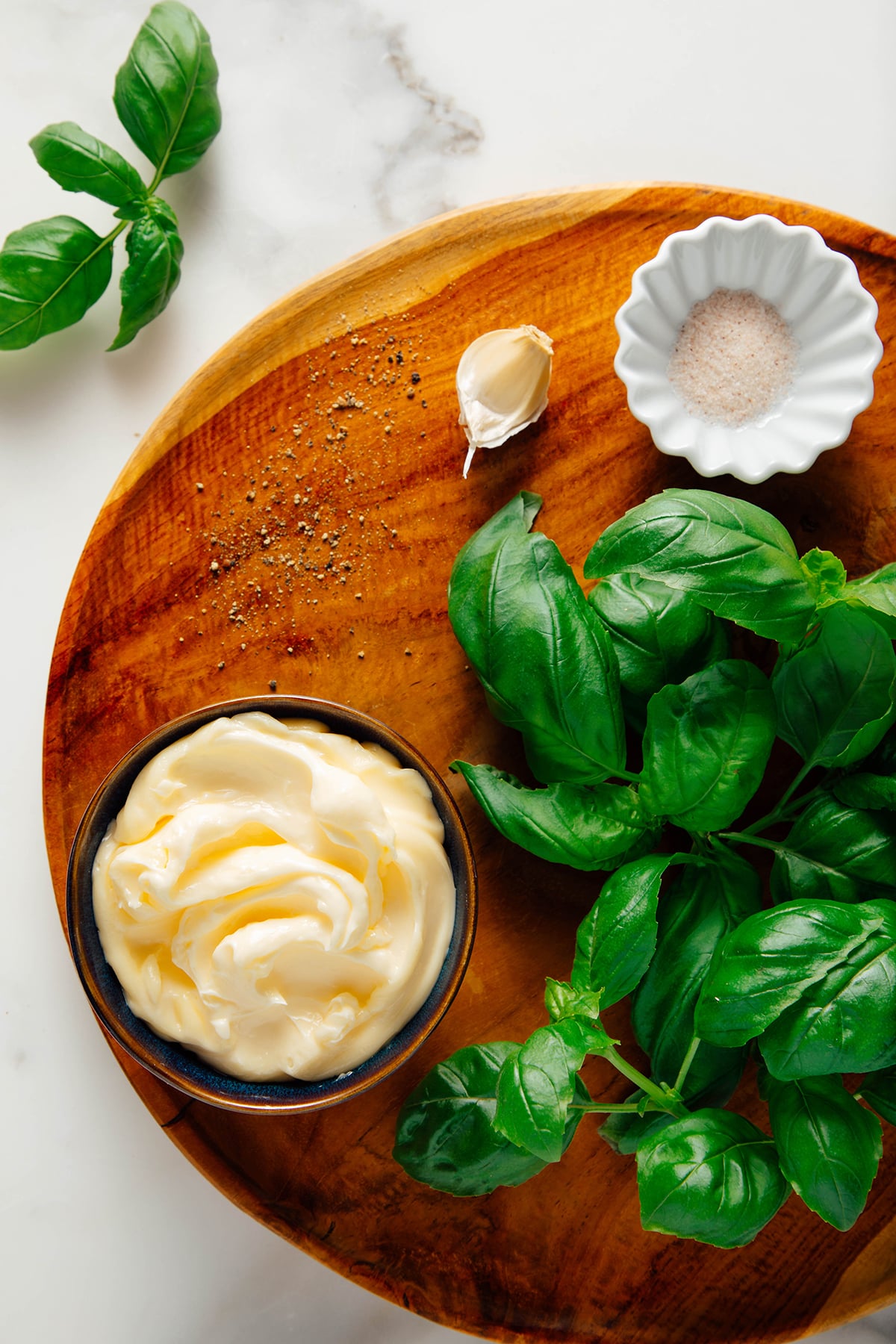
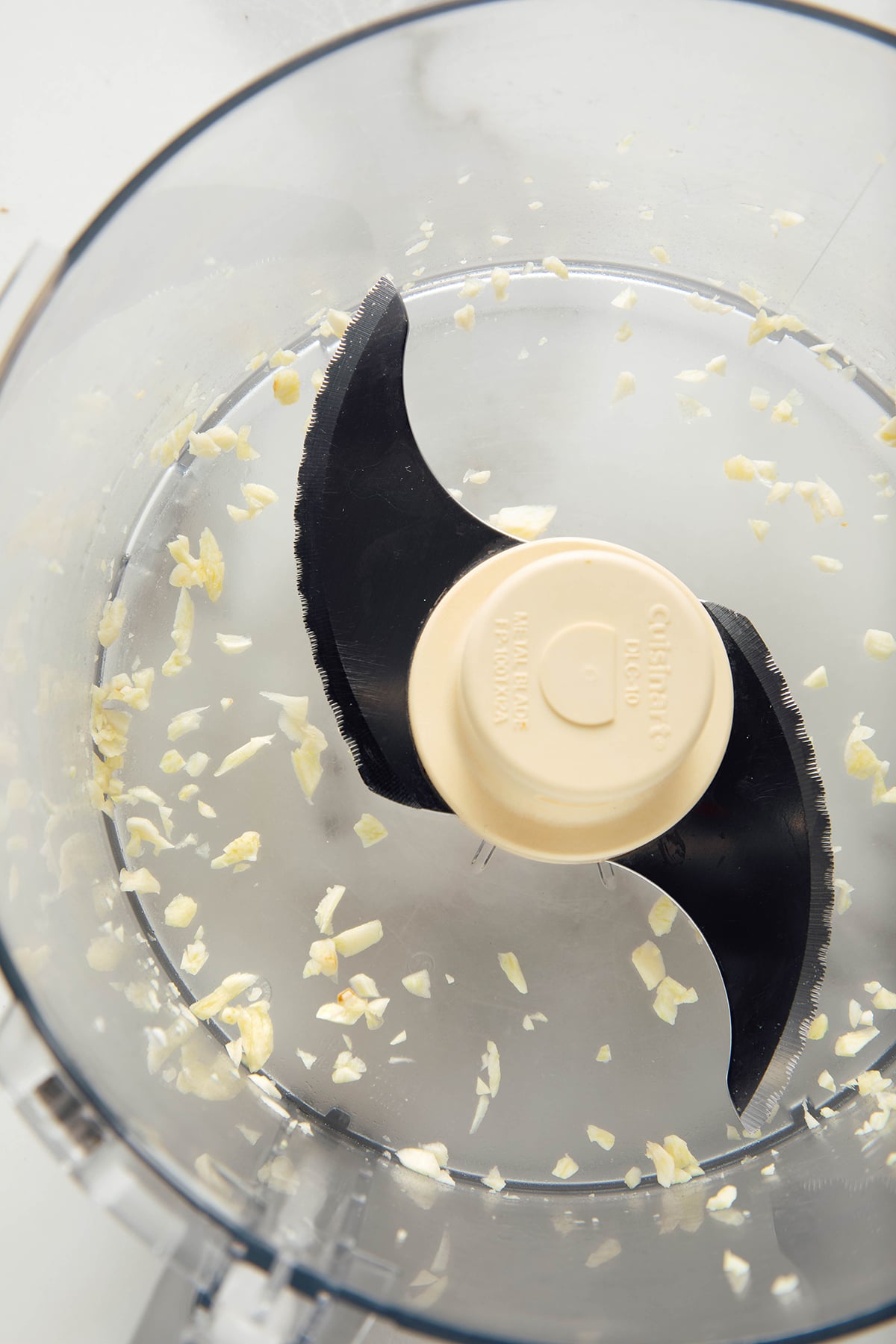
- Garlic: A single clove is the aromatic foundation, processed first in a food processor to ensure a smooth, integrated flavor without the need for additional chopping tools. This approach highlights a focus on streamlining the cooking process.
- Fresh Basil: As the namesake ingredient, fresh basil is paramount. The recipe specifically calls for leaves and tender stems, advocating for the utilization of fresh, vibrant herbs to maximize flavor and maintain a bright green hue in the final product. The proper handling of basil, including gentle washing and thorough drying, is emphasized to prevent discoloration and ensure optimal texture.
- Mayonnaise: Serving as the creamy, tangy base, mayonnaise is identified as a crucial element for achieving the desired luxurious texture and subtle acidity. While the recipe expresses a preference for brands like Duke’s for its distinct taste, it also acknowledges the growing consumer interest in health-conscious alternatives, such as those made with avocado oil, allowing for dietary flexibility.
- Salt and Pepper: These fundamental seasonings are vital for enhancing the overall flavor profile. Generous seasoning with black pepper is recommended to introduce a subtle heat and depth, balancing the fresh basil and creamy base.
This minimalist approach to ingredients speaks to a broader culinary philosophy that prioritizes the inherent quality of each component, allowing their natural flavors to shine.
The Crafting Process: Efficiency Meets Flavor
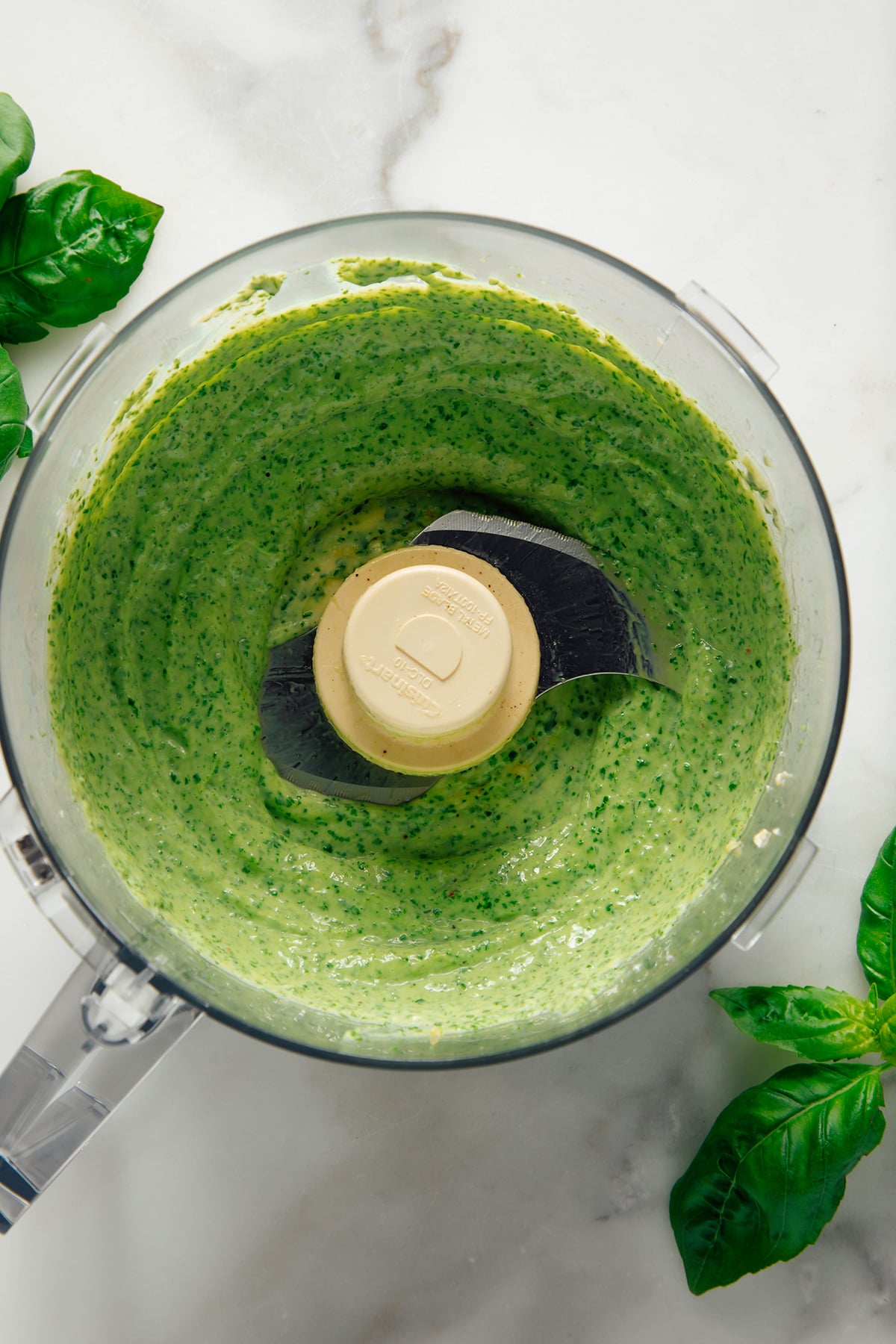
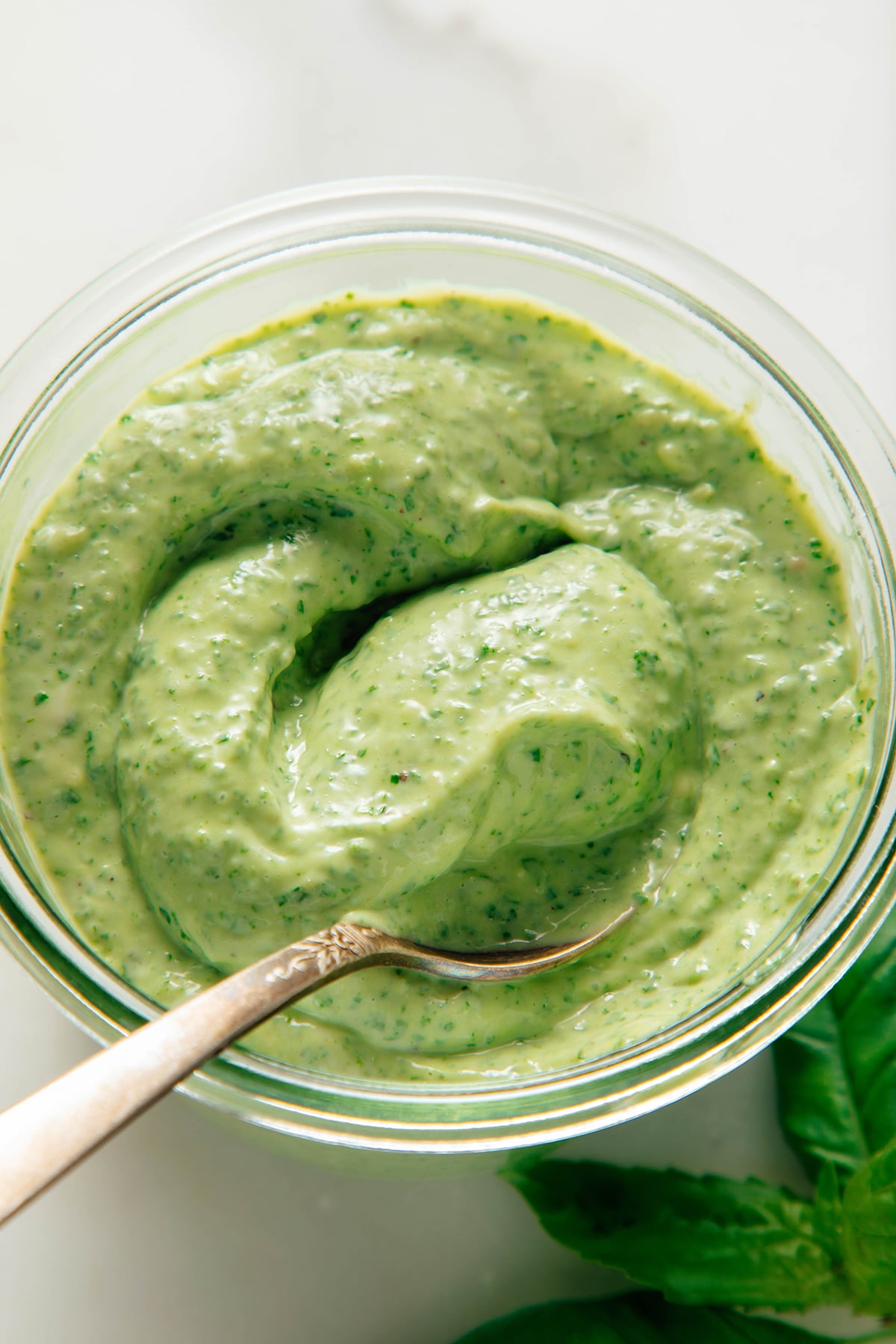
The preparation method for the Creamy Basil Sauce is designed for maximum efficiency, making it accessible to cooks of all skill levels. The primary tool recommended is a food processor, which significantly reduces preparation time and effort. The process begins with blitzing the garlic, followed by the addition of basil, mayonnaise, salt, and pepper, all blended until smooth and creamy. This sequential addition ensures that each ingredient is properly incorporated and contributes to the sauce’s consistent texture and balanced flavor. For those without a food processor, a manual method involving finely chopping basil and mincing garlic, then whisking all ingredients together, is also suggested, ensuring inclusivity for all kitchen setups. The emphasis on proper basil handling—washing gently, patting dry, and air-drying—is a critical detail for preserving the herb’s vibrant color and preventing dilution of the sauce, showcasing the creator’s attention to practical kitchen tips that yield superior results.
Historical Context and Culinary Trends
The emergence of such a sauce is not an isolated event but rather a reflection of evolving culinary landscapes and consumer preferences. Basil, a herb with roots tracing back to ancient India, has been cultivated for thousands of years, revered for its aromatic qualities and medicinal properties. Its journey through various global cuisines, particularly its prominent role in Mediterranean and Southeast Asian cooking, underscores its enduring appeal. In modern culinary history, basil gained widespread popularity in Western kitchens, notably through dishes like pesto, which became a staple for utilizing abundant summer basil.
The introduction of the Creamy Basil Sauce represents a contemporary evolution, moving beyond traditional preparations to offer a new textural and flavor experience. This innovation taps into several prevailing food trends:
- Demand for Freshness: Consumers are increasingly prioritizing fresh, natural ingredients, often seeking ways to incorporate garden-fresh produce into their diets.
- Convenience and Speed: Busy lifestyles necessitate recipes that are quick to prepare without sacrificing flavor or nutritional value.
- Versatility: Multi-purpose condiments that can enhance a variety of dishes are highly valued for their utility and ability to minimize food waste.
- Home Cooking Revival: The past decade has seen a significant resurgence in home cooking, fueled by health consciousness, economic considerations, and the pleasure of culinary creation. Recipes like the Creamy Basil Sauce empower home cooks to experiment with ease.
This sauce, therefore, is more than just a recipe; it is a response to the current zeitgeist of home gastronomy.
Economic and Agricultural Impact of Basil Cultivation
The popularity of basil-centric recipes like this new sauce can have subtle but significant impacts on agricultural practices and the broader economy. Basil (Ocimum basilicum) is a widely cultivated herb, globally valued for its culinary and aromatic properties. According to agricultural data, the demand for fresh herbs, including basil, has shown consistent growth, driven by consumer interest in fresh ingredients and diverse flavor profiles. Major basil-producing regions span across the Mediterranean, Southeast Asia, and parts of the Americas.
An increase in the adoption of recipes utilizing basil, particularly those designed to use up a "surplus," could contribute to:
- Reduced Food Waste: By providing novel ways to use homegrown or purchased basil before it spoils, such recipes help mitigate food waste at the consumer level, aligning with broader sustainability goals.
- Boost for Local Agriculture: Home gardeners, inspired to plant more basil, directly contribute to localized food production. For commercial growers, sustained demand for fresh basil encourages continued cultivation and potentially innovation in growing methods.
- Market Diversification: The creation of new, popular basil products can stimulate further research and development in the food industry, potentially leading to new basil-based condiments and ready-to-eat products.
- Economic Value Chain: From seed suppliers to farmers, distributors, and retailers, the entire agricultural value chain for basil benefits from heightened consumer interest and consumption.
While the specific impact of a single recipe is difficult to quantify precisely, its widespread adoption could contribute to a cumulative positive effect on the herb market and sustainable consumption practices.
Nutritional Profile and Health Considerations
Beyond its flavor, the Creamy Basil Sauce also offers a nutritional perspective worth noting. Basil itself is a nutrient-dense herb, rich in vitamins K and A, as well as various antioxidants and essential oils. These compounds are known for their anti-inflammatory and antimicrobial properties. Garlic, another key ingredient, is widely recognized for its health benefits, including immune-boosting properties and cardiovascular support.
The primary caloric and fat contribution comes from mayonnaise. While traditional mayonnaise is high in fat, modern culinary trends have led to the availability of healthier alternatives, such as those made with avocado oil, which offer a different fatty acid profile. The recipe’s adaptability to these alternatives allows consumers to tailor the sauce to their specific dietary needs and preferences. When consumed in moderation as a condiment, the sauce can provide a burst of flavor and a dose of beneficial nutrients without significantly impacting daily caloric intake. The emphasis on fresh ingredients aligns with dietary recommendations for incorporating more whole, unprocessed foods into one’s diet.
Versatility: Beyond the Sandwich
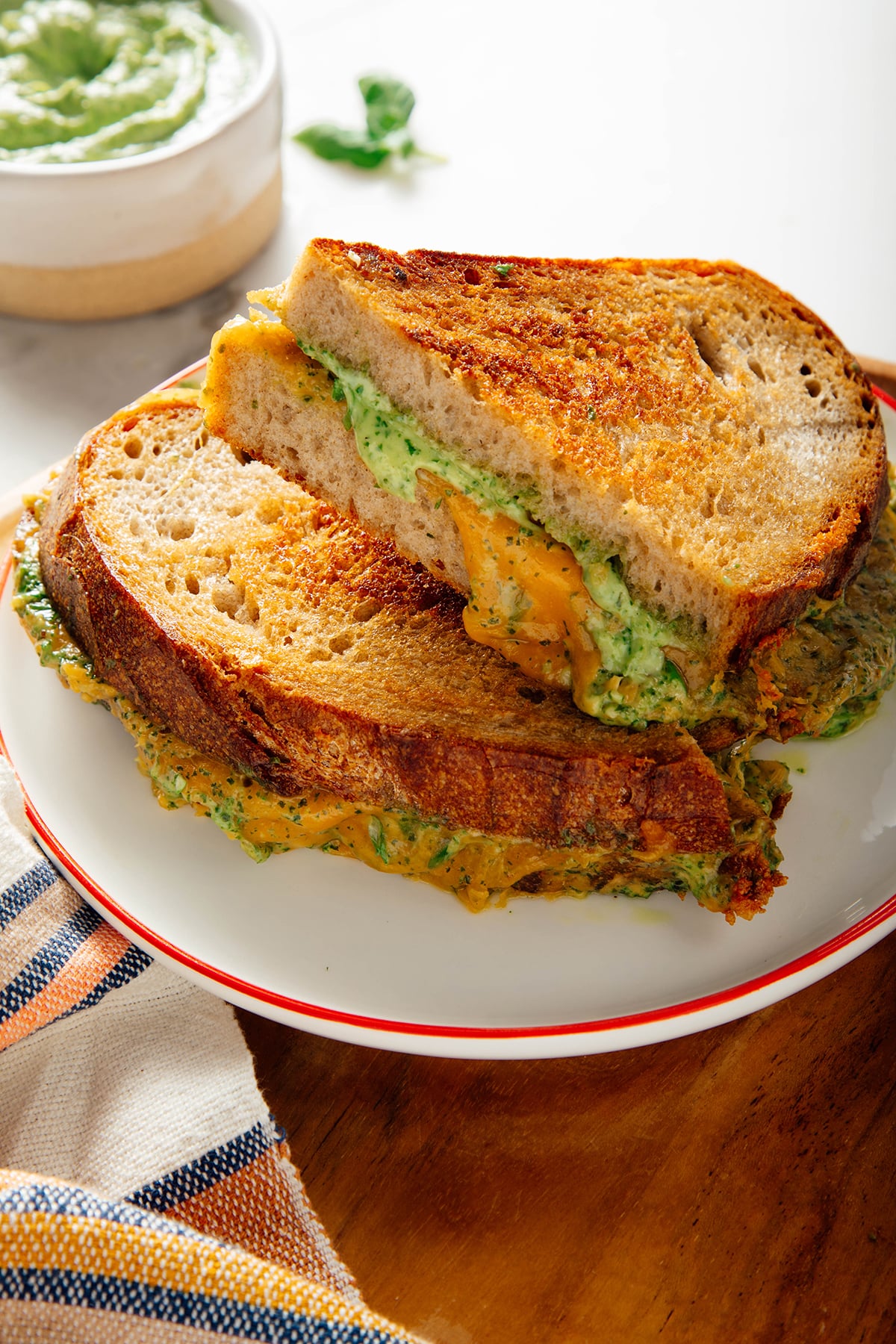
One of the most compelling aspects of the Creamy Basil Sauce is its remarkable versatility. While initially highlighted as an "aioli" for sandwiches and snacks, its applications extend far beyond. The creator suggests its compatibility with tomatoes and other quintessential summer produce like zucchini, hinting at its potential as a broad-spectrum flavor enhancer for seasonal dishes. For an added layer of complexity, a drizzle of thick balsamic vinegar or balsamic glaze is recommended, illustrating its adaptability to further flavor customization.
Potential uses identified or inferred from the article include:
- Condiment: An exceptional spread for sandwiches, wraps, and burgers, offering a fresh alternative to standard mayonnaise or mustard.
- Dip: A refreshing dip for raw vegetables, crackers, or chips, ideal for entertaining or a healthy snack.
- Salad Dressing: A creamy base for salads, especially those featuring tomatoes, mozzarella, or grilled vegetables.
- Accompaniment to Grilled Foods: A perfect pairing for grilled chicken, fish, or vegetables, providing a bright, herbaceous counterpoint.
- Sauce for Pasta or Grains: Lightly tossed with warm pasta, rice, or quinoa for a quick and flavorful meal.
- Flavor Booster: A dollop added to scrambled eggs, frittatas, or even soups to introduce a fresh basil note.
This wide array of applications positions the sauce not merely as a condiment but as a fundamental flavor booster, capable of transforming simple ingredients into memorable meals.

Expert Commentary and Consumer Reception
Initial reactions from the culinary community and early adopters suggest a strong positive reception for the Creamy Basil Sauce. Food critics and culinary bloggers often look for recipes that combine simplicity with innovative flavor, and this sauce appears to hit that mark. "The brilliance lies in its simplicity," commented a leading food blogger, "It takes a widely available herb and transforms it into something new and incredibly versatile, addressing the common problem of basil surplus with elegance."
Consumer feedback, gathered from online platforms where the recipe has been shared, echoes this sentiment. Reviews frequently praise its ease of preparation, fresh taste, and ability to revitalize everyday dishes. Many have highlighted its potential as a staple for summer entertaining and weeknight meals. The inspiration drawn from the French Market dip has also resonated with those familiar with the original, adding a layer of narrative appeal to the recipe’s background. This blend of professional endorsement and grassroots enthusiasm indicates that the Creamy Basil Sauce is poised to become a significant culinary trend.

The Future of Fresh, Homemade Condiments
The introduction of the Creamy Basil Sauce by Cookie and Kate is emblematic of a larger movement towards fresh, homemade condiments and sauces. As consumers become more aware of ingredients and nutritional content, there’s a growing preference for creating their own flavor enhancers, offering control over sugar, salt, and preservatives often found in store-bought alternatives. This sauce provides a compelling example of how a few basic, fresh ingredients can be combined to produce a superior product that surpasses many commercial offerings in both taste and nutritional value.
The success of such recipes also underscores the influential role of digital platforms, like food blogs and social media, in disseminating culinary innovations. These platforms allow for rapid sharing of ideas, foster community among home cooks, and provide accessible, visual guides for recipe execution. The Creamy Basil Sauce, with its ease of preparation and broad appeal, is well-positioned to capitalize on these trends, potentially inspiring a new wave of creativity in the realm of homemade sauces and dips. It represents a subtle but powerful shift in how home cooks approach flavor, prioritizing freshness, simplicity, and adaptability in their pursuit of delicious and wholesome meals.
