

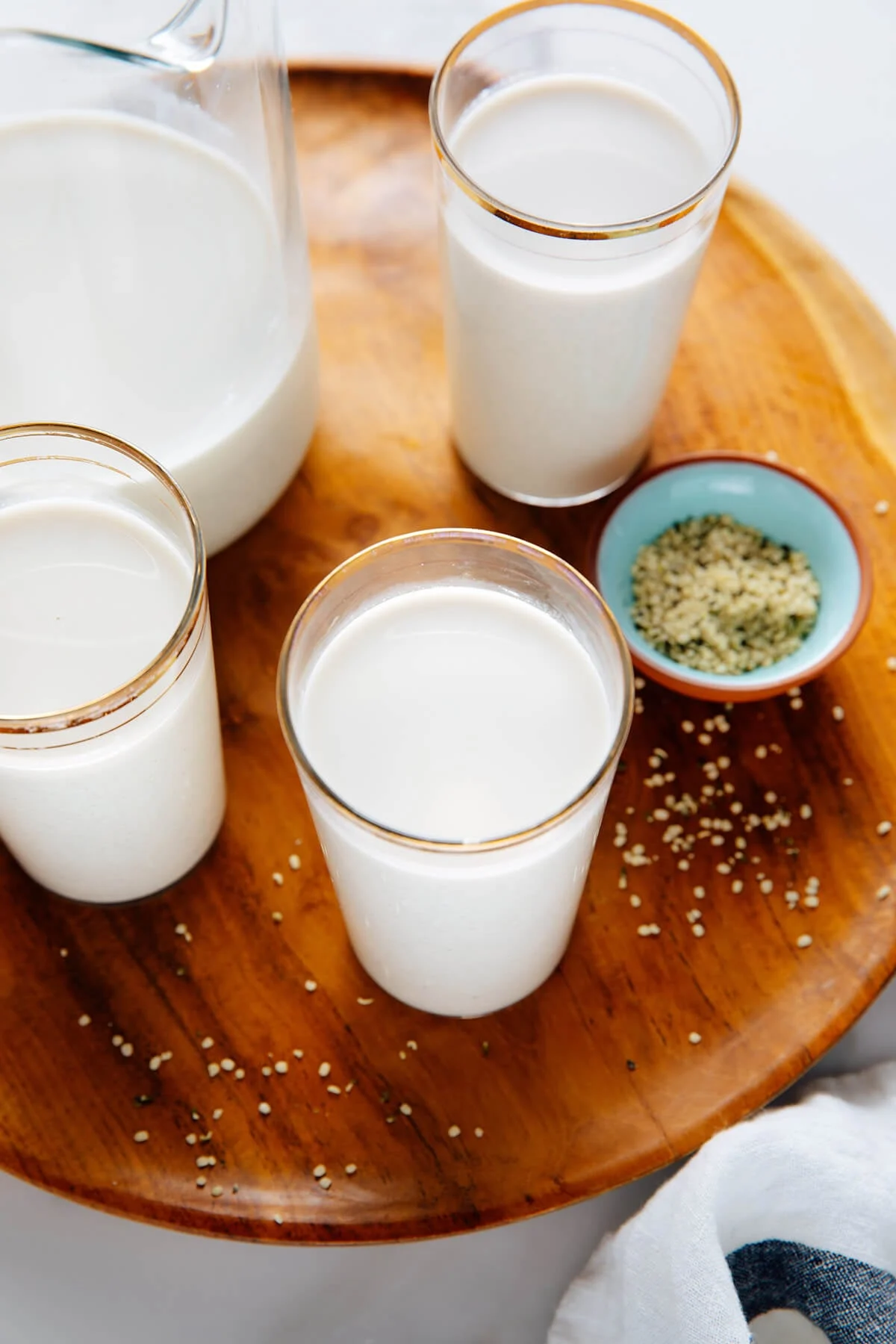
The burgeoning interest in plant-based alternatives continues to reshape global dietary habits, with homemade hemp milk emerging as a particularly compelling option due to its ease of preparation, impressive nutritional profile, and versatility. This dairy-free beverage, crafted from hulled hemp seeds (hemp hearts), offers a silky-smooth texture and a significant protein boost, making it a valuable addition for consumers seeking nutritious and customizable milk substitutes. Unlike many other homemade plant milks, hemp milk typically requires no prior soaking of its seeds, streamlining the preparation process and making it an accessible choice for busy individuals.
The Nutritional Advantage of Hemp Milk
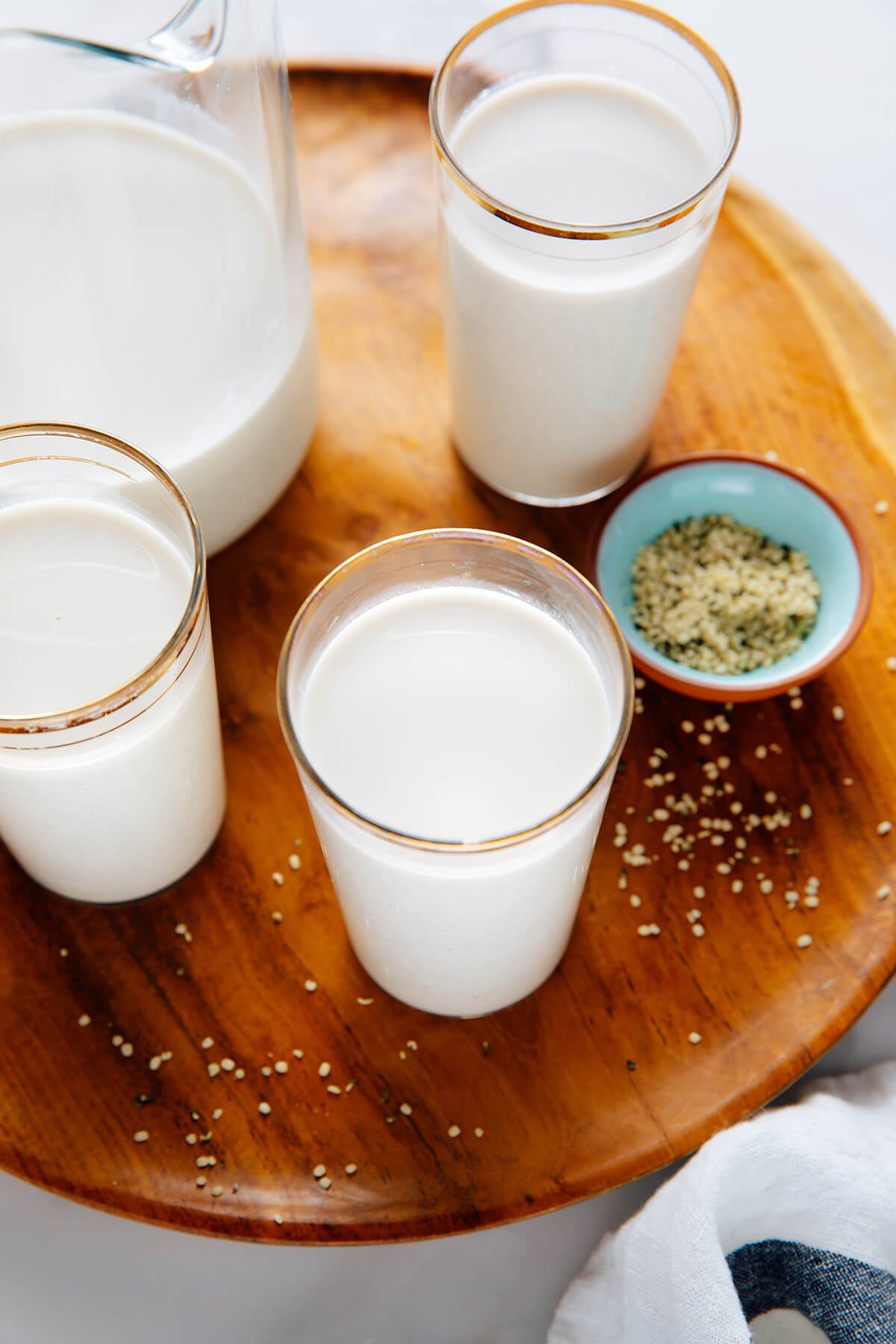
Hemp milk distinguishes itself in the crowded plant-based milk market primarily through its robust nutritional composition. A single serving can deliver nearly 10 grams of plant-based protein, a figure that often surpasses that of almond, rice, and even some oat milks. This high protein content is crucial for muscle repair, satiety, and overall bodily function, making it an excellent choice for athletes, vegans, vegetarians, and anyone looking to increase their protein intake. While it may not compete with dairy milk on the calcium front unless fortified, hemp milk offers a diverse array of other essential nutrients that are sometimes difficult to obtain from conventional diets.
Among these vital nutrients are omega-3 and omega-6 fatty acids, present in an optimal ratio for human health. These essential fatty acids are critical for brain function, cardiovascular health, and reducing inflammation. Hemp seeds are also a good source of magnesium, iron, zinc, and B vitamins, contributing to energy metabolism, immune function, and bone health. The presence of these micronutrients further solidifies hemp milk’s position as a nutritionally dense alternative, offering benefits beyond simple hydration. Furthermore, hemp seeds are naturally free from common allergens such as nuts, soy, and gluten, making homemade hemp milk a safe and inclusive option for individuals with various dietary restrictions.
Historical Context and the Plant-Based Milk Boom
The cultivation of hemp (Cannabis sativa) dates back thousands of years, with archaeological evidence suggesting its use in textiles, paper, and food in ancient civilizations across Asia and the Middle East. Historically, hemp seeds were consumed for their nutritional value, long before the modern distinction between industrial hemp and psychoactive cannabis became widely recognized. The plant’s resilience and multiple applications made it a staple crop in many cultures. However, the association with its psychoactive cousin led to widespread prohibition of hemp cultivation in many parts of the world throughout the 20th century, significantly limiting its agricultural and commercial potential.
The tides began to turn in the late 20th and early 21st centuries, driven by a global shift towards sustainable agriculture and increasing awareness of hemp’s non-psychoactive benefits. Landmark legislation, such as the 2018 Farm Bill in the United States, federally legalized industrial hemp production, defining it as cannabis with less than 0.3% delta-9 tetrahydrocannabinol (THC). This legislative change catalyzed a rapid expansion of the hemp industry, opening doors for innovative hemp-derived products, including hemp hearts, hemp protein powder, and, consequently, hemp milk.
Concurrently, the plant-based milk market has experienced an exponential growth trajectory. Driven by rising rates of lactose intolerance, ethical concerns surrounding animal welfare, environmental considerations associated with dairy farming, and a growing embrace of vegan and flexitarian lifestyles, consumers have increasingly gravitated towards alternatives. The global plant-based milk market was valued at over $20 billion in 2020 and is projected to reach upwards of $60 billion by 2029, according to market research reports. This growth has seen almond milk, soy milk, and oat milk dominate, but newer entrants like hemp milk are quickly carving out their niche by offering distinct nutritional advantages and flavor profiles.
The Simplicity of Homemade Preparation
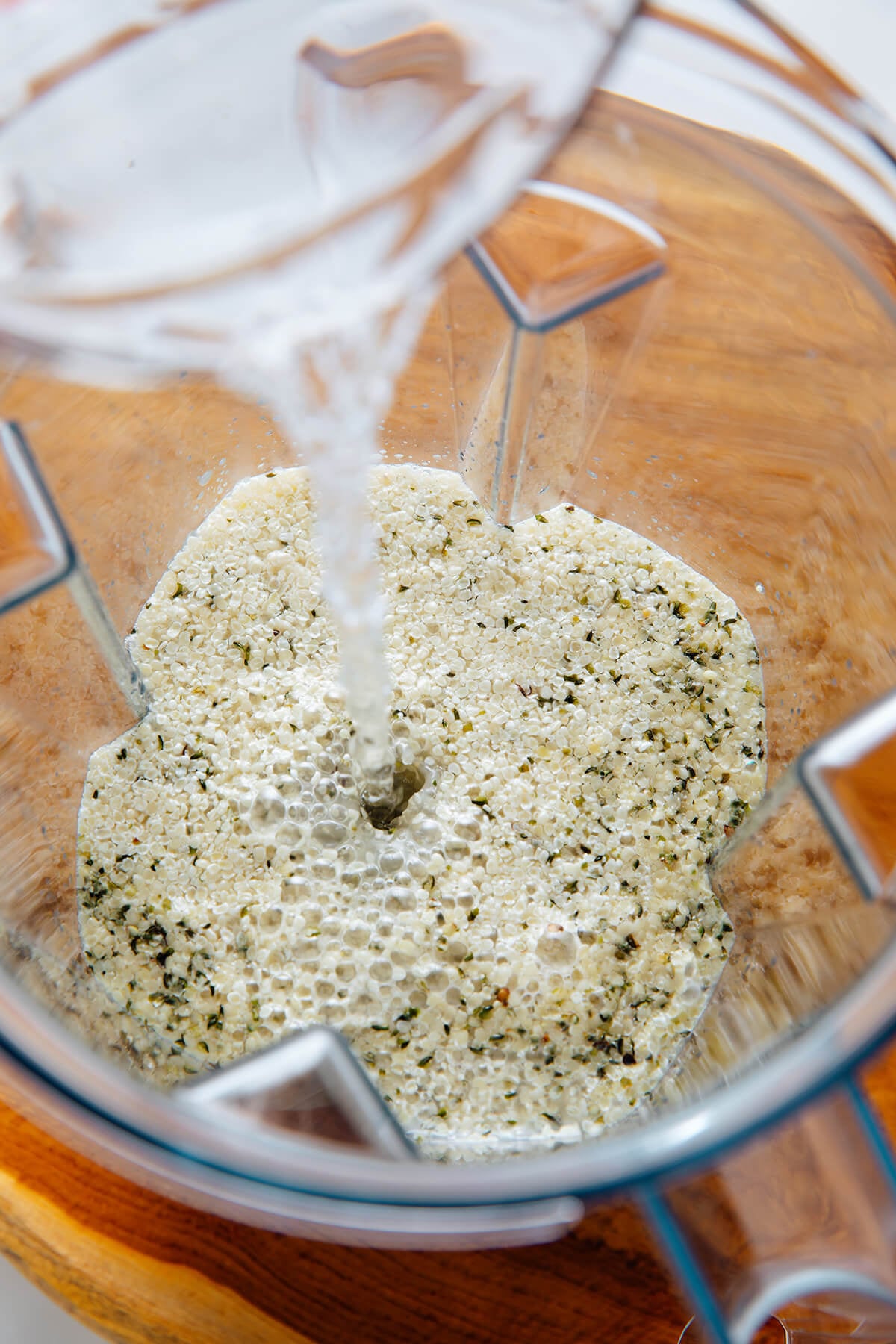
One of the most appealing aspects of hemp milk, particularly for health-conscious consumers, is the straightforward process of making it at home. Unlike almond or cashew milk, which often necessitate several hours of soaking nuts to achieve optimal texture and nutrient release, hemp hearts require no pre-soaking. The primary ingredients are simply hemp hearts, water, and optional sweeteners and flavorings. This minimal preparation time—typically just a few minutes of blending—makes it an attractive option for those seeking fresh, additive-free plant milk without the hassle.
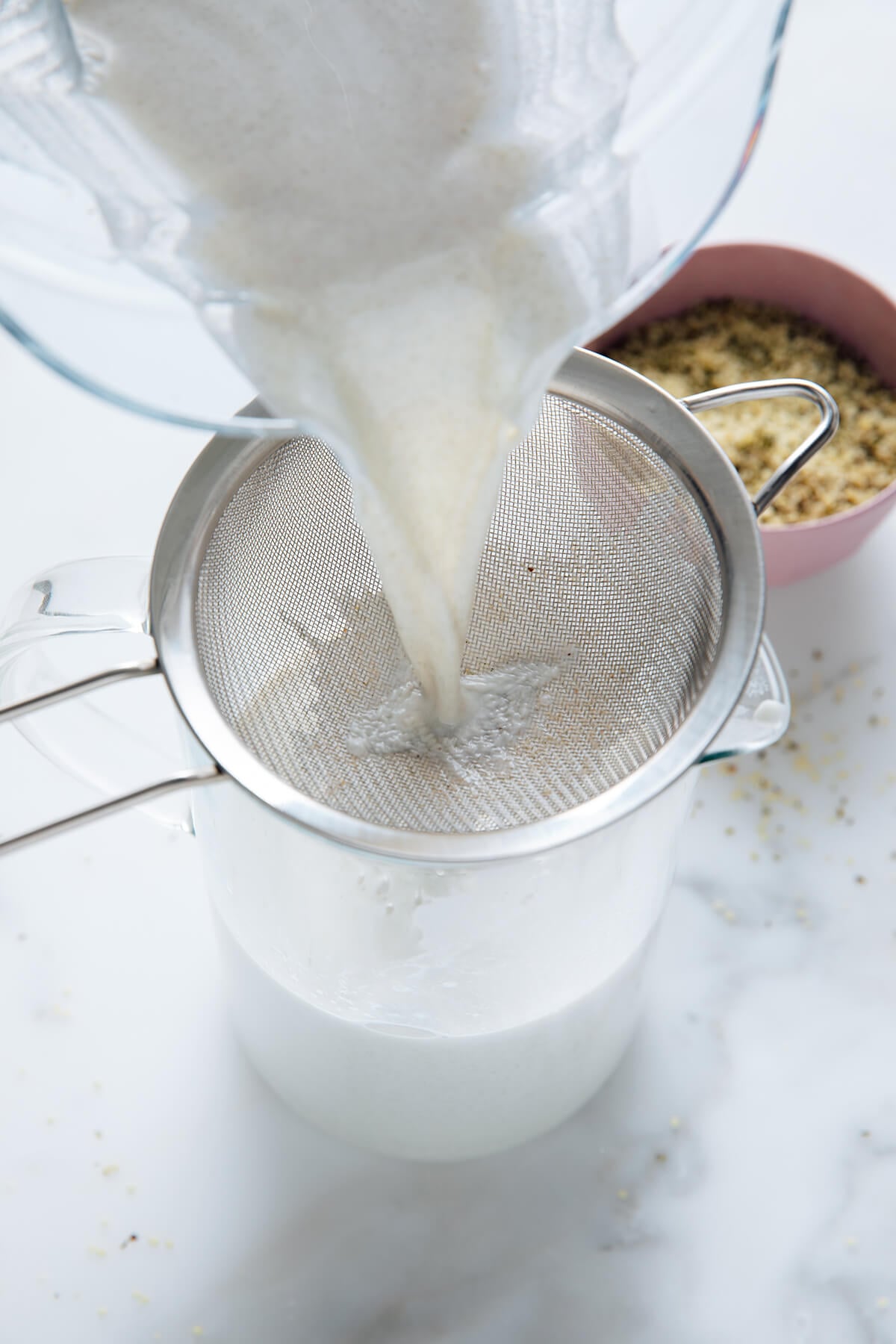
The basic recipe involves blending hulled hemp seeds with water until a smooth, creamy consistency is achieved. While some recipes suggest straining the mixture through a nut milk bag for an even smoother product, the finely ground nature of hemp hearts often results in a palatable texture even without straining, reducing waste and further simplifying the process. This ease of preparation directly addresses a common consumer desire for homemade alternatives that offer control over ingredients, allowing individuals to avoid added sugars, stabilizers, and preservatives often found in commercially produced plant milks.
Key Ingredients and Flavor Customization
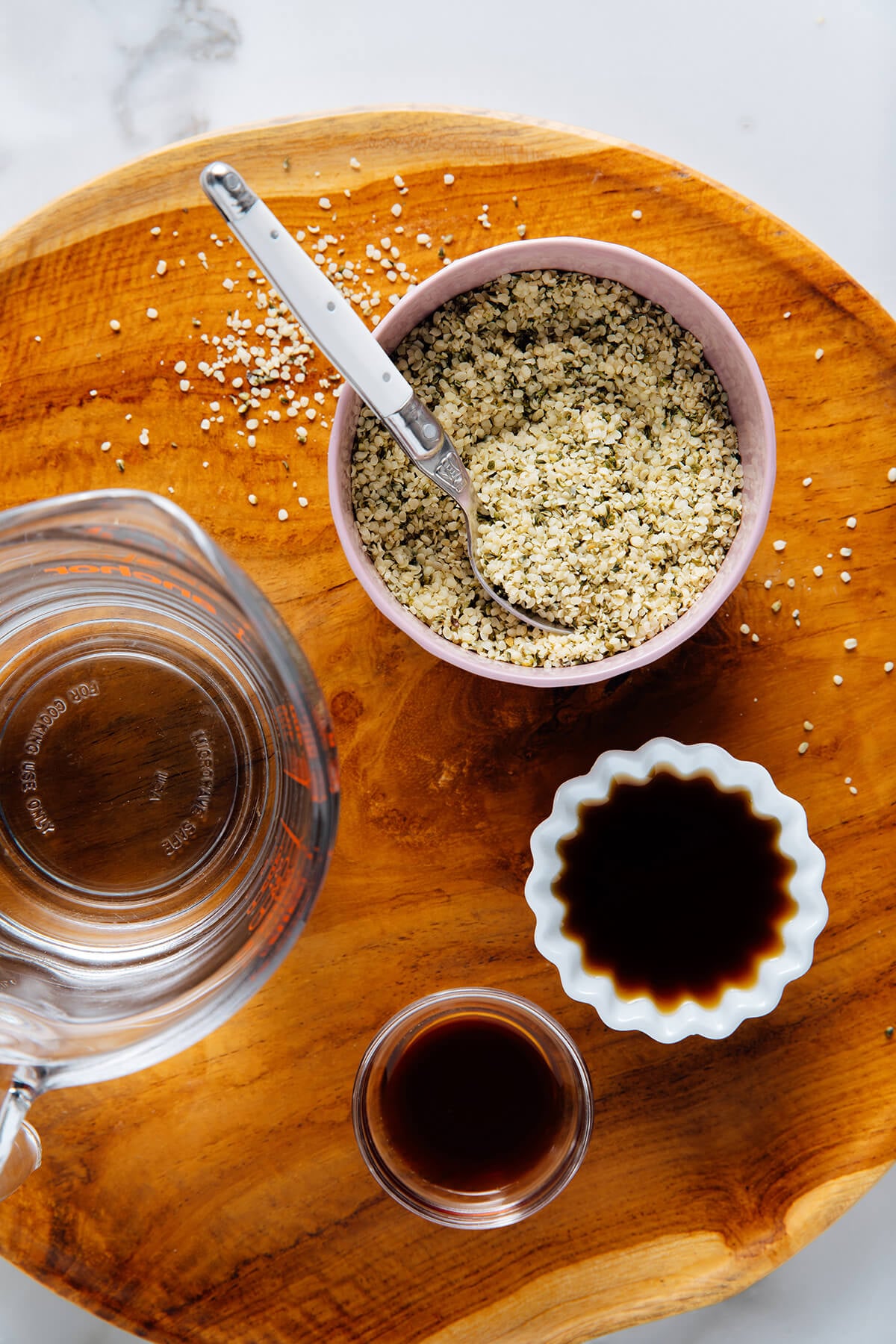
The core ingredients for homemade hemp milk are readily available and simple:
- Hemp Hearts (Hulled Hemp Seeds): These are the shelled inner kernels of the hemp seed. They are widely available in well-stocked grocery stores, health food shops, and online retailers. Quality can vary between brands, and it is recommended to check for freshness before use, as older seeds can impart an undesirable grassy flavor.
- Water: Room temperature or chilled water is ideal, as the blending process can slightly warm the liquid.
- Maple Syrup (Optional Sweetener): While optional, a small amount of sweetener, typically 1 to 2 tablespoons per batch, significantly enhances the flavor profile. Maple syrup is a popular choice due to its natural sweetness and ability to blend seamlessly without leaving a distinct flavor. Other options include honey (which may impart its own flavor), agave nectar, or a pitted Medjool date (soaked if not plump). It’s worth noting that even with added maple syrup, homemade hemp milk can often contain less sugar than many commercially available dairy and plant-based milks.
- Vanilla Extract (Optional Flavor Enhancer): A touch of vanilla extract is highly recommended. It complements the inherent notes of the hemp seeds and helps to mitigate any subtle grassy undertones, resulting in a more universally appealing taste.
Beyond these staples, hemp milk is exceptionally amenable to flavor variations, allowing for personalized customization. Popular additions include:
- Coconut: Adding or substituting a portion of hemp seeds with unsweetened shredded coconut can impart a tropical creaminess.
- Cashew: Incorporating up to half a cup of cashews in place of an equal amount of hemp seeds yields an even creamier milk with a more neutral flavor profile, ideal for those sensitive to hemp’s distinct taste.
- Cinnamon: A quarter to half a teaspoon of ground cinnamon, particularly Ceylon cinnamon, adds warmth and aromatic depth.
- Chocolate: Blending in cocoa powder (up to 3 tablespoons) and adjusting the maple syrup to taste creates a rich, indulgent chocolate hemp milk, often a favorite among children and adults alike. This adaptability makes homemade hemp milk a versatile base for various culinary applications.
Applications and Broader Implications
The versatility of homemade hemp milk extends across numerous culinary applications, making it a functional ingredient in diverse recipes. It can be enjoyed simply as a refreshing drink, particularly when served very cold, which also helps to mellow its natural flavor. Its creamy texture makes it an excellent addition to smoothies, providing a protein and nutrient boost without altering the overall consistency. It performs well in hot beverages such as coffee and tea, offering a dairy-free creamer alternative.
Furthermore, hemp milk can be used in:
- Cereal and Oatmeal: A direct substitute for dairy milk, enriching breakfast staples.
- Baking: It can replace cow’s milk in most baking recipes, contributing moisture and a subtle nutty flavor.
- Savory Dishes: Its neutral-to-slightly-nutty flavor can complement sauces, soups, and other savory preparations where a creamy, plant-based liquid is desired.
- Overnight Oats and Chia Pudding: Its creamy base is perfect for creating satisfying and healthy breakfast or snack options.
The increasing embrace of homemade plant milks, including hemp milk, has significant implications for public health, the economy, and environmental sustainability. From a public health perspective, it empowers consumers to take greater control over their diet, reducing reliance on processed foods and allowing for tailoring to specific nutritional needs or allergies. The high protein and beneficial fatty acid content of hemp milk supports a balanced diet, contributing to better overall health outcomes.
Economically, the growing demand for hemp seeds drives agricultural innovation and diversification, particularly in regions where hemp cultivation is becoming re-established. This provides new revenue streams for farmers and contributes to the expansion of the natural food industry. While potentially impacting traditional dairy markets, the plant-based sector represents a significant growth area, fostering competition and innovation.
Environmentally, hemp is often lauded as a more sustainable crop compared to many traditional dairy farming practices. Hemp requires less water than almond cultivation and less land than dairy farming, and it has the added benefit of sequestering carbon from the atmosphere. The ability to make hemp milk at home also reduces the packaging waste associated with store-bought alternatives, further enhancing its eco-friendly credentials. This aligns with broader consumer trends towards sustainable living and mindful consumption.
As consumers continue to prioritize health, sustainability, and transparency in their food choices, homemade hemp milk stands poised to become an increasingly popular and indispensable component of the modern diet. Its ease of production, superior nutritional value, and adaptability to various flavors and uses underscore its significant role in the ongoing plant-based food revolution.
