

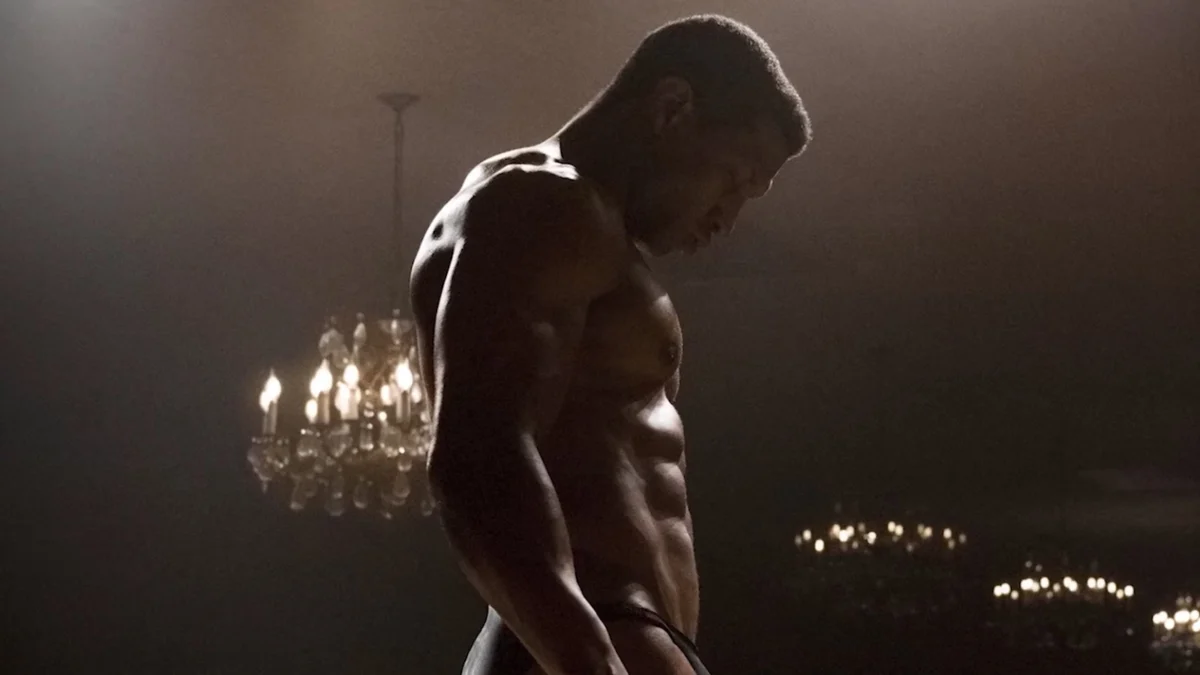
The Nutritional Architecture of a Professional Physique
The cornerstone of Majors’ transformation was a hyper-caloric diet designed to facilitate rapid muscle hypertrophy while maintaining a low body fat percentage. In an interview with Variety following the film’s premiere, Majors revealed that he consumed 6,100 calories per day for four consecutive months. To put this in perspective, the average moderately active male is typically recommended to consume between 2,500 and 2,800 calories daily. Majors was nearly tripling the standard caloric intake to sustain his 6-foot, 202-pound frame and to provide the fuel necessary for significant muscle growth.
The diet was not merely about quantity but about precise macronutrient ratios. Majors emphasized the importance of protein intake, stating that his goal was to consume an amount of protein equivalent to his body weight in grams, a standard practice in professional bodybuilding circles to ensure muscle repair and synthesis. His diet consisted of six meals a day, primarily focused on "clean" protein sources. "Lots of chicken. Lots of elk," Majors noted, adding that elk was a personal preference for its lean profile and high nutrient density. The logistical challenge of eating six times a day while maintaining a filming schedule requires a level of discipline often compared to that of professional athletes during a "bulking" phase.
The Triple-Session Training Regimen
Physical appearance in bodybuilding is the result of strategic muscle fiber damage and subsequent recovery. Majors approached his training with the same intensity he applies to his dramatic roles. While a standard professional bodybuilder might train twice a day, Majors pushed his routine further to accommodate the time constraints of a film production.
He detailed a schedule that involved two-hour training sessions twice a day specifically for the film’s requirements. However, his commitment did not end when the cameras stopped rolling. Majors revealed that he often engaged in a third training session after the production "wrapped" for the day. This "three-a-day" approach is virtually unheard of in typical fitness circles and is usually reserved for elite athletes in the final weeks of competition preparation. By training for six hours or more daily, Majors ensured that every muscle group was stimulated to the point of maximum hypertrophy, allowing him to portray Maddox’s obsessive nature through his own physical reality.
Chronology of Transformation: From the Ring to the Stage
The timing of "Magazine Dreams" was particularly challenging for Majors due to his concurrent involvement in other high-profile, physically demanding projects. The transformation for Killian Maddox followed closely on the heels of his preparation for "Creed III," where he played Damian "Dame" Anderson, a formidable boxer and antagonist to Michael B. Jordan’s Adonis Creed.
The transition from a boxer’s physique to a bodybuilder’s physique is a complex physiological shift. Boxing requires "functional" muscle—lean, explosive, and cardiovascularly efficient. Bodybuilding, conversely, focuses on "aesthetic" muscle—volume, symmetry, and extreme definition. Majors had to pivot from the high-intensity interval training (HIIT) and agility drills required for the boxing ring to the heavy resistance and isolation movements required for the bodybuilding stage. This seamless transition between two distinct athletic archetypes within a single year highlights Majors’ versatility and his willingness to use his body as a primary tool for storytelling.
The Psychological Weight of Killian Maddox
For Majors, the physical transformation was not an end in itself but a means to understand the internal landscape of his character. "Magazine Dreams" is a character study of a man whose identity is entirely tethered to his physical form. Killian Maddox is a character who exists on the fringes of society, using bodybuilding as a shield against a world he finds hostile and confusing.
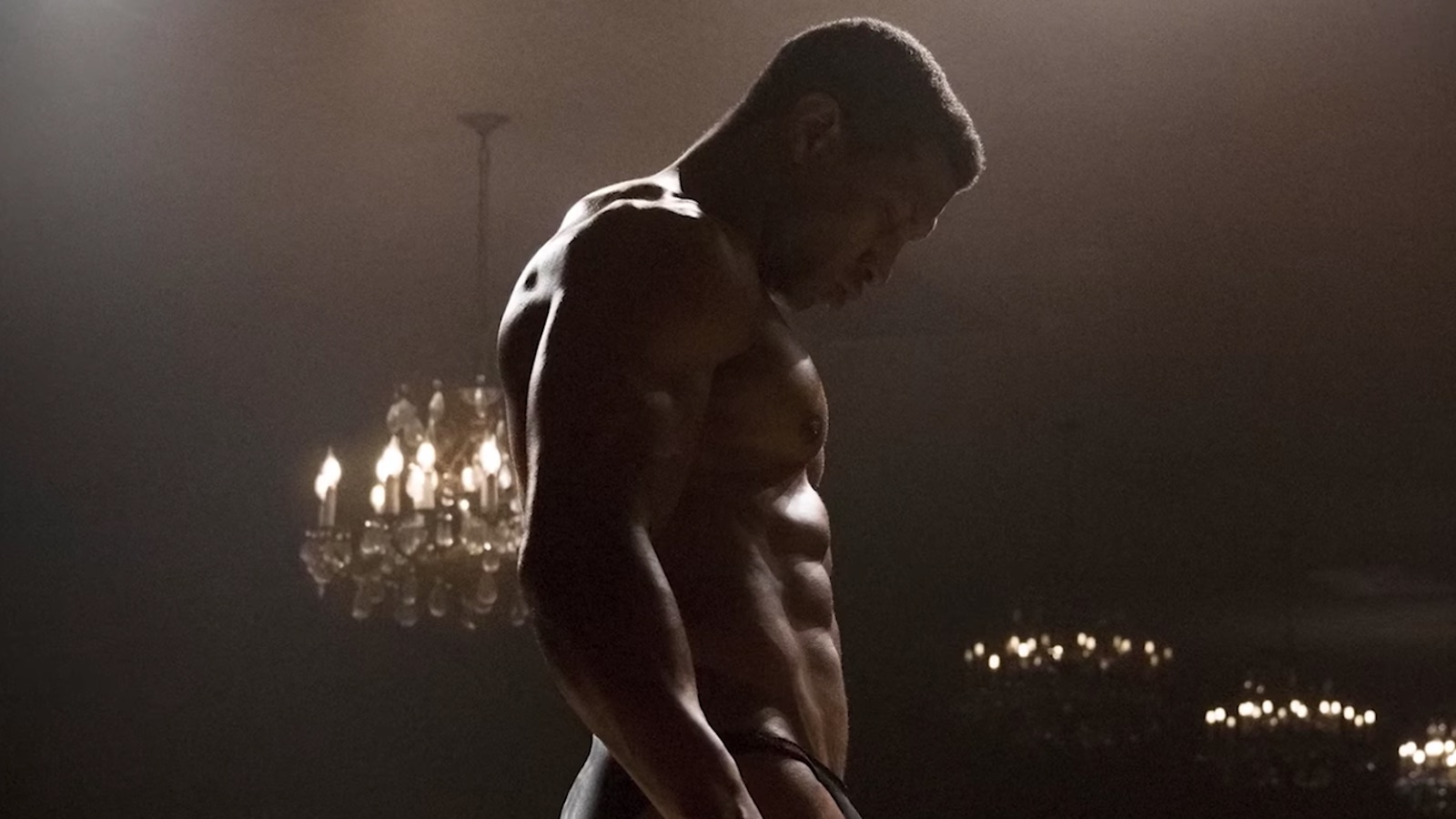
By subjecting himself to the same caloric and physical pressures as Maddox, Majors was able to tap into the irritability, exhaustion, and singular focus that often accompany extreme dieting and overtraining. In his interview with Deadline Hollywood, Majors suggested that "you don’t [expletive] around" when playing a character like Maddox. The physical discomfort of eating 6,100 calories and training three times a day served as a constant sensory reminder of Maddox’s own internal pressure. This "method" approach to the role ensured that the performance was grounded in a lived physical experience rather than just a visual facade.
Industry Implications and the Culture of Physical Transformation
Majors’ commitment to "Magazine Dreams" occurs at a time when the film industry is increasingly scrutinized for its reliance on digital enhancement and performance-enhancing supplements. In an era where "superhero bodies" are often augmented by CGI or rapid, unsustainable transformations, Majors’ reliance on traditional bodybuilding methods—high-protein diets and high-volume lifting—stands as a testament to a more traditional form of cinematic craftsmanship.
However, such transformations are not without risk. The physiological strain of consuming over 6,000 calories while engaging in six hours of daily exercise can lead to metabolic stress, joint issues, and mental burnout. Industry analysts note that performers at Majors’ level are typically supported by a team of professional trainers, nutritionists, and medical staff to mitigate these risks. This level of support allows actors to achieve "superhuman" results in a relatively short timeframe, but it also sets a high, and sometimes controversial, bar for physical standards in Hollywood.
Critical Reception and Artistic Impact
The initial reaction to "Magazine Dreams" at Sundance was overwhelmingly focused on Majors’ visceral performance. Critics noted that his physical presence was intimidating and heartbreaking in equal measure, a duality made possible by the authenticity of his physique. The film’s exploration of the "American Dream" through the lens of physical obsession resonated with audiences, positioning Majors as a frontrunner for various acting accolades during the 2023 festival circuit.
The film’s director, Elijah Bynum, has spoken about the necessity of Majors’ transformation, suggesting that the character’s body is the film’s most important "set piece." Without the genuine muscle mass and the visible strain of the lifestyle, the narrative stakes of Maddox’s journey would have been significantly diminished. Majors’ ability to marry high-concept dramatic acting with the discipline of an elite athlete has solidified his reputation as one of the most dedicated performers of his generation.
Broader Context: The Legacy of the Physical Actor
Jonathan Majors joins a storied lineage of actors who have used extreme physical change as a gateway to character depth. From Robert De Niro’s weight gain for "Raging Bull" to Christian Bale’s dramatic fluctuations for "The Machinist" and "The Dark Knight," the "physical actor" remains a celebrated, if grueling, archetype in cinema.
Majors, however, brings a modern athletic sensibility to this tradition. His background in sports and his vocal appreciation for the "elk and chicken" grind of the fitness world suggest a performer who views physical discipline as a form of meditation. As "Magazine Dreams" moves toward a wider theatrical release, the conversation surrounding the film will likely continue to center on the 6,100-calorie diet and the 4:00 AM gym sessions. Yet, for Majors, these numbers are merely the data points of a much larger artistic endeavor: the attempt to humanize a character who has turned himself into a machine.
In the final analysis, "Magazine Dreams" serves as a case study in the intersection of sports science and dramatic arts. Jonathan Majors’ four-month journey to becoming Killian Maddox was a feat of endurance that required more than just a gym membership; it required a total surrender to the character’s obsessive lifestyle. Whether this level of transformation becomes a recurring theme in Majors’ career remains to be seen, but his work in "Magazine Dreams" has already established a new benchmark for what is possible when an actor decides to leave no dumbbell unturned.
