

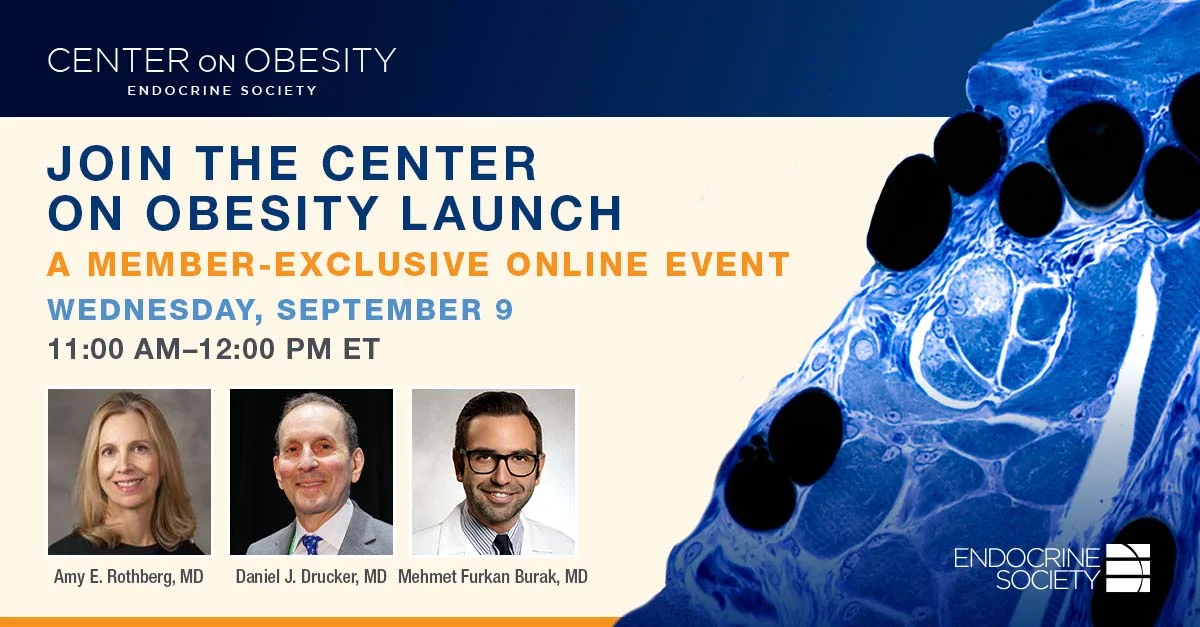
The Endocrine Society has announced a landmark virtual event scheduled for September 9, marking the formal introduction of its new Center on Obesity and the unveiling of a comprehensive Scientific Statement titled Obesity Science, Research Gaps and Opportunities in the New Era of Obesity Medicines. This initiative represents a strategic pivot for the organization, aiming to address the rapidly evolving landscape of metabolic health and the transformative impact of new pharmacological interventions on global health outcomes. The event, which will be held from 11 AM to 12 PM ET, is designed to provide members with an exclusive preview of the Society’s roadmap for addressing the global obesity crisis through the lens of endocrine science.
As the global medical community grapples with a paradigm shift in how obesity is diagnosed and treated, the Endocrine Society’s new Center on Obesity seeks to establish a centralized hub for research, advocacy, and clinical excellence. By leveraging the deep expertise of its international membership in hormonal regulation and metabolic pathways, the Society aims to move beyond traditional weight-loss narratives, focusing instead on the biological underpinnings of obesity as a chronic, relapsing disease.
A New Era of Obesity Pharmacotherapy
The centerpiece of the September 9 event is the presentation of the Society’s latest Scientific Statement. This document arrives at a critical juncture in medical history, characterized by the widespread adoption of Glucagon-Like Peptide-1 Receptor Agonists (GLP-1RAs) and other incretin-based therapies. These medications have fundamentally altered the clinical approach to weight management, demonstrating efficacy levels previously seen only with bariatric surgery.
Daniel J. Drucker, MD, a world-renowned pioneer in the development of GLP-1RA therapies, led the writing group for the statement and will present its primary findings. Dr. Drucker’s work has been instrumental in the discovery of the physiological roles of GLP-1 and other gut hormones, providing the foundational science that allowed for the development of modern obesity drugs. His presentation is expected to delineate the mechanisms by which these therapies interact with the endocrine system to regulate appetite and energy expenditure, while also highlighting the physiological changes that occur when these systems are modulated.
The statement is the result of an exhaustive review conducted by eight leading experts in the field. The group synthesized data from more than 200 peer-reviewed studies to identify current trends in obesity treatment and, perhaps more importantly, the critical areas where scientific knowledge remains incomplete. This rigorous methodology ensures that the statement serves as a definitive guide for clinicians and researchers navigating the complexities of modern weight management.
Addressing the Global Obesity Crisis
The launch of the Center on Obesity is a direct response to a burgeoning public health emergency. According to the World Health Organization (WHO), more than one billion people worldwide are living with obesity, a figure that includes approximately one in eight individuals globally. In the United States, the Centers for Disease Control and Prevention (CDC) reports that the adult obesity prevalence rate has surpassed 40%, contributing to a rise in comorbid conditions such as type 2 diabetes, cardiovascular disease, non-alcoholic fatty liver disease (NAFLD), and several types of cancer.
The Endocrine Society’s Center on Obesity is positioned to address these challenges by focusing on the hormonal causes and treatments of obesity. While the role of diet and exercise remains foundational, the Center will emphasize the necessity of medical intervention for patients whose biological drivers prevent sustainable weight loss through lifestyle changes alone. By focusing on the "science of the why," the Center aims to destigmatize obesity and promote a more nuanced, evidence-based approach to patient care.
Amy E. Rothberg, MD, who serves as the Chair of the Society’s Obesity Task Force, will lead the discussion on the Center’s operational goals. Dr. Rothberg is expected to outline how the Center will bridge the gap between basic research and clinical application, ensuring that the latest scientific breakthroughs are translated into accessible treatments for patients. The Center will also focus on education, providing healthcare providers with the tools and knowledge necessary to manage the long-term use of new obesity medications.
Chronology of Obesity Medicine and the Society’s Role
The development of the Center on Obesity and the new Scientific Statement follows a long timeline of endocrinology’s involvement in metabolic health. For decades, the Endocrine Society has been at the forefront of identifying the hormonal signals—such as leptin, ghrelin, and insulin—that govern energy balance.
In the early 2000s, the focus was primarily on understanding the "adipostat" and why the human body tends to defend a higher weight set-point. By the 2010s, the emergence of the first generation of GLP-1 medications for diabetes management provided early clues into their weight-loss potential. However, it was the more recent approval of high-dose GLP-1 and GIP/GLP-1 dual agonists that truly ushered in the "new era" referenced in the Scientific Statement.
The timeline leading up to the September 9 event includes several years of strategic planning by the Obesity Task Force. The decision to formalize a Center on Obesity reflects the Society’s recognition that obesity is not merely a comorbid condition of other endocrine disorders, but a primary disease state that requires dedicated resources and a multidisciplinary approach.
Identifying Research Gaps and Opportunities
While the current generation of obesity medications has shown remarkable success, the Scientific Statement identifies several critical "research gaps" that the Center on Obesity will prioritize. These gaps include:
- Long-term Efficacy and Safety: Most clinical trials for modern obesity drugs have followed patients for two to three years. The scientific community requires more data on the effects of decadal use, particularly concerning bone density, muscle mass preservation, and cardiovascular outcomes in diverse populations.
- Pediatric and Adolescent Care: With childhood obesity rates rising, there is an urgent need to understand how early pharmacological intervention affects growth, development, and long-term metabolic health.
- Treatment Access and Equity: The high cost of modern obesity medications has created a significant barrier to access. The Statement is expected to address the socio-economic disparities in obesity care and the need for policy changes to ensure that life-saving treatments are available to all, regardless of income.
- The "Post-Weight Loss" Phase: Research is needed into the physiological changes that occur once a patient reaches their target weight. Questions remain regarding whether medication doses can be tapered or if lifelong therapy is required to prevent weight regain.
- Personalized Medicine: Identifying biomarkers that can predict which patients will respond best to specific medications or combinations of therapies is a major frontier for the Center.
Leadership and Member Engagement
The September 9 event will be emceed by Mehmet Furkhan Burak, MD, Co-Chair of the Obesity Special Interest Group. Dr. Burak’s involvement highlights the grassroots engagement within the Society, as members from various sub-specialties come together to address the obesity epidemic. The member-exclusive nature of the event underscores the Society’s commitment to providing its professional community with the first look at major policy and scientific shifts.
The virtual format allows for global participation, reflecting the international scope of the problem. Members will have the opportunity to engage with the presenters, asking questions about how the new statement will influence clinical guidelines and what resources the Center will provide for individual practices.
Broader Implications for Healthcare Policy
The launch of the Center on Obesity is expected to have significant implications for healthcare policy and insurance coverage. By providing a rigorous scientific basis for obesity as a hormonal disease, the Endocrine Society is arming advocates with the evidence needed to challenge the classification of obesity drugs as "lifestyle" medications.
Financial analysts and public health experts have noted that the economic burden of obesity-related illnesses costs the global economy trillions of dollars annually. If the Endocrine Society’s Center can successfully promote treatments that reduce the prevalence of obesity-related comorbidities, the long-term savings for healthcare systems could be substantial. This economic argument is expected to be a key component of the Society’s advocacy efforts moving forward.
Furthermore, the Scientific Statement will likely influence future clinical practice guidelines. As the "New Era" of obesity medicine continues to unfold, the Society’s recommendations will serve as a North Star for primary care physicians, cardiologists, and other specialists who are increasingly prescribing metabolic medications.
Conclusion and Future Outlook
The Endocrine Society’s event on September 9 is more than a simple announcement; it is the formalization of a new scientific frontier. By combining the launch of the Center on Obesity with a comprehensive Scientific Statement, the Society is asserting its leadership in a field that is currently undergoing its most significant transformation in a century.
As Dr. Drucker, Dr. Rothberg, and Dr. Burak present their findings and visions, the medical community will gain a clearer understanding of how to navigate the opportunities and challenges of modern obesity care. The "one in eight" people worldwide living with obesity represent a massive patient population in need of science-driven solutions. The Center on Obesity aims to be the catalyst for those solutions, ensuring that the next chapter of obesity medicine is defined by scientific rigor, clinical compassion, and equitable access.
Following the event, the Scientific Statement will be published in the Society’s peer-reviewed journals, providing a permanent reference for the global medical community. The Center on Obesity will then begin its work in earnest, launching new research initiatives and educational programs designed to empower the next generation of endocrinologists in the fight against metabolic disease.
