


The dietary landscape of the 21st century has seen a significant shift toward the prioritization of protein as the foundational macronutrient for both athletic performance and general metabolic health. While historically associated primarily with the bodybuilding community, high-protein, low-carbohydrate nutritional strategies are now being adopted by a broader demographic seeking weight management, improved glucose insulin sensitivity, and the preservation of lean muscle mass during aging. According to registered dietitians and clinical nutritionists, the strategic selection of whole-food protein sources is essential for maintaining dietary compliance and ensuring a robust intake of essential micronutrients.
The Physiological Role of Protein and the Low-Carb Paradigm
Protein serves as the primary structural component of the human body, facilitating the repair and synthesis of muscle tissue, enzymes, and hormones. Beyond its structural utility, protein is distinguished by its high Thermic Effect of Food (TEF). Clinical data indicates that the body expends significantly more energy—roughly 20% to 30% of the calories consumed—to process protein compared to carbohydrates (5% to 15%) or fats (0% to 3%). This metabolic advantage, coupled with protein’s superior satiating effect, makes it a cornerstone of modern nutritional science.
The transition toward low-carbohydrate intake often accompanies high-protein diets to stabilize blood sugar levels and encourage the body to utilize stored adipose tissue for energy. By reducing the glycemic load, individuals can mitigate the insulin spikes that often lead to fat storage and subsequent energy crashes.
A Chronology of Dietary Trends: From Low-Fat to High-Protein
The current emphasis on high-protein, low-carb foods is the result of decades of evolving nutritional research. In the late 20th century, dietary guidelines heavily favored low-fat, high-carbohydrate intake, leading to a proliferation of processed "diet" foods laden with sugar. By the early 2000s, the emergence of the Atkins and South Beach diets began to challenge this status quo, though often with a lack of nuance regarding fat quality.
In the current era, the focus has shifted toward "nutrient density" and "whole-food sources." Registered dietitians now advocate for a balanced approach that emphasizes lean proteins and healthy fats while minimizing refined sugars. This evolution reflects a growing understanding of the importance of "bioavailability"—the ease with which the body can absorb and utilize nutrients from specific food sources.
Comprehensive Analysis of the Top 20 High-Protein, Low-Carb Foods
To provide a sustainable framework for this dietary approach, experts highlight 20 specific foods that offer the highest protein-to-calorie ratios while maintaining low carbohydrate profiles.

1. Whole Eggs
Often cited as the "gold standard" for protein quality, whole eggs provide approximately 6 to 7 grams of protein per large unit. They contain all nine essential amino acids and are rich in choline, a nutrient vital for brain health. Despite historical concerns regarding cholesterol, modern research suggests that for most individuals, the dietary cholesterol in eggs has a negligible impact on blood cholesterol levels.
2. Egg Whites
For those seeking to maximize protein intake while minimizing caloric and fat density, egg whites are an optimal choice. A single egg white contains roughly 3.6 grams of protein and zero grams of fat or carbohydrates. This makes them a versatile "volume food" for those on restricted calorie budgets.
3. Salmon
Salmon is a powerhouse of nutrition, offering roughly 20 grams of protein per 3-ounce serving. Its primary advantage lies in its high concentration of Omega-3 fatty acids (EPA and DHA), which are clinically proven to reduce systemic inflammation and support cardiovascular health.
4. Sardines
These small, fatty fish are among the most nutrient-dense foods available. In addition to being high in protein and Omega-3s, sardines are an excellent source of calcium and Vitamin D, as the edible bones provide a bioavailable source of minerals often lacking in modern diets.
5. Tuna
Tuna remains a staple for its convenience and lean profile. Whether fresh or canned in water, tuna is almost entirely comprised of protein. However, dietitians recommend monitoring intake due to potential mercury levels, suggesting that "light" tuna varieties generally contain lower levels of heavy metals than albacore.
6. Shrimp
Shrimp is one of the leanest protein sources in the marine world. With approximately 24 grams of protein per 100 grams and less than 1 gram of fat, it is an ideal choice for high-volume eating without exceeding daily caloric limits.
7. Pork Chops
Modern pork production has resulted in leaner cuts that rival chicken breast in nutritional profile. A center-cut pork chop provides high-quality protein along with B-vitamins such as thiamine and niacin, which are essential for energy metabolism.

8. Pork Shoulder
While higher in fat than the chop, pork shoulder (often used for pulled pork) provides a moderate-fat protein source that is rich in iron and zinc. It is a preferred option for those following ketogenic or moderate-fat diets.
9. Ham
Cured ham offers a convenient, ready-to-eat protein source. Dietitians advise selecting varieties with minimal added sugars (such as honey-glazed) to maintain a low-carbohydrate profile and being mindful of sodium content for those with hypertensive concerns.
10. Sirloin Steak
Sirloin is a "lean" red meat, offering the benefits of heme iron and Vitamin B12 without the excessive saturated fat found in more marbled cuts. It provides roughly 26 grams of protein per 3-ounce serving.
11. Strip Steak
Similar to sirloin, the strip steak (or New York Strip) offers a balance of flavor and lean protein. It is a dense source of creatine, which supports ATP production during high-intensity exercise.
12. Ribeye Steak
For individuals on higher-calorie or ketogenic plans, the ribeye provides essential fatty acids and a robust protein profile. The higher fat content aids in the absorption of fat-soluble vitamins (A, D, E, and K).
13. Lean Ground Beef (95/5)
Ground beef is a versatile dietary staple. Opting for a 95% lean/5% fat ratio allows for the inclusion of red meat’s mineral benefits while keeping caloric density manageable.
14. Beef Liver
Once a cornerstone of the human diet, organ meats like beef liver are experiencing a resurgence. Liver is arguably the most nutrient-dense food on the list, containing high concentrations of Vitamin A, copper, and riboflavin.

15. Cottage Cheese
Cottage cheese is a unique dairy source consisting primarily of casein protein. Casein is slow-digesting, providing a steady release of amino acids into the bloodstream, making it an ideal pre-sleep snack for muscle preservation.
16. Greek Yogurt
Strained to remove excess whey and lactose, Greek yogurt contains double the protein of traditional yogurt. Plain, non-fat varieties are preferred to avoid the hidden sugars found in flavored versions.
17. Chicken Breast
The quintessential "clean" protein, chicken breast is nearly pure protein. Its neutral flavor profile makes it the most adaptable food for various culinary applications, from salads to stir-fries.
18. Chicken Thighs
Chicken thighs offer a slightly higher fat content than breasts, which many find more palatable and satiating. They are also richer in micronutrients like zinc and selenium.
19. Whey Protein Powder
As a supplement, whey protein isolate or concentrate provides the fastest-absorbing source of amino acids. It is particularly effective for post-workout recovery when rapid protein synthesis is required.
20. Casein Protein Powder
The powdered form of the slow-digesting protein found in cottage cheese. It is often used by athletes to maintain a positive nitrogen balance over long periods without food, such as during overnight sleep.
Expert Consensus and Dietary Recommendations
The consensus among registered dietitians is that protein intake should be individualized. While the Recommended Dietary Allowance (RDA) is set at a modest 0.8 grams per kilogram of body weight, this is considered a minimum to prevent deficiency rather than an optimal level for health. For active individuals and those over the age of 50, many experts recommend 1.2 to 2.2 grams of protein per kilogram of body weight.
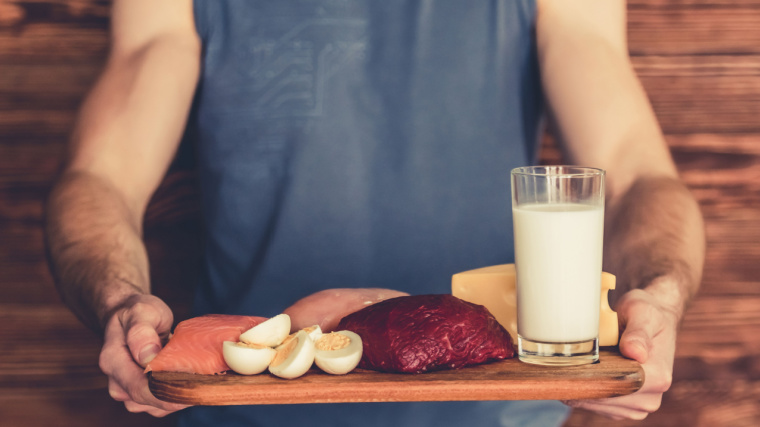
"Diversity in protein sources is not just about taste; it’s about the micronutrient matrix," states a leading nutritional analyst. "By rotating between ruminant meats, poultry, seafood, and dairy, an individual ensures they are receiving a full spectrum of minerals like zinc, magnesium, and iodine that are often missed in a monotonous diet."
Sample Nutritional Framework: The 200-Pound Athlete
To illustrate the application of these foods, consider a 200-pound athlete requiring approximately 250 grams of protein daily. A structured day might include:
- Breakfast: A four-egg omelet with spinach and 100g of lean ham (approx. 45g protein).
- Lunch: 200g of grilled chicken breast with a large green salad (approx. 60g protein).
- Post-Workout: One scoop of whey protein isolate (approx. 25g protein).
- Dinner: 200g of sirloin steak with steamed broccoli (approx. 55g protein).
- Evening Snack: 1 cup of Greek yogurt or cottage cheese (approx. 25g protein).
This framework achieves high protein targets while maintaining a low carbohydrate intake, facilitating both recovery and metabolic efficiency.
Broader Implications for Public Health
The shift toward high-protein, low-carb eating has implications beyond the gym. As global rates of metabolic syndrome and Type 2 diabetes continue to rise, the "protein-forward" approach offers a viable alternative to the standard Western diet. By prioritizing satiety and blood sugar stability, this nutritional strategy addresses the root causes of overconsumption and insulin resistance.
Furthermore, the emphasis on high-quality protein is a critical component in the fight against sarcopenia—the age-related loss of muscle mass. Clinical studies have shown that higher protein intake in older adults is directly correlated with better mobility, lower fracture risk, and increased longevity.
Conclusion
A high-protein, low-carbohydrate diet, when constructed from a diverse array of whole foods, provides a scientifically backed pathway to improved body composition and physiological health. By moving beyond the "chicken and broccoli" stereotype and incorporating nutrient-dense options like organ meats, fatty fish, and varied dairy, individuals can create a sustainable and enjoyable nutritional lifestyle. As research continues to validate the benefits of protein-dense eating, the integration of these 20 foods serves as a practical guide for anyone looking to optimize their metabolic health.
