

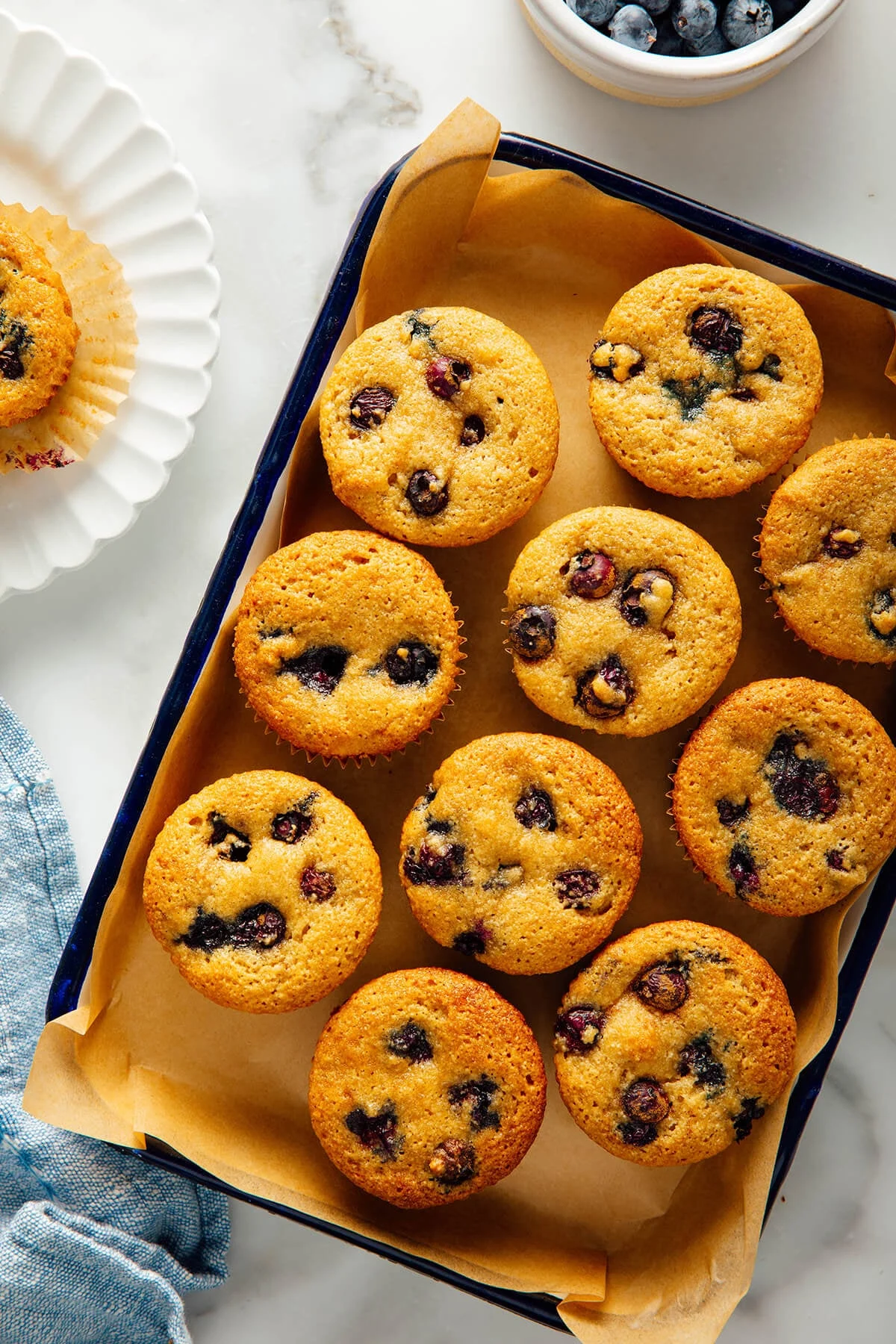
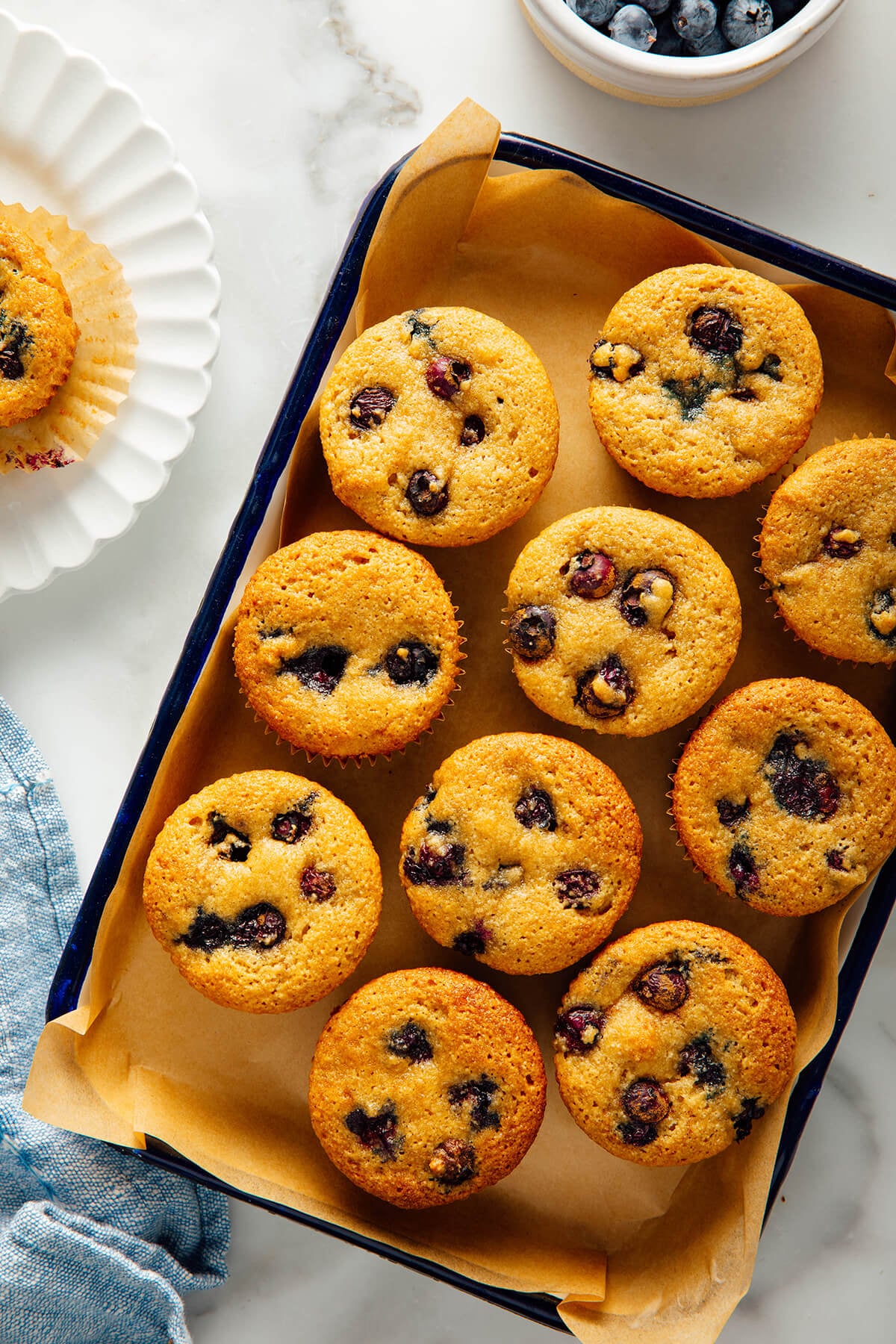
The culinary landscape has witnessed a significant advancement in gluten-free baking with the introduction of a new recipe for blueberry muffins, expertly crafted using almond flour. This innovation promises the classic, comforting experience of a golden, fluffy muffin, punctuated by succulent, jammy blueberries, while adhering to gluten-free dietary requirements. Unlike many gluten-free alternatives that rely on complex blends of starches and gums, this recipe distinguishes itself by utilizing a single, wholesome ingredient: almond flour, thereby simplifying the baking process and enhancing the nutritional profile. The developer reports a meticulous testing phase, involving over ten iterations, to achieve the ideal texture and flavor balance, demonstrating a commitment to quality and consumer satisfaction in the burgeoning gluten-free market.
The Expanding Sphere of Gluten-Free Baking: A Market Overview
The demand for gluten-free products has surged dramatically over the past decade, driven by a confluence of factors including increased diagnosis of celiac disease, a rise in non-celiac gluten sensitivity, and a growing consumer preference for healthier, more natural ingredient profiles. Globally, the gluten-free market size was valued at approximately USD 6.5 billion in 2023 and is projected to expand at a compound annual growth rate (CAGR) of over 9% from 2024 to 2032. This expansion reflects a broad shift in dietary habits, with consumers actively seeking alternatives to traditional wheat-based products for perceived health benefits, ranging from improved digestion to reduced inflammation.
However, the transition to gluten-free baking is often fraught with challenges. Gluten, the protein complex found in wheat, plays a crucial role in providing structure, elasticity, and texture to baked goods. Its absence necessitates innovative approaches to replicate the familiar characteristics of conventional baked items. Early gluten-free products often suffered from dense textures, crumbly consistency, or an unappealing taste. The reliance on various starches (like tapioca, potato, or corn starch) and hydrocolloids (such as xanthan gum) in many gluten-free all-purpose flour blends has been a common strategy to compensate for gluten’s absence. While effective to some extent, these additives often contribute minimal nutritional value and can sometimes impart a distinct, less desirable texture or flavor. The development of a successful gluten-free muffin using a single, nutrient-dense flour like almond flour thus represents a significant step forward in making wholesome and delicious gluten-free options more accessible.
Pioneering Perfection: The Almond Flour Innovation
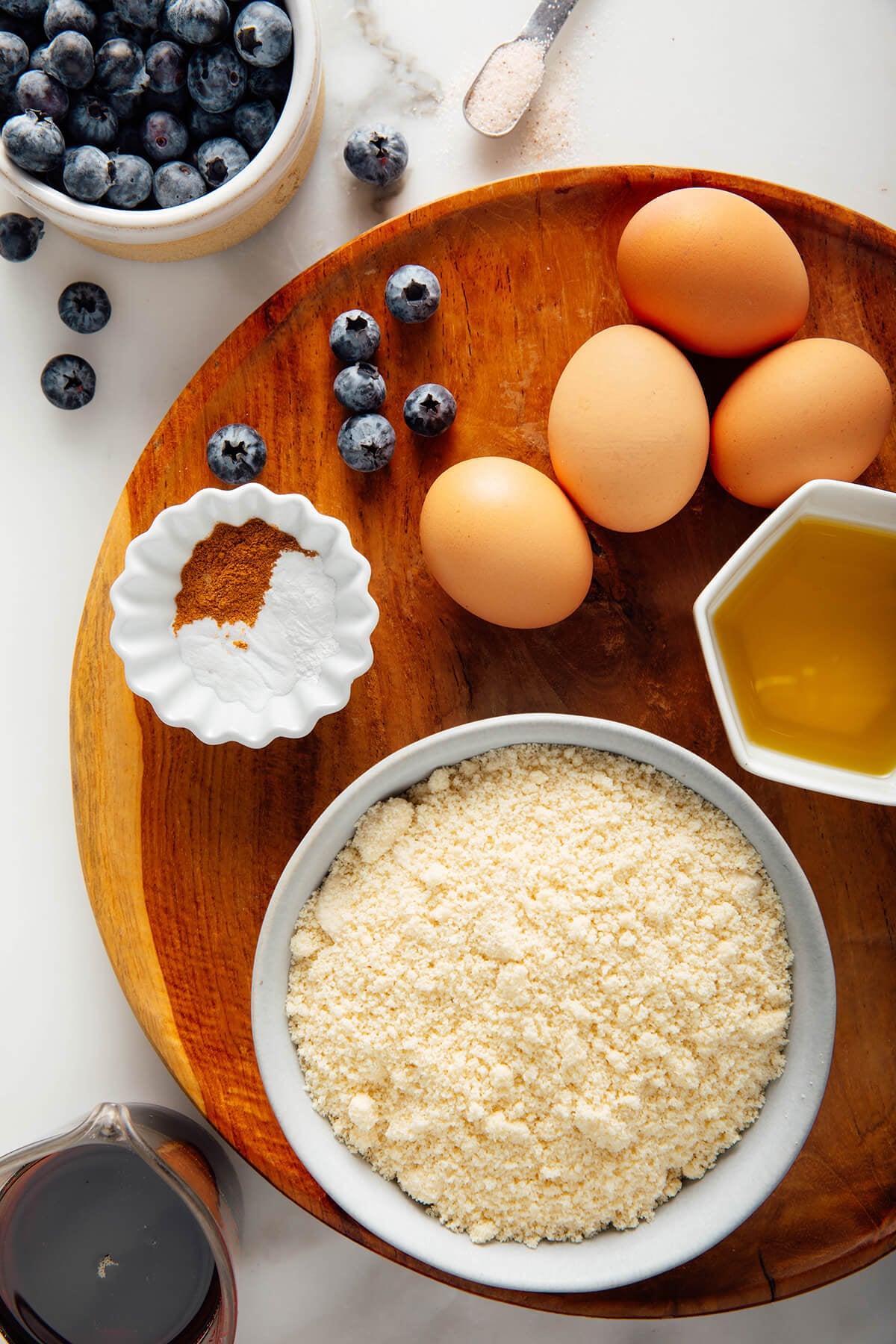
The core innovation of this new blueberry muffin recipe lies in its exclusive use of almond flour, eschewing the typical multi-flour blends, xanthan gum, or added starches. This approach aligns with a growing consumer desire for simpler, more transparent ingredient lists. However, adapting traditional wheat-based recipes to almond flour is not a straightforward substitution. Almond flour, derived from finely ground blanched almonds, possesses distinct properties that require careful recalibration of a recipe’s foundational elements. It is inherently less absorbent than wheat flour and contains a higher natural fat content. These characteristics mean that direct substitutions often result in overly moist or dense baked goods.
The recipe developer detailed an extensive research and development process to overcome these inherent challenges. This involved systematically adjusting liquid and fat quantities, a painstaking process that required "over ten tries" to achieve the desired balance. The objective was to create muffins that not only performed structurally but also delivered on sensory attributes: a golden exterior, a tender and fluffy interior, and the bursting sweetness of blueberries. The success of this iterative process underscores the scientific and artistic dedication required to innovate within the gluten-free baking sphere, moving beyond mere substitutions to true culinary engineering. The result is a muffin that, despite its wholesome composition, genuinely tastes like an indulgent treat, bridging the gap between health-conscious choices and satisfying flavor.
A Journey of Refinement: Addressing Specific Baking Hurdles
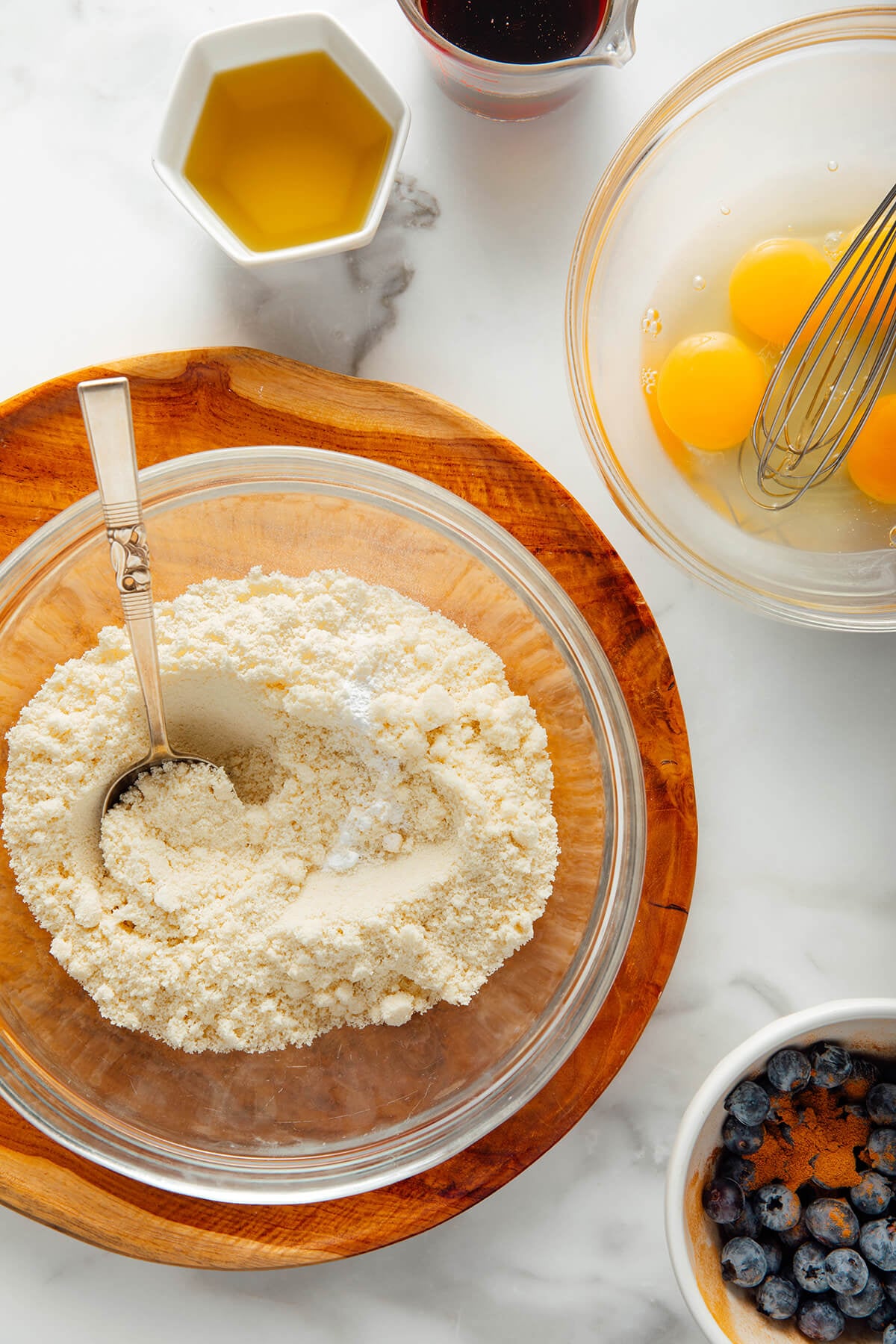
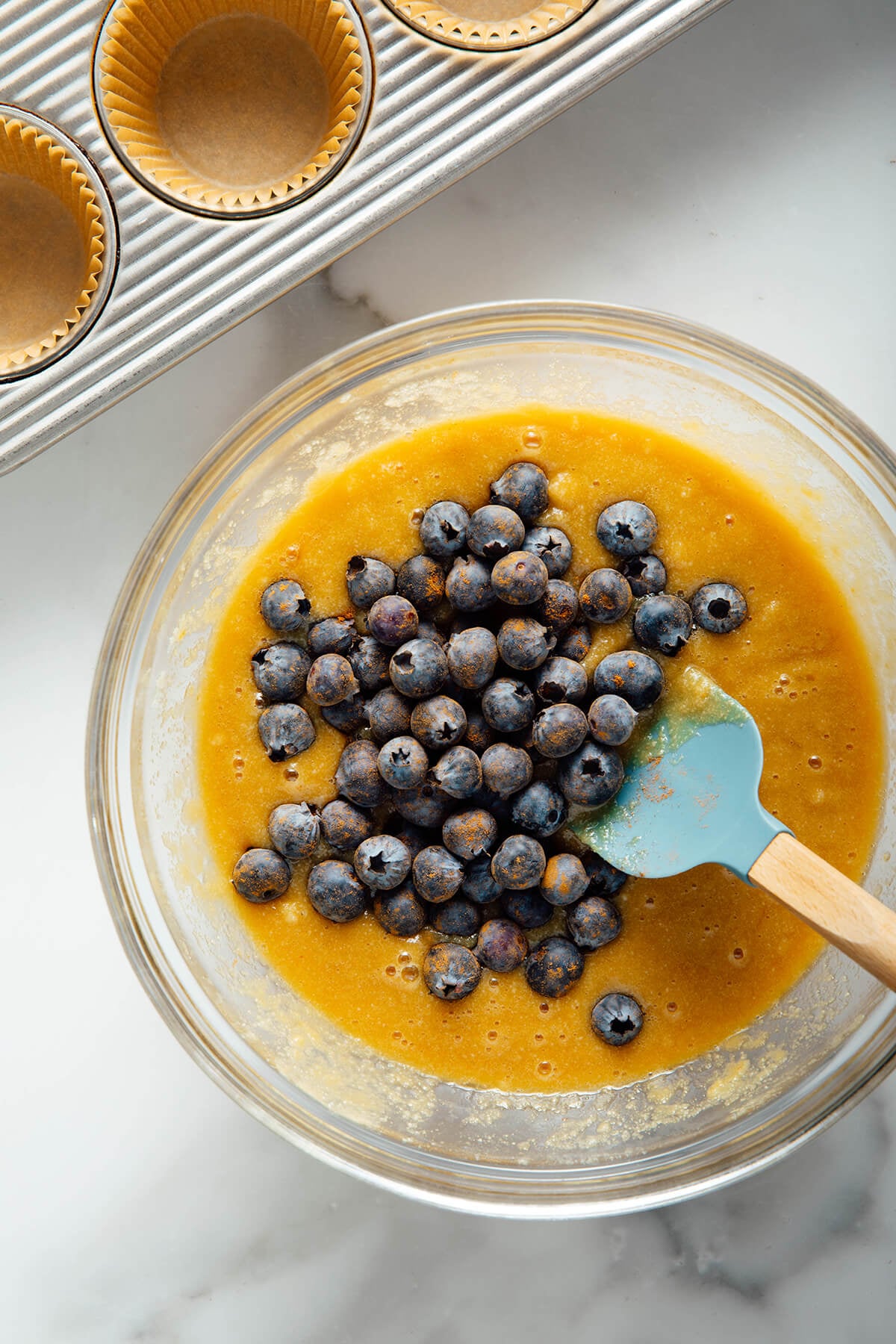
The development journey for these almond flour blueberry muffins was marked by several specific challenges, each requiring an innovative solution. One common issue encountered in muffin baking, particularly with denser batters or heavier inclusions, is the sinking of fruit to the bottom. In gluten-free contexts, where batter structure can be less robust, this problem is often exacerbated. Initial attempts to mitigate this by tossing blueberries in conventional flour proved ineffective. The breakthrough came with the unconventional yet ingenious solution of tossing the blueberries in ground cinnamon. This not only prevented the berries from sinking, ensuring an even distribution throughout the muffin, but also contributed a complementary warmth and depth of flavor, enhancing the overall taste profile.
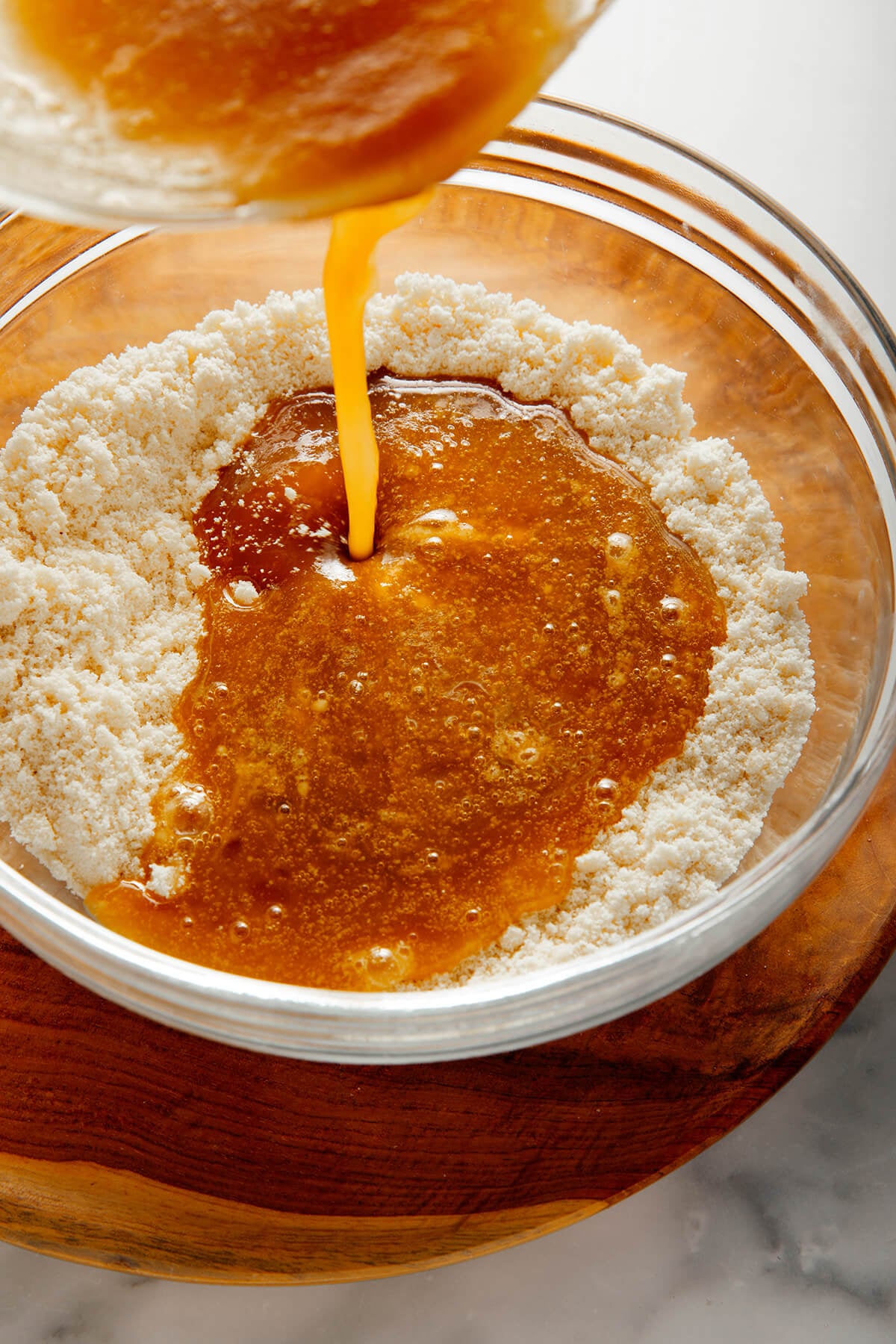
Another critical consideration was the aesthetic and chemical interaction of ingredients. The use of baking soda, a common leavening agent, can react with the natural pigments in blueberries, potentially causing them to turn an unappetizing green hue around the edges during baking. To counteract this, lemon juice was incorporated into the recipe. Beyond providing a bright, complementary flavor, the acidity of the lemon juice neutralizes the alkalinity of the baking soda, thereby preserving the vibrant blue-purple color of the berries and ensuring a visually appealing final product. Furthermore, the structural integrity of these gluten-free muffins is heavily reliant on eggs. The recipe specifies four eggs, a higher quantity than typically found in many conventional muffin recipes. This elevated egg content is crucial for providing the necessary binding and structure in the absence of gluten, without imparting an "eggy" flavor, a concern that was specifically addressed during testing.
The Distinct Advantages of Almond Flour: A Culinary Perspective
The developer’s enthusiasm for almond flour extends beyond its gluten-free properties, citing three primary advantages that make it a superior choice for baking:
1. Nutritional Superiority: As a "carb-conscious baker," the developer highlights almond flour’s inherent nutritional benefits. Being simply finely ground almonds, it is rich in protein, fiber, healthy monounsaturated fats, and essential minerals like magnesium and vitamin E. This contrasts sharply with many gluten-free all-purpose blends, which frequently rely on refined starches that offer minimal nutritional value. The natural richness of almond flour also means that recipes often require less added sweetener, as it doesn’t "dull" other flavors in the way traditional or whole wheat flours sometimes can, allowing the natural sweetness of ingredients like blueberries to shine through.
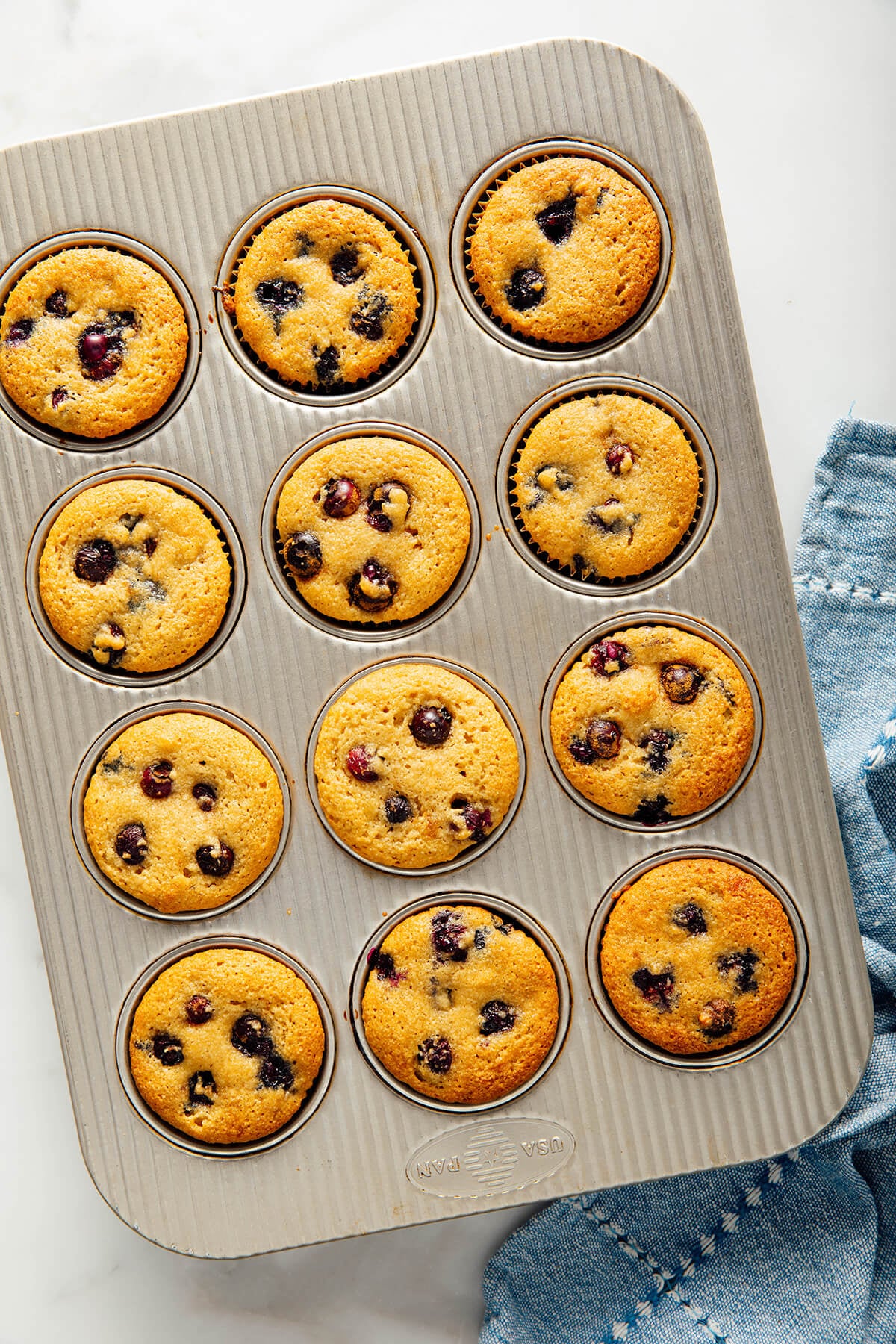
2. Exceptional Flavor and Texture Profile: Almond flour consistently yields baked goods that are "wonderfully golden, tender and moist." Unlike some alternative flours that can impart a distinct, sometimes overpowering taste, almond flour has a subtly nutty flavor that tends to allow other ingredients, such as blueberries and lemon, to "shine through more brightly." This ability to enhance rather than overshadow other flavors is a significant culinary advantage, contributing to a more balanced and sophisticated taste experience. The "over ten tries" to perfect the wet-to-dry ingredient ratio underscores the dedication to harnessing almond flour’s unique properties to achieve optimal results.
3. Unparalleled Ease of Use: A notable benefit of baking with almond flour, particularly for less experienced bakers or those involving children in the kitchen, is its forgiving nature. The absence of gluten means there is no risk of "overstirring" the mixture, a common pitfall in wheat-based baking that can lead to tough, chewy muffins. This characteristic simplifies the mixing process, making it less intimidating and more enjoyable, as noted by the developer who enjoys baking with their four-year-old daughter using almond flour. This ease of handling broadens the appeal of homemade gluten-free baking to a wider audience, from seasoned chefs to budding young bakers.

Strategic Ingredient Choices and Their Functional Roles
The success of these almond flour blueberry muffins is also attributable to a carefully selected list of wholesome ingredients, each playing a specific functional role:
- Fine Blanched Almond Flour: The quality and consistency of almond flour are paramount. The developer specifically recommends "Bob’s Red Mill" or "Whole Foods 365" super-fine almond flour, emphasizing that other brands may yield inconsistent results due to varying grinds and moisture levels. Accurate measurement, either by "spooning and leveling" for cups or using a digital scale, is advised to ensure optimal texture.
- Maple Syrup or Honey: Both natural sweeteners are viable options. Maple syrup is preferred for its "more subtle" flavor profile, allowing the blueberries and almond notes to dominate. Honey, while equally effective, offers a more "apparent" flavor and slightly increased sweetness. The choice allows for personalization based on flavor preference.
- Olive Oil or Butter: For the fat component, a mild extra-virgin olive oil, such as California Olive Ranch, is suggested. The developer states that a mild olive oil is virtually undetectable in the final product, offering a dairy-free option. For those hesitant or preferring a traditional flavor, butter can be used, with minimal difference in the end result’s texture or taste.
- Lemon Juice: Beyond its role in preventing blueberry discoloration, lemon juice contributes a bright, zesty counterpoint to the sweetness of the berries, elevating the overall flavor complexity of the muffin.
- Eggs: As previously highlighted, the four eggs in the recipe are fundamental to providing structure and binding the ingredients together in the absence of gluten. This ensures the muffins hold their shape and achieve a desirable crumb without tasting eggy.
- Blueberries (Fresh or Frozen): While fresh blueberries are noted to yield the "best results," frozen berries are a perfectly acceptable alternative, offering flexibility regardless of season. Crucially, frozen berries should be used directly from the freezer, without defrosting, to prevent them from becoming mushy and to minimize the release of excess moisture into the batter. It is acknowledged that frozen berries may slightly tint the batter blue and require a few extra minutes of baking time, minor trade-offs for year-round accessibility.
Broader Implications and Future Outlook
The introduction of this almond flour blueberry muffin recipe holds broader implications for the gluten-free baking segment and home cooks alike. It serves as a testament to the fact that gluten-free options need not compromise on taste, texture, or simplicity of ingredients. By demonstrating that a single, nutritionally superior flour can create an exceptional baked good without the need for a multitude of starches or gums, this recipe sets a new standard for wholesome gluten-free baking.
For home bakers, it democratizes access to high-quality gluten-free baking, making it less daunting and more achievable. The emphasis on simple ingredients and a forgiving process encourages experimentation and builds confidence in preparing dietary-friendly treats. This recipe aligns perfectly with contemporary health and wellness trends that prioritize whole, natural ingredients and reduced processed elements. It caters to a demographic increasingly seeking food that is both nourishing and indulgent, satisfying the "wholesome but still tastes like a treat" criterion.
Ultimately, this innovation contributes to the ongoing evolution of the culinary landscape, pushing the boundaries of what is possible in specialized diets. It underscores a growing understanding that dietary restrictions do not necessitate a sacrifice in gastronomic pleasure, and that thoughtful development can yield universally appealing results. The success of these almond flour blueberry muffins is likely to inspire further exploration and refinement in the use of alternative flours, continuing to enrich the options available for gluten-free consumers and beyond.
