

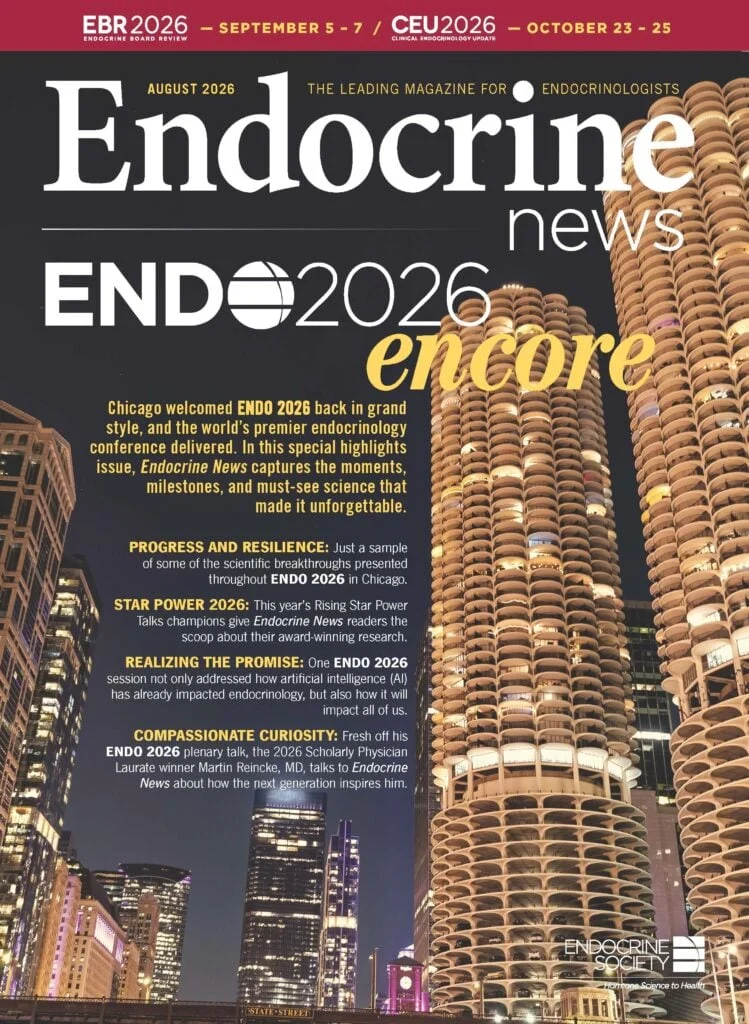
The Endocrine Society’s annual meeting, ENDO 2026, concluded its multi-day residency at Chicago’s McCormick Place this past June, marking a pivotal moment in the advancement of hormone research and clinical practice. As one of the world’s premier gatherings for endocrine scientists and healthcare providers, the conference served as a nexus for over 7,000 attendees ranging from veteran researchers to early-career residents. The 2026 iteration focused heavily on the intersection of rapidly evolving technology and traditional clinical pathways, specifically highlighting the transformative potential of artificial intelligence (AI), the burgeoning field of metabolic pharmacology, and the essential role of the next generation of medical innovators. Through a series of plenary sessions, quick-fire research presentations, and expert panels, the event provided a roadmap for the future of endocrinology, emphasizing resilience in the face of shifting healthcare landscapes.
The Technological Frontier: Artificial Intelligence in Clinical Practice
Among the most heavily attended sessions at ENDO 2026 was the deep dive into the practical application of artificial intelligence within the endocrine specialty. Led by Naykky M. Singh Ospina, MD, a professor in the Division of Endocrinology, Diabetes, and Metabolism at the University of Florida, the session titled "Artificial Intelligence in Endocrinology: Practical Uses, Lessons Learned, and What Comes Next" addressed the transition of AI from a theoretical disruptor to a functional tool. For years, the medical community has anticipated a radical overhaul of diagnostic and administrative workflows driven by machine learning. Dr. Singh Ospina and her colleagues sought to quantify this change, asking whether the promised disruption had truly arrived and identifying the barriers that remain.
The session explored how AI currently assists in the interpretation of complex diagnostic imaging, such as thyroid ultrasounds, and the management of continuous glucose monitoring (CGM) data for diabetic patients. Data presented during the session indicated that while AI can significantly reduce the administrative burden on clinicians—thereby mitigating physician burnout—its implementation requires rigorous ethical oversight and data privacy protections. Dr. Singh Ospina noted that the current phase of AI integration is characterized by "reflective implementation," where practitioners are not just adopting new tools but are actively evaluating how these technologies improve patient outcomes in real-time clinical settings. The consensus among the panel was that while AI is not a replacement for clinical judgment, it is becoming an indispensable assistant in managing the data-heavy nature of endocrine disorders.
The Obesity Revolution: GLP-1 Agonists and the Future of Metabolic Health
The therapeutic landscape for obesity and metabolic disease has undergone a seismic shift since the introduction of high-efficacy GLP-1 receptor agonists. This topic was the focus of a standing-room-only post-plenary session featuring two of the field’s most prominent figures: Barbara Kahn, MD, and Daniel Drucker, MD. The discussion moved from the formal ballroom setting to the expo hall, allowing for an interactive dialogue with attendees about the long-term implications of these medications.
Dr. Drucker, whose pioneering research was instrumental in the development of GLP-1 therapies, discussed the evolving understanding of these drugs beyond weight loss, including their cardiovascular and renal protective benefits. However, the session also addressed the complexities of patient choice and long-term management. Dr. Kahn highlighted a significant clinical observation: despite the effectiveness of the latest pharmaceutical interventions, some patients still opt for bariatric surgery, viewing it as a "one and done" solution compared to the lifelong commitment required by medication.

The experts emphasized that while drugs like semaglutide and tirzepatide are revolutionary, they must be part of a broader strategy that includes environmental and policy changes to address the root causes of the obesity epidemic. The discussion underscored a critical research frontier: understanding why certain patients respond more robustly to these medications than others and how to maintain metabolic health once weight loss goals are achieved. This session reflected a broader trend at ENDO 2026—a move toward personalized metabolic medicine that integrates pharmacotherapy with surgical and lifestyle interventions.
Rising Stars: The 2026 Power Talks and Early-Career Innovation
A perennial highlight of the ENDO conference is the "Rising Stars Power Talks," a high-stakes, quick-fire competition where early-career researchers and trainees are given three minutes to present their data. This format tests not only the scientific rigor of the research but also the presenter’s ability to communicate complex concepts to a diverse audience of peers and industry leaders. The 2026 winners represented a cross-section of the most pressing issues in modern endocrinology.
Brittany Weisbrot, an internal medicine resident at Loyola University Medical Center, secured the Clinical Science award. Her research focuses on the intersection of patient care and metabolic disease, specifically targeting improvements in the diagnosis and treatment of hypoglycemia and obesity. In her post-win remarks, Weisbrot articulated a vision for a career that bridges the gap between clinical observation and translational research, emphasizing that the most impactful research questions often arise directly from the bedside.
Other notable winners included:
- Translational Science: Dillon Boulton, PhD, a postdoctoral fellow at the University of Colorado’s Anschutz Medical Campus, whose work investigates the underlying pathological mechanisms of endocrine disorders.
- Basic Science: Lila Dabill, a PhD student at Washington University in St. Louis, who was recognized for her fundamental research into cellular signaling.
- Audience Choice: Konstantinos Stefanakis, MD, PhD (candidate), a cardiology fellow at Harvard Medical School’s Beth Israel Medical Center, whose work explores the critical link between endocrine health and cardiovascular outcomes.
The success of these young scientists highlights the Endocrine Society’s commitment to fostering new talent. Industry judges noted that the level of sophistication in the 2026 presentations, particularly in the use of genomic data and advanced statistical modeling, was significantly higher than in previous years, signaling a more data-literate generation of endocrinologists.
Honoring Excellence: The 2026 Outstanding Scholarly Physician Laureate
The conference also served as a platform to honor established leaders who have shaped the field. Martin Reincke, MD, was named the 2026 Outstanding Scholarly Physician Laureate, a recognition of his decades of work in adrenal and pituitary research. In a featured interview following his plenary session, Dr. Reincke reflected on the evolution of the specialty. He expressed a particular fascination with the "fearless" nature of the new generation of doctors.
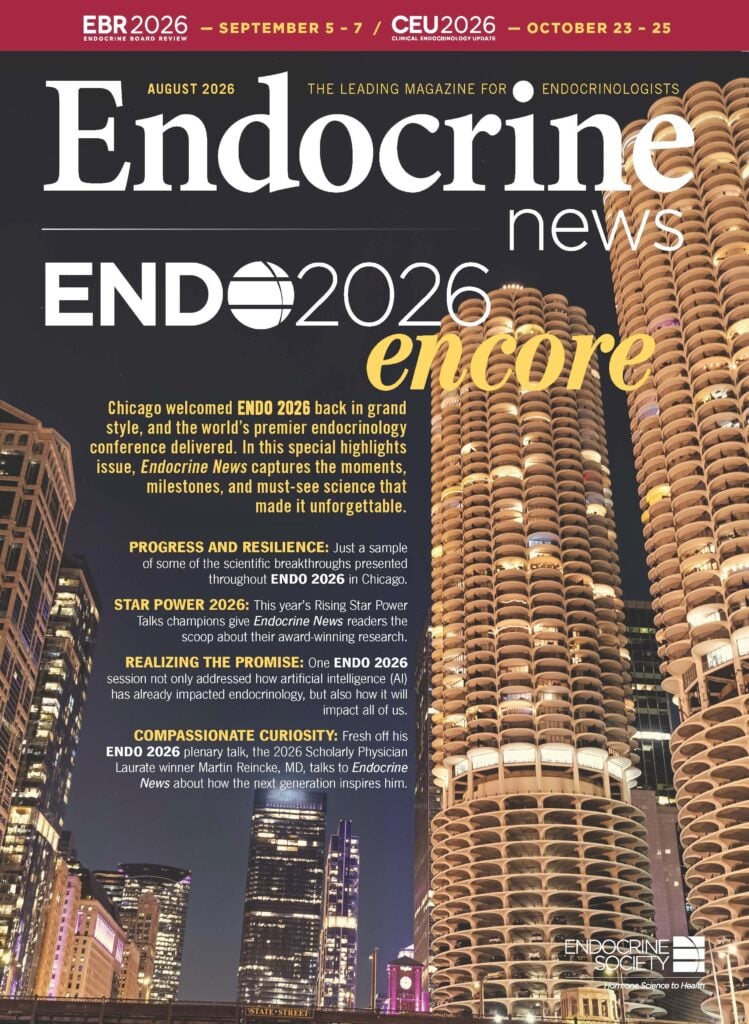
Dr. Reincke observed that younger practitioners navigate the complexities of AI, genomics, and high-resolution imaging with an ease that was unavailable to previous generations. However, he cautioned that as the field becomes more data-driven, it is vital to remember the human element. "Every dataset represents a person waiting for a better diagnosis or treatment," Reincke stated, a sentiment that resonated throughout the conference. His work on primary aldosteronism and Cushing’s syndrome has set a high standard for clinical excellence, and his laureateship serves as a bridge between the foundational discoveries of the past and the technological advancements of the future.
Chronology and Logistics: The McCormick Place Experience
The ENDO 2026 schedule was meticulously curated to maximize interaction between different sub-specialties. The event opened with a series of high-level plenary talks that set the tone for the week, focusing on global health challenges and the resilience of the medical community post-pandemic. Mid-week sessions transitioned into more granular "Meet the Professor" sessions and hands-on workshops where clinicians could refine their skills in areas like ultrasound-guided fine-needle aspiration and the interpretation of genetic testing panels.
McCormick Place, one of the largest convention centers in North America, provided the necessary scale for the event. The "Progress and Resilience" article by Senior Editor Derek Bagley chronicled the physical and intellectual journey of the attendees, noting how the layout encouraged "boomeranging" between scientific sessions and the expansive expo hall. The expo hall itself was a hub of activity, featuring the latest in medical technology, pharmaceutical developments, and networking lounges where the "Rising Stars" could mingle with established laureates.
Implications for the Future of Endocrinology
The findings and discussions at ENDO 2026 have significant implications for the broader healthcare landscape. The heavy emphasis on AI suggests that the next five years will see a standardization of these tools in clinical workflows, potentially leading to faster diagnoses and more personalized treatment plans. Furthermore, the focus on GLP-1 medications indicates that endocrinologists will remain at the forefront of the obesity crisis, acting as primary coordinators for metabolic health.
The economic implications are also noteworthy. As new, high-cost therapies become the standard of care, the endocrine community must advocate for patient access and insurance coverage. The data presented in Chicago will likely inform clinical guidelines and policy decisions for years to come.
As the Endocrine Society looks toward its next annual meeting, ENDO 2027, which is scheduled to take place in Toronto, Ontario, Canada, from June 5 to 7, the momentum generated in Chicago continues. The 2026 meeting proved that despite the challenges of a rapidly changing technological and economic environment, the field of endocrinology remains resilient, driven by a combination of veteran experience and youthful innovation. The integration of artificial intelligence, the refinement of metabolic therapies, and the dedication to patient-centered research ensure that the specialty is well-equipped to face the medical challenges of the mid-21st century.
