

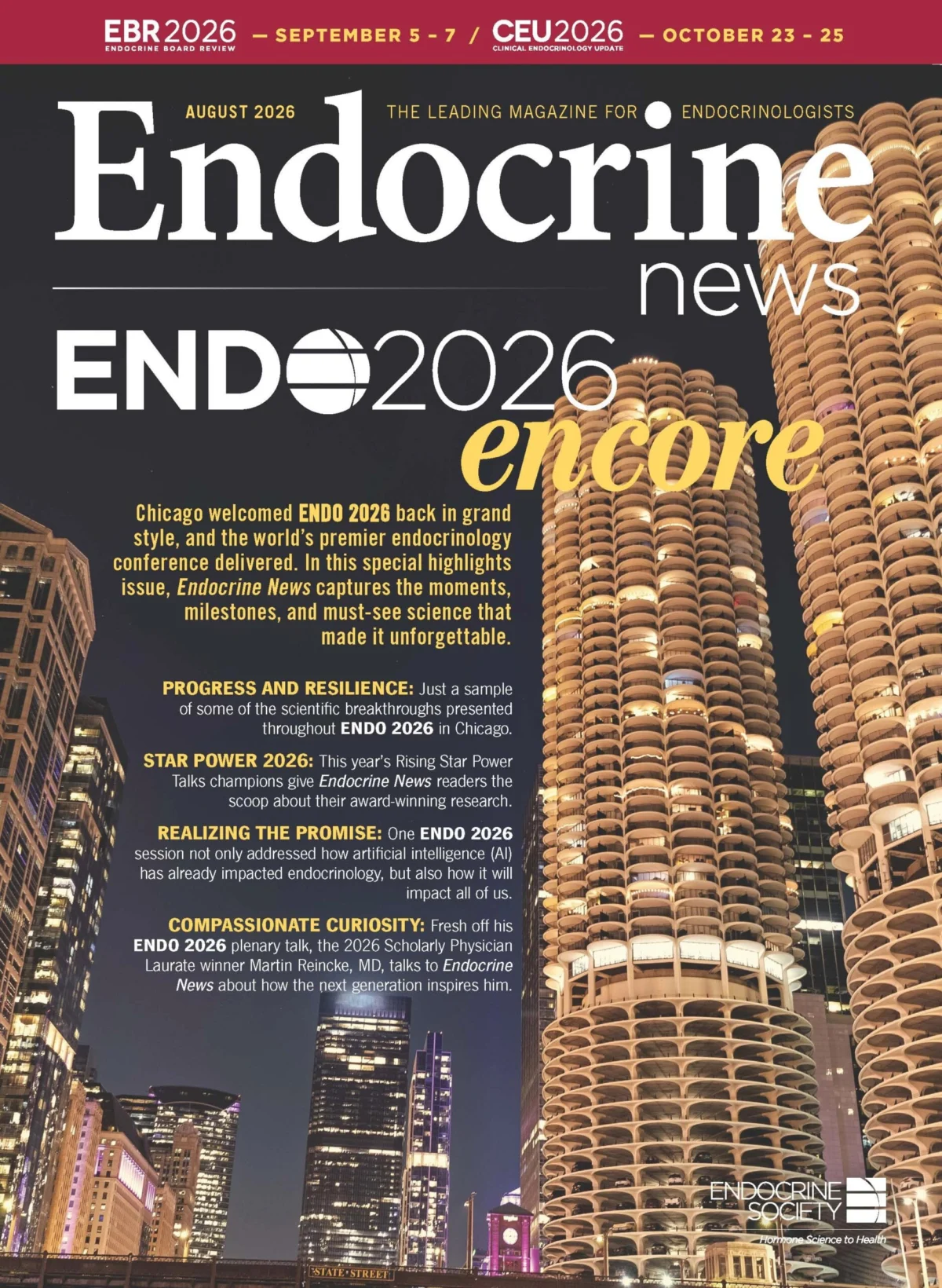
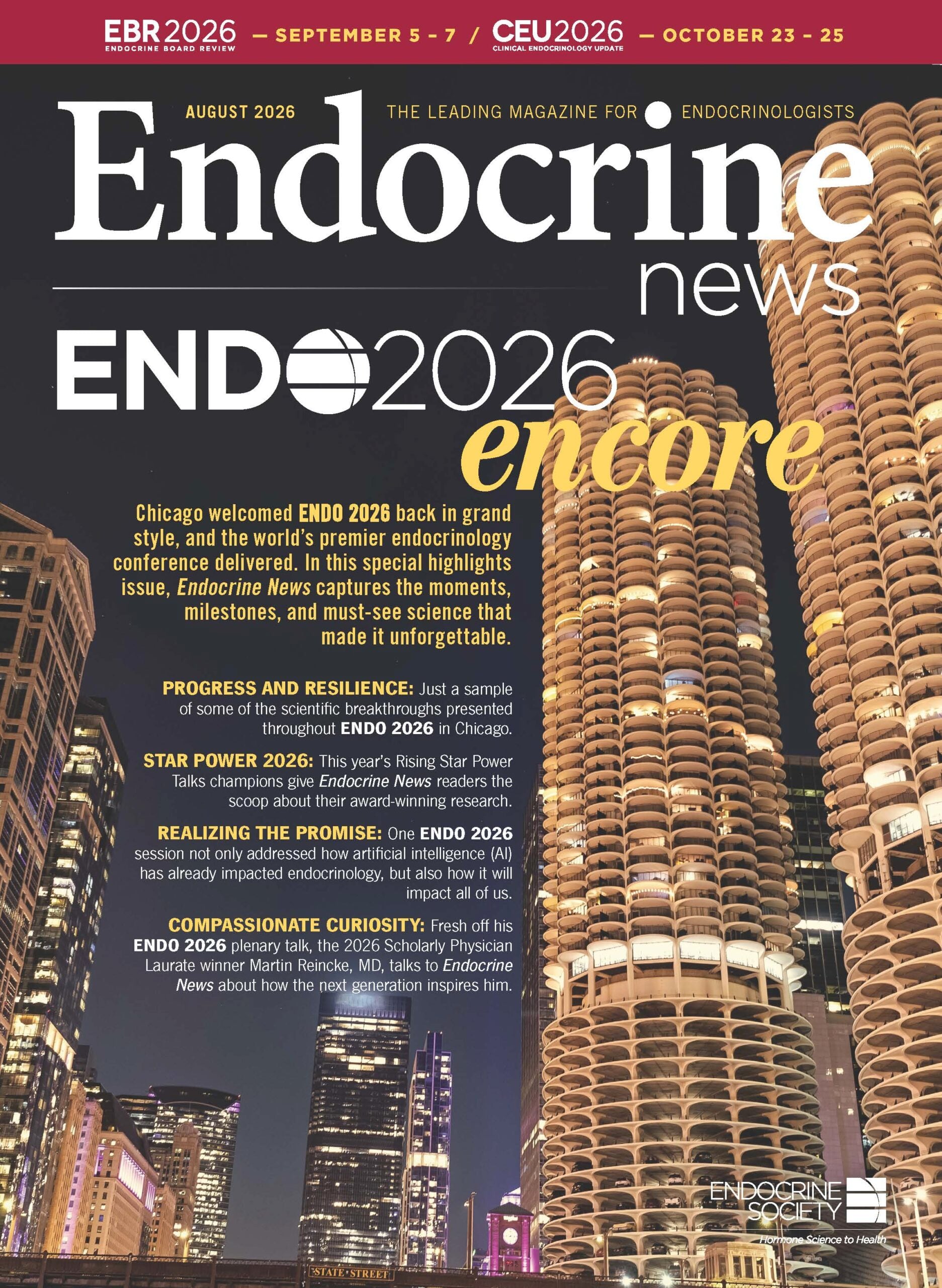
The 2026 annual meeting of the Endocrine Society, known as ENDO 2026, convened in Chicago this past June, marking a pivotal moment for a field that stands at the intersection of a global metabolic crisis and a revolution in pharmacological intervention. Against a backdrop of shifting healthcare economics and fluctuating research budgets, the conference served as a testament to the resiliency of endocrinologists—specialists who remain tasked with managing some of the most complex chronic conditions in modern medicine. The choice of Chicago as the host city provided a symbolic parallel to the event’s theme of transformation; much like the jazz music that migrated from New Orleans to "grow up" and evolve in the Windy City, the field of endocrinology is currently undergoing a period of profound expansion and refinement.
The gathering occurred at a time when the World Health Organization (WHO) and the Centers for Disease Control and Prevention (CDC) continue to report staggering rises in metabolic disorders. In the United States alone, the prevalence of obesity among adults has climbed to over 42%, a statistic that informs nearly every session held during the four-day event. Despite the "turbulent past couple of years" noted by event organizers—characterized by federal budget uncertainties and the lingering systemic pressures on healthcare infrastructure—the atmosphere at ENDO 2026 was one of clinical determination.
The GLP-1 Revolution and the New Paradigm of Obesity Care
The central narrative of ENDO 2026 was undoubtedly the continued evolution of Glucagon-like peptide-1 (GLP-1) receptor agonists. Originally developed for the management of Type 2 diabetes, these medications have transitioned into the primary frontline defense against obesity, fundamentally changing the clinical approach to weight management.
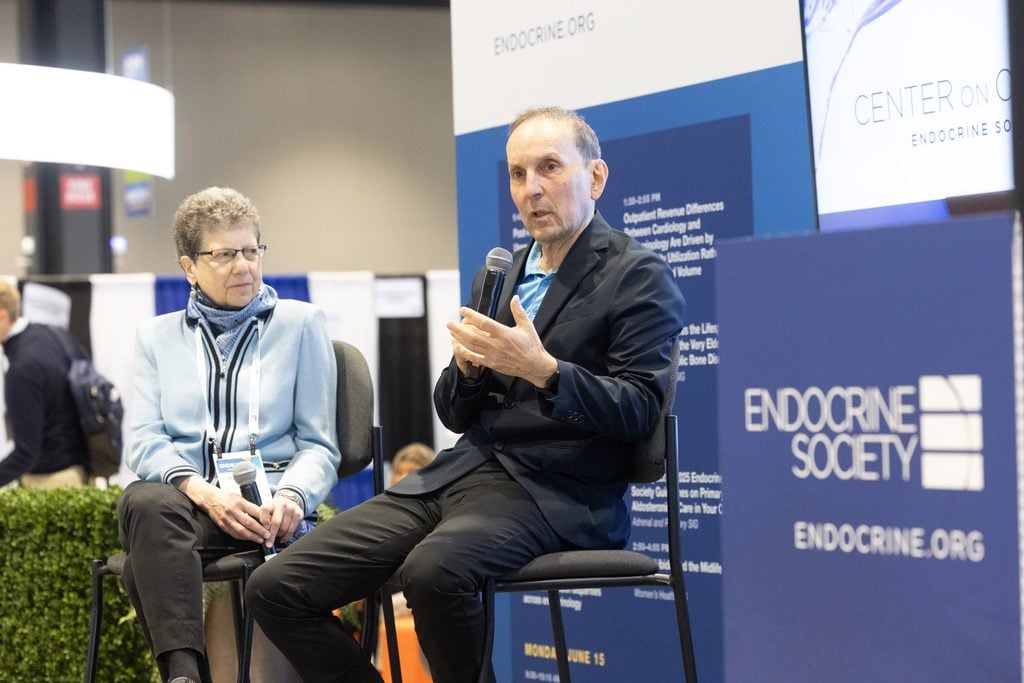
During a high-profile Q&A session on the expo floor, two of the field’s most distinguished figures—Daniel Drucker, MD, recipient of the 2025 Fred Conrad Koch Lifetime Achievement Award, and Barbara Kahn, MD, recipient of the 2025 Roy O. Greep Award for Outstanding Research—addressed the implications of these treatments. Dr. Drucker, a professor of medicine at the Lunenfeld-Tanenbaum Research Institute and a pioneer in the study of gut hormones, has been instrumental in the decades-long journey of GLP-1s from laboratory discovery to blockbuster pharmaceutical.
The discussion, moderated by Endocrine Society President Nanette Santoro, MD, touched upon the surprising nuances of metabolic health. One such topic was the "ice cream paradox," a reference to a 2023 study suggesting that moderate ice cream consumption might be associated with a reduced risk of heart disease in diabetic patients. Dr. Kahn, the George Richards Minot Professor of Medicine at Harvard Medical School, offered a physiological explanation, suggesting that the lipid content in ice cream may slow the absorption of carbohydrates, thereby preventing the sharp glucose spikes typically associated with high-sugar foods. However, both experts cautioned that such findings should not detract from the broader necessity of systemic lifestyle and environmental changes.
Looking Toward 2036: A Vision for Preventive Endocrinology
A recurring theme throughout the plenary sessions was the long-term trajectory of the field. When asked to project the state of weight loss therapy ten years into the future, Dr. Drucker expressed a hope for a shift from treatment to prevention. He noted that the global surge in Body Mass Index (BMI) over the last 40 years is a relatively recent phenomenon in human history, driven by changes in the food system and environmental factors rather than genetics alone.
"By 2036, we would ideally have identified the environmental triggers—be it processed foods or chemical manufactured substances—that have driven this epidemic," Drucker stated. He suggested that while GLP-1 medications are currently essential, the ultimate goal of the medical community should be to modify the environment so that such intensive pharmacological intervention becomes less necessary. He predicted that if the medications remain a staple, they must become significantly more affordable and accessible to the global population.
Addressing Disparities in Endocrine Healthcare Access
While the scientific advancements presented at ENDO 2026 were significant, the conference also addressed the sobering reality of healthcare inequality. In a session titled "Breaking Barriers: Addressing Endocrine Disorders in Underserved Populations," experts highlighted the stark contrast between medical innovation and patient access.
Alicia Diaz-Thomas, MD, MPH, of the University of Nevada, Reno School of Medicine, and Eric Bomberg, MD, MAS, presented data indicating that Black and Hispanic patients face significantly higher hurdles in accessing new obesity treatments and bariatric surgeries compared to non-Hispanic White patients, even when accounting for education and insurance status. This disparity is particularly critical given that CDC data shows obesity prevalence is highest among Black adults (49.9%) and Hispanic adults (45.6%).
Dr. Bomberg emphasized that the existence of nine approved obesity medications "means nothing if people don’t have access to them." The cost of these medications remains a primary barrier in the United States. Dr. Drucker pointed out a striking international comparison: in Canada, a month’s supply of semaglutide costs approximately $78 CAD, a fraction of the price often seen in the U.S. market. The session concluded with a call to recognize obesity as a chronic disease rather than a behavioral failing, a shift in perspective necessary to dismantle the biases that currently limit care for marginalized communities.
New Research Highlights: Tirzepatide, Liver Health, and Menopause
Beyond the GLP-1 headlines, ENDO 2026 featured a wealth of new data across various sub-specialties:
Individualized Response to Tirzepatide
A collaborative study led by Hans Johnson involving 80,000 adults examined the efficacy of tirzepatide, a dual GLP-1 and GIP receptor agonist. The findings revealed that women tended to lose more weight on the medication than men. Furthermore, the research identified that pre-existing conditions—such as Type 2 diabetes, hypertension, and obstructive sleep apnea—were associated with slightly lower rates of weight loss, underscoring the need for individualized treatment protocols rather than a one-size-fits-all approach.
The Impact of Napping on Metabolic Liver Disease
Research presented by Xuejiang Gu, MD, PhD, from Wenzhou Medical University in China, explored the relationship between sleep habits and Metabolic Dysfunction-Associated Steatotic Liver Disease (MASLD). The study found that individuals with Type 2 diabetes who napped for more than 30 minutes daily had a significantly higher risk of developing liver dysfunction. The researchers suggested that prolonged daytime napping may disrupt circadian rhythms and glucose metabolism, leading to the public health recommendation to "nap wisely."
Breakthroughs in Menopausal Care
The conference also highlighted advancements in non-hormonal treatments for menopause. Pauline M. Maki, PhD, of the University of Illinois Chicago, presented data on fezolinetant, an FDA-approved medication that targets the neural activity that causes hot flashes. The study found that the medication not only improved vasomotor symptoms but also showed a positive impact on associated depression and anxiety. Dr. Maki noted that these real-world results mirrored clinical trials, providing a vital alternative for women who cannot or choose not to use hormone replacement therapy (HRT).
Chronology of Innovation and Leadership
The timeline of the event was punctuated by the transition of leadership within the Endocrine Society. Outgoing President Nanette Santoro, MD, passed the mantle to Carol Lange, PhD, for the 2025-2026 term. Dr. Lange, known for her energetic presence and focus on cellular signaling in breast cancer, set an enthusiastic tone for the future of the society.
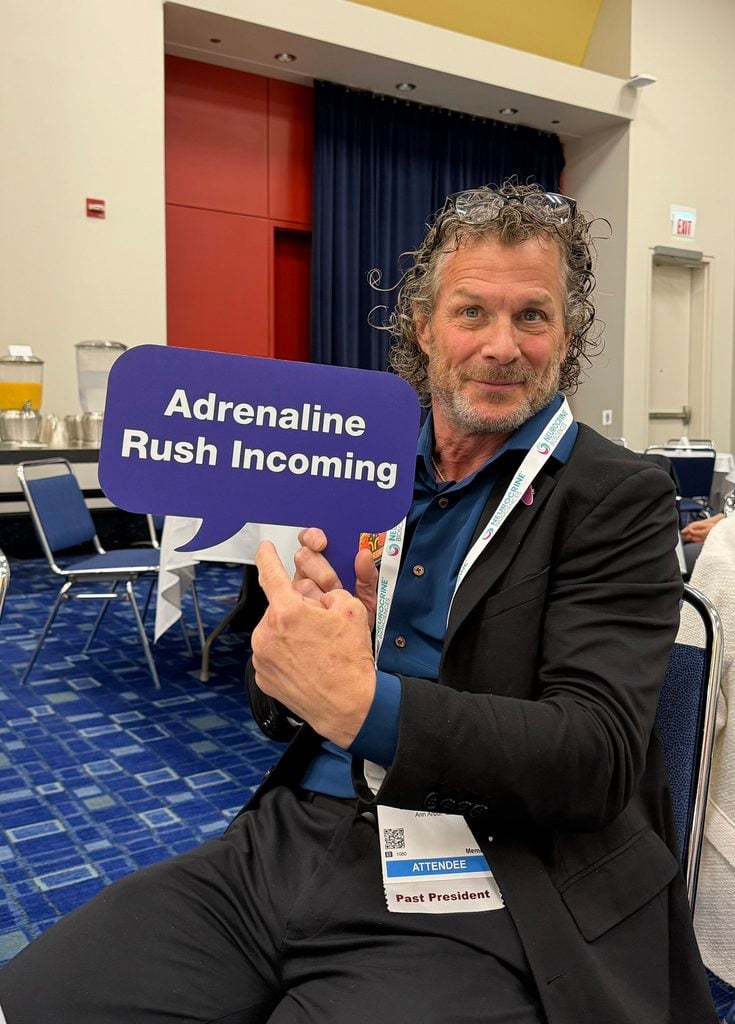
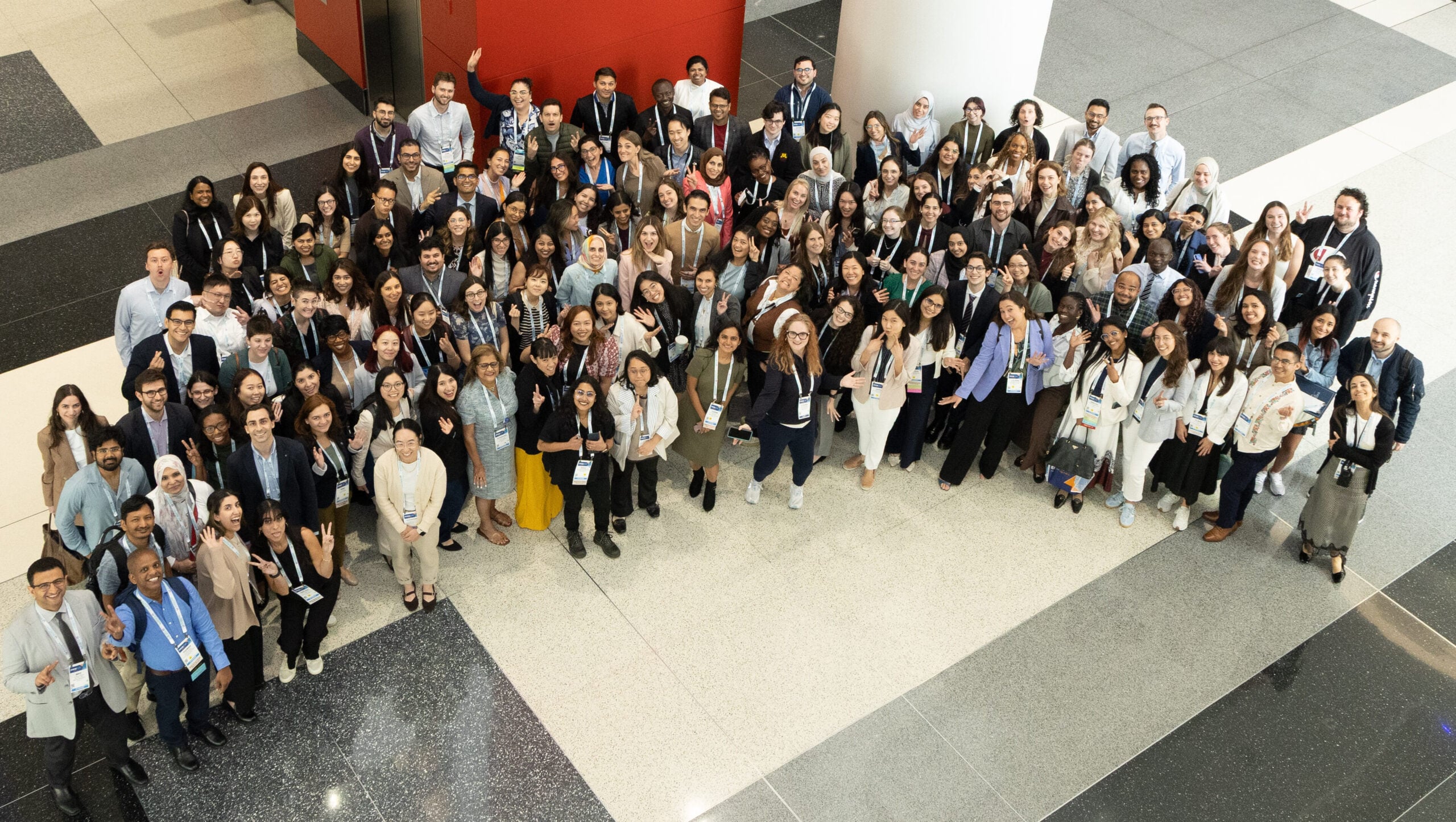
The "Early Career Forum," a full-day event held on the Friday preceding the main sessions, served as a bridge between the legends of the field and the next generation of researchers. Featuring speakers like Past-President Gary Hammer, MD, PhD, the forum provided mentorship on navigating the complexities of modern medical careers, from securing research grants to balancing clinical practice with academic inquiry.
Analysis: The Broader Implications for Global Health
The findings and discussions at ENDO 2026 suggest that the field of endocrinology is moving toward a more holistic and integrated model of care. The "unflappable" nature of the attendees, as described by organizers, reflects a broader resilience within the scientific community. As endocrinologists grapple with the "200 other disorders" that obesity can trigger—ranging from cardiovascular disease to certain types of cancer—the role of the endocrinologist has evolved from a niche specialist to a central figure in public health.
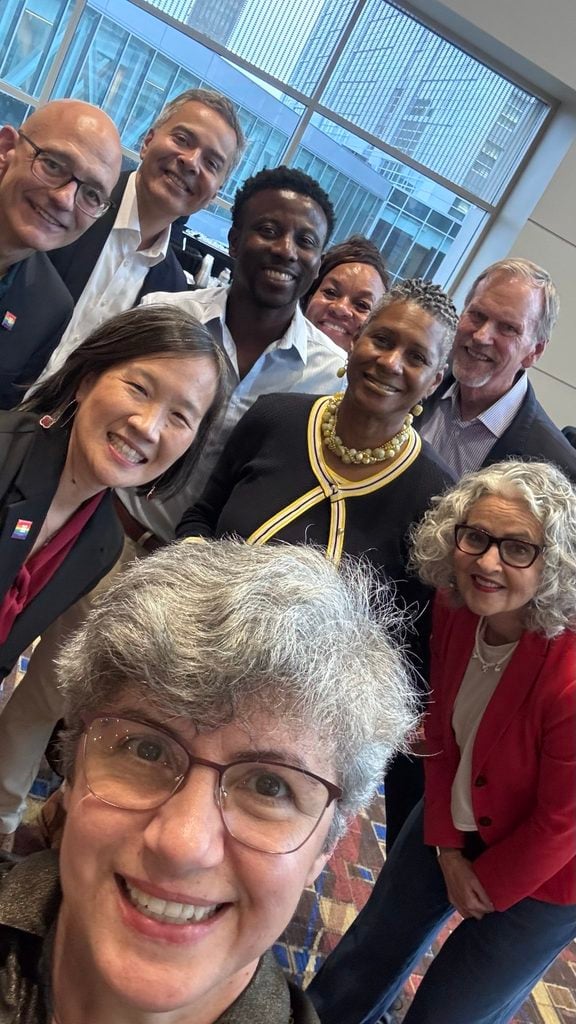
The implications of the research presented are twofold. On one hand, the pharmacological "notes" being played—such as GLP-1s and dual agonists—are more powerful than ever before. On the other hand, the "notes not played"—the environmental and systemic changes yet to be implemented—remain the greatest challenge for the coming decade.
As the meeting concluded, the consensus among attendees was clear: while the current era of endocrinology is defined by historic breakthroughs in weight management and metabolic health, the next era must be defined by equity, prevention, and a deeper understanding of the environmental determinants of health. The resiliency shown in Chicago suggests that the field is well-prepared to lead this charge, continuing to change the course of healthcare much like the jazz masters changed the course of music.
